Best Air Fryer Under $200 (2026): Size, Features and Buying Tips
Disclosure: We may earn a commission when you buy through links on this page, at no extra cost to you. As an Amazon Associate I earn from qualifying purchases. Learn more

What matters when choosing the best air fryer under 200: size, features, budget and the mistakes to avoid.
Picture a weeknight when dinner needs to happen fast, the oven feels like too much for a small batch, and nobody wants a sink full of pans afterward. That everyday moment is where this category earns its place. If you are shopping for the best air fryer under 200 dollars for your home, the right choice depends on your counter space, how many people you cook for, and how you actually eat during the week.
This guide walks through size, type, features, safety, and running costs so you can match a model to your household instead of chasing the longest feature list. Use the comparison table below to see how the main types differ, then read on for the details that matter in daily use.




Quick Answer: The Three Types to Consider First
No single best air fryer under 200 fits every home. Most buyers under this budget choose between three formats, each with a clear strength and a clear trade off.
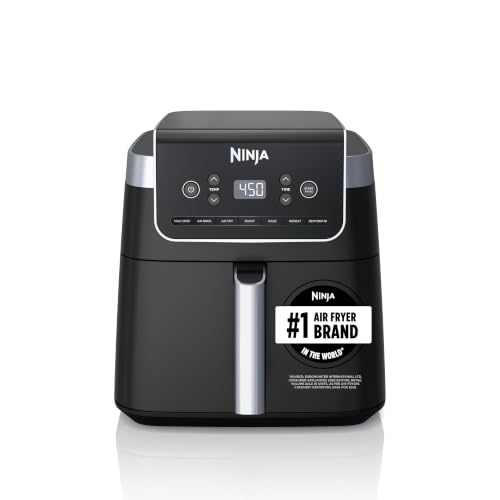
- Single basket models suit one to four people, take the least counter space, and are the simplest to learn and clean.
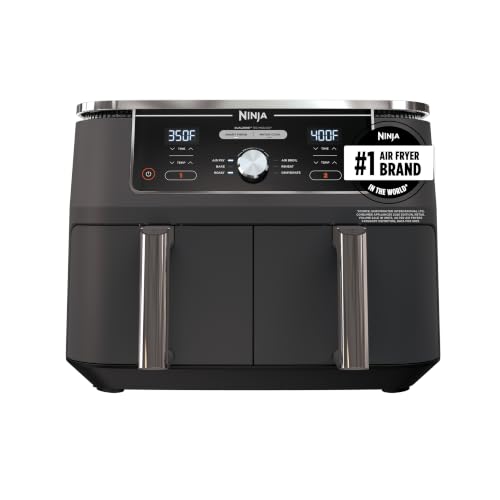
- Dual basket models cook two foods at two settings at once, which helps when a main dish and a side need to finish together.
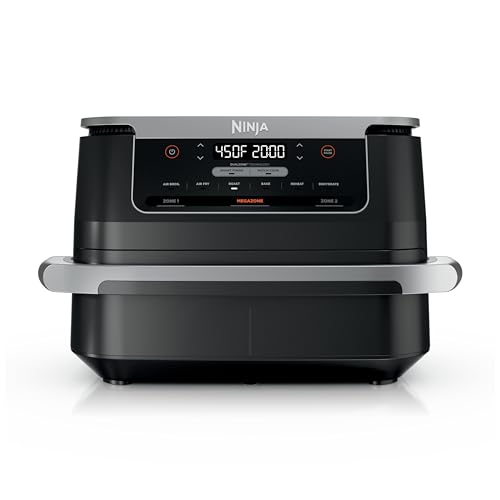
- Oven style models hold larger batches on trays, handle foods like toast and pizza slices, and ask for more counter depth and more cleaning time.
If you are unsure where to start, begin with a single basket model in the middle size range. Our broader guide to the best air fryer explains how this budget tier compares with higher priced categories.
Before You Buy: A Quick Checklist for Choosing an Air Fryer
Size: Match Capacity to Your Household
Capacity is listed in quarts, and it guides how much food cooks in one layer without crowding. Models around 2 quarts suit one person cooking small portions. The 4 to 5 quart range is the practical middle for couples and small families, while 6 to 8 quart models handle bigger batches for four or more people. Very large 10 quart designs are usually oven style units. Buy for your typical meal, not your biggest holiday meal, since an oversized basket heats more empty space and takes longer to clean after small dinners.
Which Type Fits Your Routine
Basket models are the default for fries, wings, and reheated leftovers, and they store the most easily. Dual basket models add a second zone for households that often cook a protein and a vegetable together. Oven style models use trays and racks, which suits baking and toasting but needs more wiping down. Some buyers prefer a glass basket they can watch without opening, and the guide to the best glass air fryer covers that format. Material matters too, so if avoiding certain coatings is a priority, compare the options in the best non toxic air fryer guide before you decide.
Features Worth Paying For and Ones to Skip
A viewing window and a shake reminder both solve real problems, since one lets you check browning without losing heat and the other prompts you to turn food for even cooking. Digital controls with a clear temperature range help when you cook varied foods. A dehydrate setting is worth it only if you plan to dry fruit or herbs. Rotisserie functions, app control, and long preset lists often go unused in busy homes, so skip paying extra for them unless they match a habit you already have.
Wattage, Power and Energy Use
Most models in this price range draw about 1200 to 1800 watts, and higher wattage usually means faster preheating rather than better food. An air fryer uses less energy than heating a full size oven for a small batch, simply because the cooking chamber is far smaller. Check that your kitchen circuit can handle the load alongside other appliances, since running a microwave and an air fryer on one circuit can trip a breaker. A short cord is common for safety, so plan on placing the unit near an outlet.
Safety Features and Certifications
Look for a UL or ETL listing, which shows the appliance was checked against recognized safety standards in the United States. Automatic shutoff when the basket opens or the timer ends is a feature worth having, and an exterior that stays cooler to the touch helps in homes with curious kids. Keep the unit on a stable, heat safe surface with open space around the vent, since hot air exits during cooking. Never leave the appliance running while you are away from home, even for a short cycle.
Counter Space and Dimensions
Capacity tells you what fits inside, while dimensions tell you whether the unit fits your kitchen at all. Measure the footprint, then check the height against the gap under your cabinets, leaving several inches above and behind the vent for hot air to escape. Deep oven style models can crowd a narrow counter and block outlets or cabinet doors. If your counter is tight, a tall and narrow basket model usually works better, and the roundup of the best small air fryer focuses on compact footprints for small kitchens.
Realistic Budget Ranges
Under this cap, price bands buy noticeably different things. Models under $50 are small and basic, fine for one person. The band from about $50 to $100 adds midsize capacity and digital controls. From about $100 to $150 you gain stronger fans, better baskets, and sometimes a second zone. Near the top, about $150 to $200, you get the largest capacities and oven style formats. Spending more mainly buys size and convenience.
Three Types Compared: Basket, Dual Basket and Oven Style
Basket Models for Most Homes
The single basket design is the most common choice under this budget, and for good reason. You load food in one drawer, set the time and temperature, and shake once partway through. Cleanup is one basket and one crisper plate, which makes the format easy to use on a busy Tuesday. The limit is batch size, since food must sit in a single layer for crisp results. For one to four people cooking standard portions, this is the type to beat.
Dual Basket Models for Varied Meals
Two independent baskets let you cook foods that need different settings, such as salmon in one zone and green beans in the other, and a sync function can time both to finish together. That flexibility helps families whose members eat differently or households that cook a main and a side most nights. The trade offs are a wider footprint, two baskets to wash, and smaller capacity in each zone than the total number suggests. Check the size of each basket on its own, not just the combined quarts.
Oven Style Models for Larger Batches
Oven style units swap the drawer for a door and trays, which spreads food across racks and suits larger or flatter items. Many add functions like baking, toasting, and a rotisserie spit, so they can stand in for a toaster oven. Trays and interior walls collect more splatter than a basket, so cleaning takes longer. If you are weighing this format against a full size oven, the comparison of air fryer vs convection oven explains where each one makes sense for batch size and energy use.
Our Selection Process for Models Under $200
We judge models in this price range on six criteria: usable capacity, cooking performance, ease of use, cleaning effort, noise, and safety and warranty coverage. Cooking performance means even browning without constant attention, not the highest temperature on the box. We rely on manufacturer specifications and patterns in verified buyer feedback. Repeated complaints about coatings, fans, or controls count as a warning sign.
What You Get and Give Up Under $200
At this budget, the best air fryer under 200 for most homes delivers strong crisping, a basket that cleans easily, and controls you can set without opening a manual. You also get useful extras like a viewing window or a second basket on some models. What you give up versus pricier tiers is mostly refinement: quieter fans, all metal interiors, larger oven style capacity, and longer warranties. Build quality in this range is generally solid for daily use, but coatings and plastic parts will not match premium builds, so realistic expectations matter more than any single spec.
Common Buying Mistakes to Avoid
- Buying by total quarts alone, then finding each basket or tray too small for your usual portions.
- Skipping the counter measurement, so the unit blocks cabinet doors or sits too close to the wall vent.
- Paying for a rotisserie or app features you will rarely use while the basic basket size is wrong.
- Ignoring replacement part costs, then facing a worn crisper plate with no affordable spare available.
- Choosing the cheapest coating with no care guidance, which can shorten the life of the basket surface.
Cost of Ownership and Care
Running costs stay modest, since a typical cycle uses far less electricity than heating a full oven, and sessions are short. Ongoing spending goes to parchment liners if you use them, plus eventual replacement baskets or crisper plates, which vary by brand and are not always in stock. Wipe the interior after greasy foods, wash the basket in warm soapy water, and avoid abrasive pads on coated surfaces. For a full routine, including the fan area and the heating element, follow the steps in the guide on how to clean an air fryer. Let parts dry fully before storage to prevent lingering odors.
Your Questions, Answered
What is the most reliable air fryer brand?
Reliability is hard to rank by brand name alone, since each brand sells strong and weak models at this price. A better check is the warranty length, how easily the brand sells replacement baskets, and whether owner feedback after a year of use stays positive. Established makers with clear support channels tend to resolve faults faster. Pick the specific model with the best support record, not the logo.
Is an air fryer worth it for a small household?
For one or two people, yes, if you often cook small portions and reheat leftovers. A compact unit heats in minutes, crisps food that a microwave leaves soft, and avoids heating a large oven for a single serving. It is less worth it if your meals are mostly soups, sauces, or large roasts. Households that cook frozen snacks and vegetables several times a week tend to use it the most.
How long does an air fryer usually last?
With regular care, most models in this range serve a household for about three to five years of frequent use. The basket coating and the fan usually show wear first, and heavy daily use shortens that span. Gentle washing, avoiding metal utensils in the basket, and not overheating an empty unit all help. When browning turns uneven or the fan grows loud, replacement is often wiser than repair.
Can you get a good air fryer for under $200?
Yes, and this budget covers the strongest part of the market for home use. You can expect even cooking, a midsize or large basket, digital controls, and safety listings without paying for premium finishes. What the cap excludes is mostly very large oven style capacity and premium materials. Spend near the middle of the range for the best balance, and put the savings toward a size that truly fits your meals.
What size air fryer does a family of four need?
Most families of four do well with about 5 to 6 quarts in a single basket, which holds a full batch of fries or wings in one layer. If your meals pair a main with a side, a dual basket model with a similar total capacity may serve you better than one large drawer. Appetites matter more than headcount, so households with teenagers often prefer the larger end of that range.
Final Thoughts
Start with your space and your headcount, pick the type that matches your routine, and let the feature list come last. For most homes, a midsize single basket model in the middle of this budget is the best air fryer under 200 choice you can make without overthinking it. Dual basket and oven style designs earn their place when your meals demand them. Check the product table above once more against your counter measurements, then choose with confidence.