Best Air Fryer for Steak (2026): Size, Features and Buying Tips
Disclosure: We may earn a commission when you buy through links on this page, at no extra cost to you. As an Amazon Associate I earn from qualifying purchases. Learn more

What matters when choosing the best air fryer for steak: size, features, budget and the mistakes to avoid.
Picture a weeknight when two steaks need to be on the table in about half an hour, the stove is busy with sides, and nobody wants a pan of splattering fat to scrub afterward. That is the moment the best air fryer for steak earns its counter space. This guide helps you choose by what matters in a real home: how many steaks you cook at once, the room you can give the appliance, and what you want to spend.
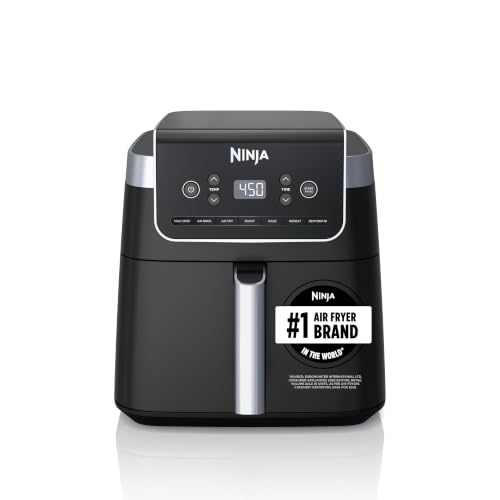
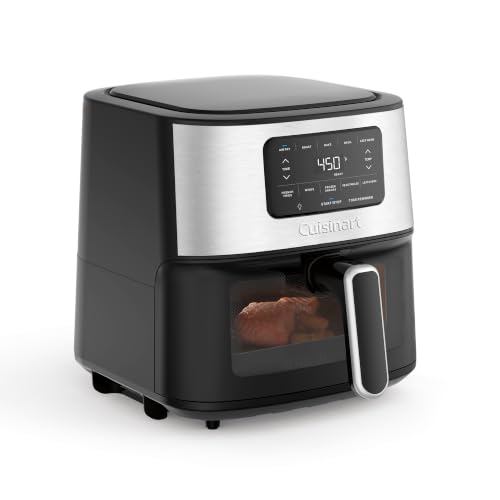
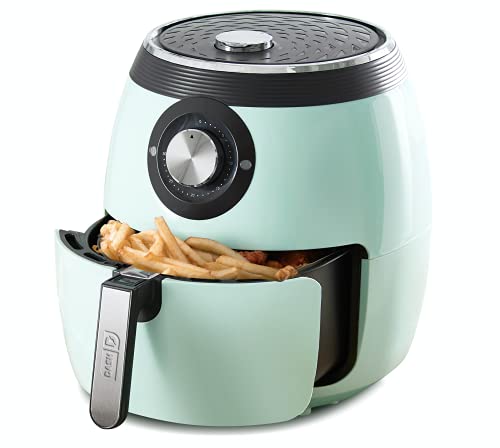
Use the comparison table below to scan capacities and formats side by side, then read on for the sizing, power, and care details that decide whether a model suits your kitchen.




Quick Answer: The Types That Suit Most Homes
If you cook one or two steaks for a small household, a standard basket model in the 4 to 6 quart range is usually the simplest fit. It preheats fast, browns well, and stores easily. If you cook for three or four people, a dual basket or a wide single basket keeps every steak in one layer, which is what good browning needs. Oven style models suit homes that cook steak alongside vegetables in larger batches, though they take more counter room and more cleaning.
Before You Buy: A Quick Checklist for Choosing an Air Fryer for Steak
Steak makes demands that snack food does not. The chamber needs strong heat, room for air to move around each piece of meat, and a basket you can clean after fatty drips.
Size: Match It to Your Space
Capacity is about steak count first and quarts second. A 2 to 4 quart basket handles one modest steak at a time, which suits solo cooks and couples. A 5 to 6 quart basket fits two good sized steaks in a single layer with space around each one, and that spacing lets the surface brown instead of steam. Households cooking three or four steaks should look at 8 quart and larger models or a dual basket design, since rushed batches mean the first steaks rest too long.
Which Type Fits Your Routine
Basket models are the easiest to live with day to day. You pull the drawer, flip the steak once, and wash one basket and one tray. Dual basket models cook steak in one drawer and sides in the other, each at its own setting, which helps when timing a full meal. Oven style models offer racks and a door, but the interior walls collect more splatter. If you prefer to avoid coated surfaces, our guide to the best glass air fryer covers glass basket designs.
Features Worth Paying For, and Ones to Skip
Pay for a maximum temperature of at least 400 degrees Fahrenheit, because steak needs fierce heat at the surface from the first minute. A flip reminder is genuinely useful, since one flip halfway through gives even browning on both sides. A viewing window helps you check color without opening the drawer and dumping heat. Skip bundles of skewers, cake pans, and novelty racks if you mainly cook steak.
Wattage, Power, and Energy Use
Most countertop models draw about 1300 to 1800 watts, and higher wattage in a smaller chamber usually means faster preheating and a stronger crust. Very large models on lower wattage can feel slow, because the fan has more air to heat. Run the unit on a circuit that is not already powering a kettle or microwave, since two heavy appliances together can trip a breaker mid cook.
Safety Features and Certifications
Look for a listing mark from UL or ETL on the product page or rating label, which shows the appliance was checked against a recognized safety standard. Automatic shutoff when the basket opens is worth having, because you will open it to flip and to check temperature. Cool touch handles and a stable base matter more with steak than with light foods, since a loaded basket of hot meat and rendered fat is heavy. Give the rear exhaust the clearance the manual states.
Counter Space and Dimensions
Measure the footprint, not just the advertised capacity. Models with the same quart rating can differ by several inches in width, and taller oven style designs may not fit under upper cabinets. Leave space behind the unit for hot exhaust air. If counter room is tight, start with the compact options in our guide to the best small air fryer.
Realistic Budget Ranges
At about $50 to $100 you get a capable single basket model with basic digital controls, fine for one or two steaks. Spending about $100 to $150 usually buys a larger basket, a window, and quieter fan noise. At about $150 to $250 you are paying for dual baskets, oven style capacity, or premium finishes rather than better steak, so spend at that level only when the format itself solves a problem in your home.
Types Compared: Basket, Dual Basket, and Oven Style
Format shapes your routine more than any single feature, so compare the three main types first.
Standard Basket Models
The classic single drawer design is the easiest entry point. Heat concentrates in a small chamber, so a steak browns quickly after a short preheat, and the whole cook often takes about 8 to 12 minutes depending on thickness. Cleanup is the lightest of the three types, with one basket and one tray to wash. The limit is batch size: a family that wants four steaks served together will find the drawer too small, and crowding gives pale, steamed surfaces.
Dual Basket Models
Two drawers let you cook steak on one side and potatoes or asparagus on the other, with a sync function on many models so both finish together. Each drawer still keeps food in a single layer, and total capacity suits families well. The trade offs are size, price, and washing two baskets on steak night. Check the width of each drawer rather than the combined quarts, because a narrow drawer may fit one steak per side only.
Oven Style Models
These look like small countertop ovens with a door, racks, and often a rotisserie spit that steak buyers rarely use. Their strength is volume: a thick steak, a tray of mushrooms, and a rack of wedges can cook at once, and the window makes checking color easy. They preheat more slowly than a small basket model, and the door, walls, and drip tray all need wiping after fatty cooks. Choose this format when it will also replace a toaster oven.
How We Compare Options for Steak
We judge models on the criteria in this guide: usable steak capacity in a single layer, top temperature, preheat speed, ease of cleaning after rendered fat, and noise in an open plan room. The comparison draws on manufacturer specifications and patterns in verified buyer feedback, with the emphasis on fit and daily use. If steak is only one job among many, our broader guide to the best air fryer weighs the same formats for family meals in general.
Living With It: What Really Matters Day to Day
A few habits decide your results more than the model badge does. Bring steak toward room temperature for about 20 to 30 minutes, pat the surface dry with a paper towel, and salt it just before it goes in. Dry surfaces brown, while wet surfaces steam, and that habit explains most disappointing first attempts. Preheat the empty basket for a few minutes so the meat meets hot air and hot metal at once.
Flip each steak once, about halfway through, and use a meat thermometer rather than the clock, since thickness changes everything. Rest the steak on a warm plate for about 5 to 10 minutes, loosely covered, so the juices settle back through the meat. If you are weighing this purchase against a full size oven you already own, our breakdown of air fryer vs convection oven covers running costs and batch sizes for both.
Expect some smoke when fatty cuts cook at top temperature, especially ribeye. Old grease residue in the basket is the most common cause, so start each steak cook with a clean drawer.
Common Buying Mistakes to Avoid
- Buying by headline quarts alone: a tall, narrow basket may still fit only one steak flat, so check the basket floor dimensions.
- Crowding the basket to save time: overlapping steaks steam in their own juices and never build a crust, no matter how high the setting goes.
- Paying for presets instead of temperature range: a long list of food icons adds nothing for steak if the top heat is only 380 degrees Fahrenheit.
- Ignoring the cleaning routine: steak leaves rendered fat every cook, so a basket that annoys you to wash will push the appliance into a cupboard.
- Forgetting cabinet clearance: measuring width but not height under your cabinets leads to a unit that lives on the dining table instead.
Cost of Ownership and Care
Ongoing costs stay modest. Electricity for a short steak cook is a small part of the bill, and the main repeat purchases are optional liners and replacement trays if a coating wears. Parchment liners can cut washing time, but weigh them down with food before heating, since a loose liner can lift into the heating element. For the full washing routine, see our guide on how to clean an air fryer.
Washing the basket soon after use, rather than letting fat set hard, keeps the coating in better shape. Avoid abrasive pads and metal tools on coated surfaces, store the unit with the drawer slightly open so odors air out, and wipe the exterior vents now and then.
FAQ
Can you cook a frozen steak in an air fryer?
Yes, and it works better than many people expect. Cook the frozen steak at a moderate setting, around 360 degrees Fahrenheit, for the first portion of the time so the center thaws gently, then raise the heat to finish the surface. Season after the first flip, because salt slides off an icy surface. Add roughly half again to the usual time, and check doneness with a thermometer.
What temperature gives a medium rare steak in an air fryer?
Pull the steak out when the thickest part reads about 125 to 130 degrees Fahrenheit, and let the rest carry it up to roughly 130 to 135 degrees, the usual medium rare range. For medium, pull at about 135 to 140 degrees. Insert the thermometer sideways into the center of the cut, and remember that a thin steak can pass your target in under a minute near the end.
What is the best air fryer for steak in a small apartment?
For a small apartment, the strongest choice is usually a compact basket model in the 4 to 5 quart range with a top temperature of 400 degrees or higher. It fits one or two steaks, needs the least storage room, and leaves less lingering odor than a large oven style unit. A quiet fan also matters more in a studio layout.
Is an air fryer worth it if you only cook steak occasionally?
It can be, if the same appliance also handles weeknight vegetables, reheated leftovers, and frozen snacks, since a steak only purchase used twice a month is hard to justify on cost per use. The case for occasional cooks is convenience: less splatter than a skillet, no need to heat a full oven, and steady results without watching a pan.
How long does an air fryer last with regular steak cooking?
Frequent high heat cooking with fatty cuts is harder on an appliance than gentle reheating, so watch for early signs of wear: cooks taking longer than they used to, browning that turns uneven, or a fan that grows louder. Keeping grease away from the heating element slows that decline a great deal. When browning fades even in a clean basket, repair rarely makes sense.
Final Thoughts
Start with your household, not with a feature list. Count the steaks you serve at once, measure the counter and cabinet space you can truly give up, and pick the format that fits both. A right sized basket model with strong top heat will satisfy most homes, and the product table above can help you confirm capacities before you order. For most readers, the best air fryer for steak is simply the one sized to your family, hot enough to brown well, and easy enough to clean that you reach for it every week.