Best Air Fryer for Seniors (2026): Size, Features and Buying Tips
Disclosure: We may earn a commission when you buy through links on this page, at no extra cost to you. As an Amazon Associate I earn from qualifying purchases. Learn more

What matters when choosing the best air fryer for seniors: size, features, budget and the mistakes to avoid.
Picture a weekday evening when you want a warm, crisp dinner but do not want to heat the whole kitchen or lift a heavy oven tray. Choosing the best air fryer for seniors comes down to controls you can read at a glance, a basket you can lift when it is full, and a size that suits how many people actually eat at your table. This guide sorts those choices by home, household size, and budget, and the comparison table below sums up the main types.
Our wider guide to the best air fryer covers the category in general. Here the focus stays narrower, on daily ease for older hands and eyes, from grip strength to alert sounds you can hear from the next room.





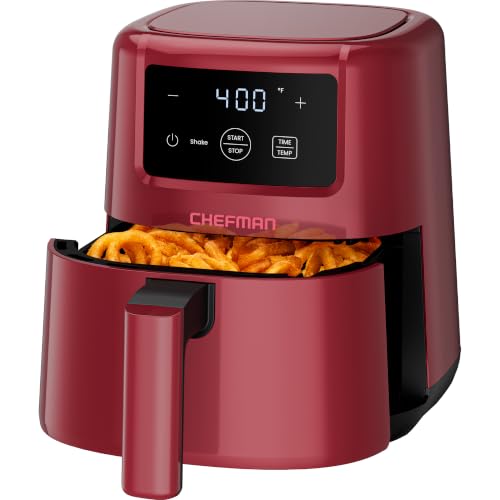

Quick Answer: The Three Types That Fit Most Senior Homes
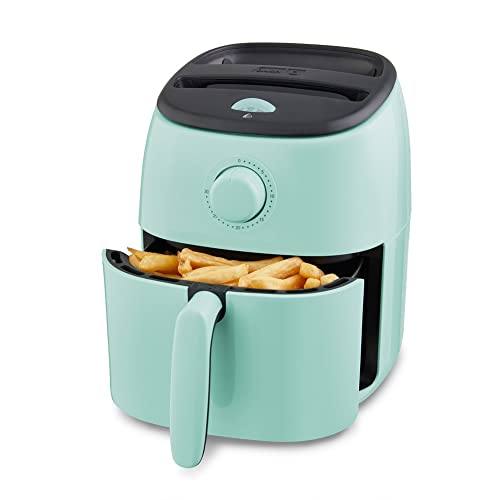
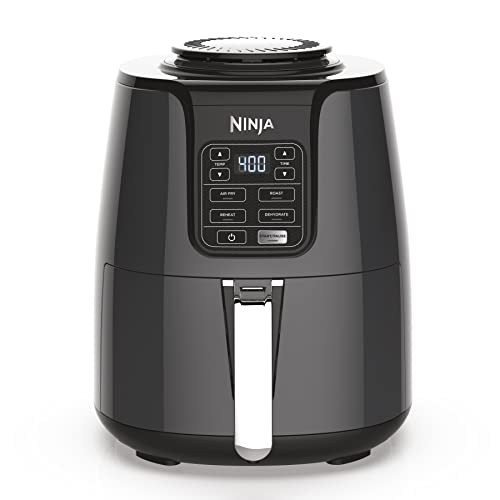
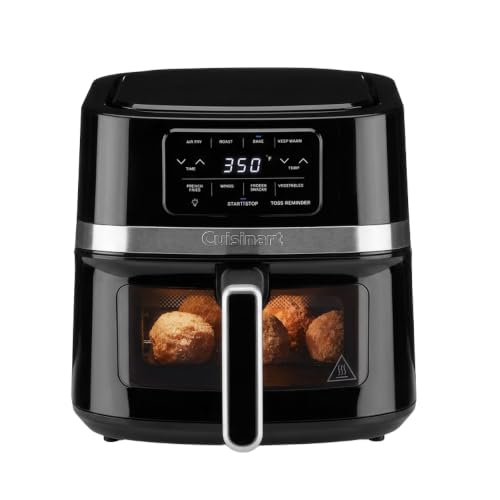
For one or two people, a compact basket model in the 2 to 4 quart range covers most meals without crowding the counter. Couples who cook for visiting family do better with a 4 to 6 quart basket with a simple dial or a few large buttons. If lifting a loaded basket sounds hard, an oven style model with a rack and a door lets you slide food in and out at counter height instead.
Before You Buy: A Quick Checklist for Seniors
Start with your hands, your eyes, and your counter, in that order. Capacity and fancy extras matter far less than a handle you can grip with confidence and a display you can read without leaning in close.
Size: Match It to Your Space and Household
Capacity drives both portion size and weight, and weight matters more as the basket fills with food. A 2 to 4 quart model suits one or two people and keeps the loaded basket light. Our guide to the best small air fryer covers that end of the range. A 5 to 6 quart model feeds three or four, but consider lifting it full before you commit.
Which Type Fits Your Routine
Basket models are the simplest to learn, with one drawer and few parts to wash. Oven style models add racks and a door, which helps if pulling a drawer toward you feels awkward, though they bring more surfaces to clean. Dual basket models cook a main dish and a side at once, a help for couples, but the extra controls can confuse a simple routine. Glass and ceramic coated options appeal if you prefer to limit plastic contact with hot food.
Features Worth Paying For and Ones to Skip
Pay for a large, bright display, clear labels, and a shake reminder that beeps loudly enough to hear over the television. A viewing window helps you check browning without opening the basket and losing heat. If material choice matters to you, our guide to the best non toxic air fryer explains coating options. Skip rotisserie spits, dehydrator trays, and long preset lists you will never touch, since each extra adds cost and cleaning time.
Wattage, Power and Energy Use
Most countertop models draw about 1200 to 1800 watts, close to what a toaster oven uses, and they cook small portions faster than a full size oven heating a large empty cavity. That speed is where the savings show up for one or two servings. Check that your kitchen circuit is not already loaded with a kettle or microwave on the same run. Higher wattage mainly means faster preheating, not better food.
Safety Features and Certifications
Look for a UL or ETL listing on the label, which means the model met a recognized safety standard for home appliances in the United States. Automatic shut off when the basket opens, a stable base that does not slide as you pull the drawer, and sides that stay cool to the touch all reduce risk during a distracted moment. If a cord feels loose in the outlet or the unit rocks on its feet, choose a different model.
Counter Space and Dimensions
Measure the space under your upper cabinets before you shop, and leave a few inches behind and above the unit for hot air to escape while it runs. Tall oven style models often fail this test in older kitchens with low cabinets. Also check the depth with the basket fully open, since a pulled drawer needs room plus your own standing space. A model dragged out from under a cabinet for every use will soon stop being used at all.
Realistic Budget Ranges
Expect to pay about $50 to $100 for a simple compact basket model with basic controls, enough for most one or two person homes. About $100 to $200 adds larger capacity, a window, quieter operation, and sturdier parts. Above about $200 you are mostly paying for oven style designs, dual baskets, or glass construction. Spend on the control layout and basket weight first, because those decide whether the appliance earns its counter space.
Types Compared: Choosing Without Lifting More Than You Need
The three types below cover nearly every senior household. Read them by routine and lifting comfort rather than by brand.
Compact Basket Models for One or Two People
A compact basket model reheats a single portion, roasts vegetables for two, and handles frozen foods without firing up the oven. The drawer and crisper plate are usually light, and many plates go into the dishwasher. Controls stay basic, often one dial for time and one for temperature, which suits anyone who dislikes menus on a screen. The limit is batch size, so a whole chicken belongs in a different appliance.
Mid Size Basket Models for Couples and Visiting Family
A 4 to 6 quart basket gives you room for two chicken breasts with vegetables around them, or a larger batch when grandchildren visit. You gain flexibility but also a heavier drawer, so look for a wide handle with room for your fingers. Wide, shallow shapes are easier to load and check than deep, narrow ones of the same capacity. If two people eat different foods, cook in two quick rounds rather than wrestling with a complex dual basket setup.
Oven Style and Glass Models for a Clear View
Oven style models replace the drawer with a door and racks, so food goes in at counter height and you can watch it brown through the glass. That layout suits anyone whose wrists dislike lifting a full basket. Our guide to the best glass air fryer covers see through basket designs with the same benefit. The trade off is cleaning, since racks, drip trays, and door glass each need attention after greasy foods.
Our Selection Process
We judged types on capacity, cooking performance, ease of use, cleaning effort, noise, safety features, and warranty support, using manufacturer specifications and patterns in verified buyer feedback. Ease of use carried extra weight here, because a model that frustrates you on a tired evening fails its main job. A short list of controls done well counts for more than a long list done poorly.
Living With It: What Really Matters Day to Day
Daily comfort starts with placement. Put the unit where you can see the display straight on and reach the handle without stretching over a hot surface, rather than storing it in a low cupboard. If you are new to the method, our walkthrough on how to use an air fryer covers first meals and timing. Start with forgiving foods like frozen vegetables while you learn how your model browns.
Sound and light cues shape the routine more than most buyers expect. Choose a model whose beep you can hear with the television on, and whose display stays readable in bright morning light. For hands with arthritis, a handle you can hook with your fingers beats a slim grip you must squeeze. Talk with your clinician about personal dietary needs, such as limits on salt or fat, before you change how you cook regular meals.
Common Mistakes to Avoid
- Buying the largest capacity on sale, then avoiding the appliance because the full basket is too heavy to lift safely.
- Choosing tiny touch controls you cannot read without glasses, so every meal starts with squinting and wrong settings.
- Pushing the unit flush against the wall, which traps hot air and can damage cabinets or the cord over time.
- Skipping the manual and missing how the automatic shut off and shake alert work, the two features that prevent most burnt meals.
- Paying for rotisserie and dehydrator extras you will never use, while settling for a flimsy handle you will use daily.
Cost of Ownership and Care
Running costs stay modest, since short cooking times for small portions use less electricity than heating a full oven. Budget instead for small extras, such as parchment liners if you like them or a replacement basket when the coating wears. Wash the basket and plate after each use while they are still warm. Our full routine for how to clean an air fryer explains how to handle baked on grease without harsh scrubbing that tires your hands.
Store the cord loosely coiled, and keep the basket dry before you slide it back in, because trapped moisture dulls the coating. Check the cord and plug now and then for damage, and stop using the appliance if either looks worn. With that light care, the fan and heating element usually outlast the non stick surface, which sets the practical lifespan of most models.
Your Questions, Answered
What should I look for first in an air fryer for seniors?
Start with the handle and the display, before capacity or price. Visit a store if you can and lift the empty basket, open and close the drawer, and read the controls from a normal standing distance. One point buyers miss is the return window. Buy from a seller whose return policy gives you a few home meals to decide, because comfort with the weight only becomes clear once the basket holds real food.
How do you clean an air fryer?
Let the basket cool until you can hold it safely, then soak the basket and crisper plate in warm soapy water for about ten minutes so residue loosens without hard scrubbing. Wipe the interior and the heating area with a damp cloth once fully cool, and never immerse the main unit. One extra habit helps seniors most. Set the clean, dry parts back in the unit right away, so nothing gets stored in a high or low spot you must reach for later.
Is an air fryer worth it for a senior living alone?
For many single households, yes, mainly because it reheats small portions with a crisp texture the microwave cannot match, without heating a full oven for one serving. It also cooks frozen foods straight from the freezer, which cuts planning on low energy days. It is less worthwhile if you mostly cook soups or stews, since a pot or microwave already handles those well.
How long does an air fryer last?
Most well cared for models serve about three to five years of regular use before the basket coating shows real wear. Replace the appliance sooner if the cord frays, the fan rattles, or the coating peels, because peeling surfaces and damaged cords are safety issues rather than cosmetic ones. Keeping a note of the purchase date helps you judge the warranty if a fault appears early.
What is the best air fryer for seniors with a small kitchen?
In a small kitchen, the strongest choice is usually a compact 2 to 4 quart basket model with front facing controls and a footprint that leaves vent space behind it. Measure with the drawer open, not just the closed box, because the open drawer is the space you truly need at cooking time. If even that feels tight, consider whether a model you must store away will get used at all. A smaller unit left out beats a larger one hidden in a cupboard.
Final Thoughts
The product table above pulls the main choices together, so compare types there against your counter space and lifting comfort before you order. If you take one idea from this guide, let it be this. The best air fryer for seniors is the one whose basket you can lift full, whose controls you can read without effort, and whose size matches the meals you actually cook. Choose that model, and it will earn its place on your counter every week.