Best Air Fryer for RV (2026): Size, Features and Buying Tips
Disclosure: We may earn a commission when you buy through links on this page, at no extra cost to you. As an Amazon Associate I earn from qualifying purchases. Learn more

What matters when choosing the best air fryer for rv: size, features, budget and the mistakes to avoid.
Dinner in an RV often means cooking in a galley with one short stretch of counter, a tiny sink, and a power supply that changes at every stop. A bulky appliance that trips the breaker or blocks your only prep surface earns its storage space fast, and not in a good way. The best air fryer for rv life is the one that matches your wattage limit, your crew size, and the cabinet it will live in between trips.
This guide walks you through sizing, power draw, types, and storage so you can choose with confidence. The comparison table below sums up the main types at a glance.
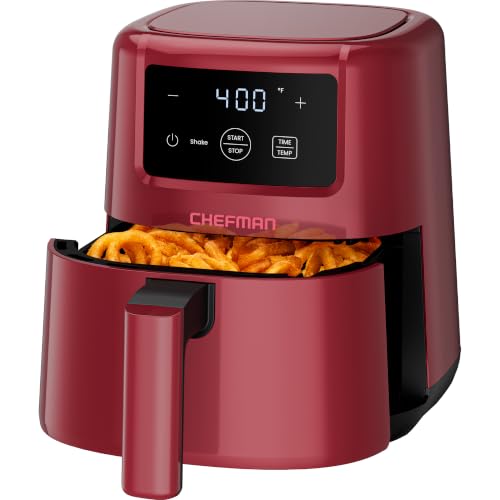
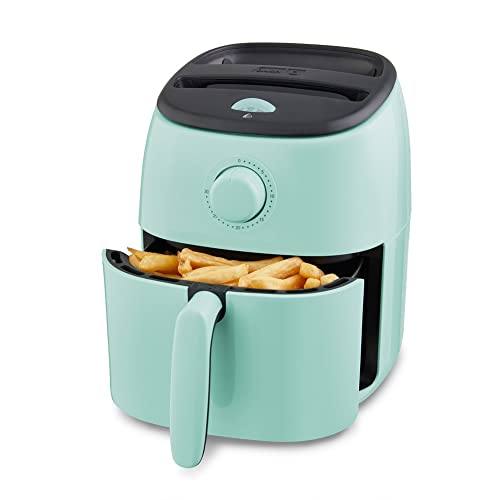


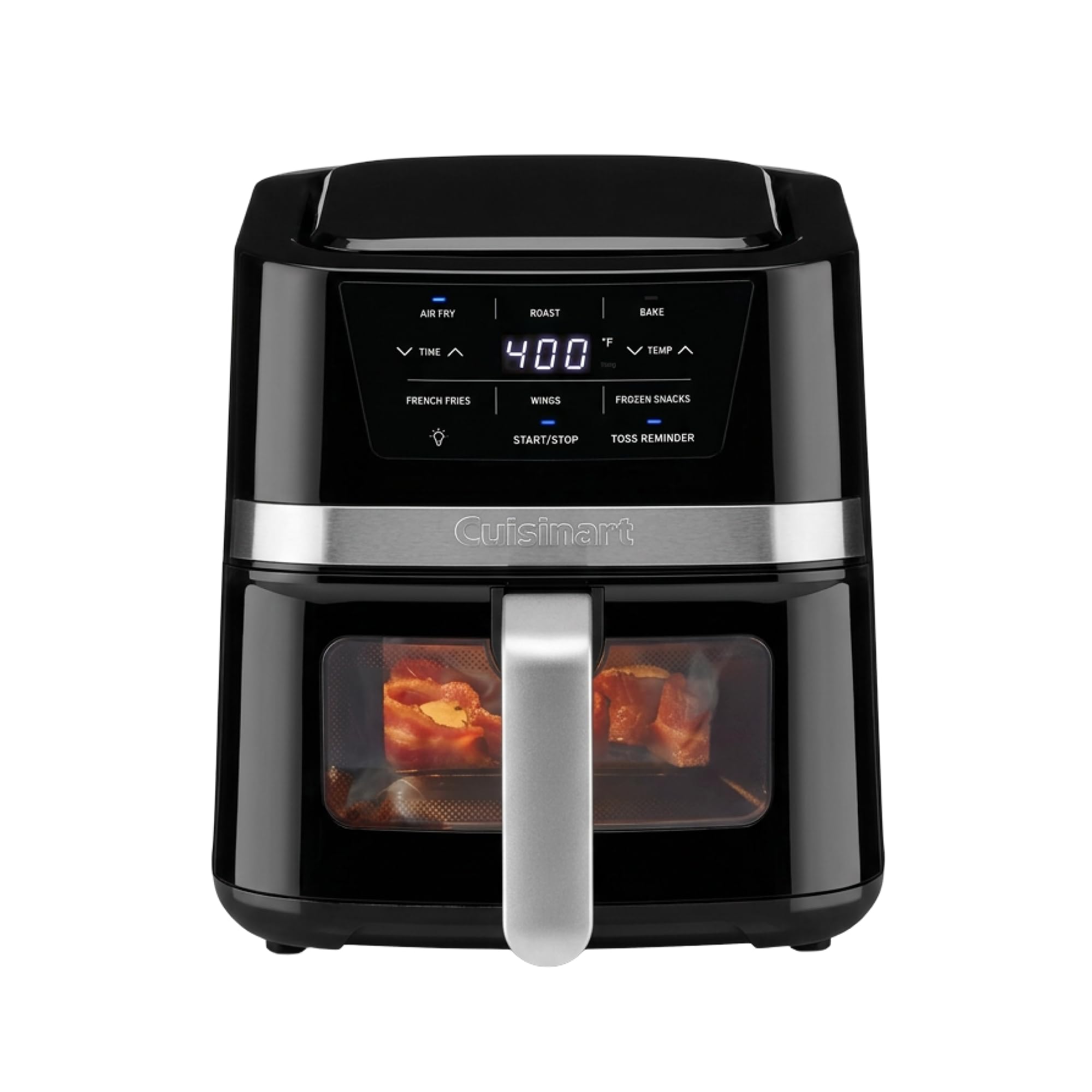


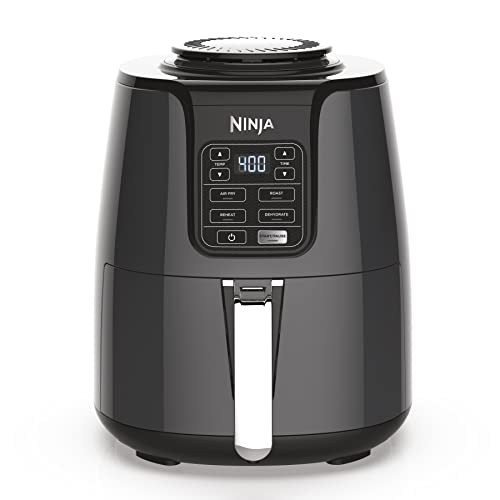
Quick Answer: The Types That Work Best on the Road
For most RV cooks, the best air fryer for rv use is a compact single basket model in the 2 to 4 quart range. It cooks dinner for one or two people, draws less power than a full size oven style unit, and slides into a cabinet for travel days. Larger crews at full hookup sites can consider a bigger basket, but only after checking wattage and storage with real measurements.
Before You Buy: A Quick Checklist for Choosing an Air Fryer for RV Use
An RV is not a small house kitchen, so work through the factors below in order. A model that fails on power or storage will disappoint no matter how well it cooks.
Size: Match It to Your Space and Your Crew
Capacity drives everything else, since a bigger basket means a bigger body, more weight, and more storage room lost. A 2 quart model handles snacks and sides for one person, while 4 quart versions cook a full meal for two without crowding the food. Models at 5 to 6 quarts suit families but often claim the whole counter and a tall cabinet shelf. Eight and 10 quart units rarely make sense unless you have a large fifth wheel. Match capacity to the meals you cook most nights, not the biggest group you host once a season.
Which Type Fits Your Routine
Basket models are the default choice for RVs because they are light, simple, and easy to store upright in a cabinet. Dual basket models cook a main dish and a side at once, but the wider body and higher wattage strain small galleys. Oven style units toast and bake like a countertop oven, yet they vent more heat and need more clearance. Glass basket designs make it easy to watch food cook and avoid coatings, and our guide to the best non toxic air fryer options explains the material tradeoffs. Rotisserie models add bulk that seldom pays off in a rig that moves weekly.
Features Worth It and Ones to Skip
A clear window and an interior light help you check browning without pulling the basket out and dumping heat, which matters when cooking time is limited by battery charge. A shake reminder is useful for fries and wings, and simple controls you can read in bright daylight beat complex preset menus. Skip dehydrator modes, rotisserie spits, and app controls you will rarely open at a campsite. Extra racks often end up loose in a drawer, rattling on rough roads.
Wattage, Power and Energy Use
Wattage is the deciding factor in an RV, so read the rating plate before anything else. Many compact models draw about 900 to 1200 watts, while large units can pull 1700 watts or more, enough to trip a 15 amp circuit when the water heater or microwave runs at the same time. On shore power you have more headroom, but an inverter drains a battery bank fast at these loads. Cook one high draw appliance at a time, and favor smaller models if you dry camp often.
Safety Features and Certifications
Look for a UL or ETL listing on the label, which shows the appliance met recognized electrical safety standards for the US market. Automatic shutoff when the basket opens and when cooking ends matters more in an RV, where a bump can shift the unit on the counter. Cool touch sides and rubber feet reduce burn and sliding risks. Keep the fryer away from curtains and paper towels, and never leave it cooking while you are outside the rig or asleep.
Counter Space and Dimensions
Measure your counter depth and the cabinet where the fryer will travel, then compare those numbers with the product dimensions including the handle and rear vent. You need open space behind and above the unit while it runs, because the exhaust pushes out hot air that can damage cabinets. If counter space is scarce, look at our roundup of the best small air fryer models and note their footprints. A model that fits the cabinet but not the counter will frustrate you daily.
Realistic Budget Ranges
Compact models under $50 usually cover basic baskets with dial controls and modest capacity, enough for many solo travelers. Spending about $50 to $100 adds better temperature control and sturdier baskets that clean up faster. The about $100 to $150 tier brings larger capacity, windows, and quieter fans, while models near $200 add dual baskets or oven functions most RV cooks do not need. Spend on the right size and wattage first.
Types Compared: Basket, Dual Basket and Oven Style Options
Instead of chasing a single winner, compare the three main types against your travel style, your space, and your power budget.
Compact Single Basket Models for Most Rigs
Start here if you cook for one or two people and move often. The body stores in a cabinet, the basket doubles as a serving dish at a picnic table, and the lower wattage suits both shore power and a midsize inverter. The limits are manageable: you cook in batches for guests, and wide foods like a whole small chicken may not fit. For travelers weighing formats for a house kitchen too, our guide to the best air fryer styles gives the broader picture.
Dual Basket Models for Bigger Crews at Hookup Sites
Two baskets cooking at different temperatures solve the classic problem of fries going cold while chicken finishes. That convenience comes with a wide body that can swallow your whole prep area and a power draw that demands a solid campground hookup. Choose this type only if you travel with three or more people, cook most meals inside, and have a fixed counter spot where the unit can live full time.
Oven Style Models for Toasting and Baking Fans
Oven style units handle toast, small pizzas, and meals that baskets cannot, and they replace a toaster oven you might otherwise carry. The tradeoff is size, heat output, and longer preheat times that use more of your power budget. Our comparison of air fryer vs convection oven cooking explains where each format shines. In a small RV, pick this type only when baking is central to how you eat, and confirm the door swing clears your cabinets.
How We Judge Models for RV Life
Our selection process weighs capacity against footprint, cooking performance at modest wattage, and how easy a model is to clean with limited water. We also factor in noise, plus safety listings and warranty length. Judgments draw on manufacturer specifications and patterns in verified buyer feedback from RV owners.
Living With It: What Really Matters Day to Day
Heat is the first surprise, because an air fryer warms a small cabin fast on a summer evening. Cook earlier in the day, run the roof vent fan, or take the unit outside to a picnic table when the site allows it. Smells linger longer in an RV than in a house, so fatty foods are better cooked outdoors.
Securing the fryer for travel matters just as much as cooking with it. Store it low in a cabinet with the basket latched, pad it with a towel so it cannot slide, and never leave it on the counter while driving, since one hard stop can send it to the floor. Let it cool fully before you stow it, and empty crumbs so they do not attract ants or mice.
Common Buying Mistakes to Avoid
- Buying by capacity alone and discovering the body fits no cabinet, which forces you to store it on the bed or in the shower.
- Ignoring the wattage rating and tripping breakers every time another appliance runs, which can also stress an inverter.
- Choosing a dual basket or oven style model for two people, so you pay in space and power for capacity you never fill.
- Forgetting to measure door swing and vent clearance, leaving the unit too close to cabinets that heat and discolor.
- Leaving the fryer on the counter while driving, which risks a fall that cracks the basket across the floor.
Cost of Ownership and Care
Running costs are mostly electricity, and a compact model cooking for 20 minutes uses far less energy than heating a full RV oven for the same meal. A washable silicone liner pays for itself over a season and cuts waste from disposable liners. Replace a basket when its coating peels or the latch loosens, since both problems only get worse with travel vibration.
Cleaning needs to suit life with a small sink and limited fresh water. Let the basket cool, wipe out grease with a paper towel first, then wash with hot soapy water so you are not filling the gray tank with greasy rinse water. For the full routine, follow the steps in how to clean an air fryer and adapt the soak time to your tank capacity. Dry every part before stowing it in a closed cabinet.
Your Questions, Answered
What size air fryer suits a couple traveling in a Class C motorhome?
A 3 to 4 quart basket model is the practical pick for two people in a Class C. It cooks two chicken breasts or a batch of vegetables in one load, yet still fits a standard overhead cabinet in most rigs. Going smaller forces two rounds of cooking, while going larger mostly adds storage headaches.
Can you run an air fryer on an inverter and house batteries?
Yes, if your inverter is sized for the load and your battery bank can spare the charge. A 1000 watt fryer running for 15 minutes uses a meaningful share of a small lithium bank, and lead acid banks deliver less usable capacity than their labels suggest. Run the engine or a generator for longer cooks, or save air frying for shore power days.
Where should an air fryer sit while it cooks inside an RV?
Place it on a stable heat resistant surface with open space behind the exhaust vent and nothing flammable nearby. The stovetop with the burners off and cold is a common choice, since the surface tolerates heat and the range hood vent sits right above it. Keep it out of walkways where a passing elbow can knock it, and stay inside the rig while it runs.
Is an air fryer worth carrying if you already have a microwave and a stove?
For many RV cooks it is, because it crisps and roasts in a way a microwave cannot and heats the cabin far less than the oven. It also revives leftover pizza and fries better than any other appliance in a typical galley. If you cook fresh meals most nights, the fryer earns its spot, but if you mostly reheat, the microwave alone may cover you. New users can start with the basics in how to use an air fryer before deciding.
How long does an air fryer usually last in RV use?
Expect several years of regular use from a well kept model, with the basket coating usually wearing out before the motor or controls do. Travel vibration is the extra stress a house unit never faces, so padded storage extends its life noticeably. Fans that grow loud or a basket that stops latching are early signs that replacement is near.
Final Thoughts
Choosing well for RV life comes down to three checks: the wattage your electrical system can feed, the cabinet the unit must fit, and the crew you cook for most nights. Get those right and the best air fryer for rv travel becomes the appliance you reach for daily. Use the product table above to compare the types side by side, then order the size that fits your rig rather than the largest basket on sale.