
Best Air Force Watches for 2026: Which One Fits the Way You Use It?
Disclosure: We may earn a commission when you buy through links on this page, at no extra cost to you. As an Amazon Associate I earn from qualifying purchases. Learn more
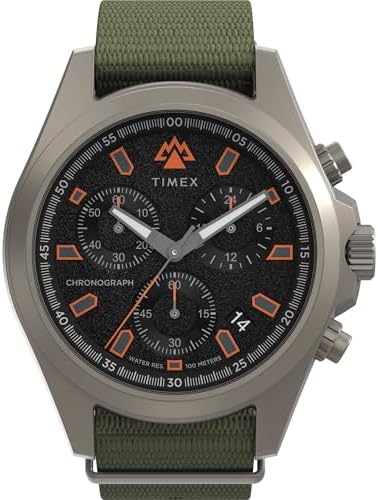
The best air force watches compared by movement, water resistance, strap and case for every wrist and budget.
There is no single watch that suits every wrist, every job, and every budget. A pilot who tracks a second time zone needs different tools than a trainee who needs a loud alarm and a tough case. Buying by use case first saves you money and regret.
This guide matches the best air force watches to the way people actually wear them. You will sort yourself into a buyer type, learn the four features that matter most, and see the mistakes that lead to returns. Start with the comparison table below, then read the section that sounds most like you.


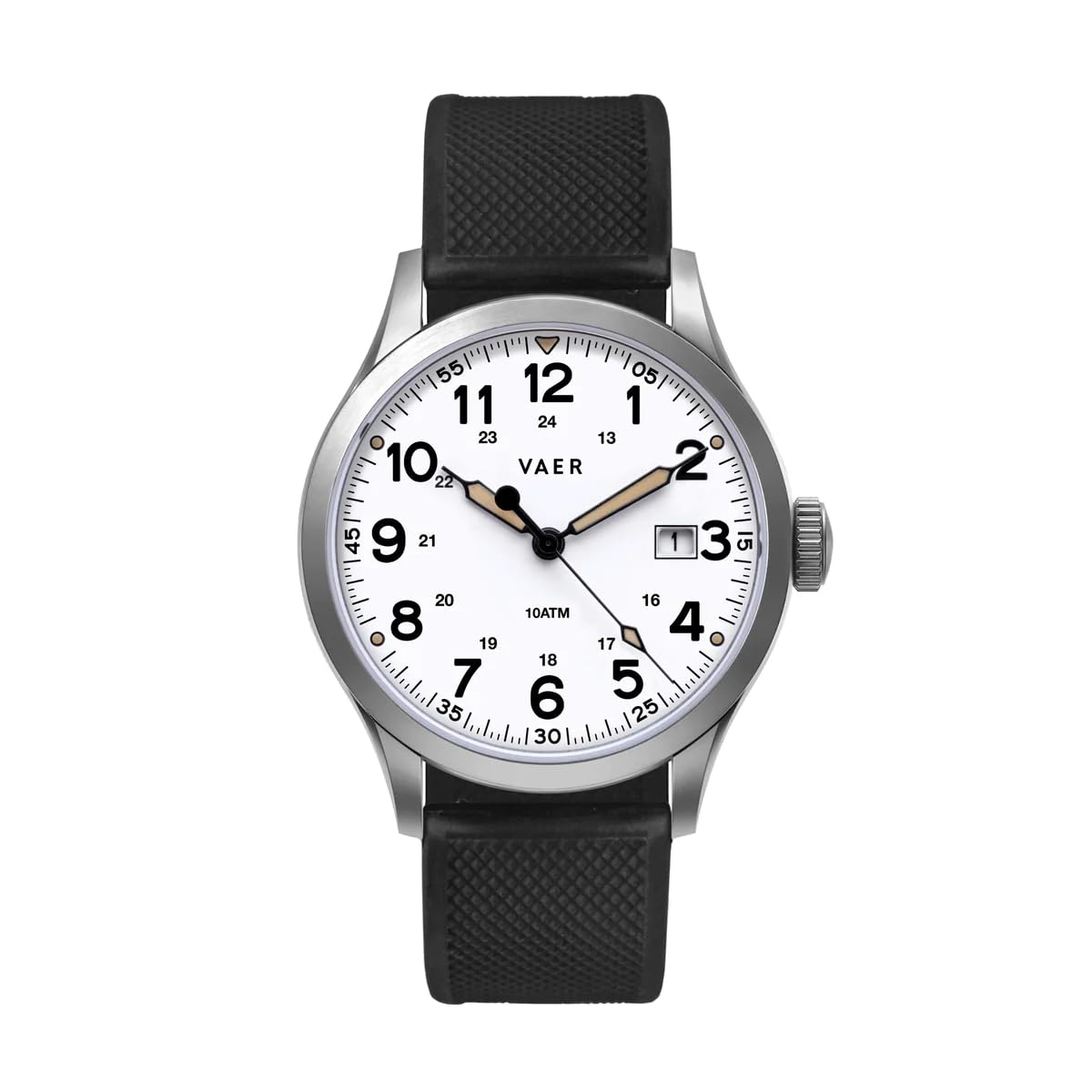

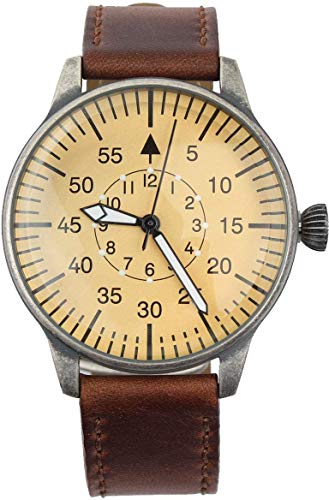
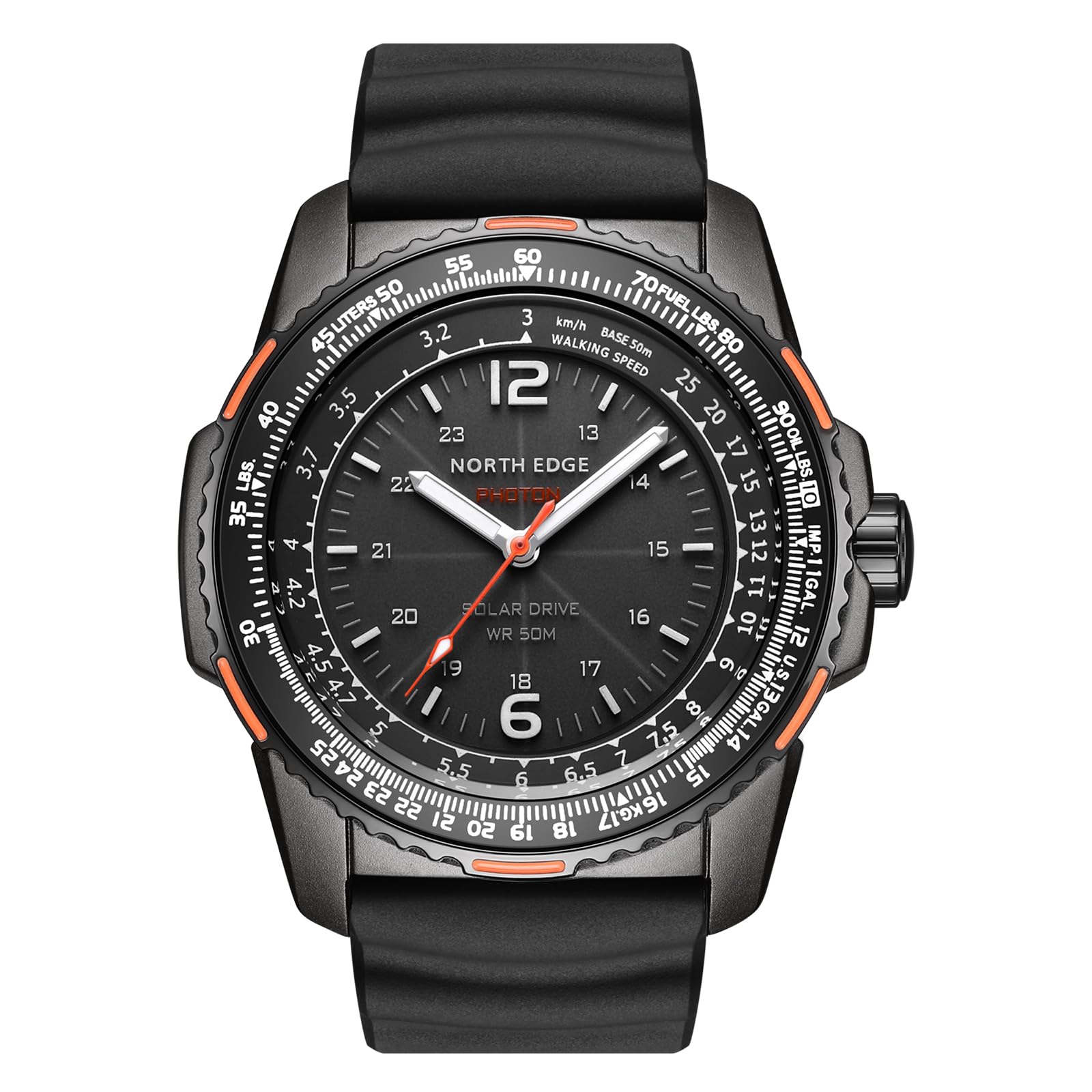
Who Should Buy Which Air Force Watches?
Start with your daily routine, not with a feature list. Think about where the watch will spend its hours, what it will bump into, and which functions you will use weekly rather than once. The four profiles below cover most buyers, and each one points to a different balance of movement, size, and price.
For First Time Buyers
Your first watch in this style should be simple, reliable, and easy to read at a glance. Choose a quartz movement for accuracy with almost no upkeep, a clear dial with large numerals, and a case around 38 to 42 mm that suits most wrists. A plain nylon or silicone strap keeps the cost sensible and the fit comfortable.
Skip extra dials and smart features for now. You are learning what you like on your wrist, and a basic model teaches you that for under about $100. If you are heading into service, our guide to the best watches for air force basic training covers the stricter rules that apply during training weeks.
For Value Seekers
Value means durability per dollar, not the lowest price on the page. Look for a mineral or sapphire crystal, a case with real water resistance of 100 m or more, and a strap you can replace cheaply when it wears out. These three points protect your money better than a long list of decorative features.
The sweet spot for most value buyers sits around $100 to $250. In that range you can expect solid build quality, decent lume for night reading, and a warranty of at least two years. Spend a little more on the crystal and case, and a little less on packaging and brand story.
For People Who Want the Best Performance
Performance buyers should focus on legibility, timing tools, and toughness under daily knocks. A second time zone hand or a rotating bezel earns its place if you travel or coordinate across regions. Sapphire crystal, a screw down crown, and strong lume are the upgrades that prove themselves in real use, not on a spec sheet.
Budgets here often run from about $300 to $800 or more, and the money should show in the movement quality and the case finishing. If your work runs closer to field operations, the styles in our guide to the best special forces watches overlap heavily with this profile and reward the same priorities.
For Gift Shoppers
A gift watch should be easy to wear, easy to size, and hard to get wrong. Choose a classic dial in a mid size case, a strap with plenty of adjustment holes or links, and a brand with a painless exchange policy. Neutral colors like black, steel, and dark blue pair with uniforms and civilian clothes alike.
Presentation helps, but service matters more. A watch with a clear warranty and a battery that lasts years will not embarrass you later. If the recipient serves on their feet all day, pairing the watch with our guide to the best air force boots makes a thoughtful, practical bundle.
Key Features to Compare
Four features decide how a watch behaves on your wrist every day. Movement type sets your upkeep and accuracy. Water resistance sets where you can wear it without worry. The strap sets comfort, and the crystal and case set how well it survives knocks. Compare these before you compare styling.
Movement Type (Quartz, Automatic, Solar, Smart)
Quartz movements run on a battery, keep excellent time, and ask almost nothing of you. They suit buyers who want to set the watch and forget it. Expect accuracy within seconds per month and a battery change every two to four years, which any jeweler can handle quickly and cheaply.
Automatic movements wind themselves from your wrist motion and appeal to buyers who enjoy mechanical craft, but they drift more and need servicing every five to seven years. Solar models charge from light and remove battery changes almost entirely. Smart models add fitness and notifications, yet need charging every few days and may face limits in secure workplaces.
Water Resistance Rating
Water resistance numbers describe pressure in a lab test, not a safe swimming depth, so read them with care. A 30 m rating survives splashes and rain only. A 100 m rating handles swimming and showering with confidence. A 200 m rating adds real margin for diving and for years of seal wear.
For daily duty wear, 100 m is the practical floor we suggest. Check that the crown pushes or screws down fully before any swim, and never press buttons underwater unless the maker rates the watch for it. Heat from showers and saunas ages seals faster than water does, so rinse and dry the watch after wet use.
Strap and Bracelet Options
The strap decides comfort more than any other part. Nylon straps in the NATO style are light, washable, and cheap to replace, and they stay secure if one spring bar fails. Silicone suits training and hot climates because it shrugs off sweat. Leather looks sharp off duty but hates water and needs rest days between wears.
Metal bracelets add weight and polish, and they last for years with basic care. Whatever you choose, quick release spring bars are worth looking for, since they let you swap straps in seconds with no tools. Keep a spare strap in your kit bag, because straps fail more often than movements do.
Crystal and Case Materials
Sapphire crystal resists scratches better than any other common option and stays clear for years. Mineral crystal costs less and tolerates hard knocks slightly better, but it will collect marks over time. If your watch will share space with tools, keys, and kit, sapphire is the upgrade that shows its value daily.
For cases, stainless steel in the 316L grade is the durable default, resisting rust and sweat well. Titanium weighs much less and suits buyers who find steel heavy by evening, though it marks more easily. Resin cases cost the least and absorb shocks brilliantly, which is why they remain popular for training and field use.
Common Mistakes to Avoid When Buying Air Force Watches
Most returns in this category trace back to a handful of avoidable errors. Read this list before you order, and you will sidestep nearly all of them.
- Buying on price alone and ending up with a case and crystal that mark within a month.
- Ignoring movement type, then resenting battery changes, servicing costs, or daily charging.
- Choosing a case that is too large or too small for your wrist, so the watch slides or digs in.
- Trusting a 30 m water rating for swimming, which it was never built to handle.
- Skipping the warranty terms, especially what they cover for the crown and seals.
Care and Maintenance Tips
Basic care keeps a good watch accurate and tidy for years. Rinse the case and strap with fresh water after any saltwater exposure, then dry it with a soft cloth. Salt and grit work into crowns and spring bars, and a thirty second rinse prevents most of that slow damage.
Store your watch away from strong magnets, which can disturb both quartz and mechanical movements. Keep leather straps out of prolonged sun and rotate them if you own two. If you own an automatic, budget for a service every five to seven years, and treat a sudden change in accuracy as a prompt to book one sooner.
Air Force Watches: Your Questions Answered
Is a smartwatch worth it over a classic watch?
A smartwatch is worth it if you will use its fitness tracking, timers, and notifications every day. It gives you alarms, a stopwatch, and health data in one device. The trade offs are charging every few days, a screen that can be hard to read in bright sun, and rules that may ban connected devices in some workplaces. If your needs are time, durability, and a second time zone, a classic watch does that job with far less fuss.
Quartz or automatic: which is better?
Quartz is better for accuracy, low cost, and minimal upkeep, which suits most duty and daily wear. Automatic is better if you value mechanical craft and dislike battery changes, and you accept a service every five to seven years. Neither is fragile when built well. Choose quartz for a tool you ignore, and automatic for a watch you enjoy interacting with each morning as you set and wind it.
What case size fits my wrist?
Most wrists suit a case between 38 and 42 mm, measured across the case without the crown. Measure your wrist with a tape, then check that the lugs do not overhang the edges of your wrist when you try the watch on. Slim wrists under about 6.5 inches usually look best at 36 to 40 mm. Larger wrists can carry 42 to 44 mm, but thickness matters too, since a tall case catches on cuffs and kit.
How water resistant should a watch be?
For all round daily wear, choose at least 100 m of water resistance. That rating covers rain, hand washing, showers, and swimming without worry about normal splashes and brief immersion. Choose 200 m if you swim often, dive, or want seals with more margin as they age. Remember that ratings assume seals in good condition, so have them checked when the watch is serviced or the battery is changed.
How long does a watch battery last?
A typical quartz watch battery lasts about two to four years, depending on how often you use power hungry features like backlights, alarms, and chronographs. Solar models stretch that to a decade or more before the rechargeable cell tires. A watch that stops should get a prompt battery change, because a dead cell left inside for years can leak and damage the movement. Keep the receipt, since many shops date the new cell for you.
Final Thoughts
Match the watch to your routine first, then compare movement, water resistance, and fit within that profile. The comparison table above and the product table above will help you narrow the field quickly. Choose the best air force watches for the days you actually live, and the watch will feel right every time you check it.


