
Best Air Exercise Bike in 2026: Buying Guide for Home Training
Disclosure: We may earn a commission when you buy through links on this page, at no extra cost to you. As an Amazon Associate I earn from qualifying purchases. Learn more

The best air exercise bike pairs a sturdy frame with a big fan and a fitting seat. Compare drive, capacity and noise.
An air bike works unlike any other exercise bike because a large fan creates the resistance. Pedal harder and the fan spins faster, pushes more air, and gives you more work to push against. That simple idea hides real differences in frame strength, seat fit, drive feel, and noise, so choosing the best air exercise bike means matching those details to your body and training. The product table lists current options.
This guide walks through the three build styles you will meet, the features that change how a session feels, and the space and capacity numbers to check.
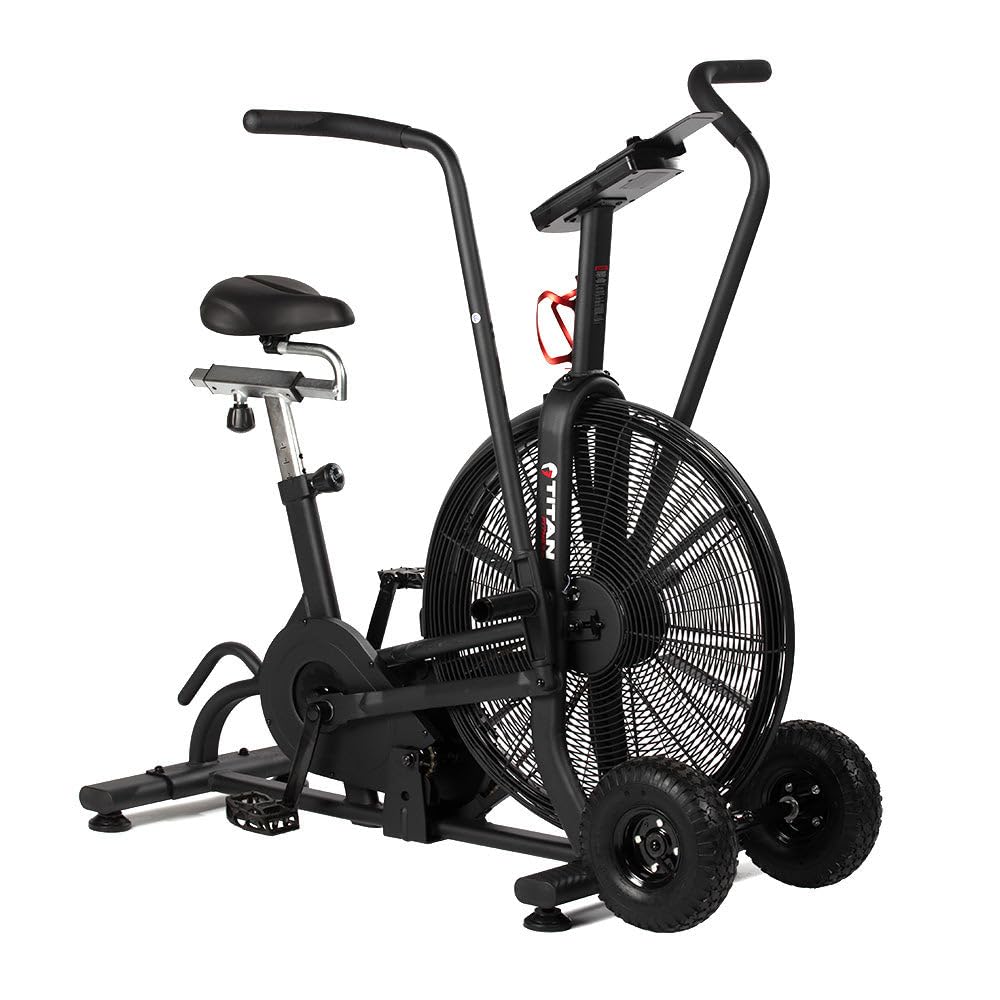
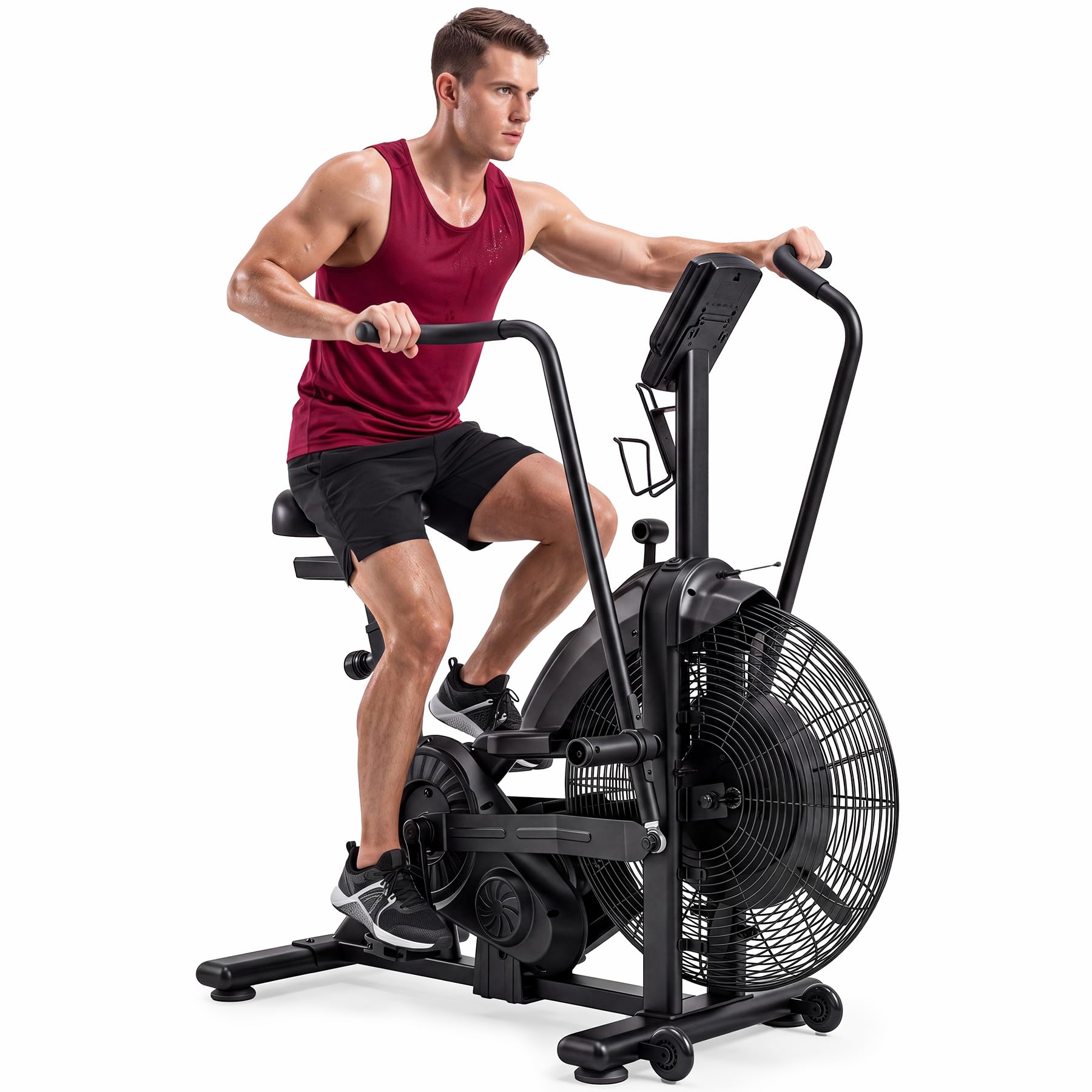
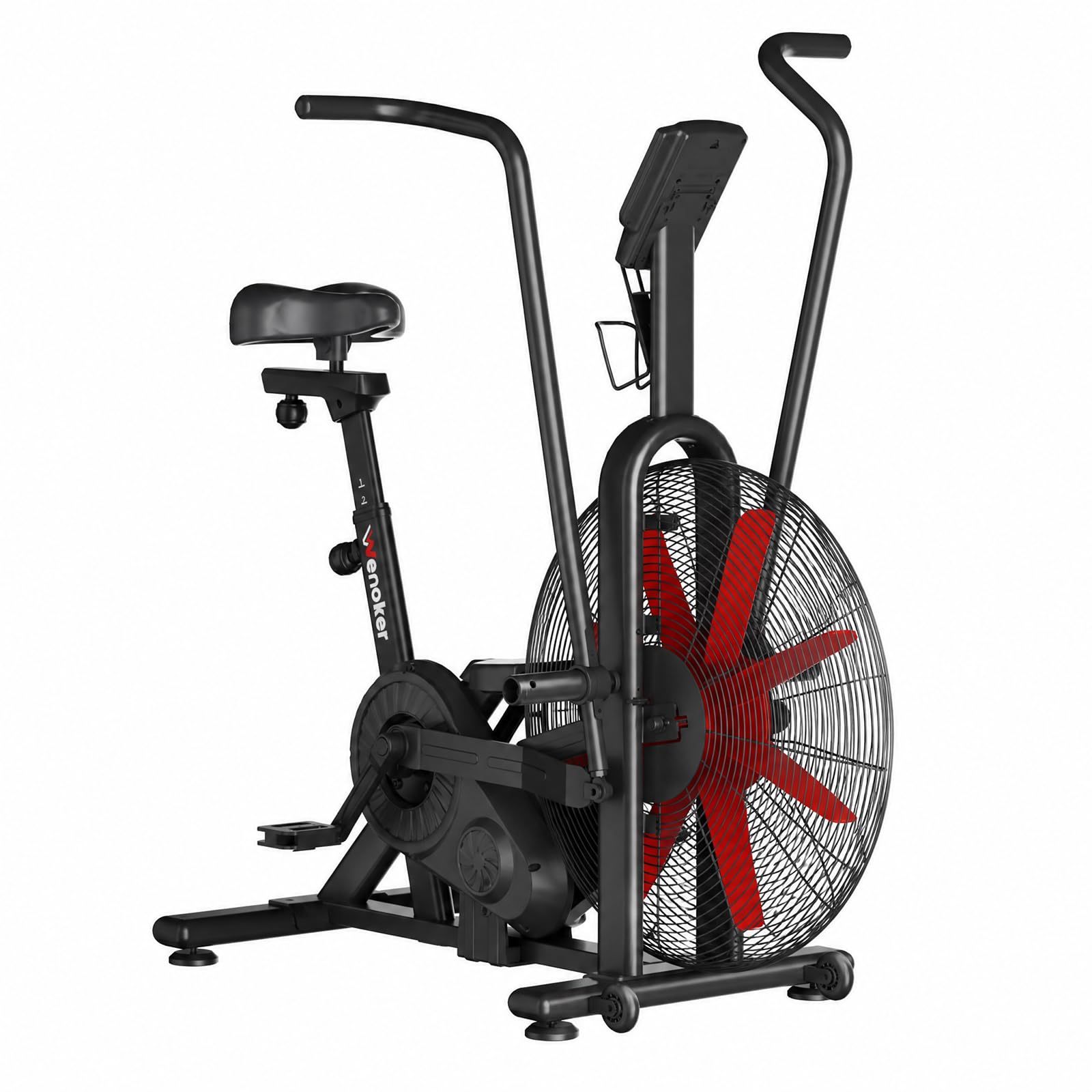


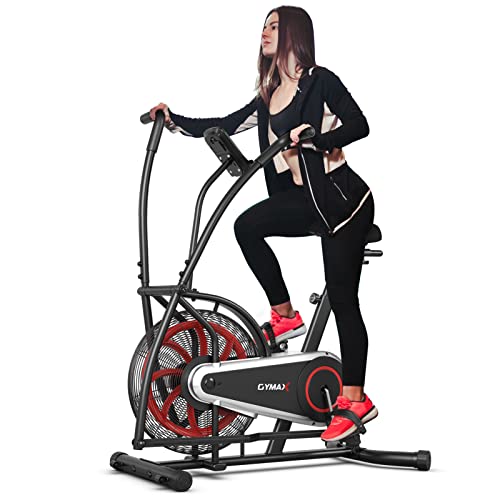


Air Bike Types at a Glance
Air bikes fall into three broad build styles, and the style tells you a lot about price and durability. Light home models use thinner steel and smaller fans, and they suit short sessions a few times a week. Heavy garage and gym style models use thick frames, large fans, and parts built for daily hard use. Between them sit sturdy home models that borrow the stronger frame and drive parts while keeping a smaller footprint and a lower price. None of these styles uses preset resistance levels, so the build, not the console, is the main thing separating one air bike from the next.
Who Should Buy an Air Exercise Bike?
Home Users Who Train Hard in Short Sessions
If your workouts are short and intense, an air bike fits you well because resistance rises the instant you push harder, with no dial to turn. Intervals of ten to thirty seconds feel natural, and the moving arms let your upper body share the work. If you are setting up a training corner at home, our guide to the best exercise bike for home covers room planning and flooring in more depth.
Heavier Riders Who Need a Strong Frame
A higher weight capacity usually signals a frame, crank, and pedal set built with more margin, and that margin matters if you ride hard. Look for a rated capacity well above your own weight, a wide base that stays planted during standing efforts, and pedals with solid straps. Riders close to a limit on a light frame often feel flex at the seat post long before anything actually fails.
People Who Want Simple, Screen Free Training
An air bike asks almost nothing of you before a session. There is no plug for the resistance system, no app login, and no subscription standing between you and a workout. You sit down, pedal, and watch a basic console show time, distance, and calories. If you want guided rides on other days, our piece on how to choose an exercise bike explains where smart bikes earn their extra cost.
Key Features to Compare
Fan Size and the Resistance Curve
The fan is the engine of an air bike. Larger fans, often around 25 inches across, move more air and build resistance smoothly as your cadence climbs, so hard efforts feel progressive rather than abrupt. Smaller fans can feel light at an easy pace and then spike quickly. Because the fan also throws air toward you, bigger fans give a welcome cooling breeze during hard intervals. With no numbered levels to compare, fan size and blade count are the honest clues to how resistance will behave.
Moving Arms and Upper Body Work
Most air bikes link the pedals to a pair of moving arms, so pushing and pulling with your hands adds power and raises the workload on your shoulders, back, and arms. This dual action is the main reason total energy burn runs higher than on a legs only bike at the same effort. Check that the grips feel solid and that the arms track straight without side play. Some models add fixed foot pegs at the front, letting you rest your feet and train arms only for short stretches.
Drive Type: Chain or Belt
A chain drive feels direct and familiar if you ride a road bike, and spare chains are cheap, but it needs oiling and tension checks and it runs louder. A belt drive runs smoother and quieter and asks for almost no upkeep, though a replacement belt costs more when it wears. Choose chain if you value easy home servicing, and belt if the bike will live inside the house where noise carries.
Seat Fit and Adjustability
Air bike seats are often wide and heavily padded because you sit upright and your weight stays on the saddle through hard efforts. Look for height adjustment with clear numbered stops and, ideally, forward and back movement so you can place your knees well over the pedals. A seat that only moves up and down can leave tall riders cramped and short riders reaching. Many models accept a standard bike saddle on the same post, an escape route if the stock seat never feels right.
Build Quality and Weight Capacity
Frame weight is a useful clue here. Heavier bikes, often 100 pounds or more once assembled, tend to stay still during sprints and standing pushes, while light frames can rock or walk across smooth floors. Rated capacities range from about 250 pounds on light home models to about 350 pounds or more on gym style builds. Check welds, stabilizer bar width, and whether the warranty covers the frame for at least five years.
Console and Workout Tracking
Consoles on air bikes stay basic by design. Expect time, distance, speed or watts, calories, and interval timers you can set for work and rest rounds. A heart rate display helps if you train by zones, and some consoles read a chest strap signal while others offer no heart rate input at all. Screens are small and usually run on batteries, which keeps the bike easy to move but means no video classes. If calorie targets drive your plan, our guide to the best exercise bike for weight loss shows how to use those numbers sensibly.
Space, Footprint, and Storage
Most air bikes occupy roughly 4 feet by 2 feet of floor, similar to an upright bike, but they stand taller because of the moving arms. Measure your ceiling if the bike goes in a basement, since your head rises as you stand on the pedals. Nearly all models roll on transport wheels at the front, so you lift the rear and wheel the bike aside. If the bike must vanish between sessions, our look at the best folding exercise bike covers models built to fold away.
Leave a clear zone around the fan cage, since curtains or blankets pressed against it can restrict airflow and add noise. A mat under the bike protects the floor from sweat and stops the frame creeping on hard surfaces.
Noise and Floor Protection
An air bike is the loudest type of exercise bike, and the noise is wind, not machinery. At an easy pace the fan hums softly, but at sprint effort the whoosh is loud enough that a television in the same room needs its volume raised. Belt drive models remove chain clatter, yet the fan sound remains. If you train early while others sleep, place the bike on a thick mat and close the door.
How Much Should You Spend?
Light home air bikes sell for about $500 to $800 and suit a few moderate sessions each week. Sturdy home models at about $800 to $1,200 bring stronger frames, belt drives on many models, and longer frame warranties. Gym grade builds at about $1,200 and above add the heaviest frames and parts rated for daily use by many riders. Spending more mainly buys durability and stability, since consoles stay simple at every price.
Air Bikes vs Other Exercise Bikes
Magnetic bikes are quiet, offer numbered resistance levels, and hold a steady workload at any cadence, which suits long steady rides and shared living spaces. Air bikes answer back with unlimited resistance that grows with your effort and with upper body work, which suits intervals and conditioning. Recumbent bikes support your back on a chair like seat, a better match if sitting upright hurts. For form basics across all of these types, see our guide on how to use an exercise bike.
Common Mistakes to Avoid
- Buying by price alone and ending up with a light frame that rocks during the hard intervals the bike was bought for.
- Ignoring the rated weight capacity, then riding daily near the limit and wearing the crank and pedals early.
- Assuming the bike will be quiet because a listing calls it smooth, when fan noise at sprint effort is unavoidable.
- Setting the seat too low, which overloads your knees and cuts the power you can give the fan.
- Skipping the warm up and jumping into sprints, a fast route to strained calves.
- Placing the fan cage against a wall, which starves the fan of air and makes the ride uneven.
How to Make Your Air Bike Last Longer
Wipe sweat off the frame, seat, and grips after each ride, because dried sweat corrodes paint and bolts over time. Dust builds up on fan blades and inside the cage, so vacuum the cage area every few weeks and wipe the blades with a damp cloth when airflow or noise changes. On a chain drive model, check chain tension monthly and add a drop of chain oil when the links look dry. Tighten pedal and arm bolts every few months, since the push and pull motion works them loose.
Store the bike indoors away from damp, and replace console batteries when the display fades so leaking cells never damage the contacts. If the bike starts to knock or grind, stop and check the fan cage for a loose object before riding again.
FAQ
Are air exercise bikes good for beginners?
Yes, because the resistance always matches your effort, so a gentle pace truly stays gentle and there is no wrong setting to pick. Start with five to ten minutes at a pace where you can still talk, and add a minute or two each week. The moving arms can tire your shoulders before your legs early on, so let your legs do most of the work at first.
Can you lose weight with an air exercise bike?
You can, as long as total weekly training time and your eating habits support the goal. The arms and legs working together raise energy use per minute, which helps shorter sessions count for more. A practical pattern is three or four sessions a week mixing steady riding with short hard bursts. Treat the console calorie figure as a rough guide rather than an exact count.
Do air exercise bikes need electricity?
No, the resistance system needs no power at all, since the fan creates the workload and your pedaling turns it. Only the console uses electricity, and on most models that comes from batteries you replace once or twice a year. Any corner of a room works, with no cord to route and no outlet to stay near, and the bike keeps working during a power cut.
Why does an air exercise bike feel harder than other bikes?
The workload rises steeply as you pedal faster, so a small increase in cadence demands a much larger increase in power. On a magnetic bike you can hold one set level all ride, but on an air bike every push to go faster is met by stronger resistance. That is why ten minutes can feel like plenty at first. Your body adapts within a few weeks, and pacing is the skill that makes sessions feel controlled.
Final Thoughts
Choose by frame first, then by drive and seat fit, and let the console rank last, because on an air bike the structure is what you feel every session. Match the build style to how often and how hard you ride, confirm the capacity leaves room above your weight, and plan for fan noise. Judged that way, the best air exercise bike is the one whose frame, fan, and fit disappear under you while you work. Recheck the product table above before you order.


