Best Air Conditioner Thermostat 2026: A Practical Buying Guide
Disclosure: We may earn a commission when you buy through links on this page, at no extra cost to you. As an Amazon Associate I earn from qualifying purchases. Learn more
The best air conditioner thermostat compared by compatibility, scheduling, sensors and smart features for steady, efficient cooling.
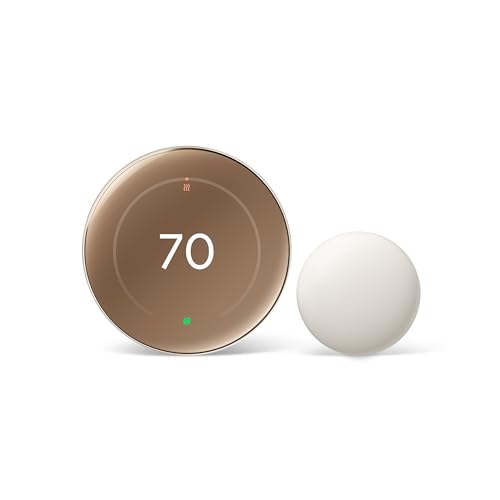
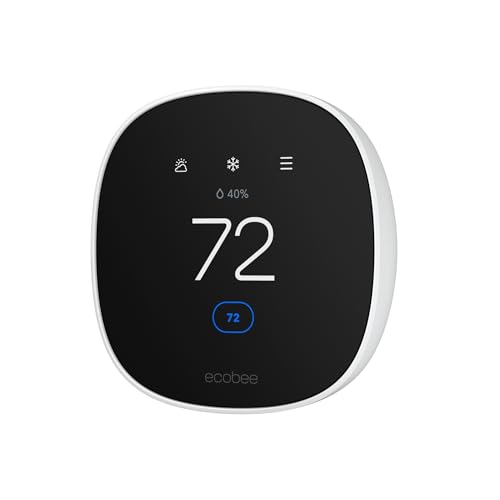
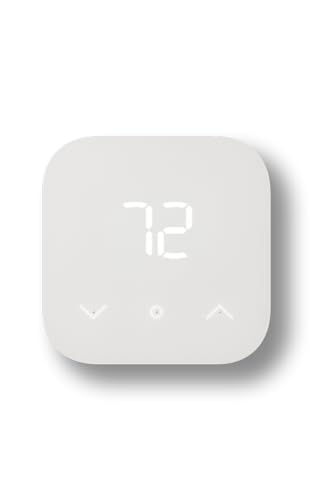
An air conditioner thermostat decides when your cooling runs, how long it runs and how even your rooms feel. Choosing the best air conditioner thermostat means checking that it works with your system, then weighing scheduling, sensors and smart features against your routine. The comparison table below gives a quick overview of options to shortlist.
A well placed, well matched thermostat beats a feature packed one in the wrong spot, so start with compatibility and wiring before you look at screens and apps.

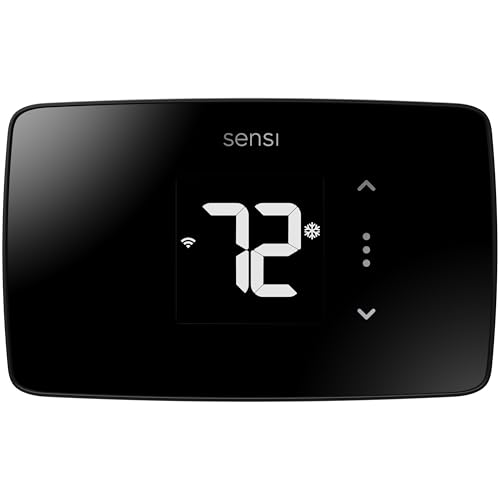


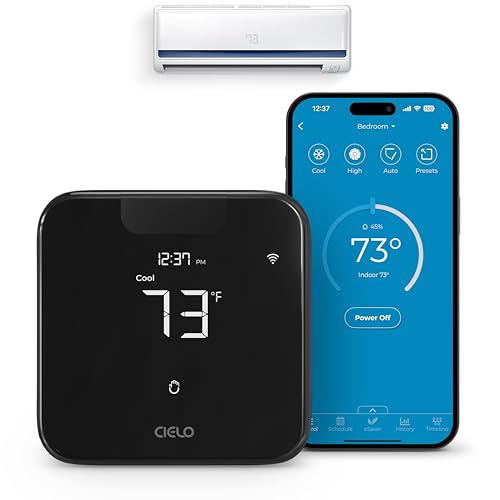

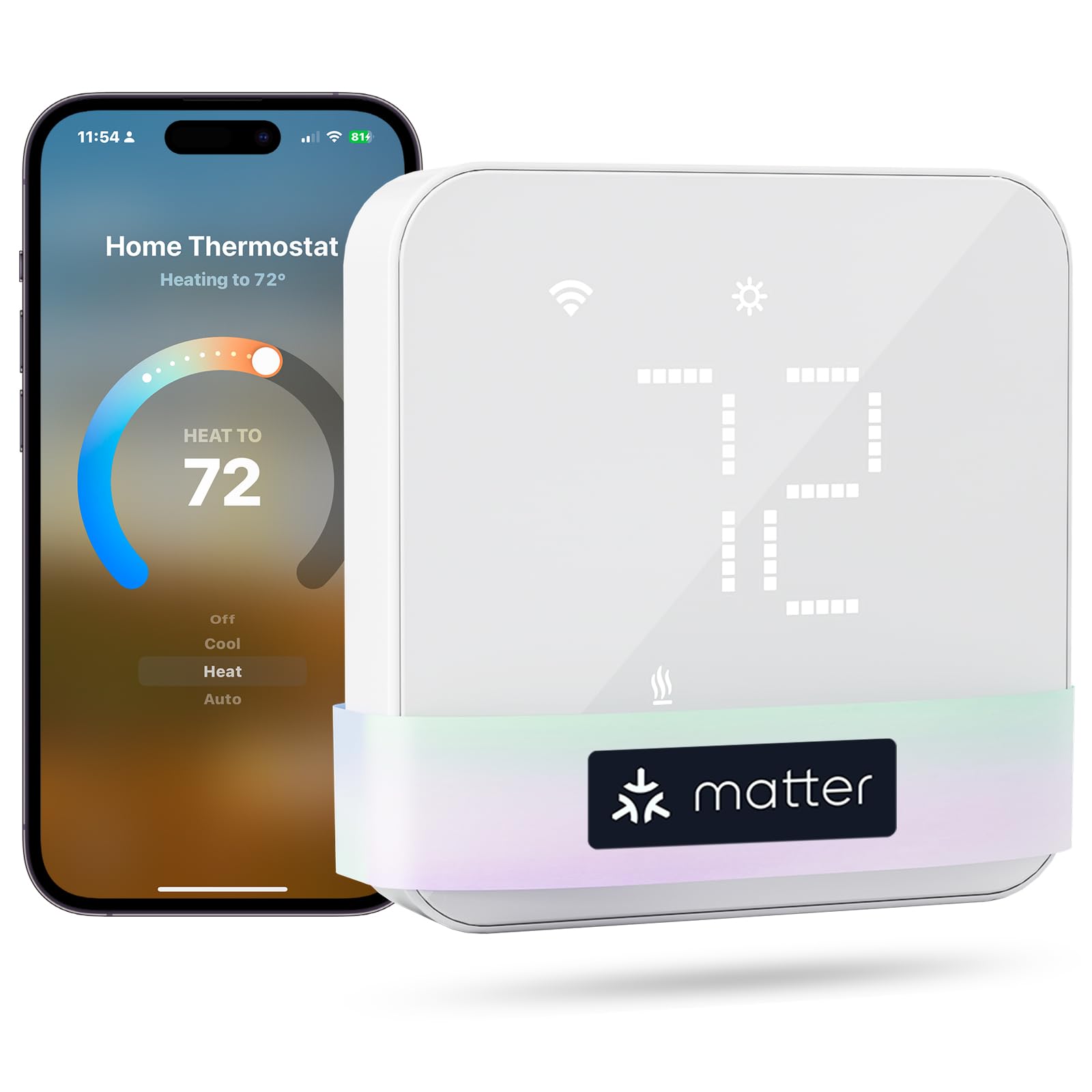
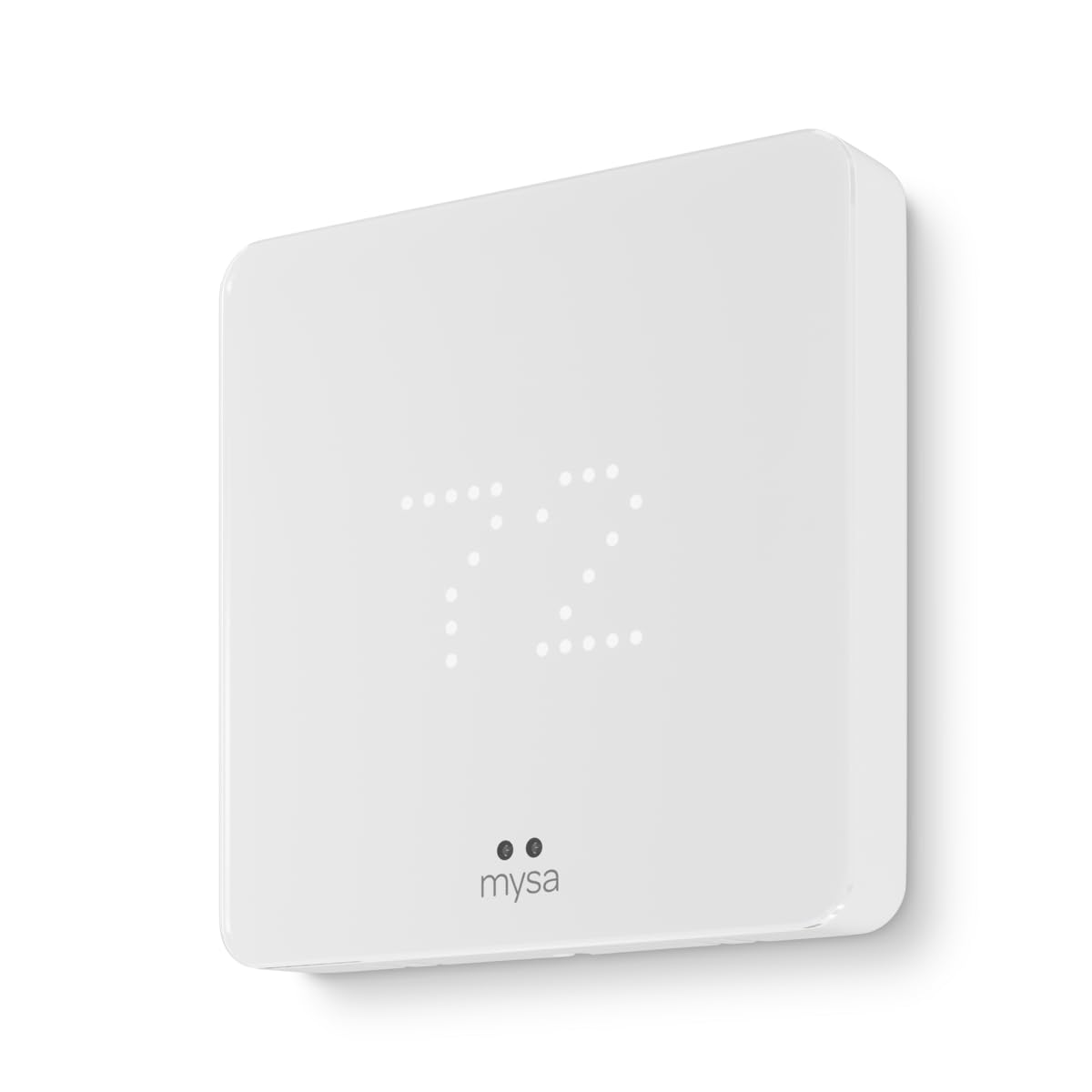
Who Should Buy an Air Conditioner Thermostat?
An upgrade makes sense in homes where cooling feels uneven, schedules are messy, or energy bills climb in summer. It also helps if your current thermostat is old, hard to read, or reads the wrong temperature. Window units, portable units and mini splits use infrared remotes, so they need a different kind of controller than a central system.
If you want to compare settings advice, see our guides to best setting for air conditioner thermostat and what is the best thermostat setting for my air conditioner.
Key Features to Compare
Compatibility and wiring
Confirm the thermostat supports your system type (single stage, multi stage, heat pump) and your wiring. Many models need a common wire (C-wire), and some come with an adapter. Photograph the old wiring and label each wire before you remove anything, and ask a technician if the labels or voltage are unclear.
Scheduling and setback
A schedule that eases cooling while you are away and restores comfort before you return saves energy. Separate weekend plans help when your routine changes. Smart models can also learn your habits or use your phone's location.
Sensor placement and room sensors
A thermostat near sun, drafts or heat sources reads wrong and cools poorly. Place it in a lived in room away from direct heat and airflow. Some models accept remote room sensors, which help balance hot and cold rooms.
Modes and fan control
Cool, dry, fan and auto modes suit different days. A dry mode helps in humid weather, while fan control can even out temperatures between rooms.
Smart features and app control
App control, voice assistants and energy reports are useful, but check how the thermostat behaves if your Wi-Fi drops. Most keep their schedule locally, and you should still be able to adjust it by hand.
Types and Options
Basic programmable thermostats
These suit steady routines and simple systems. They are easy to learn and rarely cause surprises, and they cost the least.
Smart thermostats with app access
These suit variable routines and remote control. They cost more, but the schedule, reports and remote access can pay back in energy savings.
Controllers for window units and mini splits
These plug into the room and send infrared commands to your air conditioner, adding scheduling and app control to units that only have a remote.
How a Good Thermostat Saves Energy
Cooling is one of the biggest summer costs, and the thermostat controls it. Raising the set point a few degrees while you are out, using a schedule that pre cools the house before you return, and avoiding large swings all reduce run time. Many smart models show how long the system ran each day, which makes it easy to see what changes help. The best air conditioner thermostat will not fix poor insulation or a dirty filter, so change filters on schedule and close blinds on sunny afternoons.
Installing It Yourself or Hiring a Pro
Most low voltage thermostats are a simple swap: turn off power at the breaker, label the wires, mount the new base and connect each wire to the matching terminal. If you see line voltage wires, an unusual number of wires, or a heat pump with several stages, ask a licensed technician. Read the maker's compatibility guide first, and keep the old thermostat until the new one has run through a full cool cycle.
Checks Before and After You Buy
Before you order, check your system type and wiring against the maker's compatibility checker. After fitting, check cooling, fan and schedule modes, and compare the displayed temperature with a room thermometer in the same spot. Review energy use after a few weeks and adjust the schedule with the seasons rather than forcing extreme settings.
Care and Upkeep Over Time
Dust the unit, keep it out of direct sun, and replace batteries if fitted. Review schedules when routines change, and call a technician for short cycling, ice on coils or persistent uneven cooling.
Common Mistakes to Avoid
- Buying a smart thermostat without checking the C-wire and system type
- Mounting it on an outside wall or near a sunny window
- Setting a very low temperature, which rarely cools faster
- Ignoring return terms and the warranty
Frequently Asked Questions
What is the best thermostat setting for cooling?
A moderate setting that feels comfortable is best. Start near a normal comfort level, then adjust in small steps and give the room time to settle before changing again.
Why does my air conditioner run all the time?
Poor insulation, a wrong sensor spot, a very low set point or a system fault can all cause long runs. Check filters, sun exposure and sensor placement first.
Should I turn the air conditioner off when I leave?
A setback setting usually beats full off for short absences, because reheating a hot home takes energy. For long absences, a higher set point or off may suit better.
Do smart thermostats work without internet?
Most keep basic schedules without internet, but app control and remote features need a connection. Check manual control options before you rely on app only use.
When should I call a technician?
Call for ice buildup, strange noises, burning smells, water leaks, or cooling that stays uneven after basic checks.
Final Thoughts
Take your time, check compatibility first, and choose the control that fits your routine. The product table above is a useful starting point, and the best air conditioner thermostat for your home is the one that works with your system and that you will actually use.