
Best Air Compressor Accessories for 2026: Spending Levels Explained
Disclosure: We may earn a commission when you buy through links on this page, at no extra cost to you. As an Amazon Associate I earn from qualifying purchases. Learn more
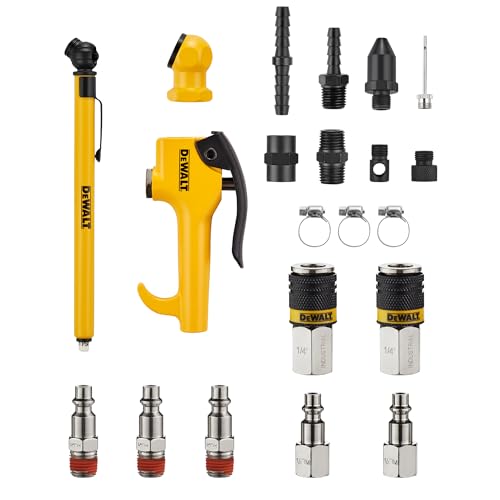
Compare the best air compressor accessories by price tier, fit and durability, from hoses and couplers to regulators and inflation tools.
Shopping for best air compressor accessories can be tricky because prices range widely and the parts all look similar at first glance. A hose, a coupler or a regulator may seem like a small add on, yet the wrong fit can leak air, slow a job or wear out fast. This guide helps you see where spending more pays off and where a simple part does the job fine.
The product table gives a quick view of popular options, and the sections that follow explain what each spending level usually includes. Start with your compressor, since its pressure rating, outlet size and intended jobs set the limits for every accessory you add.
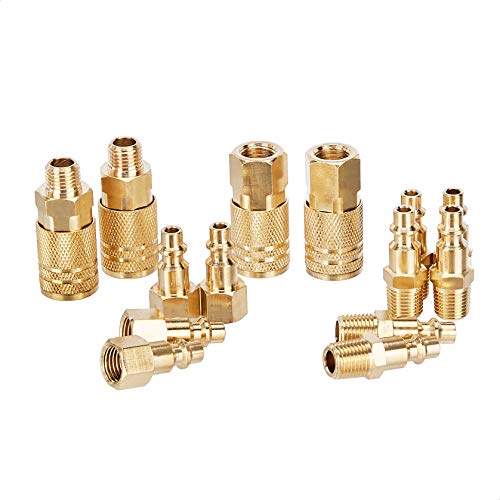
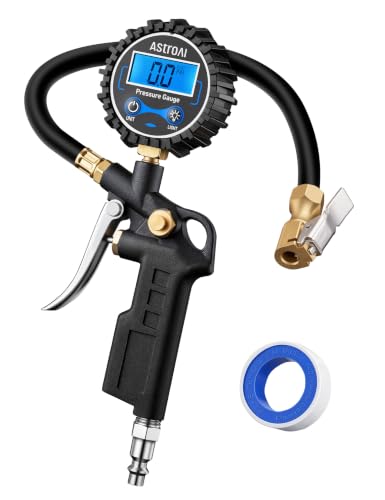

Best Air Compressor Accessories by Spending Level
Think in levels rather than single items. A basic kit covers tire inflation and light cleaning, a mid level kit adds better hoses and control, and a higher level kit suits frequent use and longer jobs. The right level depends on how often you use the compressor and how much downtime a failed part would cause.
Basic Level Guidance
At the basic level, expect a short rubber or PVC hose, simple brass couplers and a basic tire inflator. These parts suit occasional use, such as topping up tires or blowing dust off a workbench. Prices for a basic set often run about $20 to $60, and the parts are easy to replace when they wear out.
The limits show up with heavy use. Short hoses force you to move the compressor often, and thin hoses can kink or stiffen in cold weather. If you only use the compressor a few times a month, those limits may not matter. Keep a spare coupler on hand, since a worn coupler is the most common cause of a slow leak.
Mid Level Guidance
At the mid level, you get longer hoses, better fittings and a regulator with a clearer gauge. A mid level set often costs about $60 to $150, and it suits weekly use in a home workshop. Hoses at this level usually resist kinking better, and fittings seal more reliably over time.
This level is a good match for most home users. You gain reach, control and durability without paying for industrial grade parts. A mid level kit also makes it easier to add tools later, since standard fittings let you swap an inflator for a blow gun or a spray attachment.
Higher Level Guidance
At the higher level, expect heavy duty hoses, high flow couplers, a quality filter regulator and durable inflation tools. Prices often run about $150 to $350 for a full set, and the parts suit daily or commercial style use. Better materials resist abrasion, heat and repeated flexing.
Spend at this level when downtime costs you time or money, or when you run air tools for long stretches. For occasional home use, the extra durability may not pay back its cost. Match the level to your real workload, not to the toughest job you might do once a year.
What Your Money Gets You at Each Price Tier
Price mostly buys material quality, flow capacity and fitting durability. A low cost hose may deliver enough air for tires, while a higher flow hose keeps pressure steadier for tools that use more air. Check the pressure rating on every part, since an accessory rated below your compressor output is a weak link.
Also compare what is included. A kit with a hose, couplers, a regulator and an inflator may cost less overall than buying each part alone. On the other hand, a kit may include parts you never use, so price the parts you actually need before you judge a bundle.
Budget Tier: What to Expect
Budget accessories focus on basic function at a low cost. Hoses are shorter and lighter, fittings are simple, and gauges may be small. These parts work well for light jobs, and they are cheap to replace. Watch for leaks at the fittings, since that is where low cost parts usually fail first.
Mid Tier: A Strong Choice for Most Buyers
Mid tier accessories balance cost, reach and durability. Hoses are longer and more flexible, regulators give steadier pressure, and couplers last through many connect cycles. For a home workshop used every week, this tier usually offers the best value. It also leaves room to upgrade one part at a time.
Premium Tier: When Spending More Pays Off
Premium accessories pay off when you use air tools often, work in tough conditions or need steady pressure for long jobs. Heavy duty hoses, high flow fittings and robust regulators hold up under repeated use. If you use the compressor rarely, save the money and choose a mid tier set instead.
Features Worth Paying For (and Ones to Skip)
Not every feature earns its price. The factors below matter most for compressor accessories, while extras you will rarely use are easy to skip.
Hose Length, Material and Flexibility
Hose length decides how far you can work from the compressor. A 25 foot hose suits a garage bay, while a 50 foot hose reaches around a vehicle or across a workshop. Rubber hoses stay flexible in cold weather, while lighter PVC hoses are easier to carry but may kink. Choose length first, then material, since a hose that is too short will frustrate you on every job.
For related gear, see our guide to best portable air compressors when you need a compressor that moves with the hose. A portable unit pairs well with a mid length hose for driveway and yard jobs.
Coupler Fit and Flow
Couplers must match your tools and your compressor outlet, since coupler styles are not all the same. Check the fitting type before you buy, and keep all parts in one style so tools swap quickly. High flow couplers help tools that use a lot of air, while standard couplers are fine for tires and cleaning.
For hose choices, see our guide to best air compressor hoses for more on reach and material. A good hose with the wrong coupler still leaks, so buy hose and couplers as a matched set when you can.
Regulators, Filters and Moisture Control
A regulator lets you set a lower pressure for delicate jobs, such as inflating sports balls or cleaning electronics. A filter traps dust and moisture before it reaches your tools, which helps tools last longer. In humid shops, a filter matters more than a fancy gauge.
Skip a complex regulator if you only inflate tires, since a simple inflator with a gauge does that job well. Pay for filtration when you spray paint or run tools that suffer from dirty air. Drain the compressor tank as the maker directs, since that step matters more than any add on filter.
Inflation Tools, Blow Guns and Storage
Inflation tools should read clearly and shut off cleanly, while blow guns should feel balanced in the hand. A blow gun with a safety tip is a sensible choice for cleaning, and it helps you avoid a strong jet at close range. Storage matters too, since a hose reel or a wall hook keeps hoses from kinking on the floor.
For pump related parts, see our guide to best air compressor pumps when your compressor itself needs attention. Pumps and accessories serve different jobs, so replace a worn pump before you spend on extra fittings.
Warranty and Support
A warranty of one to three years is common for hoses and fittings. Keep the receipt and the maker guidance, since a claim usually needs both.
Long Term Costs to Factor In
Count replacement hoses, couplers, filters and seals in your total cost, not just the first purchase. A mid tier hose that lasts twice as long may cost less over time than a cheap hose replaced every year.
For safety, follow the maker tool guidance, wear eye and hearing protection when you run air tools, and never aim compressed air at eyes or skin. Check hoses for cracks before each use, keep small parts away from children, and release pressure before you change a fitting.
Frequently Asked Questions
Do I need a regulator for air compressor accessories?
You need a regulator when you want a pressure lower than your compressor output, such as for delicate inflation or spray work. A regulator also keeps pressure steady as the tank level changes. If you only top up tires, a tire inflator with its own gauge may be enough, and you can add a regulator later.
What hose length should I choose for a home workshop?
A 25 foot hose suits a single garage bay, while a 50 foot hose suits a larger workshop or driveway work. Longer hoses add drag and can lower pressure slightly, so do not buy more length than you need. A hose reel helps manage a long hose and keeps it from kinking on the floor.
Are air compressor couplers universal?
Air compressor couplers are not fully universal, so check the fitting style on your compressor and your tools before you buy. The most common styles look similar but may not seal together. Keep one style across your kit, carry a spare coupler, and check the fit before you start a job.
How do I maintain air compressor accessories?
Inspect hoses for cracks, check couplers for leaks and clean filters as the maker directs. Coil hoses loosely, store them out of sunlight and drain the tank regularly. Replace worn seals right away, since a small leak wastes air and forces the compressor to run more often. Keep a few spare seals with your kit so a small repair does not stop a job.
What specs matter most for home air compressor projects?
Pressure rating, hose length, coupler style and flow capacity matter most for home projects. Match every part to your compressor output, and choose a hose long enough for your workspace. A clear gauge and a filter matter more than extra features you will rarely use. Check these four specs before you buy anything else.
Our Verdict
Most home users do best with a mid tier kit: a flexible hose of the right length, matching couplers, a simple regulator and a reliable inflator. That combination covers tires, cleaning and light tool work without overspending. Use the product table to compare options, and upgrade only the parts that limit your actual jobs.
For most workshops, best air compressor accessories are the ones that fit your compressor, hold pressure and survive your routine. Check fittings, match sizes and spend where durability pays back over time.


