
Best Affordable Hardtail Mountain Bike: Buying Guide for 2026
Disclosure: We may earn a commission when you buy through links on this page, at no extra cost to you. As an Amazon Associate I earn from qualifying purchases. Learn more
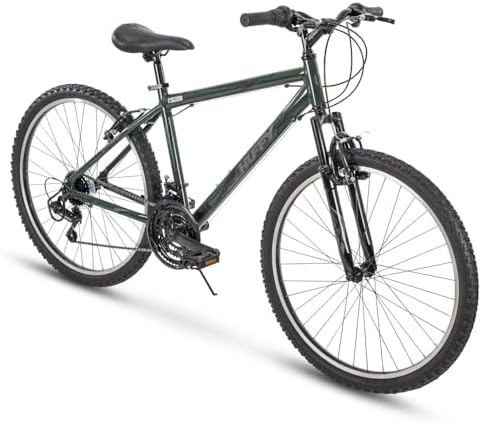
A plain guide to the best affordable hardtail mountain bike: fork, brakes, gearing, frame size, and riding style.
A hardtail looks simple next to the other bikes in the shop, with suspension at the front and a rigid rear end, yet the choices inside that simple shape still confuse new buyers. Wheel sizes differ, forks range from basic coil units to capable air forks, and gearing runs from wide range single ring setups to older double ring systems. This guide compares the best affordable hardtail mountain bike options against the main alternatives, so you can see which type fits your trails, your body, and your budget.
Start with the type comparisons below, then use the comparison table below and the buying sections that follow to narrow your size, brakes, and gearing.


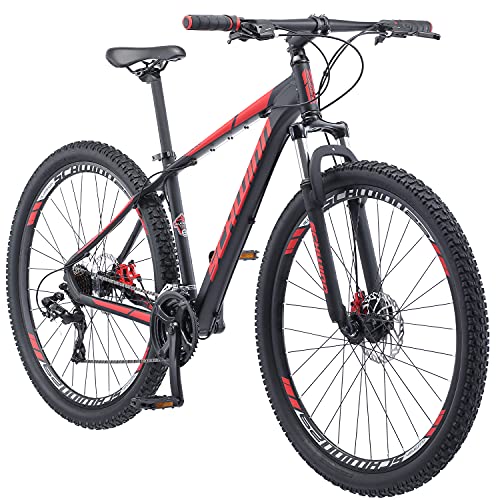
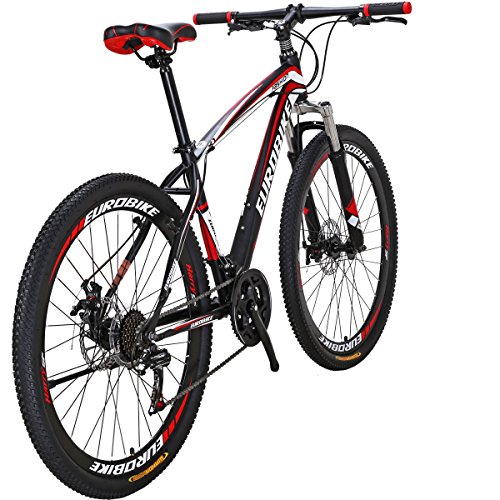

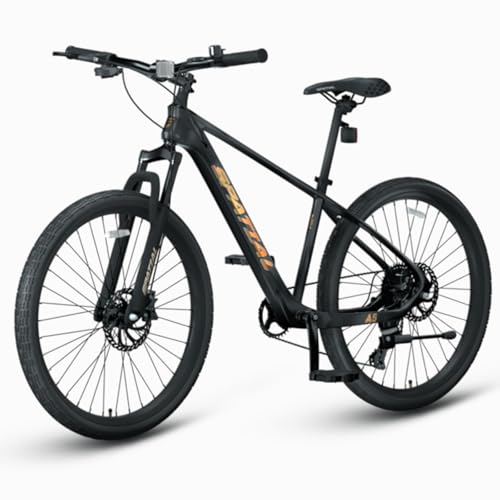


How Hardtail Mountain Bikes Compare to Other Options
Price is the hardtail headline. Without a rear shock and the pivots and bearings that go with it, a hardtail at around $300 to $1,000 can put better brakes, a better fork, and better wheels on the trail than a full suspension bike at the same price. It is also lighter, simpler to service, and more efficient when you pedal uphill or ride smooth trails to the trailhead. What you give up is rear wheel comfort and grip on rough descents, where your legs become the suspension. The comparisons below show when that trade is smart and when another type serves you better.
Hardtail Mountain Bikes vs Full Suspension Mountain Bikes
The key difference is the rear shock. Full suspension bikes absorb hits at both wheels, which adds traction, control, and comfort on rocky and steep terrain, and reduces fatigue on long rough rides. The cost is weight, price, and upkeep, since shocks need service and pivots wear. Hardtails answer with sharp pedaling, lower prices, and simple care, and modern geometry and wide tires close much of the comfort gap on moderate trails.
Choose a hardtail if your trails are mostly smooth to moderately rocky, if you value climbing and fitness, or if your budget is under around $1,000. Choose full suspension if you ride technical descents often and can spend around $1,500 or more for a version with parts worth owning. Our guide to the best mountain bike hardtails dives deeper into hardtail geometry and sizing.
Hardtail Mountain Bikes vs Road and Gravel Bikes
Road and gravel bikes use drop handlebars, skinny tires, and light frames built for speed on pavement and smooth dirt. They pedal efficiently for long distances and feel fast on group rides, but their tires and riding position struggle on roots, rocks, and loose climbs. A hardtail trades some road speed for flat handlebar control, wide knobby tires, and a suspension fork that keeps the front wheel calm off road.
Choose the hardtail if your riding includes real trails, forest roads, or winter streets where grip matters more than pace. Choose a gravel bike if most miles are paved or smooth gravel and trails are an occasional detour. Riders who split time evenly sometimes own one of each over time, but the hardtail is the safer single bike for mixed surfaces with genuine off road sections.
Hardtail Mountain Bikes vs Kids Bikes
Kids bikes are smaller in every dimension, with frame sizes, crank lengths, and brake levers scaled for children, plus simpler gearing and lower weight for their size. An adult hardtail, even in its smallest frame, has longer reach, higher gearing, and components sized for adult strength and weight. Putting a child on a small adult bike risks poor control, because the child cannot reach the brakes well or handle the weight in a fall.
Choose an adult hardtail for riders who have reached near adult height and can handle a 24 inch or larger wheel with confidence. For younger riders, pick a proper kids bike with a low top tube and light parts, then move up when growth and skill call for it. Weight matters hugely for children, so a light kids bike beats a cheap heavy one every time.
Who Should Choose Hardtail Mountain Bikes?
Hardtails suit beginners who want one bike that teaches real skills, because a rigid rear end rewards smooth line choice and balanced pedaling. They suit fitness riders and cross country riders who climb a lot and measure rides in miles as much as thrills. They also suit commuters who ride rough streets and light trails, students who need simple upkeep, and any buyer whose budget must cover a helmet, pump, and tools as well as the bike itself.
Other types serve some riders better. If you have back or knee issues that rough trails aggravate, the added comfort of full suspension may protect your riding life. If your miles are almost all paved, a gravel or hybrid bike will feel faster and lighter. Electric assistance is a separate decision again, covered in our guide to the best affordable e mountain bike for riders who want motor help on climbs.
How to Choose the Right Hardtail Mountain Bike
Bike Type and Riding Style
Match the bike to the riding you will actually do each week. Cross country hardtails are light and efficient, with steeper angles that climb well and suit smooth trails and long miles. Trail hardtails use slacker head angles, longer forks of about 120 to 140 mm, and dropper posts, which adds confidence on descents at a small weight cost. Aggressive hardtails push further toward downhill control. Be honest about your trails, because a trail build handles cross country rides happily, while a pure race build can feel nervous on steep ground.
What You Can Realistically Get on a Budget
Around $300 to $600 buys a rideable hardtail with an aluminum or steel frame, mechanical or basic hydraulic brakes, and a coil suspension fork. Around $600 to $1,000 should add a better fork, hydraulic brakes, and a more reliable drivetrain, which together transform trail feel. Below around $300, expect heavy parts and limited durability, so shop used or save longer. Never save money by accepting a fork with plastic bushings or brakes you cannot trust on a wet descent.
Weight and Components Upgrade Path
Affordable hardtails usually weigh about 28 to 34 lb, and weight drops as price rises. The good news is that a hardtail frame rewards upgrades for years. The smart order is contact points and wheels first, meaning tires, saddle, and grips, then tubeless setup, then a dropper post, and only later a lighter fork or drivetrain parts. Check that the frame has modern standards such as a tapered head tube and thru axles, because those details decide whether future forks and wheels will fit. A frame worth upgrading turns a starter bike into a long term bike.
Brakes (Hydraulic vs Mechanical Disc)
Hydraulic disc brakes are the clear choice for trail riding. They give strong stopping power with light finger effort, control speed better on long descents, and adjust themselves as pads wear. Mechanical disc brakes cost less and use simple cables, but they need frequent adjustment and ask more hand strength for the same power. At affordable prices, a basic hydraulic set from a known brake maker beats a fancy looking mechanical set. Test any bike with a firm lever pull, and budget for fresh pads each season if you ride in mud and rain.
Drivetrain and Gearing
Most modern hardtails use a single front chainring with a wide range cassette, often called a 1x setup. It shifts simply with one lever, drops chains far less often, and gives enough range for steep climbs when the largest rear cog is 46 teeth or more. Older 2x systems offer tighter steps between gears and still serve well on smoother terrain. Look for a clutch in the rear derailleur, which keeps chain tension over rough ground. Gearing from known groupsets shifts more reliably and has cheaper spare parts than no name sets. For electric versions of this layout, see our guide to the best hardtail e mountain bike.
Setup and Care Tips
Check tire pressure before every ride, because a few pounds of pressure change how the bike grips and rolls, and low pressure invites rim damage. Clean and lube the chain every 100 to 200 miles, or after any wet ride, and wipe off excess lube so it does not collect grit. Set fork sag with your riding gear on, following the fork maker guide, and store the bike indoors away from rain. Have a professional tune up yearly, including a brake check and a torque check on stem and axle bolts, and wear a helmet on every trail ride.
FAQs
What size bike do I need?
Start with the maker size chart for your height, then confirm with clearance above the top tube when you stand over the bike. Reach matters as much as height, since a long frame stretches you out and tires your hands, while a short frame can feel cramped on climbs. Between sizes, most trail riders choose the smaller option for agility.
Hardtail or full suspension for beginners?
A hardtail is usually the better first mountain bike because it costs less for the same quality of brakes and fork, and it teaches skills that transfer to any bike. Its simple rear end also means less service while you learn basic care. Move to full suspension later if your trails get rougher or comfort becomes a limiting factor.
What wheel size should I choose?
Most adults do well on 27.5 or 29 inch wheels. The larger 29 inch wheel rolls over roots and rocks more easily, while 27.5 inch wheels feel more agile and suit shorter riders. Many budget bikes use 26 inch wheels, which are fine for casual trail riding but offer fewer tire choices. Our guide to the best hardtail xc mountain bike covers the cross country side in more detail.
How much fork travel do I need?
About 100 to 120 mm of fork travel suits most cross country and light trail riding. Longer travel adds comfort on rough descents but makes climbing heavier. On affordable bikes, a fork with a lockout is useful because it firms up the front end for smooth climbs and road sections.
How much should I spend on my first bike?
Plan around $300 to $900 for a first hardtail that you will enjoy for several seasons, plus around $100 to $200 for a helmet, pump, and basic tools. Spending a little more on brakes and the fork improves safety and fun more than any other upgrade. If the budget is firm, a well kept used bike from a known brand beats a new bike with weak brakes.
Wrapping Up
Pick the type by your trails, the size by your body, and the parts by your budget, in that order. A trail oriented hardtail with hydraulic brakes, a clutch drivetrain, and an air fork covers the widest range of real riding for the money. Compare options in the product table above, keep the best affordable hardtail mountain bike criteria in mind as you shop, and see our broader guide to the best affordable mountain bike if you want to weigh other frame styles before you decide.


