Best Ag Soccer Boots for 2026: What Actually Matters Before You Buy
Disclosure: We may earn a commission when you buy through links on this page, at no extra cost to you. As an Amazon Associate I earn from qualifying purchases. Learn more

Compare ag soccer boots by stud pattern, fit, upper grip and comfort, with a buyer checklist for artificial ground matches, training and value.
Artificial ground pitches reward a boot that spreads pressure, releases cleanly when you turn, and still grips when you plant your foot to strike the ball. The best ag soccer boots are built for that surface, with shorter studs and a plate shaped for synthetic fibres rather than soft soil. This guide turns that idea into a simple checklist, and it points you to the comparison table below.
Start with the surface you play on most, then match the boot to your position, foot shape and weekly schedule.
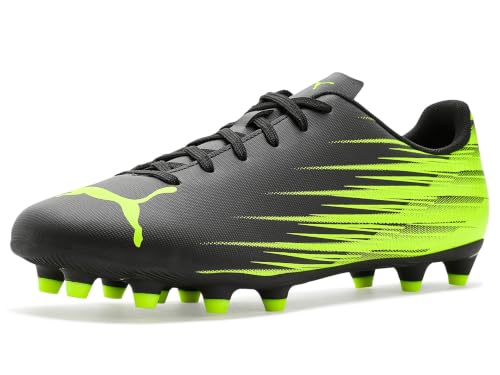
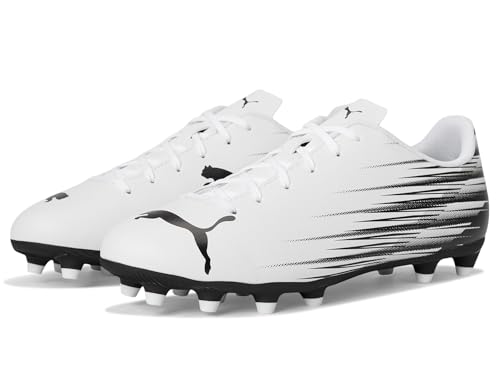
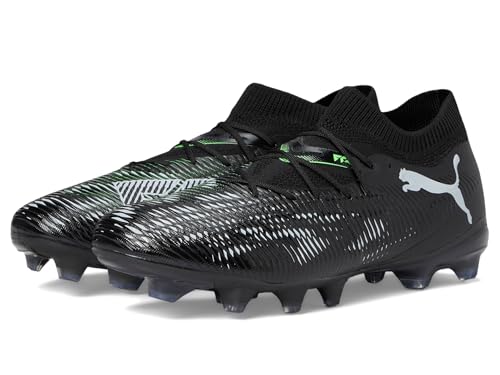
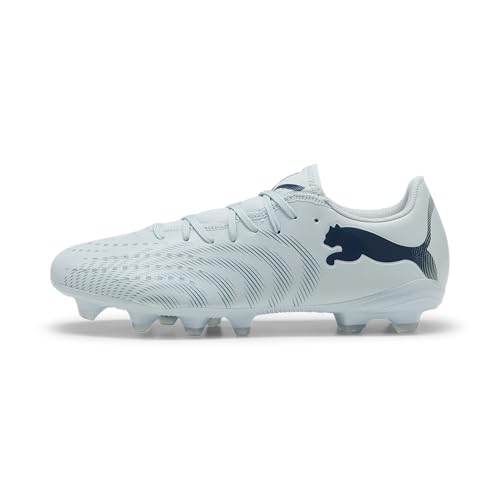
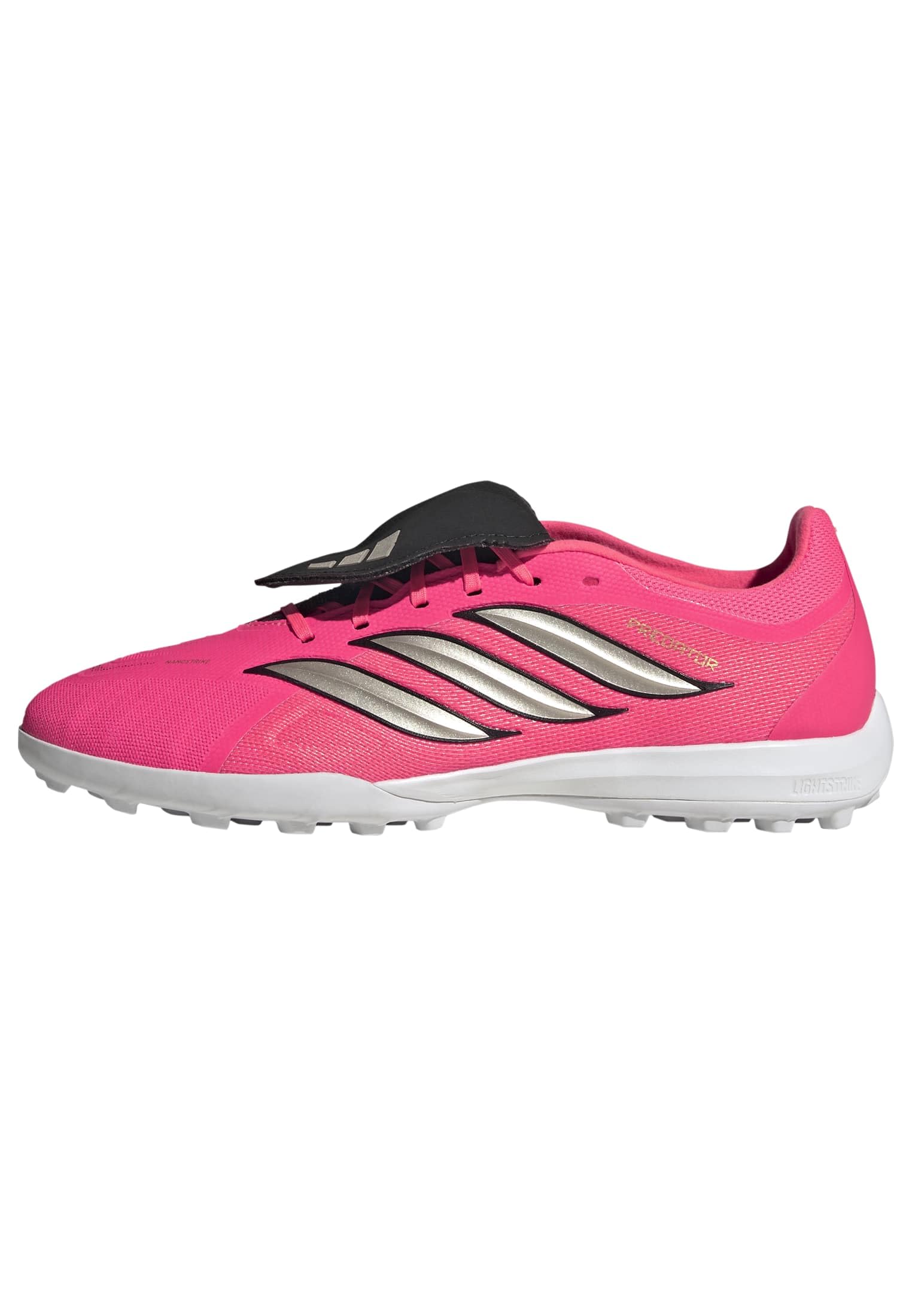
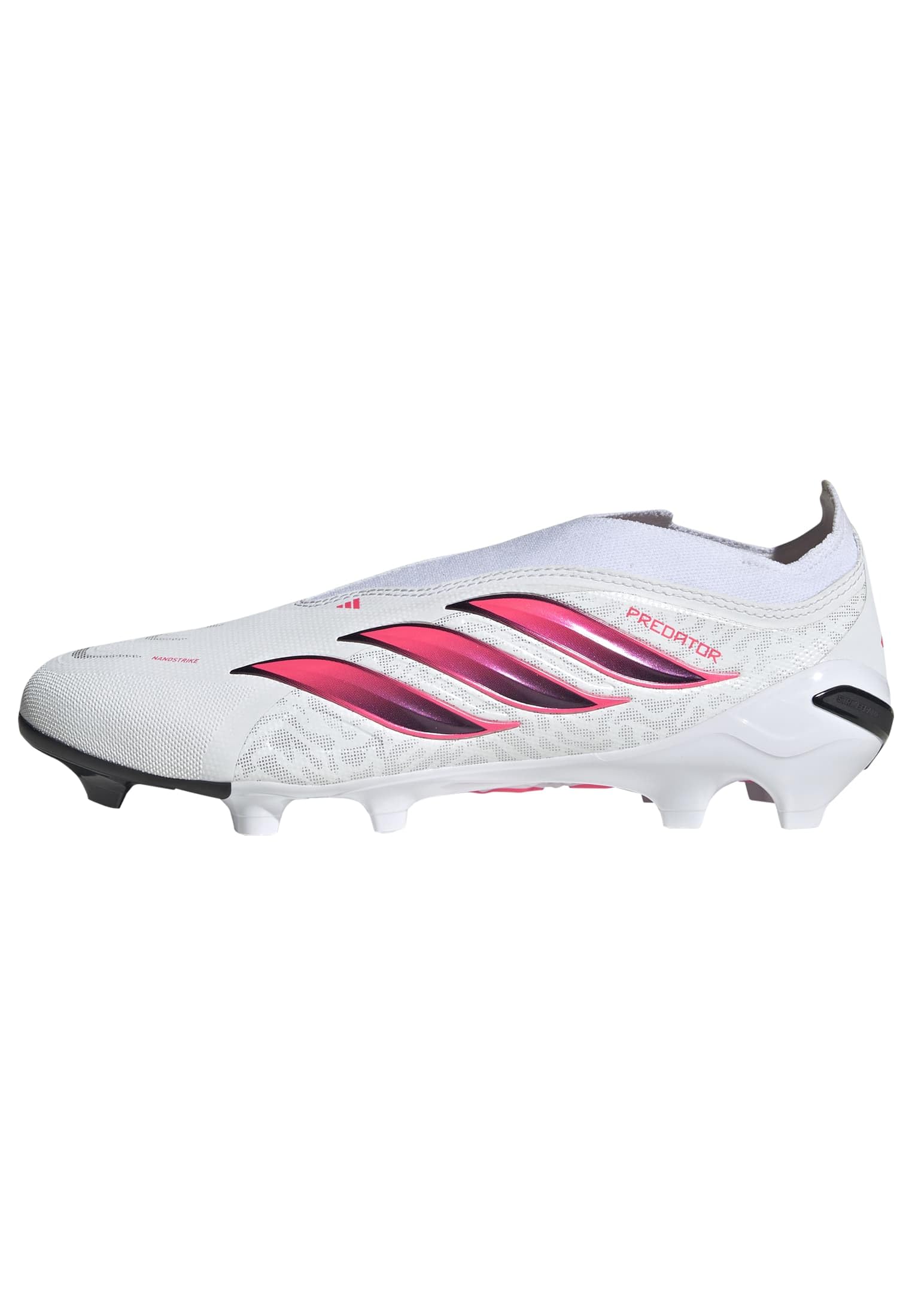
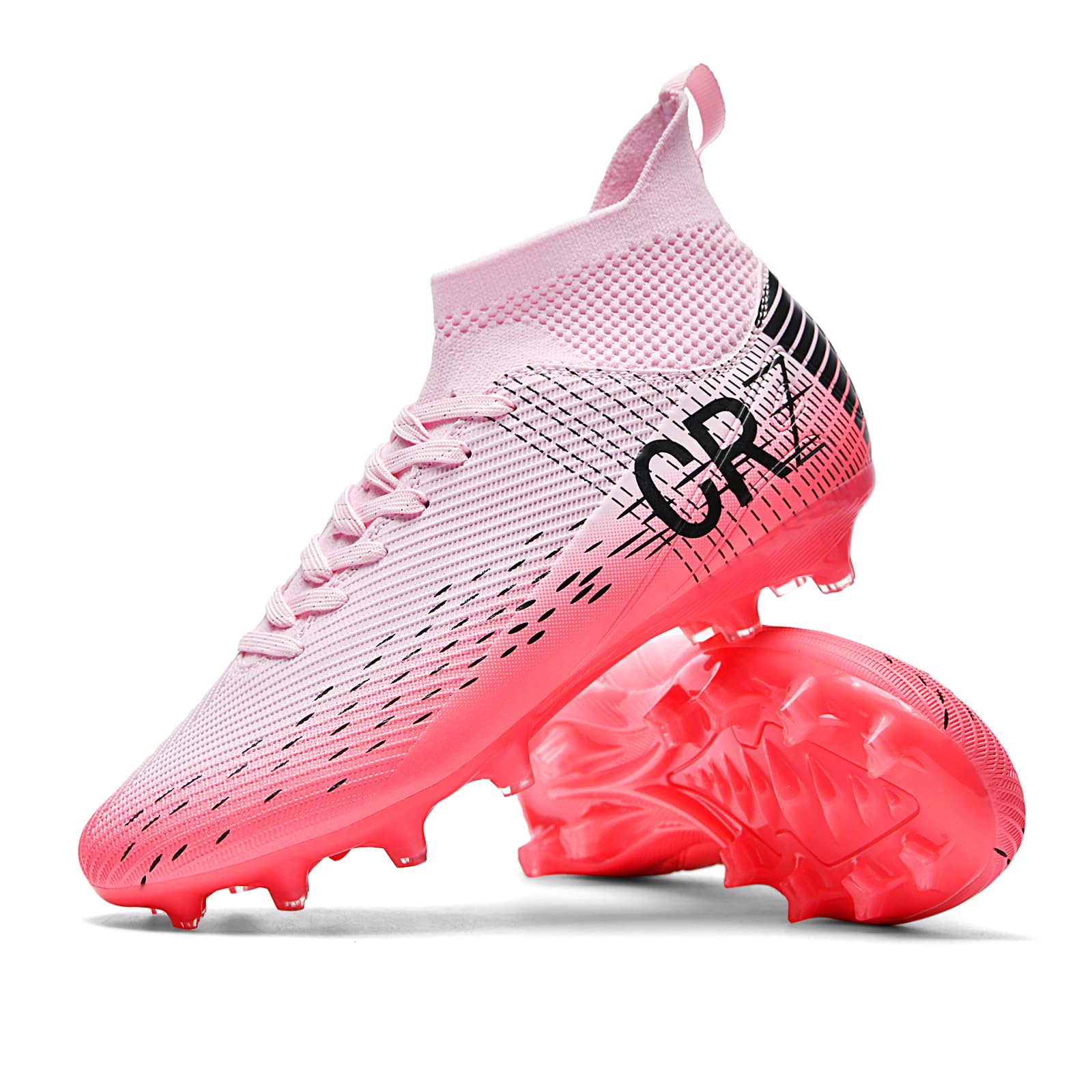
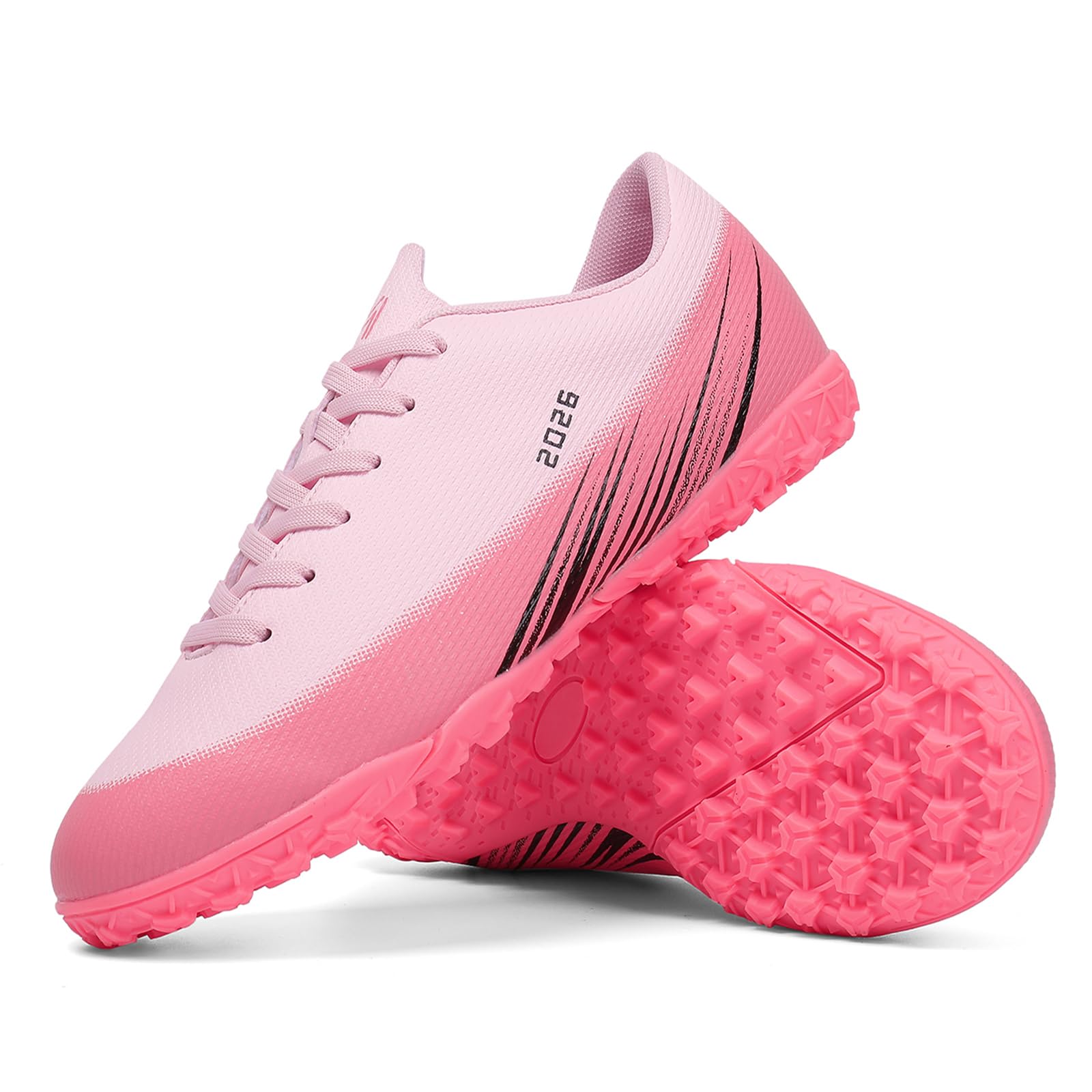
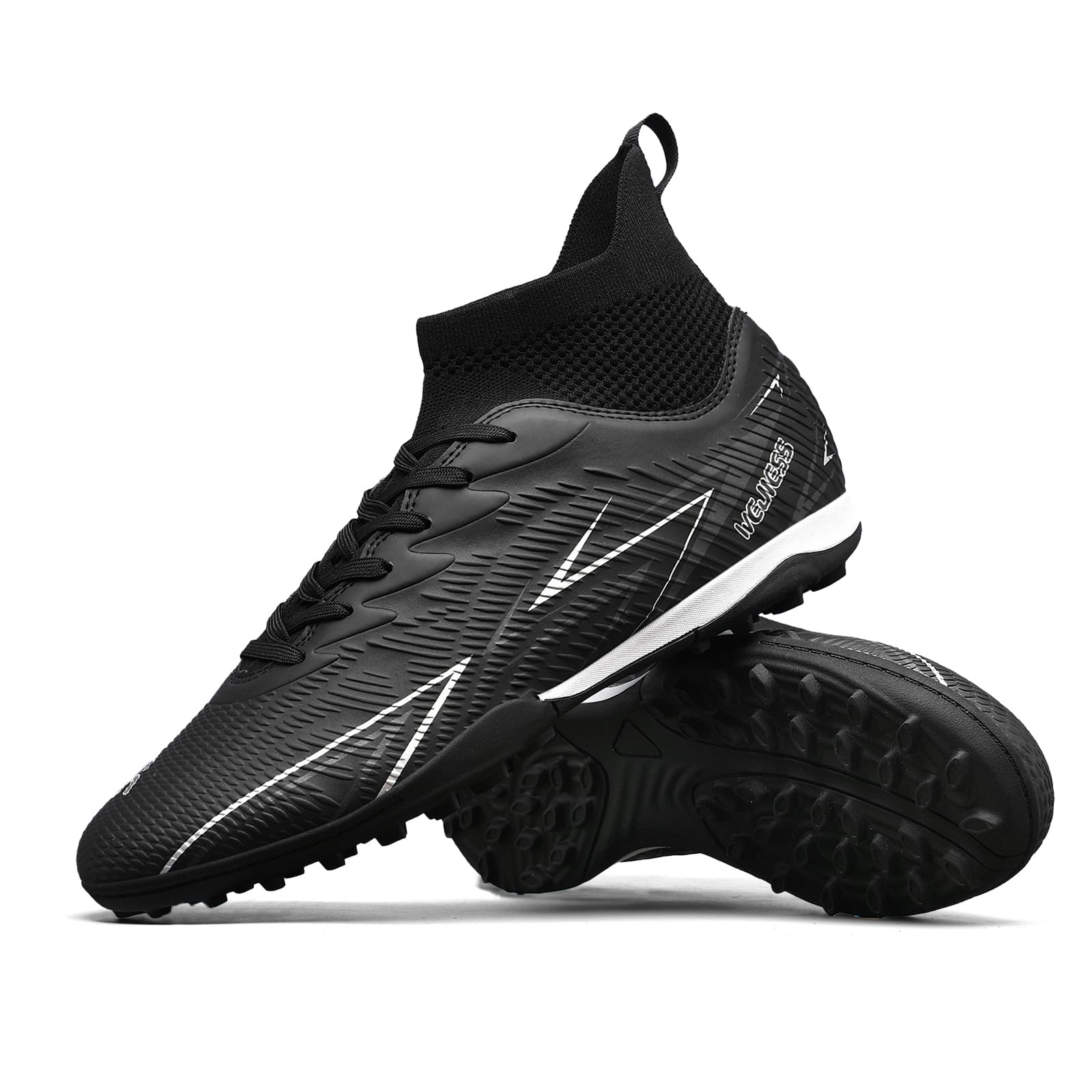
Who Should Buy AG Soccer Boots
Players Who Train and Play on Artificial Grass Every Week
If most of your football is on synthetic pitches at school, college or a local league, an AG plate should be your default choice. The shorter studs sit on top of the fibres and the rubber infill instead of digging deep, which gives a more even feel underfoot during long sessions. One suitable pair also removes the guesswork of swapping boots between training and match venues.
Defenders Who Need Steady Footing for Turns and Clearances
Defenders plant, pivot and backpedal under pressure, so a stable heel and a stud layout that supports lateral moves matter more than a feather light feel. Look for a secure midfoot, a firm heel counter and enough forefoot room to brace before a clearance. For role specific advice, see our guide to the best soccer boots for defenders, then check that any pair you like also comes in an AG version.
Strikers and Wingers Who Want Quick Steps and Clean Contact
Forwards value a light upper, a close fit and a forefoot that feels direct when they sprint, cut inside or shoot with little backlift. A textured upper can help the ball stay close during fast dribbles, while a snug fit keeps the foot from sliding on the final step. Our guide to the best soccer boots for strikers covers attacking priorities, and those players should still choose the AG plate for synthetic pitches.
Key Features to Compare
When you compare the best ag soccer boots side by side, start with the plate and the fit, because those two choices decide how the boot feels on artificial ground. Upper material, collar height and weight matter next, and each suits a different style of play.
Stud Pattern and Stud Length for Artificial Ground
An AG outsole uses many shorter studs, often a mix of round and slightly angled shapes, spread across the forefoot and heel. Round studs release more easily when you pivot, which reduces the stuck feeling that longer firm ground studs can create on synthetic fibres. More contact points also spread pressure, so your forefoot feels less of a single hard spike during a long match. If a plate has long, sharp studs, it belongs on natural grass, not artificial ground.
Sizing AG Boots for Artificial Grass Play
Measure both feet in the late afternoon, when they are at their largest, and try boots on with your match socks. You want clear space in front of your longest toe, no pinching across the forefoot and no heel lift when you push off. Wide feet usually suit a rounder toe box and an upper that gives a little, while narrow feet often feel more secure in a shaped synthetic boot. If you fall between sizes, choose the size that keeps your toes clear when you stop suddenly.
Upper Material and Touch on the Ball
Leather uppers mould to the foot and give a soft, padded touch, which many players prefer for passing and receiving on a fast synthetic surface. Synthetic and knitted uppers are usually lighter, hold their shape in wet weather and often carry grip textures that help in close control. Choose leather if comfort and a cushioned touch lead your list, and choose a modern synthetic if you want a closer, more responsive feel and easier cleaning after sessions on rubber infill.
Collar Height, Stability and Ankle Feel
Low collar boots feel free and familiar, and they suit players who like full ankle movement for quick changes of direction. A raised sock collar hugs the ankle and can make the boot feel more locked in, although it does not replace strength work or a brace. What matters most is stability through the midfoot and heel, so the foot stays centred over the plate when you turn. If you have repeated ankle or knee pain that does not settle, talk with a clinician or physiotherapist about your own needs before choosing a boot for support alone.
Cushioning, Insoles and Pressure Underfoot
Soccer boots carry far less cushioning than running shoes, because a thin midsole keeps you close to the ball and the ground. On hard artificial pitches, though, a shaped insole and a little padding under the heel can ease pressure during ninety minutes of running and landing. Removable insoles let you adjust the fit slightly or replace a worn layer later. If you feel sharp pressure under the forefoot, look first at the stud layout, since spreading load through the plate helps more than a thick, soft insole that dulls touch.
AG Boot Types Compared: Control, Speed and Heritage Styles
Most AG boots fall into three broad families. Control boots use textured or padded uppers to calm the ball down, and they suit midfielders who pass and receive all game. Speed boots strip weight away and aim for direct contact, which suits forwards and wide players. Heritage boots use leather and a classic shape, giving comfort and a forgiving fit. If you are weighing the wider category, see our guide to the best soccer boots for how these families compare across surfaces. Most pairs cost about $60 to $220, and clean stitching around the toe is a useful sign that a boot will handle abrasive fibres well.
Surface labels matter as much as style names. AG means artificial ground, FG means firm natural grass, and TF means short turf trainers with many small rubber nubs. A TF shoe can work for casual small sided games on very short surfaces, but it gives less grip than a proper AG boot. For the naming overlap, see our guide to the best ag boots, and always match the plate to the pitch you use most.
Common Mistakes to Avoid
- Wearing long firm ground studs on artificial grass, which can make the boot catch during turns and strain your legs.
- Buying a size down for a tight feel, which leaves toes bruised after repeated stops and kicks.
- Choosing a boot for its colour or a famous name, which ignores whether the plate suits your pitch.
- Ignoring foot width when ordering online, which leads to blisters and pressure across the forefoot.
- Using an AG boot as your only pair on muddy natural grass, which leaves you short of grip on soft ground.
Care and Maintenance for AG Soccer Boots
After each session, loosen the laces, pull out the insoles and let the boots air dry at room temperature away from direct heat, which can crack leather and weaken bonding. Knock the soles together outdoors to clear rubber infill, then brush the outsole with a soft brush so the studs stay clean. Wipe synthetic uppers with a damp cloth, and clean leather gently before applying a small amount of conditioner once dry.
Store your boots in a ventilated bag rather than a sealed plastic box, and never leave them in a hot car between sessions. Check the toe area, heel stitching and stud edges every few weeks, because small splits grow quickly on abrasive synthetic fibres. Rotating two pairs across a heavy training week lets each pair dry fully, which slows odour and helps the upper keep its shape.
AG Soccer Boots: Your Questions Answered
Can I use AG soccer boots on natural grass?
Yes, on dry and fairly firm natural grass, although the grip will feel lighter than a firm ground boot. The shorter studs may slip on wet or soft soil, especially when you sprint or change direction at speed. If your league mixes surfaces, keep the AG pair for synthetic and dry pitches, and think about what your local grass is like in winter before relying on one pair all season.
How should AG soccer boots fit for match play?
AG soccer boots should feel snug through the midfoot and heel, with a small gap in front of your toes and no sideways squeeze. A useful check is a short indoor test: jog, stop sharply and rise onto your toes, and your heel should stay seated each time. Leather gives a little with wear while most synthetics keep their original shape, so judge synthetic pairs by the fit you feel in the shop.
How long does the break in period last for AG soccer boots?
Most AG soccer boots feel comfortable after two or three shorter sessions, and leather pairs may need a little longer to mould to your foot. Wear new boots for training before a full match, and build up the minutes so hot spots show themselves early. Carrying spare socks and a small roll of athletic tape for the first week is a simple way to handle minor rubbing while the upper softens.
How often should I replace AG soccer boots?
Replace AG soccer boots when the studs are visibly worn down, the upper splits near the toe, or the heel no longer holds your foot steady. For many weekly players that point arrives after a season or two, but heavy training on abrasive pitches shortens it. A mid season check helps: press each stud, flex the forefoot and look for cracks along the plate edge before small damage becomes a failure during a match.
Wrapping Up
Choose the plate first, the fit second and the upper third, and most other decisions fall into place. Short, well spread studs, a toe box that matches your foot shape and a secure heel will do more for your game on synthetic pitches than any headline feature. When you are ready to compare options, look back at the product table above and pick the best ag soccer boots that match your surface, your position and your weekly schedule.