Best Ag Boots: A Checklist for Artificial Ground in 2026
Disclosure: We may earn a commission when you buy through links on this page, at no extra cost to you. As an Amazon Associate I earn from qualifying purchases. Learn more

A checklist for the best ag boots on artificial ground: stud pattern, upper, fit, durability and price bands for every level of player.
The letters AG stand for artificial ground: soccer and football boots built with many short studs for synthetic pitches. That surface is harder, hotter, and more abrasive than natural grass, so the right boot is a different purchase from a soft ground boot. If you are comparing the best ag boots for league or casual play on artificial turf, this checklist walks through the specs that decide grip, comfort, and how long the boots survive.
Rather than ranking boots by looks, the checklist below scores what you can verify before you buy: the stud pattern, the upper, the fit, and the outsole compound. Use the comparison table below to shortlist two or three pairs, then check each one against every section here. A pair that passes the stud and fit checks will serve you better than a famous colourway that fails both.

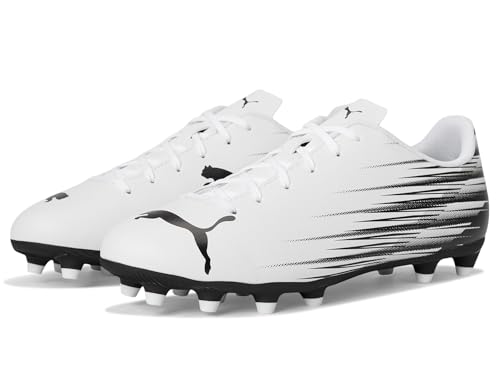


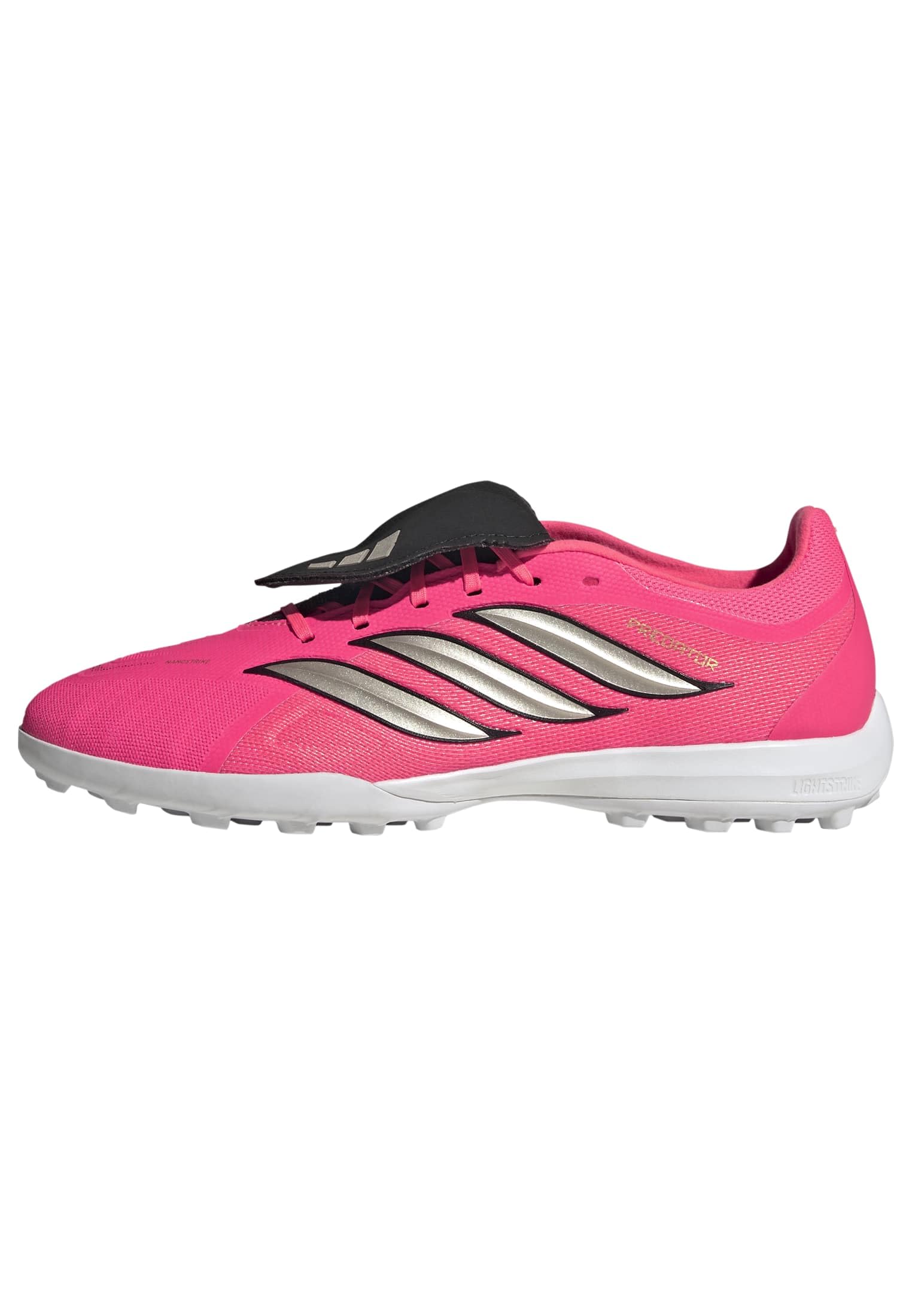


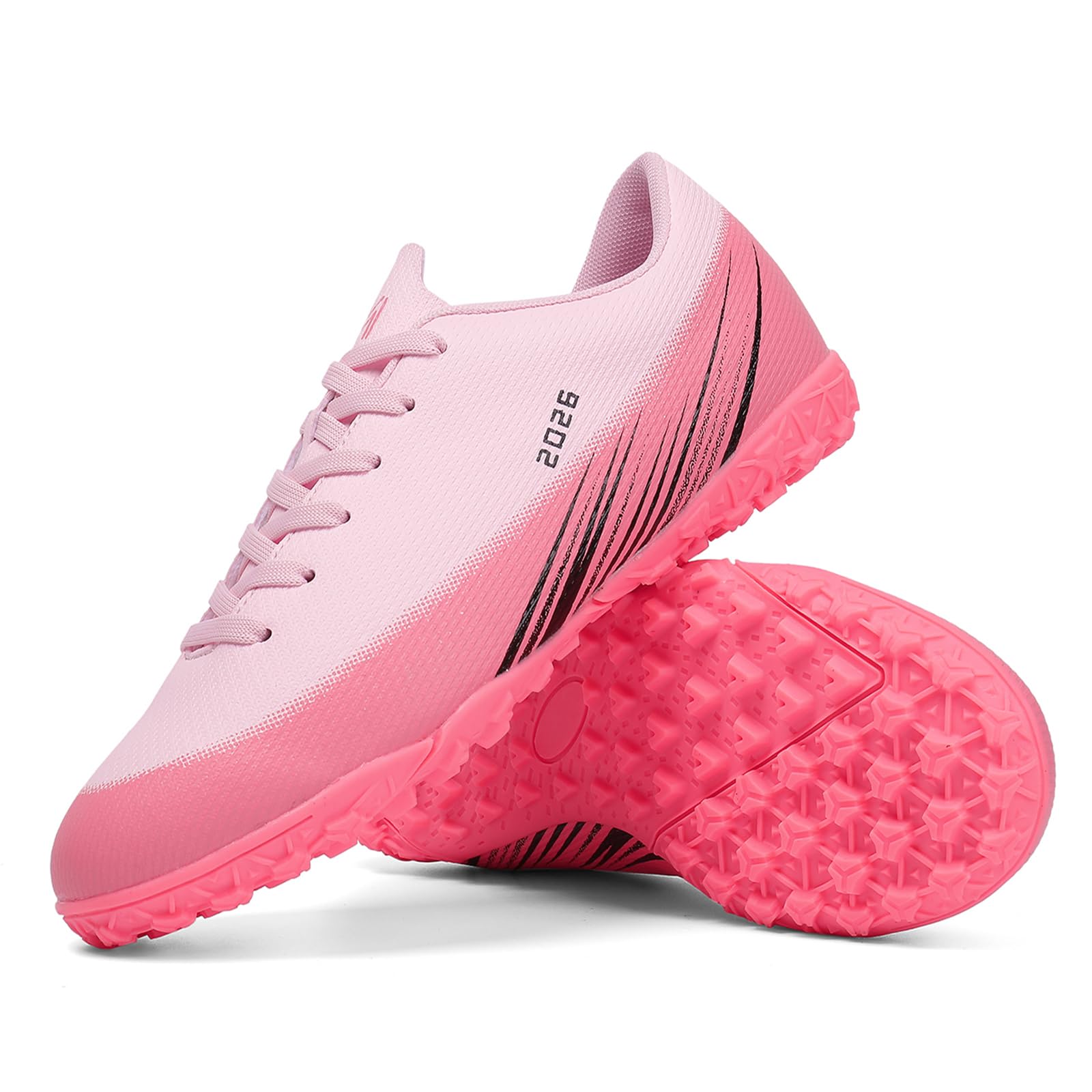

The Checklist: What to Check on Ag Boots
Stud Pattern Comes First
The stud pattern is the heart of an artificial ground boot: many short studs, usually hollow or conical, spread your weight across the surface so no single point digs in and twists your knee. Long studs belong on soft natural ground, where they sink into mud for grip, while on synthetic turf they catch, overload the joints, and wear down fast. Most guides to the best ag soccer boots start from this same rule, because a true AG plate is a safety feature as much as a grip feature. Count the studs and check they are short and numerous before you look at anything else.
Upper Material Governs Touch and Wear
The upper decides both how the ball feels and how long the boot lasts on an abrasive surface. Synthetic uppers are light, need almost no break in time, and shrug off the friction of artificial turf, which is why most football specific models use them. Leather uppers mould to your foot and give a softer touch, but the surface scuffs them quickly and they stretch when wet. Knit uppers with a coated finish sit between the two, with a close fit and better protection than bare knit.
Fit and Toe Room Govern Blisters
Fit decides whether a good boot on paper becomes a blister machine in practice, so measure your feet late in the day, when they are at their largest, and try boots on with the socks you play in. You want a snug heel with no lift when you sprint, plus roughly a thumb width of room in front of your longest toe for stops and cuts. A toe box that crushes your toes will punish you late in a match, while a loose forefoot lets your foot slide and shear against the upper. When you are between sizes, choose the pair that locks your heel rather than the one with extra length.
Outsole Durability on Abrasive Surfaces
Artificial ground eats outsoles faster than grass does, because the surface works like fine sandpaper on every turn. Look for a plate with studs moulded thick at the base, since thin studs snap or grind down to nubs within a season. A stitched or reinforced toe area is a good sign, since that join takes the most stress. Expect visible stud wear after a season of twice weekly play; a plate that still looks new after months of use has a compound too hard for real grip.
Weight and Flexibility
Lighter boots feel faster, and most modern AG models aim for a low weight through thin uppers and light plates, but the trade off is protection, since the lightest boots give your toes little defence against a stamped tackle. The sole should bend at the ball of the foot, where your foot naturally bends, and stay stiff through the midfoot so the studs stay planted. A plate that folds anywhere along its length will feel unstable on an artificial pitch.
Playing in Wet Weather
Artificial pitches are often played in the rain because they drain so well, so your boots will get wet even though the surface sheds water. A water resistant coating keeps the upper from soaking up weight, but it reduces breathability and can make your feet hot in summer matches, while fully open mesh uppers breathe best yet drink water fast. For most players the middle ground wins: a synthetic upper that resists light rain, paired with socks that manage moisture. Never buy a heavy waterproof boot built for hiking and expect it to play like a cleat.
Three Price Bands for Ag Boots
Entry Band: About $40 to $70
Entry level AG boots give you a correct short stud plate and a basic synthetic upper. They suit new players, growing teenagers, and anyone playing once a week. Durability is the compromise here, since plates and uppers wear faster, but the grip pattern is genuinely safe, which matters most.
Middle Band: About $70 to $120
The middle band buys better uppers, a more refined stud layout, and improved insole cushioning. Boots here survive two or three sessions a week and feel more secure in hard cuts.
For most regular league players, this band is the sensible ceiling, because the gains above it are about feel rather than function.Premium Band: About $120 to $200
Premium AG boots use the lightest uppers, textured strike zones, and plates tuned for elite artificial surfaces. They suit players training daily who notice small differences in touch. The catch is lifespan: ultralight materials wear quickly on an abrasive surface, so premium boots can cost more per season than the middle band.
Quick Buyer Checklist
- Are the studs short, numerous, and made for artificial ground?
- Does the plate say AG rather than firm ground or soft ground?
- Did you try the boots on in the evening, with match socks?
- Is there about a thumb width in front of your longest toe?
- Does your heel stay locked when you sprint and stop?
- Is the toe area reinforced against surface abrasion?
- Does the sole bend at the ball of the foot only?
Red Flags to Watch For
- Metal studs on an AG listing. Screw in metal studs are for soft mud and are banned on many artificial pitches.
- Long bladed studs sold as turf boots. Blades made for firm natural grass catch on synthetic surfaces and stress your knees.
- No surface stated at all. A boot that never names its surface is usually a firm ground boot being sold to everyone.
- Fashion trainers with fake studs. Lifestyle shoes copy the look but use soft rubber that wears away within weeks.
- No returns on sizing. Cleats size differently between makers, so a seller who refuses size exchanges is a risk.
How to Make Your Ag Boots Last Longer
Wear your AG boots only on artificial ground, because concrete and gravel grind the studs down faster than play does.
Brush off the rubber crumb after each session so grit does not work into the upper seams. Air dry wet boots at room temperature away from radiators and direct heat, which cracks both leather and synthetic uppers. If you play several times a week, rotating two pairs lets the cushioning recover and roughly doubles the life of each pair.Ag Boots: Your Questions Answered
How should ag boots fit?
Ag boots should fit snugly through the heel and midfoot, with about a thumb width of space in front of your longest toe. A useful test is the heel lock check: lace up, sprint a few steps, and stop hard; your heel should not lift or slide. Try boots late in the day, because a pair that feels perfect in the morning can pinch by the second half of an evening match.
How long does it take to break in ag boots?
Synthetic ag boots usually need only one or two light sessions before they feel like yours, while leather models can take two to three weeks. Never debut any new pair in a full match. Wear them for a short training session first, check for hot spots, and add a second session before match day. If a boot still rubs in the same place after three sessions, the shape is wrong for your foot and more time will not fix it.
Are expensive ag boots worth it?
Expensive ag boots are worth it for players who train or play several times a week and value a lighter, more precise boot. For a once a week player, the maths usually favours the middle band: a premium pair worn on abrasive turf may last one season, while two rotated middle band pairs cost about the same and always feel fresh. Spend first on correct fit and a true AG plate, because those protect your joints at every price.
Can I wear ag boots on natural grass?
You can wear ag boots on natural grass when the ground is firm and dry, such as a hard summer pitch. The limit is soft or wet grass, where short studs cannot bite and you slide in turns. Treat AG boots as a fair weather option on grass rather than a true substitute, and switch to a soft ground or firm ground boot once the surface turns muddy.
How often should I replace ag boots?
Replace ag boots when the studs have worn down to uneven nubs, when the plate cracks, or when the upper splits at the toe, usually after one to two seasons of regular play. A simple check is to press each corner of the boot on a flat table: a worn plate rocks instead of sitting flat. Playing on worn studs changes how your foot lands, so replacement is about protecting your ankles and knees, not just about grip.
Do I need water resistant ag boots?
You need water resistance in ag boots only if you often play in rain on pitches that hold surface water. Artificial turf drains fast, so most wet weather play means splashes rather than soaking, which a standard synthetic upper handles well. A soaked boot can gain noticeable weight and stretch, which is the real problem in wet matches. If your league plays through winter rain, pick a coated synthetic upper; if you play summer evenings, breathability will serve you better.
Final Thoughts
Run every candidate through the same three checks: a true short stud AG plate, an upper that matches how often you play, and a fit that locks your heel without crushing your toes. The product table above pulls those details together. Get those three things right and the best ag boots for your feet stop being a guess, whatever band your budget lands in.