
Best 6x8 Speakers for Ford F150 for 2026: Which One Fits the Way You Use It?
Disclosure: We may earn a commission when you buy through links on this page, at no extra cost to you. As an Amazon Associate I earn from qualifying purchases. Learn more

Fit, sensitivity, and tuning explained to help you choose the best 6x8 speakers for ford f150 for commuting, work, and road trips.
There is no single speaker that suits every F150 owner, because trucks get used in very different ways. A quiet daily commute, a noisy worksite run, and a long family road trip each ask something different from the same door location. That is why the best 6x8 speakers for ford f150 for you depends on your cab, your factory system, and the kind of listening you do most.
This guide sorts the decision by use case first, then walks through the specs that actually change what you hear. Use the comparison table below to line up your short list, then check each section here before you buy.
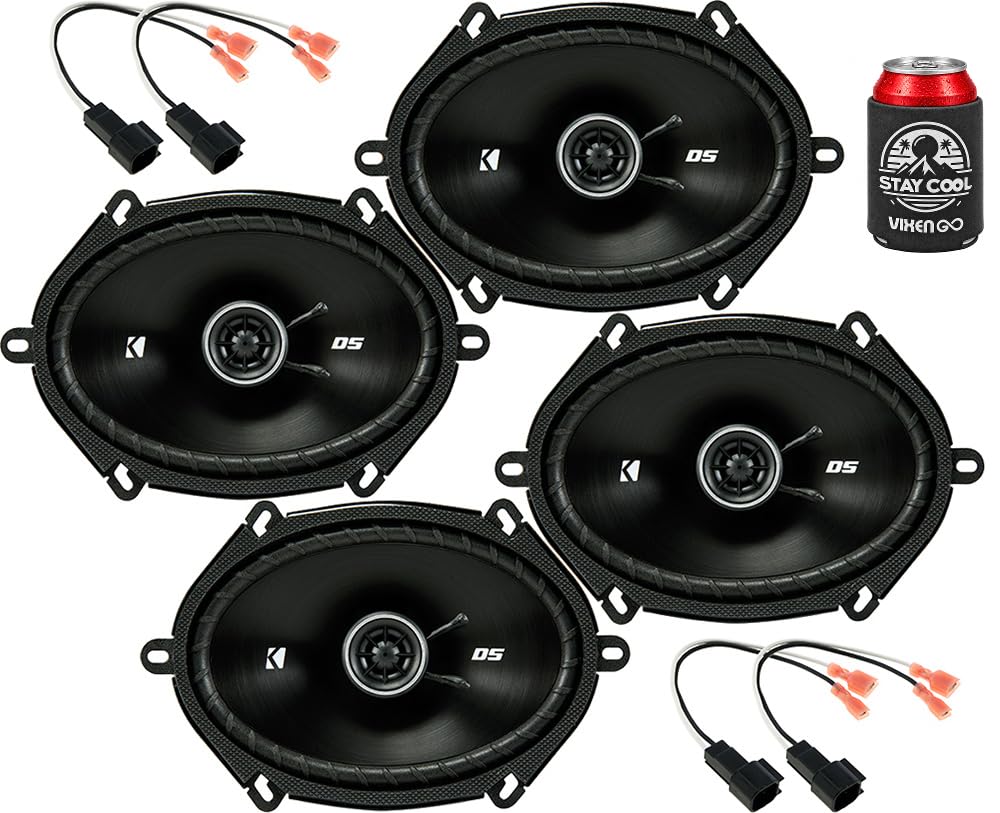

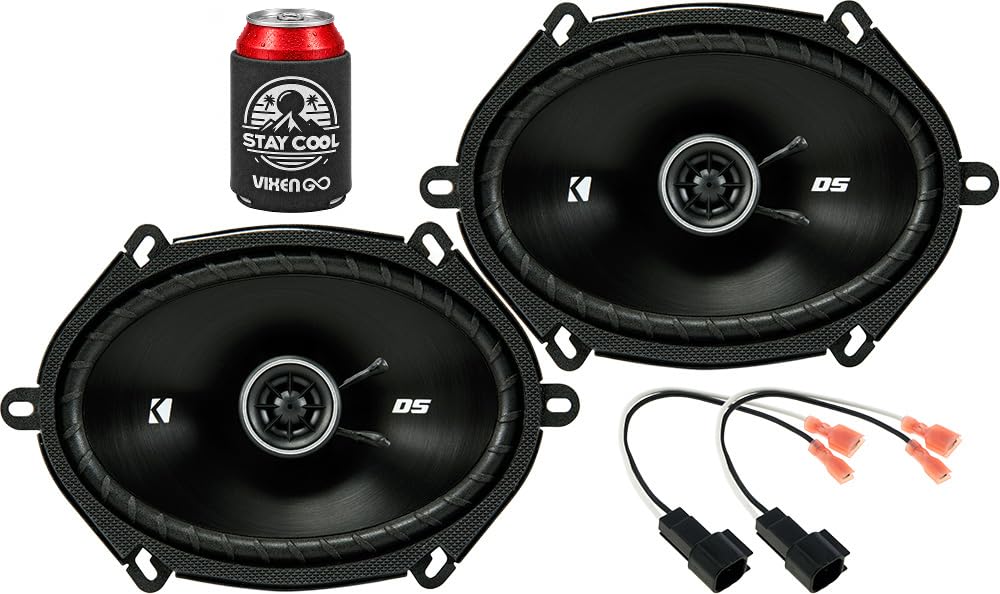
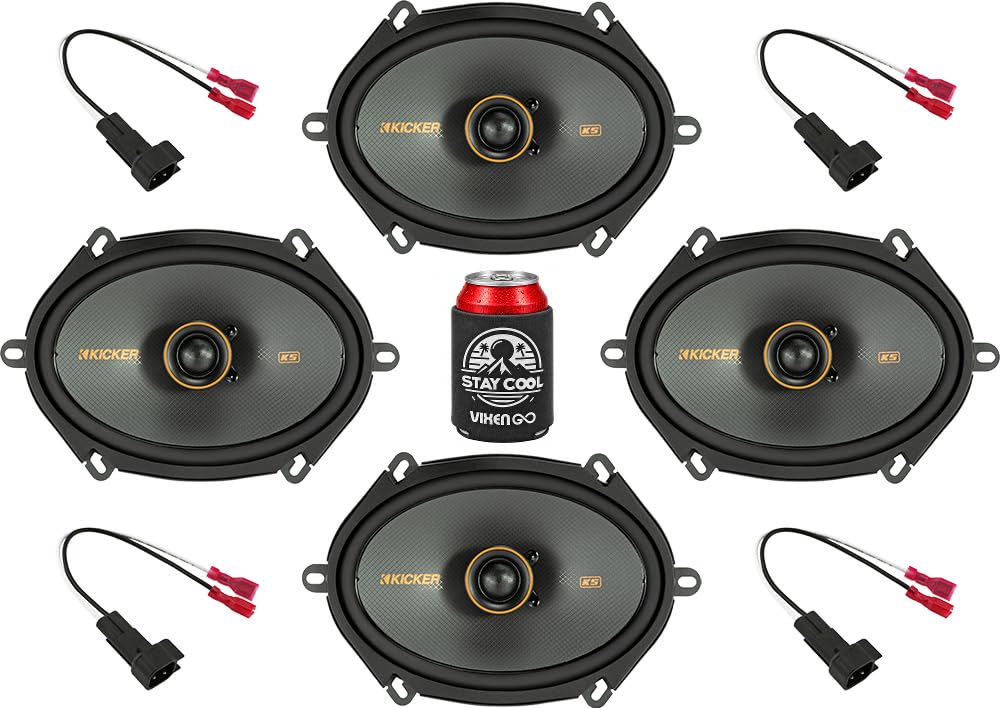


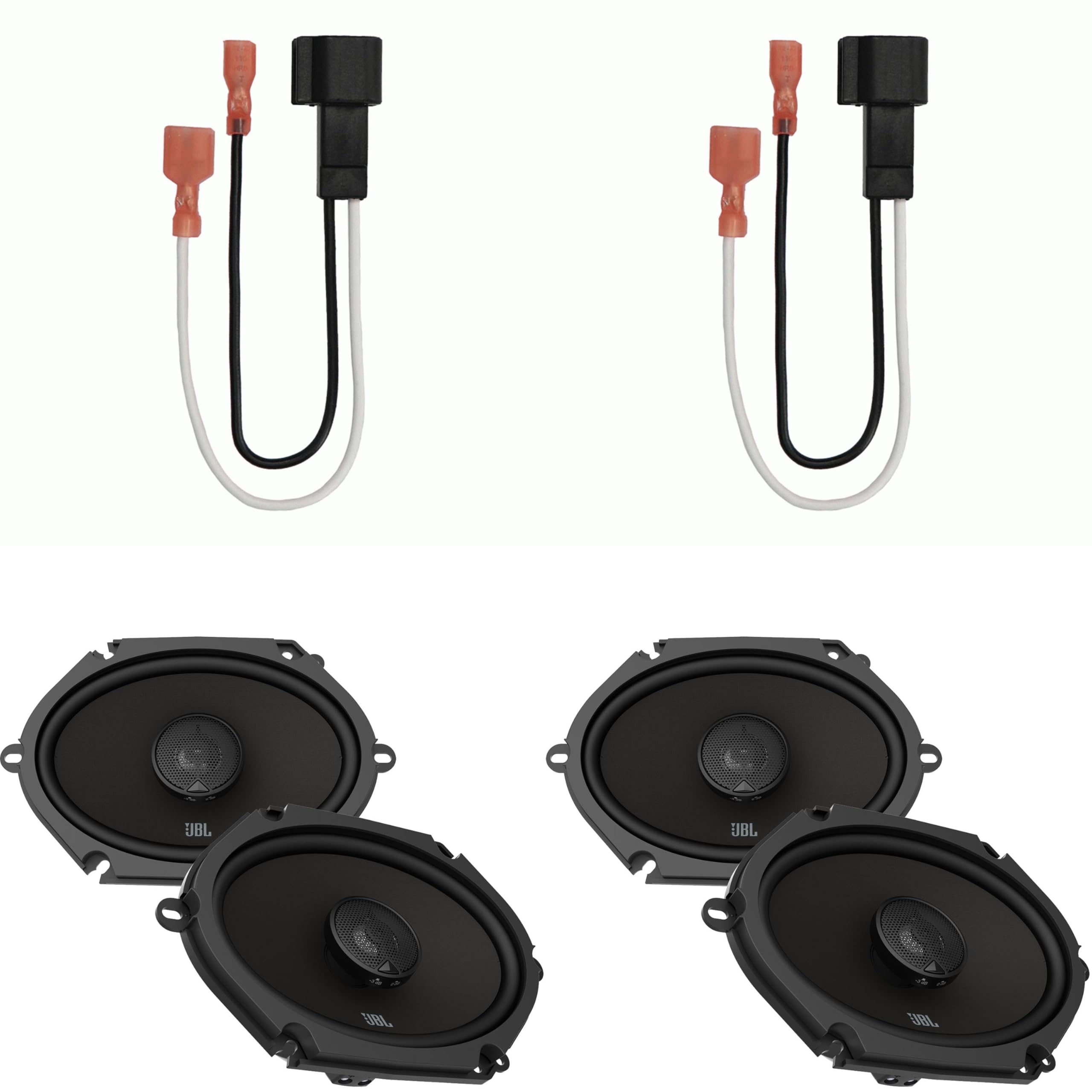
Who Should Buy the Best 6x8 Speakers for Ford F150
Start with the way you use your truck, not with a specification sheet. The four groups below cover most F150 owners, and each one points to a different set of priorities.
For Daily Commuters
If your F150 is mostly a commuter vehicle, clarity at moderate volume matters more than raw output. Look for high sensitivity ratings, around 90 dB or above, so a factory head unit can drive the speakers cleanly without strain. A smooth tweeter that avoids harshness keeps podcasts, news, and phone calls easy to follow on the highway. Durable cone materials also help, since doors heat up and cool down every day of the year.
For Work Truck Drivers
Work trucks live a harder life, with doors slammed often, dust everywhere, and long hours of talk radio or calls. Prioritize sturdy construction, moisture resistant materials, and grilles or designs that tolerate a rough environment. Loudness with low distortion helps you hear directions and calls over job site noise and open windows. If your truck has a basic factory system, efficient speakers give you the biggest improvement for the least extra equipment.
For Road Trip and Family Use
Long drives reward balanced sound that stays comfortable for hours. Choose speakers with even frequency response rather than boosted bass or sharp treble, because extremes get tiring on a six hour drive. Rear seat passengers benefit when rear door speakers match the tone of the front pair, so voices and music sound consistent through the cab. If you often carry kids, sturdy materials that survive kicked doors and spilled drinks are worth paying for.
For Music Fans Who Want More Volume
If you listen loud, focus on power handling and clean output at high volume. Speakers with higher RMS ratings pair better with an added amplifier later, while strong sensitivity still matters if you stay with factory power for now. A design with a separate or well integrated tweeter usually keeps vocals clear when the bass gets heavy. Readers comparing broader options can also see our guide to the best speakers for ford f150 for other sizes in the same truck.
Key Features to Compare
Spec sheets list plenty of numbers, but only a few of them predict how a speaker will sound in your doors. These are the ones worth your attention.
Features That Matter for Ford F150
The F150 uses 6x8 speakers in the doors of many model years, and fit is the first feature that matters. Check your exact year and cab style, because mounting depth and connector shapes vary across generations. Shallow mounting depth helps when window hardware sits close behind the speaker. Sensitivity matters more in this truck than in a small car, since the larger cab and higher road noise ask more from each speaker. If you are unsure about sizing across trims, check a fitment guide for your exact cab style.
Door Sealing and Damping
Big truck doors flex and leak air, which thins midbass. Seal the speaker to the panel with a foam ring, add sound deadening to the outer skin while the panel is off, and keep door pockets free of loose items that buzz against the trim. These steps often improve sound more than moving up one price tier.
Head Unit Tuning
Tuning happens in your head unit, where the equalizer is your main tool. Speakers with a balanced baseline tone respond smoothly to small changes, because no setting can fix a speaker that starts out harsh or dull. Some factory systems also adjust sound by seating position, which can shift the balance toward the driver.
Sound Quality and Tuning
Sound quality comes down to how evenly a speaker covers the frequency range you hear. A coaxial design puts a tweeter in front of the woofer, which keeps installation simple and works well in F150 doors. Larger voice coils and quality cone materials, such as polypropylene or treated paper, tend to hold together better at volume. Published frequency response ranges are a rough guide only, since the door itself acts as part of the enclosure and shapes the final bass output.
Power and Amplifier Matching
Door speakers connect with plain speaker wire, so the power you feed them matters. Factory head units deliver modest power, so choose sensitivity near 90 dB or higher. If you plan an amplifier later, match its per channel RMS output to the speaker rating. When you shop for a full refresh, our guide to the best replacement speakers for ford f150 covers what a complete swap involves.
Common Mistakes to Avoid When Buying 6x8 Speakers
- Shopping by peak power numbers alone, when RMS ratings and sensitivity predict real performance far better.
- Skipping the fit check for your model year, cab style, and door depth, then facing a return after the panels come off.
- Buying speakers far more powerful than your factory system can feed, which leaves them quiet and underwhelming.
- Replacing only one door speaker, which leaves mismatched tone from side to side.
- Ignoring the warranty and return window, even though door speakers live in a hot and damp environment.
Tips to Get the Most From Your 6x8 Speaker
After installation, give new speakers a few hours of normal listening before you judge them, because suspension parts loosen slightly with use. Set your equalizer flat at first, then adjust in small steps, cutting harsh ranges instead of boosting weak ones. Keep door pockets free of loose items that buzz against the panel, since rattles often come from the trim rather than the speaker. Recheck mounting screws after the first month, and clear dust from grilles with a soft brush. If bass sounds thin, check that both speakers are wired with the same polarity, because reversed wiring on one side cancels low frequencies.
6x8 Speakers: Your Questions Answered
What features matter most in 6x8 speakers for ford f150?
Fit, sensitivity, and cone material matter most. Confirm the speaker suits your model year and door depth first, then look for sensitivity around 90 dB or higher so factory power stays clean. A moisture resistant cone handles the damp door environment well. Power handling beyond what your system delivers adds cost without adding sound.
Do I need an amplifier in my F150?
No. High sensitivity models, around 90 dB or higher, play well on a factory head unit. An amplifier adds headroom and cleaner bass if you want more volume, and then the speaker RMS rating should match the amplifier output.
Is sound deadening worth the extra cost?
Yes for most doors and rear decks. Deadening the outer skin and sealing the speaker to the panel cuts rattles and tightens midbass, often improving sound more than moving up one speaker price tier.
Coaxial or component: which sounds better?
Component sets give better imaging because the tweeter mounts higher, but they cost more and take longer to install. Coaxial pairs are simpler, cheaper, and the right choice for most factory upgrades.
How do I protect speakers from door moisture?
Choose treated or polypropylene cones and rubber surrounds, keep door drain holes clear, and fit a foam baffle or the factory water shield behind the speaker so rain running down the glass does not reach the cone.
Do 6x8 speakers fit every F150?
Many F150 generations use 6x8 speakers in the front doors, but cab style and trim change the fit. Look up your truck in a fitment guide and compare the speaker depth with the space behind your current unit.
The Bottom Line
Match the speaker to your cab and your listening, confirm fit for your model year, and put sensitivity and build quality ahead of headline power numbers. The product table above pulls the current options together so you can compare the details in one place. Chosen that way, the best 6x8 speakers for ford f150 upgrade is one you hear on every drive. If you want a wider view of the size itself, our guide to the best 6x8 speakers covers other vehicles too.


