
Best affordable women s watches 2026: Buying Guide
Disclosure: We may earn a commission when you buy through links on this page, at no extra cost to you. As an Amazon Associate I earn from qualifying purchases. Learn more

Learn how to choose affordable watches for women, from case size and strap comfort to water resistance, so you find a daily watch that suits your wrist.
Shopping for best affordable women s watches can feel confusing because so many options look similar at first glance. This guide is written for women who want a reliable everyday watch without a high price, and it focuses on the practical differences that affect daily use rather than headline claims. Use it to narrow your shortlist before you spend money.
Picture a watch that goes from a work meeting to a weekend walk without looking out of place. That is the test for this category. A simple dial, a comfortable strap, and a case that sits neatly under a sleeve will get far more wear than a flashy design that only suits one outfit.


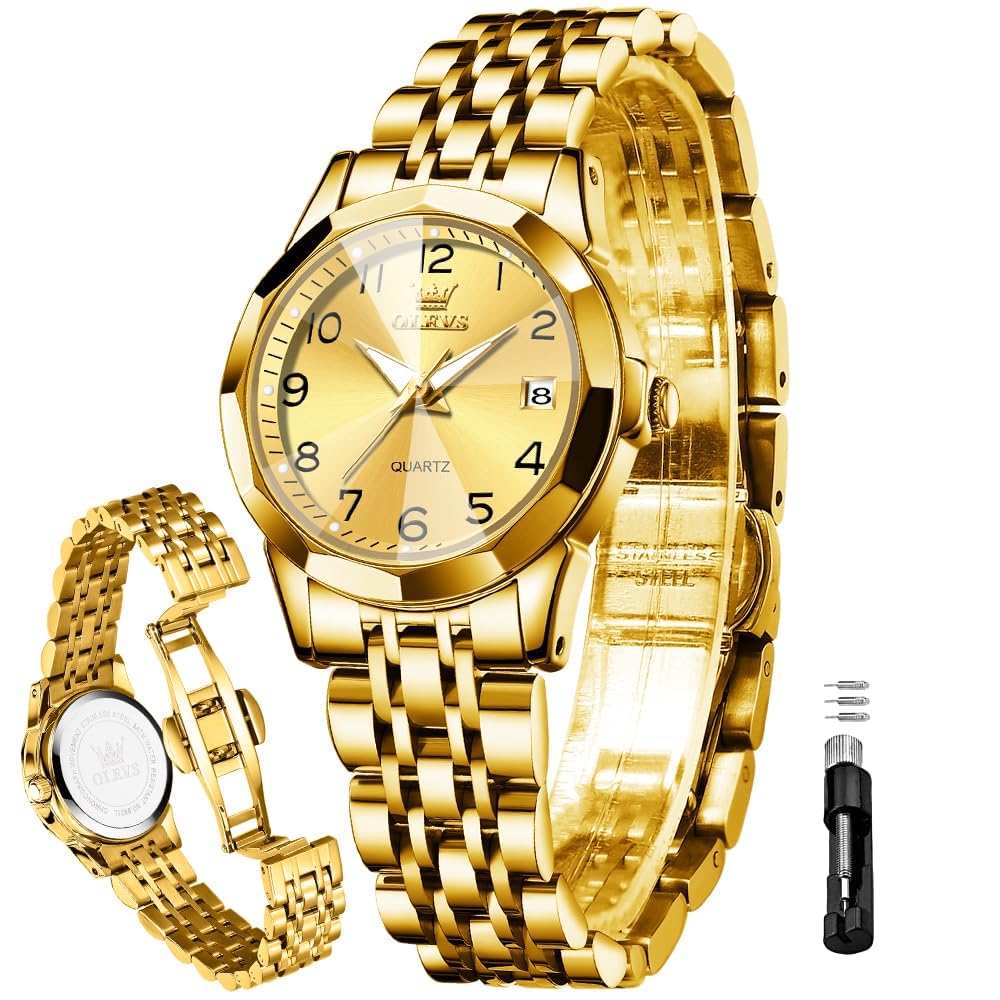


The comparison table below gives a quick overview, while the sections that follow explain what each feature means in real use. Take your time with the sections that match your situation most closely, because a feature that matters little to one buyer can matter a great deal to another.
Who Should Buy Affordable Women's Watches
This category suits buyers who want a dependable option for regular use rather than a specialist tool for a single task. If your routine includes the everyday situations described above, a well chosen model will serve you better than a cheaper option that misses a key feature or a premium option whose extras you never use.
It may not suit you if your needs are highly specialist or if you already own a setup that covers this job well. In that case, focus on the one gap in your current setup instead of replacing everything. A targeted upgrade usually gives better value than a complete change.
Key Features to Compare
Use this list as a checklist when you compare models side by side. Tick off the features that matter for your routine and ignore the rest, because chasing every feature often pushes you toward a more expensive model without improving your daily experience.
- Case size that suits a smaller wrist
- A strap material you can wear all day
- Clear dial with readable hands and markers
- Water resistance matched to your routine
- A clasp that stays shut and is easy to use
When two models look equal on paper, the deciding factor is often comfort or ease of use in your own setting. A feature that sounds minor in a description can become a daily frustration if it does not fit your hands, your room, or your routine.
Matching the Watch to Your Wardrobe
A watch that matches only one outfit will not earn its place. Neutral dials in white, black, or soft silver pair with most clothes, while a coloured strap can be swapped in later for a different look. If you wear a lot of warm metals, a gold tone case may blend better than silver, and the reverse is true for cool metals.
Think about the occasions you dress for most often. An office routine calls for a slim case and a quiet dial, while a casual routine allows a larger case and a fabric strap. Buying for your most common day, rather than a rare event, gives you a watch you will actually reach for each morning.
Planning for Everyday Use
Think about a normal week rather than a perfect day. How often will you use this, where will you store it, and who else might use it? Answers to those questions reveal practical needs that a specification list hides, such as cleaning, charging, storage, and replacement parts.
Also plan for upkeep from the start. A product that is easy to clean, maintain, and repair will cost less over time and cause fewer frustrations than one that needs special care. Check whether spares, straps, filters, or covers are easy to find before you commit.
Common Mistakes to Avoid
One common mistake is buying on price alone and discovering a missing feature later. Another is buying the largest or most powerful option when a mid range model would have suited daily use better. A third is ignoring size and fit, which matter more than most buyers expect until the product arrives.
Take measurements, check return terms, and read the maker guidance for care and limits before you order. A few minutes of checking now can save a return, a restocking fee, or months of living with a poor fit.
A Final Check Before You Order
Before you order, write down the three features that matter most for your routine and check each shortlisted option against that list. This simple step prevents a good looking option with a missing key feature from winning on price or appearance alone. Keep the list beside you while you compare, and be honest about which features you will actually use each week.
Next, confirm the practical details that are easy to overlook. Check the size, the return period, the warranty terms, and whether spare parts or accessories are easy to buy later. A product that is hard to return or repair can turn a small disappointment into a lasting frustration, so these details deserve a few minutes of attention.
Finally, think about the first month of use rather than the first day. Will the product still feel comfortable, convenient, and useful after the novelty fades? If the answer is yes for your top choice, you have likely found a good match. If you hesitate, revisit the feature list and see which need is still unmet.
Caring for Your Choice Over Time
Once you have chosen, give the product a fair trial in your normal routine before judging it. A new item often feels unfamiliar at first, and a few days of regular use reveal far more than a first impression. Keep the packaging and receipt during this trial period so a return remains simple if the fit proves wrong.
Pay attention to small details during that first period, such as comfort after an hour, ease of use when you are tired, and whether the product fits naturally into your day. These details decide long term satisfaction more than any single feature, and they are hard to judge from a description alone.
If a minor issue appears, check whether a simple adjustment solves it before giving up. A different setting, a better position, or a small accessory can turn a frustrating first week into a good long term choice. Maker guides and community tips often cover these adjustments in plain language.
Finally, keep a note of what worked and what did not, especially if you buy similar products in future. Your own notes become a personal buying guide that saves time and money next time, because you will remember which features mattered and which promises proved empty.
Related Guides
These related guides cover neighbouring choices that buyers often weigh at the same time: best affordable watches women, best women's watches, best affordable smart watches for women, best looking affordable watches and best women's watches. Reading one or two of them can clarify the trade offs before you commit.
Frequently Asked Questions
What should I check first when buying an affordable watch for women?
Start with the case size against your wrist and the strap material against your skin. A case that is too large will slide and catch on sleeves, while a strap that irritates your skin will stay in a drawer. Check the water resistance rating too, so you know whether it can handle rain or hand washing.
Are affordable watches durable enough for daily wear?
Many are, provided you match the watch to your routine. A watch worn at a desk faces far less stress than one worn during sport or manual work. Look for a secure clasp, a scratch resistant crystal where possible, and a strap you can replace when it wears out.
Should I choose quartz or automatic at this price?
Quartz is usually the practical choice at an affordable price because it keeps accurate time with little care and needs only a battery change every couple of years. Automatic movements at this price can be charming, but they need regular wear or winding and servicing costs more over time.
How do I pick a strap that will last?
Leather looks smart but needs care around water, while silicone suits active days and metal bracelets suit long term wear if the links are well finished. Check whether the strap uses standard spring bars, because that makes a future replacement simple and cheap.
What does water resistance really mean on a cheap watch?
A rating of 30 metres usually means splash resistance only, not swimming. For swimming you want a higher rating and a screw down crown where possible. Never press buttons underwater unless the maker states the watch is made for that use.
Final Thoughts
Choosing the right best affordable women s watches comes down to matching the product to your routine, your space, and your budget, in that order. The product table above can help you compare options, but your own daily use is the best guide to which features deserve priority.
Shortlist two or three options, check them against the points in this guide, and choose the one you will enjoy using every day. A thoughtful choice now pays off in comfort and value for a long time afterwards.


