Best Airplane Pillows for Long Flights by Budget in 2026
Disclosure: We may earn a commission when you buy through links on this page, at no extra cost to you. As an Amazon Associate I earn from qualifying purchases. Learn more

Compare the best airplane pillows for long flights by budget tier: shapes that hold your head upright, fills that pack small, and costs over time.
On a long haul flight, sleep is decided by whether your head stays put once you drift off. Prices for travel pillows run from a few dollars at an airport kiosk to premium designs that cost as much as a checked bag fee, and the gap is not always explained on the box. This guide sorts the best airplane pillows for long flights by budget tier, so you can see what each step up actually buys.
Shape comes first in every tier, then how the pillow packs, then how it behaves in an upright seat. The comparison table below sets the main classes side by side, and the sections after it explain which features deserve your money and which ones you can skip.





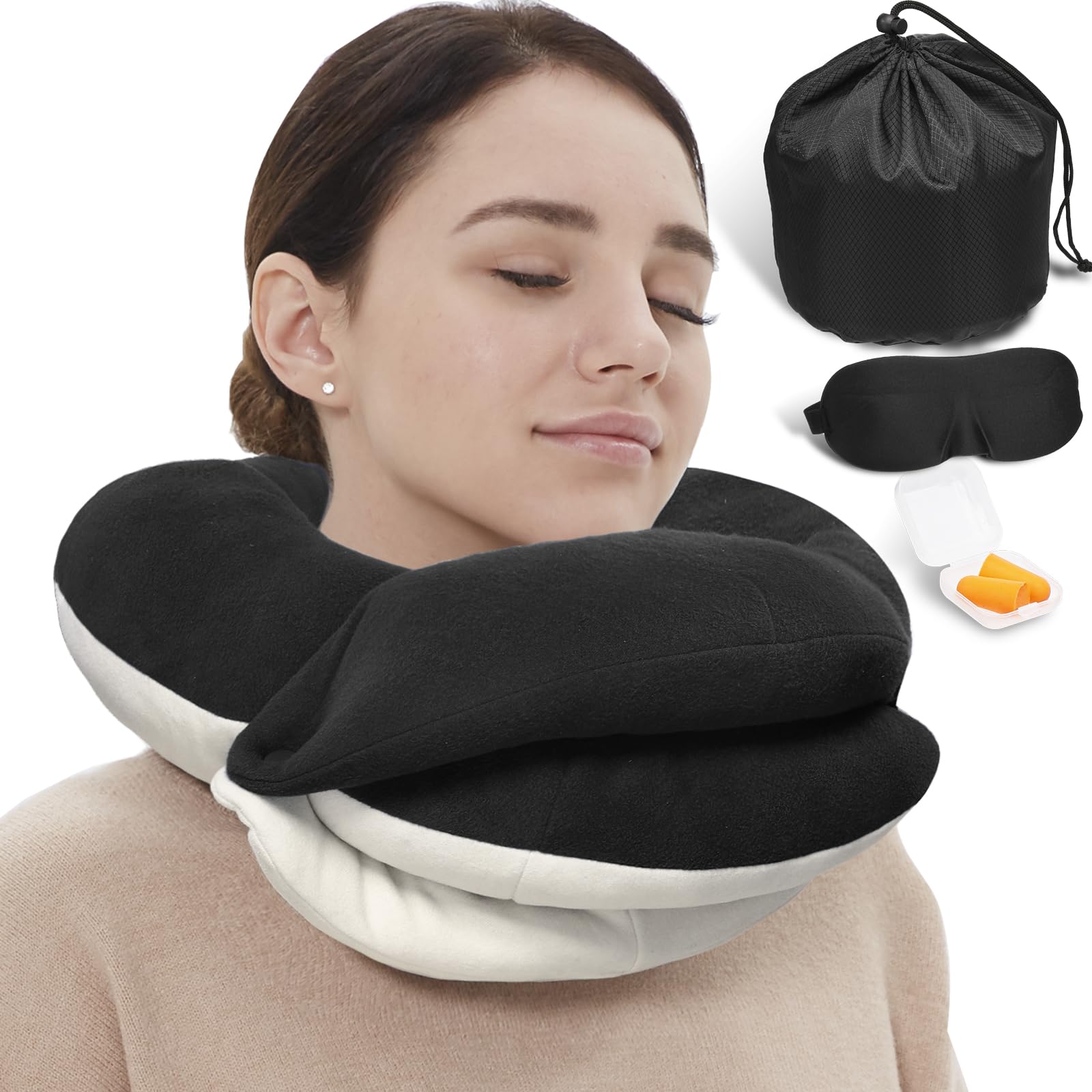
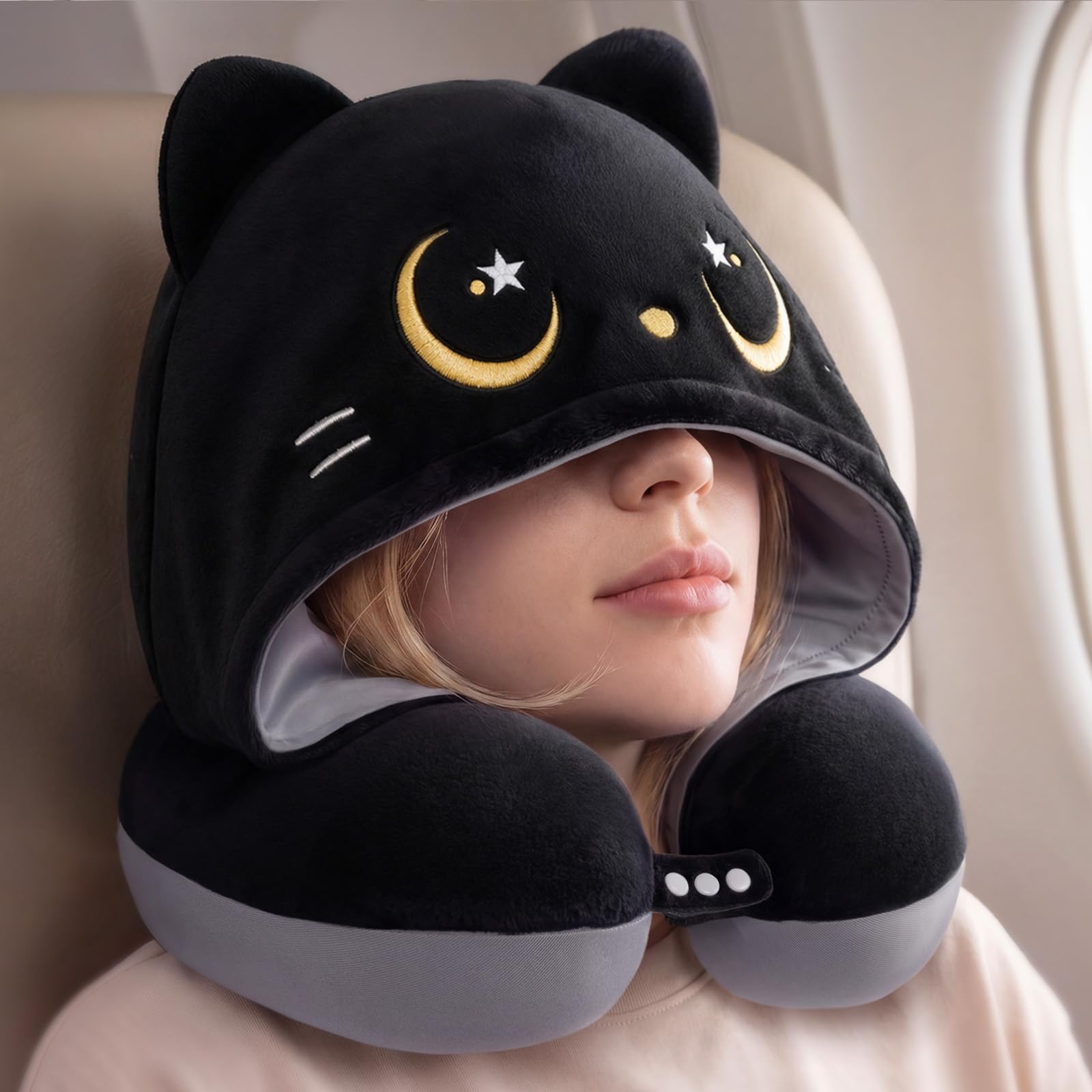
What Your Money Gets You at Each Price Tier
Three tiers cover nearly everything sold for cabin sleep. Each tier below names the typical build, the trade off you accept, and the traveler it suits.
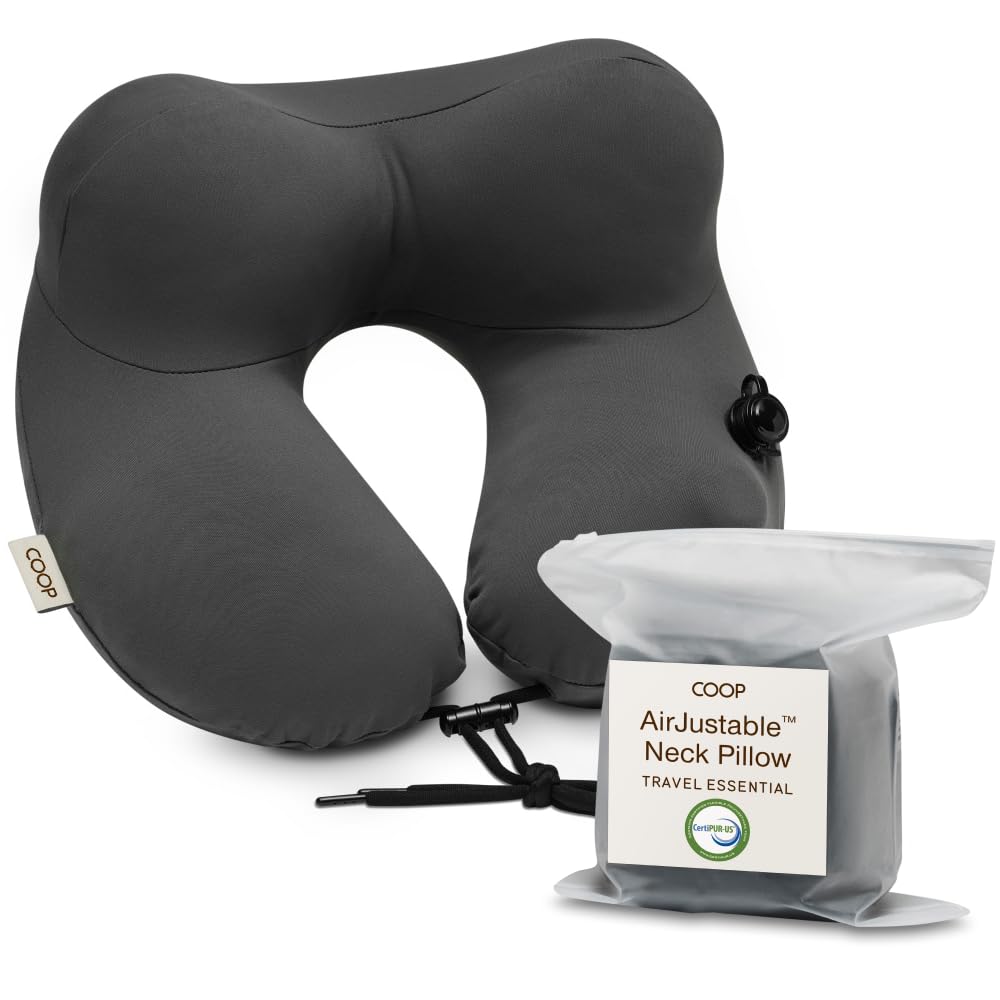
Budget Tier: Inflatable and Basic Foam
At about $10 to $20 you get inflatable pillows and simple foam in a plain U shape. Inflatable models pack to pocket size and let you set firmness by air volume, which general guides to best flight pillows treat as the starter class for occasional travelers. The trade off is support: thin foam flattens on a ten hour sector, and cheap valves leak slowly. Choose this tier for rare trips, as a backup, or to learn which shape your neck prefers before spending more.
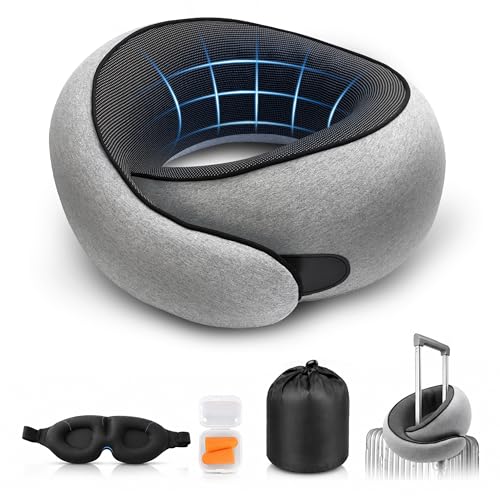
Midrange Tier: Shaped Memory Foam
At about $20 to $35 the pillow becomes shaped memory foam with a washable cover and a carry bag. The foam is contoured to cradle the jaw and the back of the head, so it holds position far better than a plain ring. Most designs in this tier compress into a stuff sack about half their open size.
This is where most frequent flyers land, because the support gain over the budget tier is large and the price stays sane. Broader guides to best airplane pillows place this shaped foam class at the center of the market for good reason.
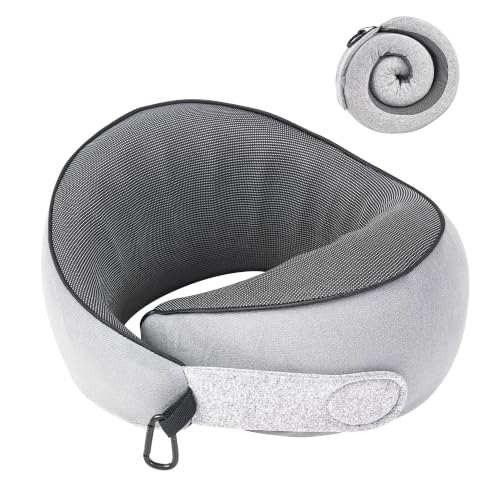
Premium Tier: Adjustable and Wrap Around Designs
At about $35 to $60 you pay for adjustability: wrap around scarves with internal supports, pillows with straps that anchor to the headrest, and fills you can add or remove. These designs target side leaning sleepers and people whose heads fall forward. Covers use softer fabrics, and some models add a small pocket or a washable outer layer. The gain is real for regular long haul travelers, but the pillows are bulkier, so weigh the support against the space left in your cabin bag.
Features Worth Paying For (and Ones to Skip)
Tier names tell you the price, not the fit. The features below decide whether a pillow in any tier earns its place in your bag on an overnight route.
Shape Comes First
Shape governs how an airplane pillow works, because an upright sleeper's head falls forward and sideways rather than back. A classic U shape supports the sides but leaves the chin free to drop, which is why many travelers wake with a stiff neck. Wrap designs and pillows with a raised back and chin support hold the head in more directions at once. Dedicated guides to best neck pillows for long flights compare these shapes in detail, and the rule is simple: pick the shape that blocks the direction your head actually falls.
Fill and Pack Size
Fill decides the pack trade off. Inflatable pillows shrink to almost nothing and adjust by breath, but air shifts as cabin pressure changes and the support feels floaty. Memory foam gives steadier support and packs to about half size in a compression sack. Microbead fills feel soft yet go flat and noisy over time.
Travelers comparing the wider class in guides to best travel pillows for long flights usually settle on foam for monthly flying and inflatable designs for rare trips where bag space matters more than support.
Support in an Upright Seat
A cabin seat holds you upright, and that posture is the whole problem. A good travel pillow fills the gap between your head and the seat wing so your neck muscles can switch off. Straps that clip to the headrest stop the pillow sliding forward when the seat reclines, and a flatter back panel keeps the pillow from pushing your head forward. Travelers who compare options in guides to best neck pillows for long haul flights will notice these seat fit details matter more on overnight sectors than any fabric upgrade.
Covers, Cooling and Care
Cabins run warm and crowded, so a breathable, removable cover earns its keep. Look for a zippered cover you can wash between trips, since the pillow sits against skin and hair for hours. Cooling fabrics feel pleasant at boarding but reach cabin temperature quickly, so treat them as a small bonus rather than a reason to upgrade a tier. Certifications such as OEKO TEX on the cover fabric signal limits on harmful substances, which matters for something pressed to your face overnight.
Extras You Can Skip
Skip novelty shapes that look clever in photos but support only one narrow posture. Skip built in speakers and vibration features, which add weight, need charging and rarely survive travel. A hood or eye mask bundled with a pillow can be useful, yet buying them separately usually costs less and fits better. The money saved on extras is better spent moving one tier up in shape and foam quality, where the difference shows up in how you feel on arrival.
Long Term Costs to Factor In
The purchase price is only part of the cost. Memory foam slowly loses rebound, and a pillow used monthly may need replacing in about two to three years. Inflatable models fail at seams and valves, often without warning, so a spare costs little and weighs nothing. Replacement covers, a compression sack and a clip for your bag add a few dollars each.
Add these to the tier price before you decide: a midrange pillow with a spare cover often costs less over three years than a premium pillow replaced early.
Airplane Pillows: Your Questions Answered
What features matter most in airplane pillows for long flights?
Shape matters most, because it decides whether your head stays supported once you fall asleep upright. After shape, look at pack size, a washable cover and a back panel flat enough to sit against the seat wing. One point tier lists rarely mention is strap placement: a pillow that clips to the headrest stays in position through turbulence and seat reclines, which is when cheaper pillows slide down and wake you.
How do I wash airplane pillows safely?
Wash the removable cover on a gentle cycle and air dry it, since heat can shrink the fabric and jam the zipper. Memory foam itself should not go in the washer; spot clean it and let it dry fully before packing, because trapped moisture smells fast in a closed bag. Inflatable pillows only need a wipe inside the cover. A useful habit is washing the cover the day you get home, not the night before the next trip, so everything is dry and ready.
What firmness is best for back pain on a long flight?
An airplane pillow supports your neck and head, not your back, so no firmness level treats back pain. Medium firm foam that holds your head level usually feels best, and a pillow that is too firm pushes the head forward in an upright seat. For the back itself, a rolled jacket or small cushion behind the lower back does more than any neck pillow setting. If back pain follows you on most flights, raise it with a clinician before your next long trip rather than shopping for a cure.
How often should I replace my airplane pillow?
Replace a memory foam travel pillow when it stops springing back or leaves your head tilted after a few hours, often after about two to three years of regular use. Inflatable pillows should be replaced at the first slow leak you cannot trace, since a pillow that deflates at hour six is worse than none. Covers can be replaced sooner for hygiene. A quick check before a big trip is to wear the pillow at home for an evening and see whether it still holds your head while you read.
Are cooling airplane pillows worth it for hot sleepers?
Cooling pillows help hot sleepers mainly in the first hour, while the fabric still feels cool against the skin. After that, cabin air sets the temperature, and breathability matters more than any gel layer. A ventilated foam and a light cotton cover give steady comfort without the cooling price step. If you run warm, spend on the breathable cover and bring a light layer you can remove, since cabin temperatures swing between boarding and cruising altitude.
Final Thoughts
Buy shape first, then pack size, then price tier. A midrange shaped foam pillow covers most long haul needs, and the premium tier earns its price only when you fly overnight often. Compare the classes in the product table above against your own head fall direction and cabin bag space. Chosen that way, the best airplane pillows for long flights are simply the ones still supporting your head when the cabin lights come up.