Best Airline Blankets at Every Price: What Your Money Really Gets You for 2026
Disclosure: We may earn a commission when you buy through links on this page, at no extra cost to you. As an Amazon Associate I earn from qualifying purchases. Learn more

Learn how to choose the best airline blankets by budget, fabric, size and packability, with clear price tier guidance and simple care tips for flights.
A travel blanket can cost under $15 or well over $60, and the photos alone rarely explain the gap. This guide to best airline blankets shows you what each price level usually delivers in warmth, size, and packability, so you can spend where it helps and save where it does not. Use the comparison table below to scan sizes, fabrics, and packed dimensions side by side.
Cabin air runs cold and dry, and the blanket an airline hands out, if it hands one out at all, is often thin and small. A blanket you own, wash yourself, and know how to pack can make a long flight far more restful.
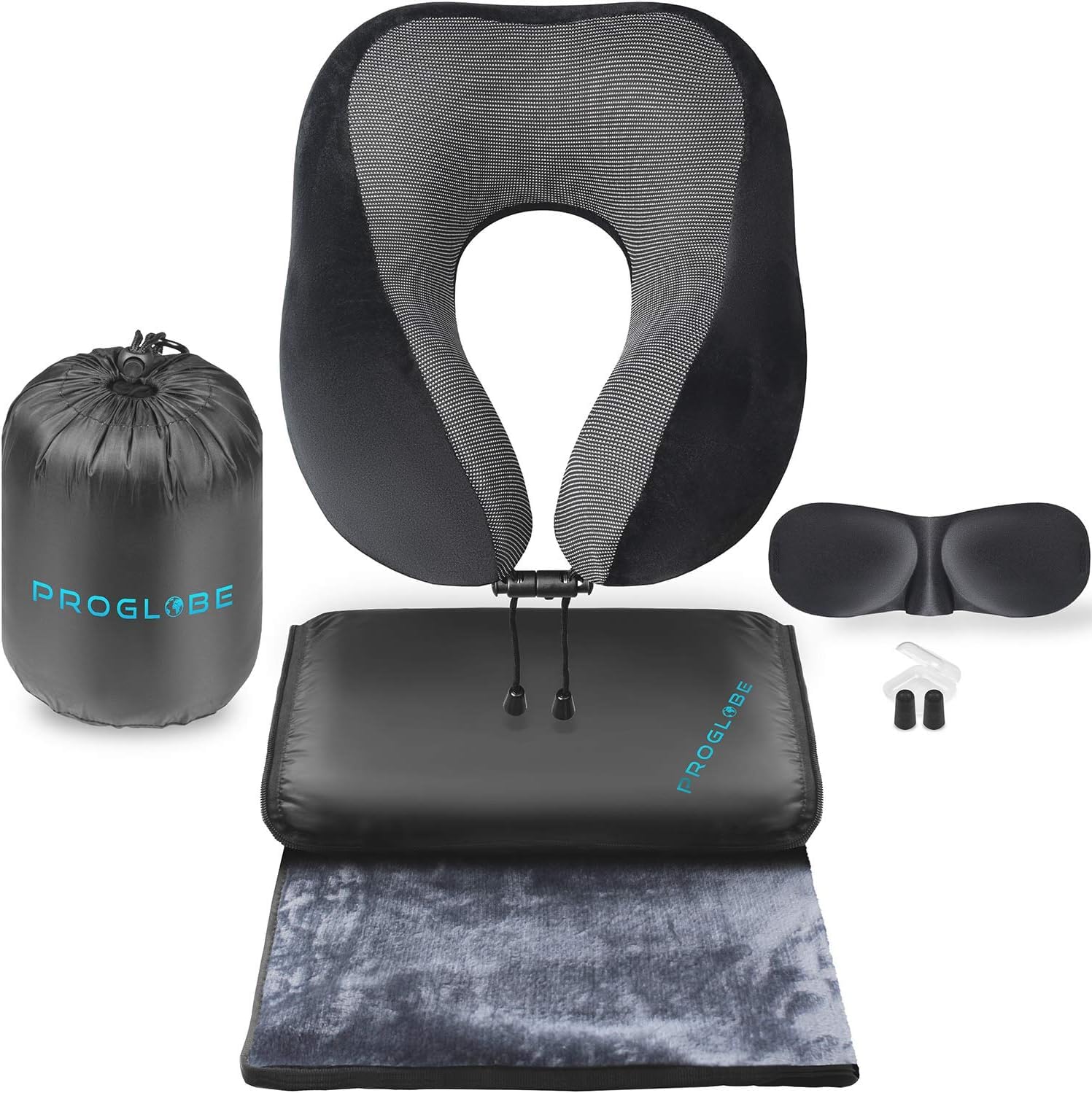
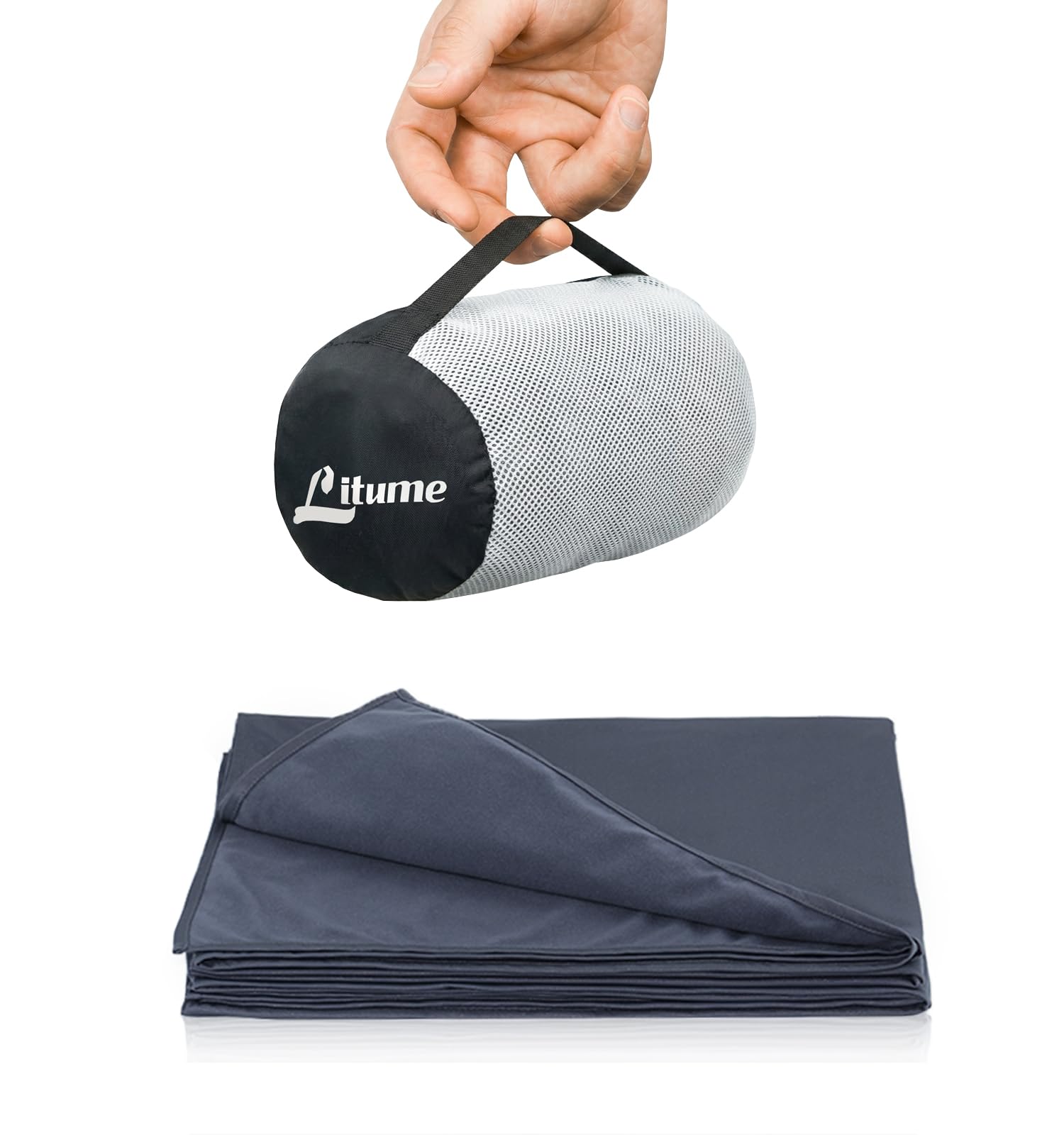


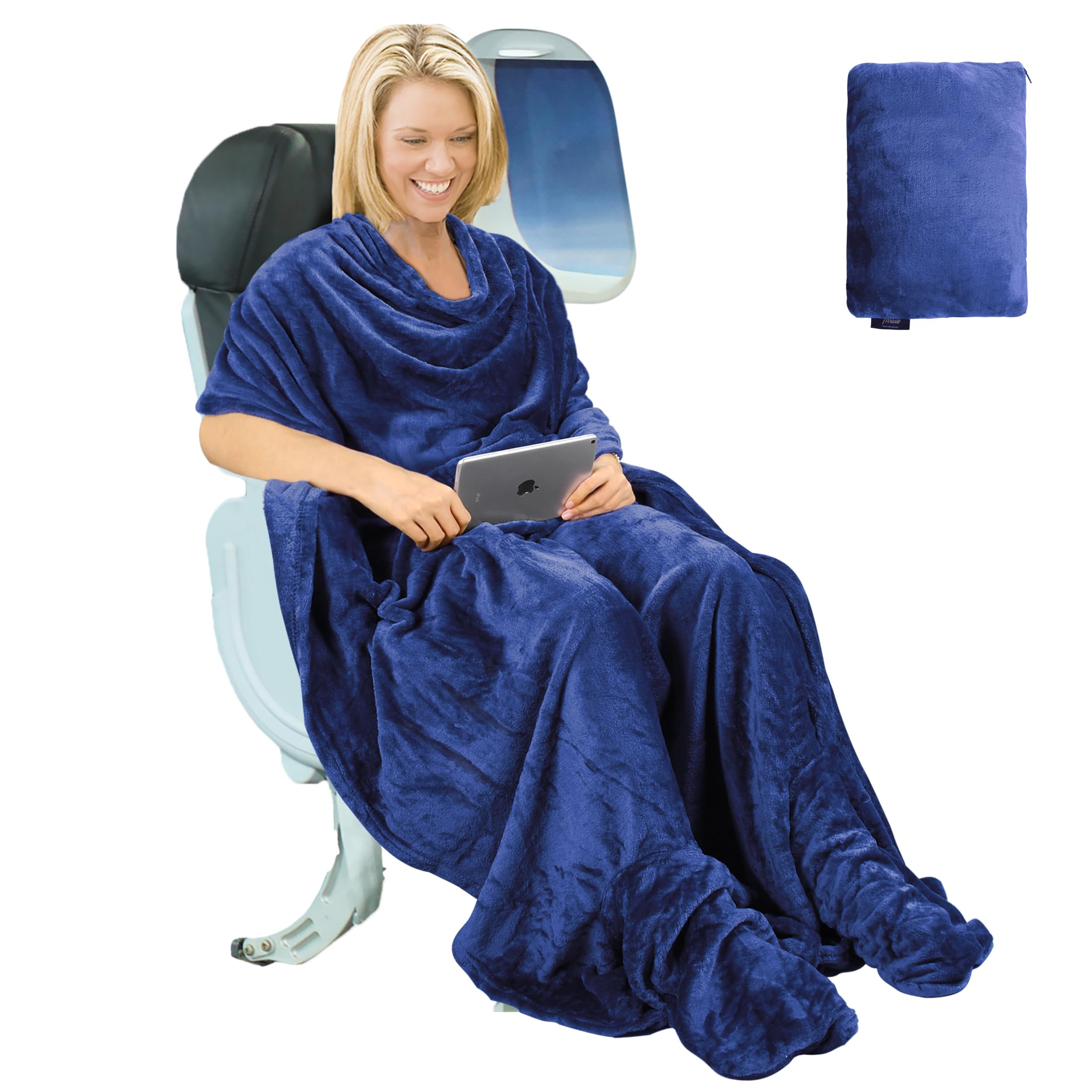


Budget Levels at a Glance
Think of each tier below as a set of criteria rather than a single winner. Judge any option in the product table above against these standards, and you will spot weak value quickly, even when the marketing sounds generous.
Under $20
A strong budget choice, usually around $10 to $20, should still cover your torso and legs while seated, fold into its own pouch or pocket, and survive machine washing without shedding heavily. Expect basic fleece or a thin woven polyester, simple stitched edges, and no extras such as a luggage strap. This tier suits occasional travelers and anyone who wants a clean spare for a child or a car ride. The main limit is warmth on very cold overnight flights, where a single thin layer may not be enough on its own.
$20 to $40
The midrange, around $20 to $40, is where most frequent flyers should shop. Look for a larger unfolded size, a carry pouch that doubles as a small pillow, and a strap or clip that attaches the packed blanket to your bag. Fabrics feel softer here, edges hold up better, and many options add a foot pocket or a poncho style opening that keeps the blanket from sliding off while you sleep. If you fly several times a year, this tier gives the best balance of comfort, durability, and packed size.
$40 and Up
Premium options, around $40 to $70, earn their price through fabric quality and thoughtful details rather than dramatic new features. Expect plush or woven natural blend fabrics, stronger stitching, a well made case, and a size generous enough to wrap your shoulders fully. Some add a small zip pocket for earbuds or a passport. Pay this much only if you travel often, run cold on planes, or want one blanket that also works well on trains, in hotels, and at home on the couch.
What Your Money Gets You at Each Price Tier
Price tiers in travel blankets map closely to fabric weight, finished size, and how small the blanket packs. Understanding that pattern helps you decide whether a higher price solves a problem you actually have.
Budget Tier: What to Expect
Budget blankets focus on basic coverage at the lowest cost. Materials are usually lightweight fleece or thin microfiber, sizes tend to run smaller, and the packed bundle may be bulky for the warmth it gives. Care is simple, since most tolerate any wash cycle, and replacement cost is low if one gets lost. For a rare trip or a backup blanket, that trade off is sensible. For monthly travel, the thin fabric and weaker edges will likely frustrate you within a year.
Midrange Tier: The Sweet Spot for Most Buyers
Midrange blankets add the features travelers actually use. A pouch that becomes a pillow saves you carrying two items, a luggage strap keeps your hands free in the terminal, and denser fabric blocks cabin drafts without overheating you during boarding. Sizes grow enough to cover tall travelers more completely. This is also the tier where fabric blends start to feel pleasant against skin for hours, rather than merely acceptable for a short nap.
Premium Tier: When Spending More Pays Off
Premium blankets reward people who notice texture and who travel in all seasons. Natural fibers and richer blends breathe better, resist odor over a long trip, and drape more like a home blanket. Construction details, such as bound edges and reinforced corners, extend service life across many washes. The packed size is not always smaller, so check dimensions if your personal item space is tight. Pay for this tier for comfort and longevity, not for status.
Features Worth Paying For (and Ones to Skip)
Feature lists for travel blankets can look long while adding little. The points below separate upgrades that change your flight from details you can safely ignore at any price.
Size and Fit
Check the unfolded size first. A blanket around 50 by 60 inches covers most seated adults well, while smaller options around 40 by 55 inches may leave your feet or shoulders exposed when you shift in your seat. If you are tall, prioritize length over thickness. Also check the packed size against your personal item. A warm blanket that eats half your under seat bag creates a new problem, especially on airlines with strict bag checks.
Durability and Care
Look for bound or double stitched edges, fabric that resists pilling, and clear washing instructions you can follow at home. A blanket you cannot wash easily will not stay pleasant for long, since cabin floors and tray tables are not clean surfaces. Generous return terms help if the fabric sheds or the pouch zipper fails early. If you want a heavier option for home use between trips, see our guide to the best quality blankets for construction points that carry over.
Warmth and Comfort
Warmth comes from fabric weight and weave, not from marketing words. Dense fleece and plush fabrics trap air and feel warm quickly, while loose woven fabrics breathe better for travelers who overheat. Consider your usual flights. Short daytime routes need light coverage, while overnight long haul flights justify thicker fabric. A foot pocket or poncho opening adds real comfort because the blanket stays in place when you sleep, which matters more than a small difference in fabric softness.
Material and Fill
Polyester fleece is warm, light, cheap, and easy to wash, though it can feel stuffy and build static. Cotton blends feel cooler and softer against skin but pack larger and dry slowly. Wool blends regulate temperature beautifully and resist odor, at a higher price and with more careful washing. Travel blankets have no loose fill like a comforter, so ignore bedding terms that sellers sometimes copy into listings. If warmth at home is your main goal instead, a best heated blanket guide covers a different tool built for beds, not cabins.
Packability and Noise
The best travel blanket folds into its own pouch, compresses without special effort, and attaches outside your bag when space runs short. Rustling fabrics can annoy you and nearby passengers, so prefer soft fleece or woven cloth over crinkly coated materials. A quiet zipper or simple fold closure beats loud hook and loop strips in a dark cabin. Run through the packing routine at home once, because a blanket that takes five minutes to repack will end up draped over your arm in the jet bridge.
Long Term Costs to Factor In
The purchase price is only part of the cost. A very cheap blanket that pills, sheds, or tears after a few trips costs more per use than a midrange one that lasts for years. Factor in a small stuff sack if the blanket lacks a pouch, and replacement if you tend to leave items on planes. Washing costs are minor, though wool blends may need gentler detergent. For shared family travel, one durable blanket per regular traveler usually beats a pile of thin spares, much like the logic in our guide to best throws and blankets for home use.
Airline Blankets: Your Questions Answered
What size airline blanket should I buy?
Most adults do well with a blanket around 50 by 60 inches when unfolded. That size covers your legs and torso while seated and still packs reasonably small. If you are over six feet tall, look for extra length rather than extra width. Always compare the packed dimensions with your personal item, since a blanket that only fits in checked luggage will not help you in the cabin.
How often should I replace my airline blanket?
Replace a travel blanket when it stays thin and flat after washing, sheds fibers onto your clothes, or develops torn edges that catch and grow. With regular travel, a budget blanket may last about a year, while a well made midrange or premium blanket can serve for several years. Wash yours after each trip, and fading color alone is not a reason to replace a blanket that still feels warm and intact.
How do I wash airline blankets safely?
Wash most travel blankets in cold water on a gentle cycle, then dry on low heat or air dry to protect the fabric. Wash a new blanket alone the first time, since loose dye and lint are common. Wool blends may need a gentle detergent and flat drying, so read the care label before the first wash. Washing after every trip matters, because blankets touch cabin floors, seats, and shoes.
Is a higher thread count always better for a travel blanket?
No, thread count is a sheet term and tells you almost nothing about a fleece or woven travel blanket. What matters is fabric weight, weave density, and how the material feels after several washes. A dense fleece with no stated thread count will usually keep you warmer than a thin woven blanket boasting a big number. Judge warmth by thickness, drape, and owner reports of pilling rather than by thread count claims.
Are cooling airline blankets worth it for warm sleepers?
They can be, if you often feel hot during boarding and then cold once the cabin settles. Breathable cotton or bamboo blend blankets give light coverage without trapping much heat, and they stop the chill from air vents without making you sweat. On overnight flights in winter, though, a cooling blanket alone may feel too thin. Warm sleepers who fly long haul often do best with a midweight breathable blanket plus layers they can adjust.
Wrapping Up
Start with size, then fabric, then packed dimensions, and let your flight pattern set the budget. Occasional travelers can spend around $10 to $20 with confidence, while frequent flyers get better value in the midrange. When you are ready to compare options, revisit the product table above and judge the best airline blankets against the criteria in this guide rather than against marketing claims.