
Best Affordable Waterproof Watches: Types Compared and How to Choose for 2026
Disclosure: We may earn a commission when you buy through links on this page, at no extra cost to you. As an Amazon Associate I earn from qualifying purchases. Learn more

Compare the best affordable waterproof watches by type, ideal users and price range to choose a style that suits daily wear and water.
Waterproof on a watch listing can mean anything from splash protection to gear that survives a deep swim, and the four main watch types handle water very differently. That is why choosing by type first saves you money and disappointment. This guide compares each type by who it suits, what it does well, and where it falls short.
Once you know your type, the details like case size, strap, and movement fall into place quickly. Start with the comparison table below to see how the best affordable waterproof watches are priced, then read the type breakdowns that follow.
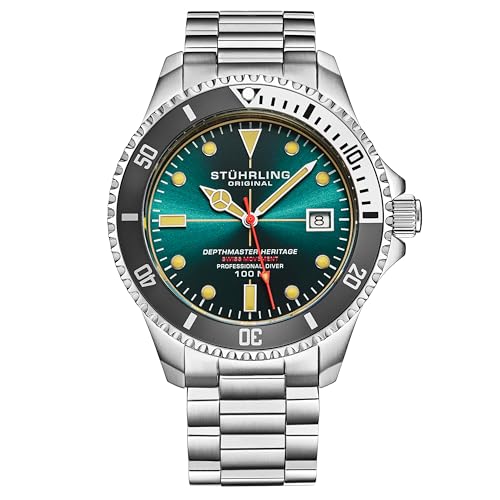
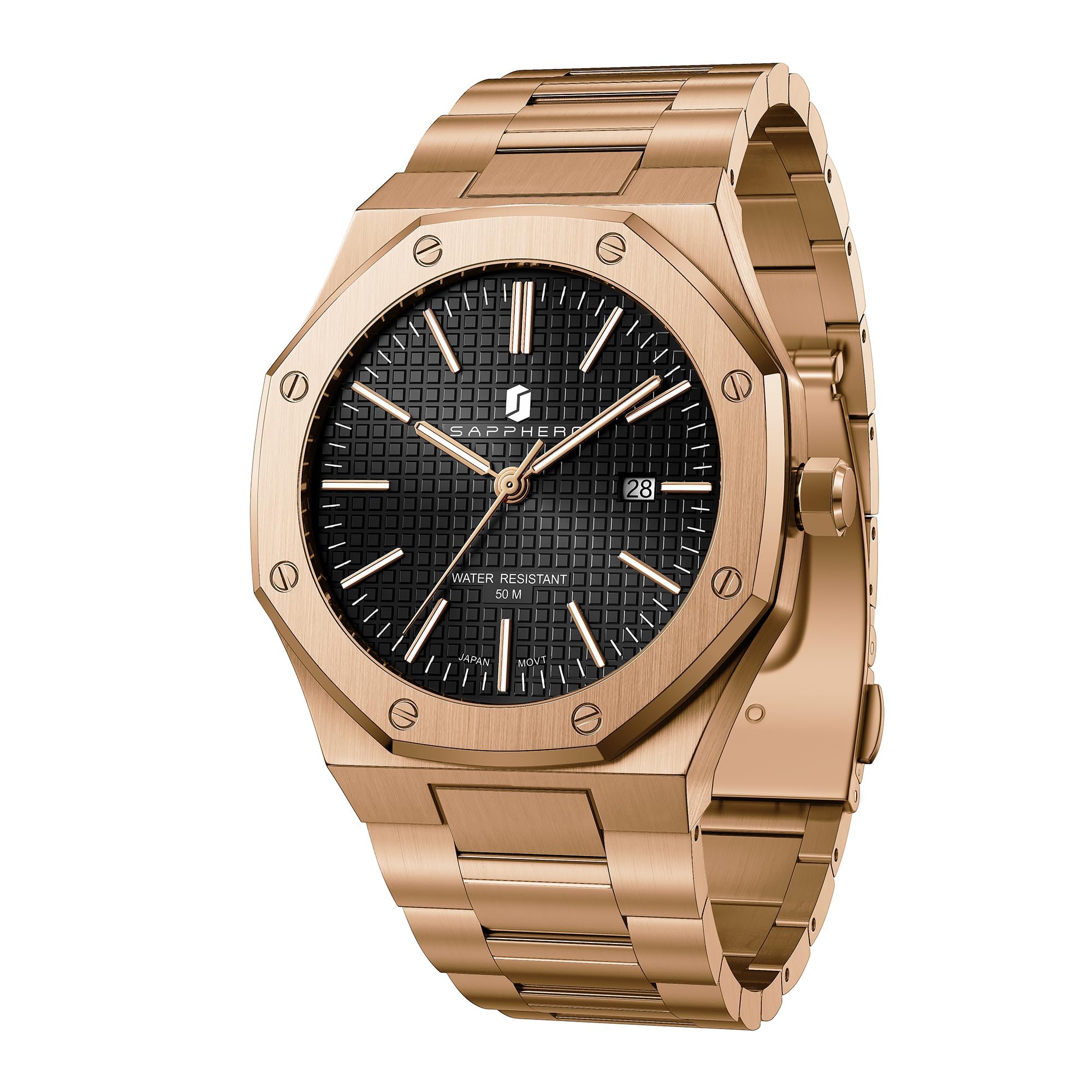
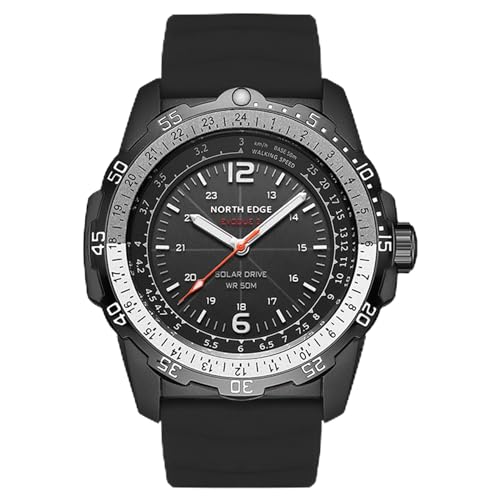
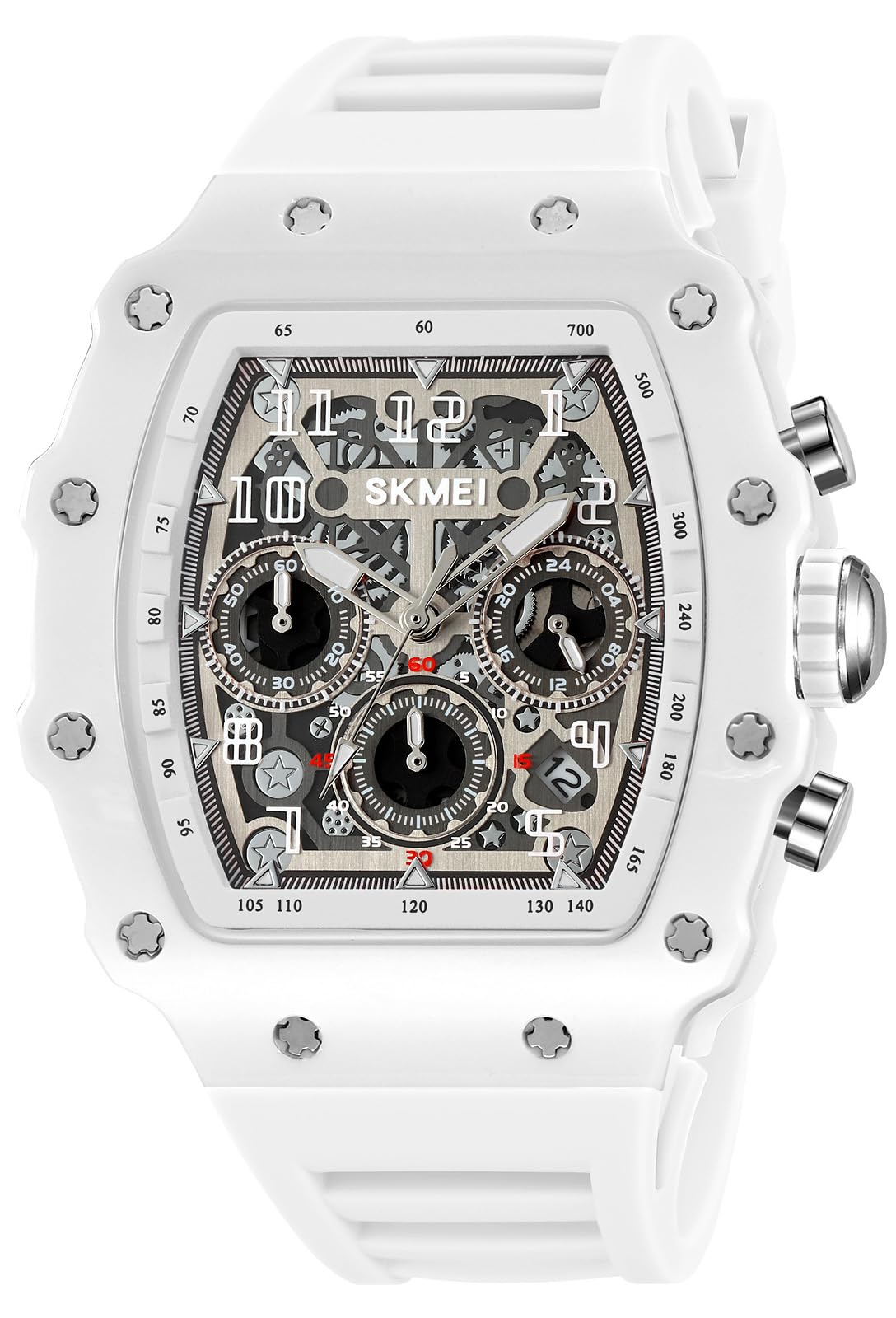

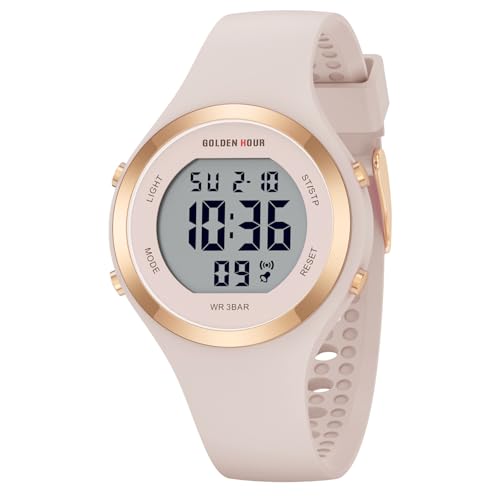

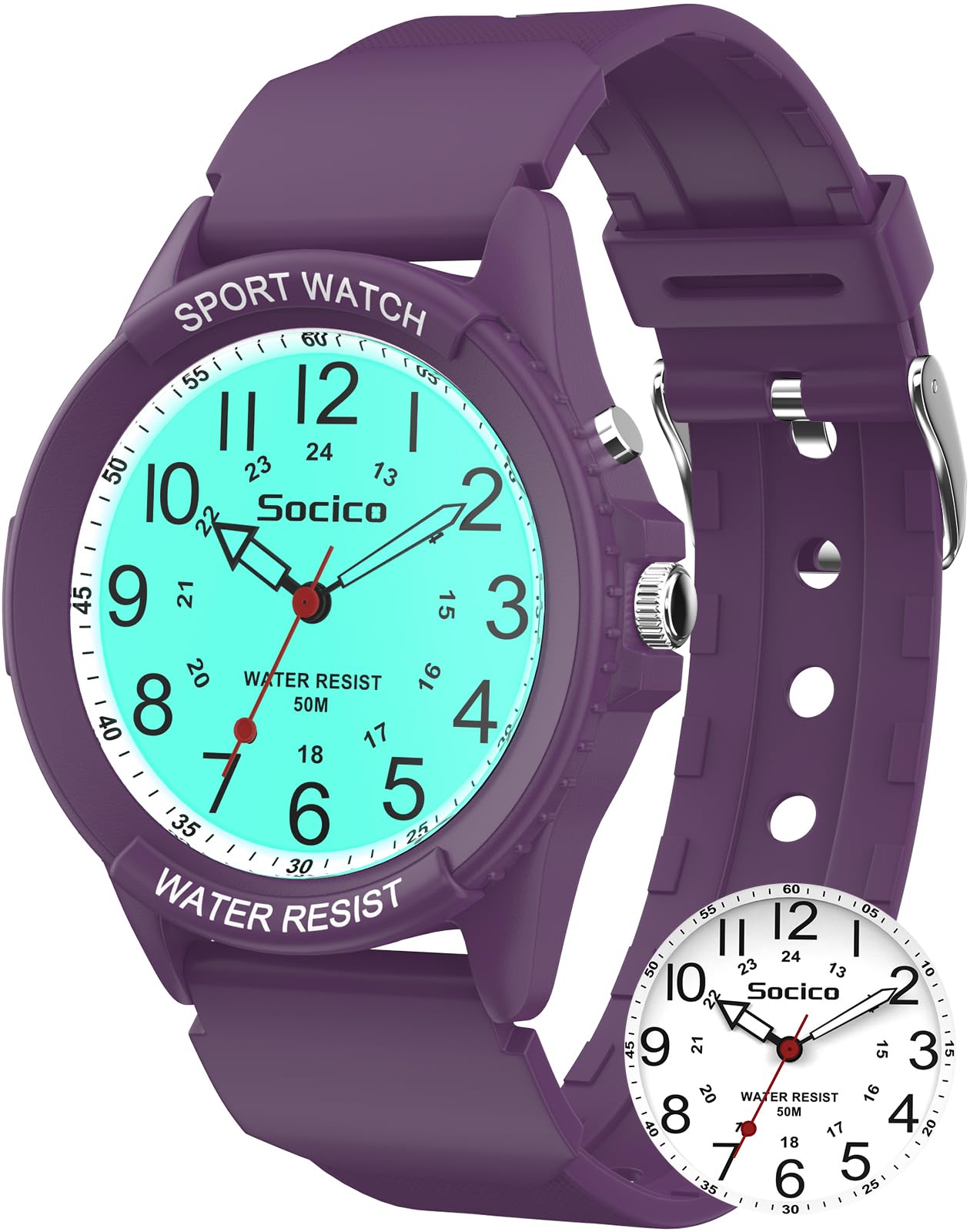


Types of Waterproof Watches Compared
Here is the short version before the details. Dive and field watches are the rugged traditional choice, usually around $50 to $250, and they ask almost nothing of you. Smartwatches add fitness tracking and notifications, usually around $100 to $300, but need regular charging. Automatic watches offer mechanical charm around $100 to $300 with servicing costs later. Solar watches sit around $80 to $250 and trade battery changes for regular light exposure.
Dive and Field Watches
Dive style watches carry the strongest water ratings in this price range, commonly 100 to 200 meters, with a screw down crown and a rotating bezel for timing swims or dives. Field watches are simpler and tougher than they look, often rated to 100 meters, with plain legible dials built for outdoor use. Both run for years on a quartz battery or a rugged automatic movement. The downside is weight and size, since cases built for water tend to wear large. Choose this type if you swim often, work outdoors, or want a watch you can forget about.
Smartwatches
A smartwatch pairs with your phone to track workouts, sleep, heart rate, and in many cases GPS routes, and most affordable models carry a swim rating for the pool. The screen based design means you get far more data than any traditional dial can show. The trade offs are real: charging every one to seven days, water ratings that usually stop at pool depth, and seals that age as the battery and case wear. Touchscreens can also misbehave with wet fingers. Choose this type if training data and notifications matter more than decades of service life.
Automatic Watches
An automatic watch winds itself from the motion of your wrist, so there is no battery to replace. Affordable automatics with genuine swim ratings exist, usually in dive style cases with screw down crowns. You get smooth sweeping seconds and a watch that can last decades with servicing. Against that, accuracy runs to several seconds a day, the watch stops after a day or two off the wrist, and a service every five to seven years costs real money. Choose this type if you enjoy mechanical objects and accept the upkeep as part of the hobby.
Solar Watches
Solar watches charge a rechargeable cell through the dial whenever light reaches them, indoors or out. A full charge can run for months, even stored in the dark, which makes them close to maintenance free. Many solar models are built as outdoor or dive styles with strong water ratings and resin cases that shrug off knocks. The limits are style and size: solar dials need light friendly materials, and cases skew sporty and large. Choose this type if you want traditional watch simplicity with almost no battery worries.
Dive and Field Watches vs Smartwatches: Which Should You Choose?
Start with water use. A traditional dive or field watch with a 200 meter rating and a screw down crown handles swimming, snorkeling, and showering without thought. A smartwatch handles pool laps well but should stay away from high speed water sports and hot showers, which stress its seals and speakers.
Next, consider upkeep and lifespan. A quartz field watch asks for a battery every few years and can serve for a decade or more. A smartwatch needs charging constantly and software support ends long before the hardware wears out. On features, the smartwatch wins easily, with GPS, training load, and phone alerts no dial watch can match. On cost over time, the traditional watch wins, because one purchase plus cheap batteries beats replacing a smartwatch every few years. For a wider view of the category beyond budget models, see our guide to the best waterproof watches.
How to Choose the Right Waterproof Watch
Movement Type (Quartz, Automatic, Solar, Smart)
The movement decides accuracy and upkeep. Quartz is the most accurate and cheapest to run, losing only a few seconds a month, with a battery change every two to three years. Automatic movements charm with their sweep but drift daily and need servicing. Solar removes battery changes almost entirely, as long as the watch sees light weekly. Smart movements are really small computers, accurate by syncing to your phone, but dependent on charging and updates. Match the movement to your patience level first.
Strap and Bracelet Options
For regular water use, rubber, silicone, and nylon straps win, because they dry fast and never rust. A metal bracelet works in water too, but it adds weight and traps grit at the links. Leather looks smart yet suffers in water, swelling and cracking over time, so keep leather for dry days. Quick release spring bars make swapping straps a ten second job with no tools, which lets one watch cover both the pool and the office. Whatever you choose, confirm the lug width before ordering a spare strap.
What You Can Realistically Get on a Budget
Around $50 to $150 buys honest quartz watches with 100 meter ratings, mineral glass, and resin or steel cases. Around $150 to $300 adds sapphire crystal on some models, better bracelets, and stronger lume. What budget rarely buys is all of it at once: expect to trade sapphire for an automatic movement, or a steel bracelet for a higher water rating. Do not save money on the crown and gasket quality, because those seals are the whole reason the watch survives water. If style within a budget matters most, our guide to the best looking affordable watches covers dial and case design in more depth.
Legibility and Style
A waterproof watch you cannot read at a glance fails its job. Look for strong contrast between hands and dial, large hour markers, and lume that glows after a day in the sun or under a lamp. Dive styles read bold and sporty, while field styles read plain and classic, and either can work with casual office wear. Slim cases under 12 mm slide under a cuff more easily. Decide where the watch will spend most days, desk or trail, and let that setting pick the style.
How to Make Your Waterproof Watch Last Longer
- Rinse after saltwater exposure. Salt and sand work into bezels and crowns, so a gentle rinse in fresh water after beach days protects the seals.
- Service automatic watches every 5 to 7 years. A service replaces worn gaskets as well as old oil, which keeps the water rating honest.
- Store away from magnets. Speakers and clasps can magnetize a mechanical movement and wreck its accuracy until it is demagnetized.
- Never open the crown in water. Pushers and crowns must stay sealed while wet, or water enters the case directly.
- Replace gaskets with the battery. Ask the watchmaker to renew seals at every battery change on quartz models.
Shoppers who want one watch for everything often compare these types against the broader picks in our guide to the best affordable wrist watches, where water rating is one factor among several. Men shopping specifically by fit and style will also find our guide to the best affordable watches for men useful for case size guidance.
Waterproof Watches: Your Questions Answered
How long does a watch battery last?
A typical quartz watch battery lasts about two to three years. Features like alarms, backlights, and chronographs shorten that life because they draw extra power. When the battery dies, replace it promptly, since a dead cell can leak and damage the movement. Ask for a pressure check after the case has been opened, because the water seal was disturbed during the swap.
What case size fits my wrist?
Measure your wrist with a tape, then match it to case diameter. Wrists under 6.5 inches usually suit 36 to 40 mm cases, mid size wrists suit 40 to 42 mm, and larger wrists can carry 44 mm and beyond. Lug to lug length matters as much as diameter: the lugs should not overhang the edges of your wrist. Dive watches wear larger than their numbers suggest.
How water resistant should a watch be?
For daily wear with rain and hand washing, 50 meters is enough. For swimming and showering, choose 100 meters so the rating holds up as gaskets age. For snorkeling and serious water sports, 200 meters with a screw down crown is the safe pick. Remember that ratings assume still water in a lab, so real movement in water adds pressure the numbers do not show.
Is a smartwatch worth it over a classic watch?
It is worth it if you will use the training and notification features weekly. Swimmers who log laps and runners who track GPS routes get real value from the data. If you only want the time and a watch that survives the pool, a classic quartz model costs less and lasts far longer. Many owners end up with both, wearing each where it works best. Our guide to the best affordable smart watches explains the feature trade offs.
Quartz or automatic: which is better?
Quartz is better for accuracy, price, and grab and go convenience, since it is always running and right. Automatic is better for people who value mechanical craft and a battery free life. Neither survives water better by itself, because the case, crown, and gaskets decide water resistance. Pick quartz for a tool watch you ignore, and automatic for a watch you enjoy wearing daily.
Wrapping Up
Choose your type first, confirm the water rating honestly matches your swimming habits, and spend the budget on seals, glass, and case quality rather than decoration. Do that and any of the best affordable waterproof watches in the product table above will serve you well for years of wet and dry days alike.


