
Best Affordable Watches under 200: Our 2026 Checklist and Top 3 Picks
Disclosure: We may earn a commission when you buy through links on this page, at no extra cost to you. As an Amazon Associate I earn from qualifying purchases. Learn more

Use a clear checklist to choose the best affordable watches under 200, covering movement, water resistance, fit, straps, and long term value for daily wear.
At under $200, watch listings mix genuinely solid pieces with flimsy fashion models that look fine in photos and disappoint within months. A checklist keeps you honest, because every model has to pass the same tests on movement, materials, fit, and water resistance before price even enters the decision. This guide shows you how to judge the best affordable watches under 200 with clear pass and fail standards, so you can use the product table with confidence and spot weak options quickly.
You will not get luxury finishing at this price, and you do not need it. You need a watch that keeps time, survives daily knocks and splashes, and still looks presentable after a year of real use.


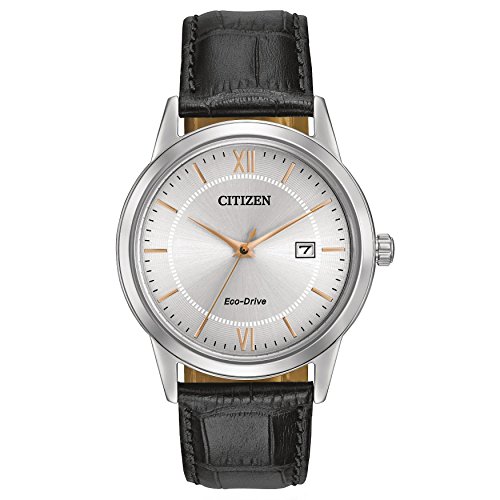


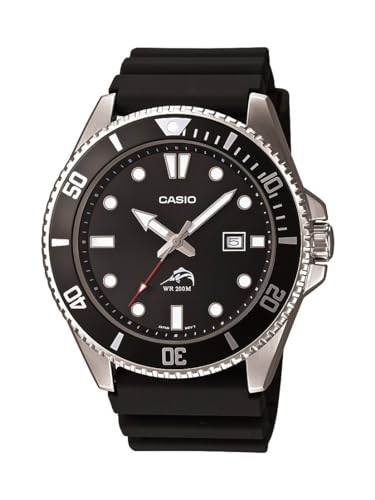
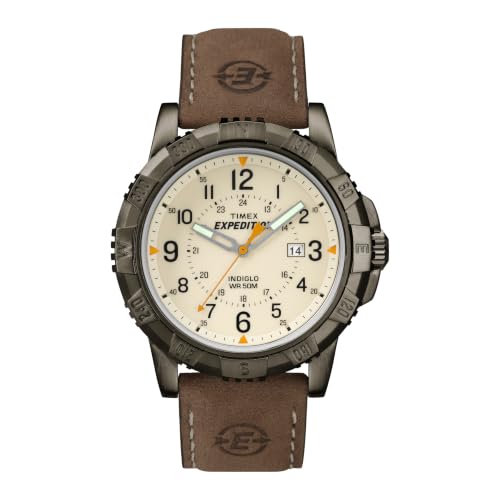

How to Evaluate the Best Affordable Watches Under 200
Each criterion below states what good looks like at this budget and what should make you walk away. Apply them in order, because a watch that fails an early test rarely redeems itself later.
What You Can Realistically Get Under $200
Under $200 you can realistically get a reliable Japanese or Swiss quartz movement, a basic automatic movement in some models, mineral glass or occasionally sapphire, and 50 to 100 m of water resistance. Around $100 to $150, expect simpler bracelets and basic lume. Around $150 to $200, expect better case finishing and stronger water resistance. You cannot expect in house movements, ceramic bezels, or fine hand finishing. Do not cut corners on water resistance or strap quality to chase a flashier dial, because those two parts decide daily durability.
Movement Type: Quartz, Automatic, Solar, and Smart
Quartz is the safe standard under $200, offering accuracy within seconds per month and almost no upkeep. Automatic movements appear at this price and run from wrist motion, but they use entry level calibers that drift more and still need service every five to seven years. Solar movements charge from light and suit buyers who hate battery changes. Smart models at this price offer step and heart rate tracking with short battery life. A good threshold is simple: the movement should come from a known maker with widely available parts and service.
Water Resistance Rating
Water resistance ratings mislead many buyers, so learn the real meanings. A 30 m rating covers splashes only and should never be submerged. A 50 m rating handles showering and brief swims for most owners. A 100 m rating suits regular swimming, and 200 m suits diving use with a screw down crown. Under $200, treat 100 m as a strong score and 30 m as a warning for an active lifestyle. Seals age over time, so an older watch needs a pressure check before you trust its rating again.
Strap and Bracelet Options
A strap or bracelet decides daily comfort as much as the case does. Leather looks smart but wears fast in sweat and water. A NATO style fabric strap is cheap to replace, dries fast, and suits casual wear. A metal bracelet adds durability and weight, and under $200 you should check for hollow end links and a pressed clasp, which feel tinny but function fine. Silicone suits sport and swimming. A quick release strap system earns bonus points, because it lets one watch cover work and weekends with a thirty second change.
Smart and Fitness Features
Smart features under $200 usually include notifications, step counts, heart rate readings, and in some models built in GPS. Battery life ranges from one day for full smartwatches to a week or more for simpler fitness models. Score a model well only if its app is still supported and its sensors match your actual routine. Treat heart rate and sleep data as general wellness guidance, never as medical information, and talk with a clinician about any health concern. If you will not open the app after the first month, a classic watch serves you better.
Case Size and Wrist Fit
Fit passes when the lugs stay within your wrist width and the case sits flat without digging. Most buyers suit 38 to 42 mm cases, with thickness under about 12 mm for easy wear under cuffs. Check lug to lug length in the listing, because a long span makes even a modest diameter feel oversized. Strap holes should let you wear the watch snug above the wrist bone without using the last hole. If a listing hides its dimensions or shows only styled photos with no measurements, treat that as a failed check.
Legibility and Style
Legibility passes when you can read the time at a glance in bright light and in the dark. Look for strong contrast between hands and dial, clear minute markers, and lume that actually glows after light exposure. A date window helps daily users but should not cut through numerals awkwardly. Style should match where you will wear the watch most, since a dress watch on a building site and a chunky sport watch with a suit both look wrong. Simple dials age better than busy ones at this price, where printing quality varies.
Three Styles Worth Knowing
Rather than naming specific models, this section describes the three style profiles that most often pass every check in the product table, and who each one suits.
The Balanced Profile
The best overall profile is a quartz or solar field or everyday watch around $120 to $200 with a 38 to 41 mm steel case, 100 m of water resistance, and a clear dial with real lume. It passes on movement, sealing, and legibility, and its strap can change from fabric to leather for different settings. It suits buyers who want one watch for work, weekends, and travel. Its limit is refinement, since dial printing and bracelet finishing stay basic. If your checklist points to one do everything watch, this profile is the safest match.
The Value Profile
The best value profile is a simple quartz watch around $60 to $120 with a clean dial, a mineral glass crystal, and at least 50 m of water resistance. It passes because it spends money on the movement and seals rather than on decoration. This profile suits students, first time buyers, and anyone who needs a dependable spare watch. The limit is the strap and bracelet quality, which often feel light, and glass that will gather scratches over time. For a wider view of the price band, see our guide to the best watches under 200 before you commit.
The Heavy Use Profile
The best heavy use profile is a rugged sport or field style around $130 to $200 with a resin or steel case, 100 to 200 m of water resistance, and a silicone or fabric strap. It passes on sealing, shock tolerance, and grip, and it shrugs off the knocks that would mark a polished dress watch. It suits outdoor work, gym wear, and travel where the watch will not be babied. Its limit is formality, since bold cases clash with formal clothing. If your week is physical, this is the profile that survives it.
Quick Buyer Checklist
- Does the listing name the movement maker and type clearly?
- Is water resistance at least 50 m for daily wear, or 100 m if you swim?
- Do the case dimensions, including lug to lug length, suit your wrist?
- Can you read the dial at a glance, with lume for low light?
- Does the strap use quick release spring bars or a standard lug width for easy changes?
- Is the warranty at least one year, with a clear return window?
- Would you still choose this watch if its brand name were hidden?
Red Flags to Watch For
- Vague specifications that list no movement maker, no dimensions, and no real water resistance standard.
- Claims of luxury materials at implausible prices, such as solid gold or genuine sapphire with no supporting detail.
- Review patterns that look bought, with many short, generic comments posted in a tight cluster of dates.
- A warranty measured in weeks, or a seller with no clear returns process.
- Water resistance described with words like waterproof without a meter rating, which usually means splash resistance at best.
Men who want a more tailored shortlist can compare notes in our guide to the best watches under 200 men's, while buyers shopping for a woman can check our guide to the best women's watches under 200 for smaller case and strap options. If a mechanical movement is your priority, see our guide to the best automatic watches under 200, and for outdoor use, our guide to the best field watches under 200 covers tougher builds.
Setup and Care Tips
Set the date on a quartz or automatic watch only when the hour hand is away from the late evening zone, because the date mechanism engages at night on many movements. Service automatic watches every five to seven years, rinse any watch after saltwater exposure, and store mechanical watches away from strong magnets. Wipe the case and strap weekly with a soft, slightly damp cloth, and dry leather straps fully before wearing them again. Small habits like these keep a budget watch accurate and presentable for years.
Watches: Your Questions Answered
Can you get a good watch under $200?
Yes, you can get a genuinely good watch under $200 if you judge it by movement, sealing, and fit rather than by styling alone. Known quartz movements at this price keep time within seconds per month and run for years. What you give up is prestige finishing and exotic materials, not reliability. Use the checklist in this guide on any model in the product table, and a passing watch should serve you daily for a long time without drama.
Is a smartwatch worth it over a classic watch?
A smartwatch is worth it if you will act on its notifications, GPS routes, and activity data every week. Under $200, smart models trade battery life and long term software support for features, and most feel dated within three years. A classic watch at the same price can run for a decade with only battery changes. Choose features you will truly use, and remember that fitness readings guide general wellness only. They are not medical measurements and should never replace advice from a clinician.
How long does a watch battery last?
A quartz watch battery usually lasts one to three years under $200, with simple three hand movements at the longer end and chronographs or backlit digital models at the shorter end. Solar models avoid routine changes because light recharges their cell, which itself can last a decade. Replace a fading battery promptly, since a dead cell left inside can leak and damage the movement. Ask the shop to check the gaskets during a battery change if your watch carries a 100 m rating or higher.
Quartz or automatic: which is better?
Quartz is better for accuracy, low cost, and grab and go convenience, while automatic is better for buyers who value mechanical craft and a battery free routine. Under $200, automatic movements are entry level, so expect drift of ten to thirty seconds per day and plan on service costs that can approach the price of the watch itself. Neither choice is wrong. Pick quartz for a set and forget daily watch, and pick automatic when the movement itself is part of the pleasure of ownership.
What case size fits my wrist?
Most wrists suit a case between 38 and 42 mm, but lug to lug length decides comfort more than diameter does. The lugs should end before your wrist edges, and the strap should hold the case flat without forcing it to rock. Slim wrists often prefer 36 to 39 mm, while broad wrists can wear 43 mm if the lug span stays in proportion. Try before you buy when possible, or order from a seller with free returns and wear the watch at home with tags on for an evening.
How water resistant should a watch be?
For daily wear with hand washing and rain, 50 m is a sensible minimum, and 100 m is the right target if you swim, shower, or work around water. Treat 30 m as splash proof only, whatever the marketing says, because the rating reflects still water pressure in a lab, not moving water from a swim stroke or shower jet. Keep the crown fully pushed in or screwed down, and have seals inspected every few years, since dry gaskets are the most common cause of water damage.
The Bottom Line
Run every candidate through the same checks on movement, water resistance, and fit, and the right choice usually stands out fast. The product table makes it easy to compare the best affordable watches under 200 against that checklist side by side. Buy the watch that passes all three, keep its seals and battery maintained, and a modest budget will give you years of reliable daily wear.


