
Best Affordable Walking Shoes in 2026: A Clear Buying Guide
Disclosure: We may earn a commission when you buy through links on this page, at no extra cost to you. As an Amazon Associate I earn from qualifying purchases. Learn more

Compare affordable walking shoes by cushioning, arch support, breathability, and grip, and learn which shoe suits daily walks and travel on foot.
The right walking shoe makes a daily walk easier on your feet, knees and back, and it does not have to be expensive. This guide explains how to choose best affordable walking shoes by cushioning, arch support, breathability, grip and fit, so you can match a pair to the way you actually walk.
Before you compare prices, think about where you walk and for how long: neighborhood sidewalks, park trails, airport terminals or a shop floor all call for slightly different shoes. The product table lists current options, and the sections below show how to read it.

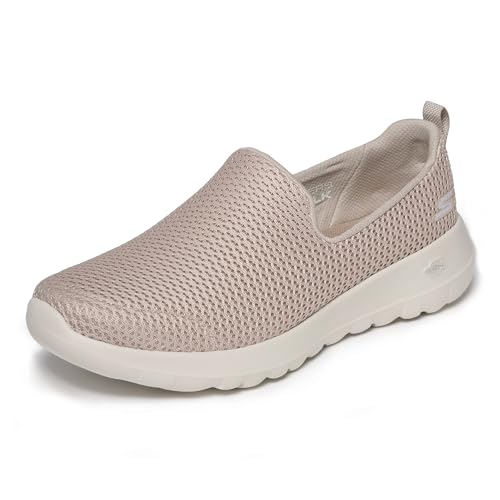
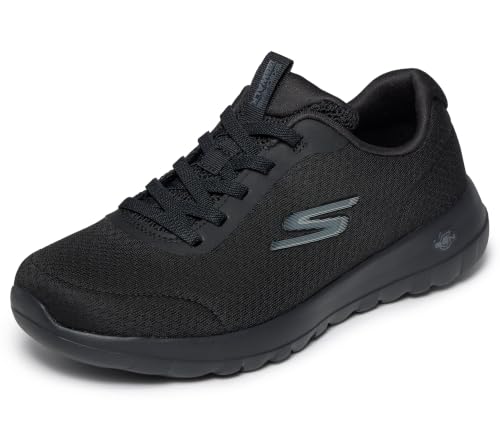

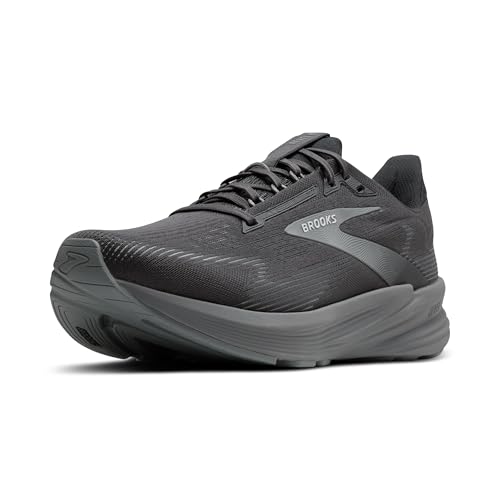


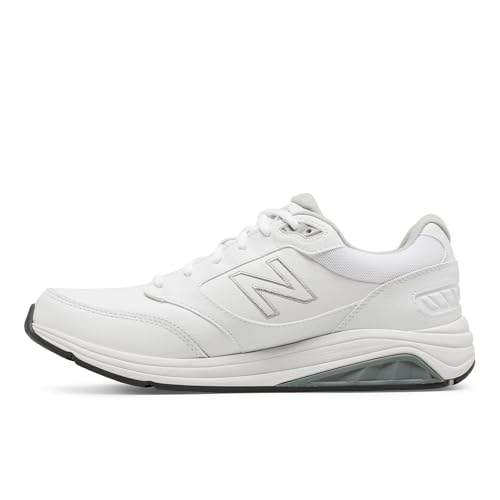
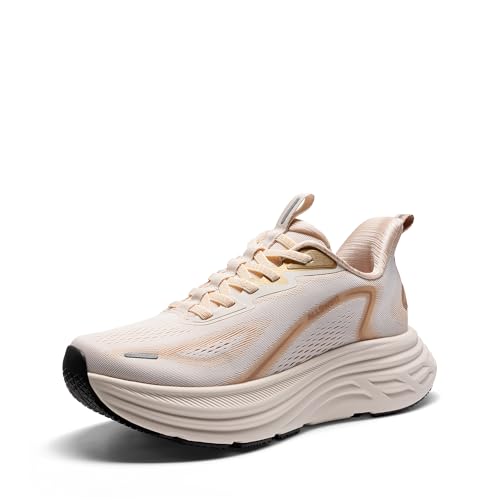
Types of Affordable Walking Shoes Compared
Each type suits a different routine. The right one fits your feet, your routes and your budget at the same time.
| Type | Best For | Pros | Cons | Typical Price |
|---|---|---|---|---|
| Road walking shoes | Daily walks on pavement | Light, flexible and breathable | Less grip on loose or wet ground | about $40 to $120 |
| Trail walking shoes | Parks and uneven paths | Deeper tread and tougher uppers | Heavier and stiffer | about $50 to $130 |
| Cushioned comfort shoes | Long days on your feet | Soft midsole and good arch support | Can feel bulky and cost more | about $60 to $150 |
Road walking shoes
These are smooth, light shoes for sidewalks, malls and treadmills. They flex easily and keep weight down, which helps on long, flat walks.
Trail walking shoes
Trail models add deeper lugs and a tougher upper for dirt paths, gravel and wet grass. They suit hikers who stick to gentle terrain and walkers who want extra grip in all weather.
Cushioned comfort shoes
Thick midsoles and supportive insoles reduce impact for anyone who stands or walks for hours. Look for a roomy toe box and a stable heel.
Key Features of the Best Affordable Walking Shoes
- Cushioning for long walks
- Arch support for comfort
- Breathability for warm days
- Grip for wet paths
- Weight for easy steps
Cushioning matters most for hard surfaces: press the midsole and check that it springs back rather than staying compressed. Arch support should match your foot, and a removable insole lets you swap in your own if needed.
Breathable mesh keeps feet cooler, while leather or coated uppers last longer and resist rain. Check the outsole for a clear tread pattern, since smooth rubber slips on wet tile. Lighter shoes feel easier over a long day, but do not give up support to save a few ounces.
Who Should Buy Which Type
For daily walks
Choose a light road shoe with a flexible forefoot and a supportive heel. Pick a breathable upper in warm climates, and leave a thumb width of space ahead of your longest toe.
For travel on foot
Pick a comfortable, versatile shoe that works with different outfits and surfaces, with a grippy outsole for wet pavement and cobblestones. A slip-on or quick-lace style is helpful at airport security.
For work days with walking
Look for cushioning, stable support and a slip-resistant sole if your workplace is wet. Replace shoes when the midsole feels flat.
What a Budget Realistically Buys
Under about $50, expect a basic foam midsole, a simple mesh upper and a thinner insole. These shoes are fine for short daily walks, and they are easy to replace more often. Between roughly $50 and $90, cushioning becomes more durable, insoles are shaped, and the outsole rubber lasts longer. This is the sweet spot for most walkers.
Above about $100 you start paying for refined foams, wider size ranges and stronger support. They are worth it if you walk many miles or have a specific need such as a wide forefoot, but they are not essential for casual walkers.
Walking Shoes Versus Running Shoes
Running shoes are built for impact and forward motion, with a thick heel and a rocker shape. Walking shoes tend to be flatter, more flexible through the forefoot and more stable. You can walk in either, but a shoe designed for walking usually feels more natural at a steady pace. If you do both, a cushioned cross-training shoe can bridge the gap.
Wear your new shoes for short walks at first. Stiff panels and seams soften with time, and a sensible break-in avoids blisters before a long day of walking.
Sizing and Fit
Shop in the afternoon when feet are at their largest, wear your usual walking socks and check that your heel stays in place. Your toes should not touch the front on a downhill step, and the widest part of your foot should not feel squeezed. If you are between sizes or have wide feet, look for models that come in extra-wide widths.
Materials and Seasonal Choices
Mesh uppers breathe and dry quickly, which suits summer and indoor use. Leather and synthetic leather resist rain and last longer, but run warmer. Waterproof membranes keep feet drier on wet days, though they trap heat and take longer to dry once soaked. In cold weather, choose a shoe with a roomier fit so you can wear thicker socks.
Related Guides to Compare
For a related guide, see best walking shoes, best walking shoes for women or best walking shoes for men. For warm weather, compare the best affordable walking sandals and the best affordable walking sandals for women.
Care and Long Term Value
Wipe shoes clean, air them out after use and let wet pairs dry away from direct heat. Rotating two pairs extends life. Replace walking shoes every 300 to 500 miles, or sooner if the midsole feels flat or the tread is worn smooth.
Common Mistakes to Avoid
One common mistake is choosing on price alone without checking fit. Another is buying a shoe for looks and ignoring the sole and support. Also avoid skipping the return policy, since fit is hard to judge online.
Health and Safety Notes
If you notice sharp pain, swelling, numbness, or pain that changes how you walk, stop and seek advice from a clinician before continuing long walks. Shoes can support comfort and fit, but they do not diagnose or treat foot or joint problems.
Frequently Asked Questions
How do I choose the right walking shoes for my needs?
Start with where you walk and how long, then compare cushioning, support and fit. A short list of two or three options makes the choice easier.
How much should I expect to spend on walking shoes?
Good walking shoes often cost $40 to $120. Spend more only when a feature, such as extra cushioning or a wide fit, clearly helps your routine.
Are running shoes good for walking?
Yes, many cushioned running shoes work well for walking, but walking shoes are usually flatter at the heel and flex more naturally.
How do I care for walking shoes over time?
Keep them clean and dry, remove insoles to air them, and avoid machine drying. Check the tread and midsole regularly.
Can I return walking shoes that do not fit?
Check the return terms before you order, including time limits and who pays shipping. Keep the packaging until you are sure the fit works.
Final Thoughts
Start from your walking routine, your foot shape and your budget, then use the product table to narrow the short list. The best choice is the one that feels comfortable from the first mile. That approach works for best affordable walking shoes buyers of every level.


