Best Affordable Wading Boots for 2026: Everything to Know Before Your First Purchase
Disclosure: We may earn a commission when you buy through links on this page, at no extra cost to you. As an Amazon Associate I earn from qualifying purchases. Learn more

Shopping for the best affordable wading boots for the first time? Learn the terms, compare options, and avoid rookie mistakes with this easy guide.
Buying wading boots for the first time feels confusing because they work unlike the shoes you wear on land. The best affordable wading boots grip slick rock, drain water fast, and protect your feet and ankles in a current. This guide starts with the basics and then moves to fit, soles, and price, so you can read the product table with clear priorities.
You do not need the most expensive pair to fish safely on easy water. You do need the right size over your wader socks, a sole that matches your river bottom, and enough ankle support for uneven ground.





Wading Boots 101: The Basics for First Time Buyers
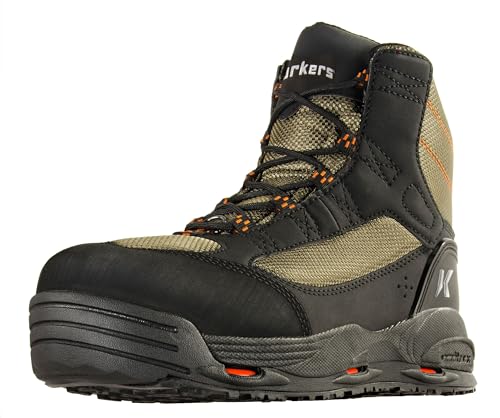
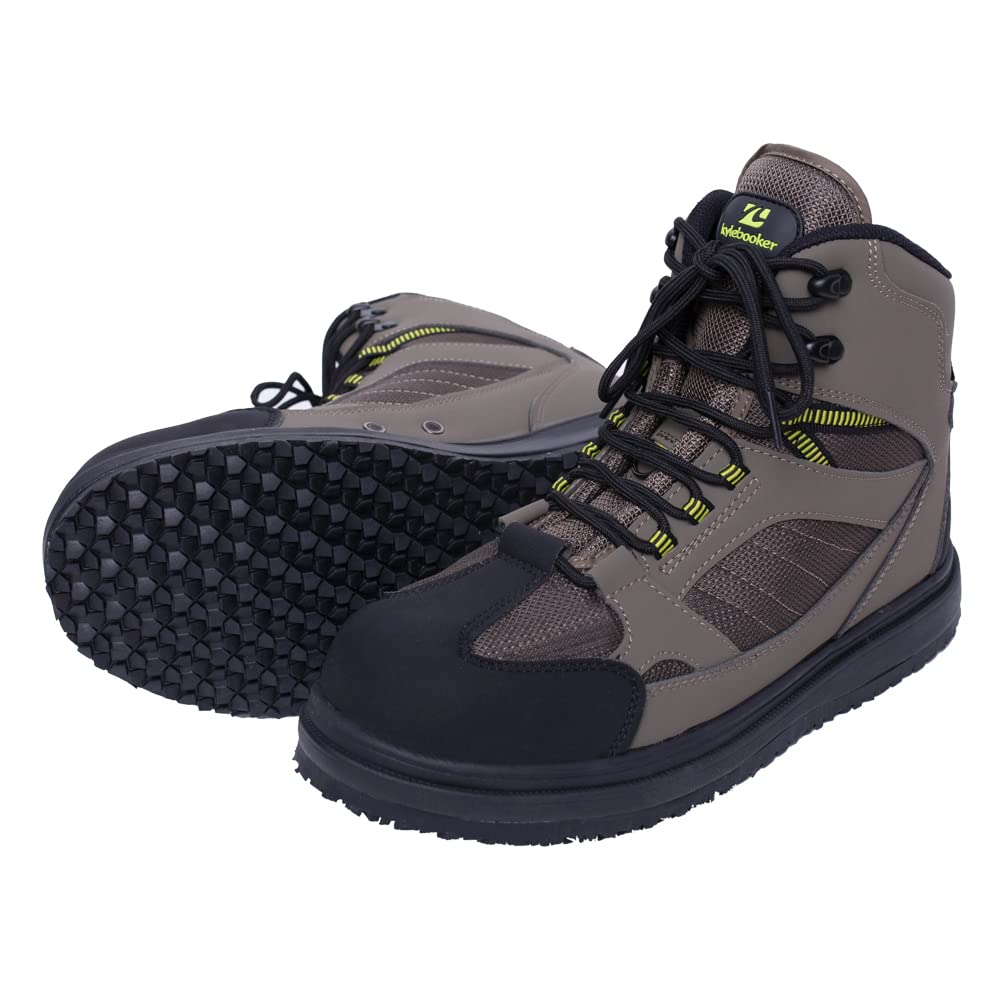
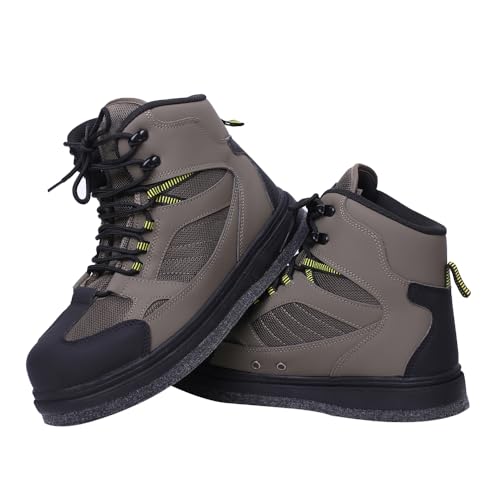
A wading boot is a sturdy boot worn in rivers and streams, usually over the neoprene feet of stockingfoot waders or over thick neoprene socks when you fish without waders. Water flows in through drainage ports and out again as you walk. Your feet stay wet, and warmth comes from the neoprene layer under the boot.
That design gives the boot three jobs. The outsole grips wet rock, the upper and toe guard shield your foot from stones, and the tall collar supports your ankle when the bottom shifts. That balance is what the best affordable wading boots aim to deliver at a lower price. If your budget grows later, see our guide to the best wading boots for what higher prices add.
Who Should Buy Affordable Wading Boots?
Affordable models suit anglers whose water and schedule place grip and fit ahead of light weight. Match yourself to one group below before you judge any feature.
New Fly Anglers Wearing Stockingfoot Waders
You are learning to cast and to read water, and you fish mostly from gravel bars and gentle banks. A supportive affordable boot lets you spend your remaining budget on waders that fit well. Choose a roomy toe box and a rubber sole, since both forgive early mistakes.
Occasional Anglers on Easy Access Rivers
You fish a few weekends each season on streams you reach from a parking area or a short path. You walk modest distances and rarely cross fast water. A mid height boot with decent drainage and a solid toe guard covers most days.
Warm Weather Anglers Who Wet Wade
You fish in summer without waders, wearing neoprene socks inside your boots for protection. You need fast drainage above all, because you enter and leave the water often and carry wet weight on every step. A lighter synthetic upper suits you better than leather.
Key Features to Compare
Compare these factors in order, because fit and sole choice matter more than small savings.
What a Modest Budget Delivers on the River
Most affordable wading boots cost about $70 to $150, and that price buys a synthetic upper, a rubber or felt sole, basic cushioning, and a reinforced toe. What you give up is usually weight, refined fit, and durability of stitching. Do not save by accepting weak ankle support or a thin sole, because those parts protect you on slick rock. If you also shop for footwear off the water, see our guide to the best affordable boots for dry land use, and note that ordinary boots lack river drainage and grip.
Fit, Sizing, and Toe Box Space Over Wader Socks
Size wading boots for the layers inside them, not for your bare foot. Most anglers choose about one size larger than their street shoe size to fit the thick neoprene foot of their waders. Try boots late in the day, wearing the exact waders you plan to use. Your toes should not strike the front when you press downhill, and the toe box should let your toes spread.
Traction, Outsole Choice, and Studs for Slick Rock
The outsole decides how secure each step feels. Rubber soles with deep lugs suit mixed ground and muddy banks, and many accept screw in studs for extra bite on smooth rock. Felt soles grip wet rock very well but wear fast on trails and are restricted in some waters, so check local rules before you choose felt. Choose rubber if you want one sole for path and river.
Drainage, Upper Materials, and Weight When Wet
Look for drainage ports low on the upper and materials that shed water instead of soaking it up. Synthetic mesh drains fast, feels lighter after each crossing, and dries sooner at home. Full leather uppers gain weight when wet and need more drying time. Pair the boot with gravel guards so stones do not work inside and grind against the neoprene foot.
Ankle Support, Stability, and Arch Support
A tall, firm collar limits how far your ankle rolls when a rock tips under your weight, and a wide base keeps you upright in current. Inside, moderate cushioning reduces fatigue during long stands on hard bottoms. If you have flat feet, look for firmer arch support and a snug heel fit. If you have high arches, look for more cushioning under the heel.
First Trips in New Wading Boots: Break In and River Comfort
Most affordable boots feel stiff for the first two or three outings, especially around the collar and toe. Synthetic uppers soften faster than thick leather, but the sole should stay firm. Wear new boots around the house and then on a short trip before a long day. Blisters or heel lift on dry land will get worse in cold water, so adjust laces or size early.
How to Size and Set Up Wading Boots for Your First Trip
Measure both feet in the afternoon and use the larger measurement on the size chart. Put on your waders, lace the boots firmly from the toe upward, and lock your heel down at the top hooks. Walk, crouch, and step onto a low step. Your heel should stay in place and your toes should clear the front on the step down.
At the river, tuck your gravel guards over the boot tops and recheck lace tension after a few minutes in cold water, because materials settle once wet. Begin on a shallow gravel bar rather than in fast current, and take short steps at first.
Common Mistakes to Avoid
New buyers repeat a few errors that cost comfort or safety.
- Buying your street shoe size leaves no room for neoprene feet, so your toes jam and your feet go cold.
- Choosing felt soles without checking local rules can leave you unable to use the boots in restricted waters.
- Wearing cotton socks under waders traps cold water against your skin, so your feet chill even in mild weather.
- Ignoring gravel guards lets sharp stones enter the boot, which can wear holes in expensive neoprene feet.
- Chasing the lowest price with a soft, low collar raises your risk of a rolled ankle on uneven rock.
- Wading deep or fast water on your first outing removes your margin for error while footing is unfamiliar.
Care and Maintenance for Wading Boots
Rinse your boots with clean fresh water after every trip, inside and out, and scrub grit from the soles and drainage ports. Cleaning also helps stop the spread of invasive species between waters. Open the laces wide and air dry the boots away from direct heat, because strong heat can crack materials and weaken glues.
Check stitching, eyelets, toe guards, and sole edges every few trips, and replace laces at the first sign of deep fraying. Store boots upright in a dry, shaded place once fully dry, never sealed in a bag while damp.
FAQ
Are expensive wading boots worth it for a first purchase?
Expensive wading boots are rarely essential for a first purchase on easy water. Higher prices mainly buy lighter materials and stronger construction for frequent use. If you fish a few times a year, put fit and sole choice first and save the difference. Weekly anglers who hike far gain the most from paying more.
How should wading boots fit over wader socks?
Wading boots should feel snug at the heel and midfoot with clear space ahead of your longest toe. Kick the toe gently against the floor while laced. Your toes should not strike hard. Also stand on one foot, because a fit that feels fine on both feet can still let one heel lift in current.
How often should I replace wading boots?
Replace wading boots when the tread is worn smooth, the upper splits, or ankle support feels loose. For occasional anglers that point often arrives after several seasons, while frequent anglers reach it sooner. Inspect boots before spring trips rather than waiting for a slip. A worn sole is a safety issue on algae covered rock.
Do wading boots keep your feet dry in a river?
No, wading boots do not keep your feet dry, and they are not meant to. Water enters by design and drains out as you walk, while your wader feet provide warmth and the barrier layer. Judge a boot by how fast it drains and how light it feels after a crossing. Boots that hold water tire your legs.
How long is the break in period for wading boots?
The break in period for most wading boots is about two to three short outings. Stiffness should ease around the collar and toe, while sole support should remain firm. If pain or repeated blisters persist after those outings, the size or shape is likely wrong for your foot. Do not expect a poor fit to fix itself over a season.
Can I wear wading boots all day on the river?
Yes, you can wear wading boots all day if the fit, socks, and support suit your feet. Plan short rests on the bank to loosen laces and let your feet recover. Carry spare socks for the drive home, because damp socks chill feet after fishing. Stop early if you feel a hot spot, since wet skin blisters faster.
Final Thoughts
Put sizing over your wader layers first, sole choice for your river bottom second, and ankle support third. Those decisions shape your safety far more than small differences in padding or price. Use the product table to compare drainage, sole type, and cost against that list.
When you judge best affordable wading boots by those points, a modest pair can serve you well for seasons of learning. Start on easy water and upgrade later only when your fishing truly demands it.