
Best Affordable Vacuums: Types Explained for 2026
Disclosure: We may earn a commission when you buy through links on this page, at no extra cost to you. As an Amazon Associate I earn from qualifying purchases. Learn more

Compare affordable vacuums by type, suction, and floor fit. Learn which budget vacuum suits carpets, hard floors, pets, and small homes best.
Finding best affordable vacuums is about matching a vacuum to your floors, not about finding the cheapest box on the shelf. A budget robot may suit a flat with hard floors and fail on deep carpet, while a budget upright may clean carpet well and feel heavy on stairs. The comparison table below gives a quick side by side look at the main vacuum types so you can compare fairly.
This guide explains suction, brush types, filters, and running costs in plain language, without ranking individual models. It helps you spend wisely on the type that fits your home, your pets, and your storage space.


Who Should Buy a Budget Vacuum
Budget vacuums suit first homes, flats, students, and anyone who wants solid cleaning without premium features. They also suit second homes and small households where a simple vacuum covers the whole space. If you have deep carpets, several pets, or allergies, you may need to spend a little more on filtration and brush power.
Key Features to Compare
These four points explain most of the difference between budget vacuums.
Suction and Brush Type
Suction matters, but brush design matters as much on carpet. A motorised brush head lifts dirt from carpet fibres, while a hard floor head glides on wood and tile. If you have mixed floors, a vacuum with an adjustable head or two heads saves effort. Check whether the brush can be turned off for hard floors to avoid scattering debris.
Bagged or Bagless
Bagged vacuums trap dust neatly and suit allergy sufferers, but bags cost money over time. Bagless vacuums save on bags but need filter washing and careful emptying to avoid dust clouds. At a budget price, a washable filter and an easy empty bin matter more than fancy filtration claims.
Weight, Cord, and Storage
A heavy upright tires you on stairs, while a light stick vacuum suits flats and quick cleans. Cord length decides how often you replug, and battery life decides how much a cordless stick can cover. Measure your storage space too, because a bulky upright needs a cupboard a stick vacuum does not.
Filters and Pet Hair
Pet hair wraps around brushes and clogs filters, so a budget vacuum for pets needs a tangle resistant brush and a washable filter. Allergy filters help only if they seal well and are cleaned on schedule. Check filter cost and availability before you buy, because a cheap vacuum with dear filters costs more over time.
Vacuum Types Compared
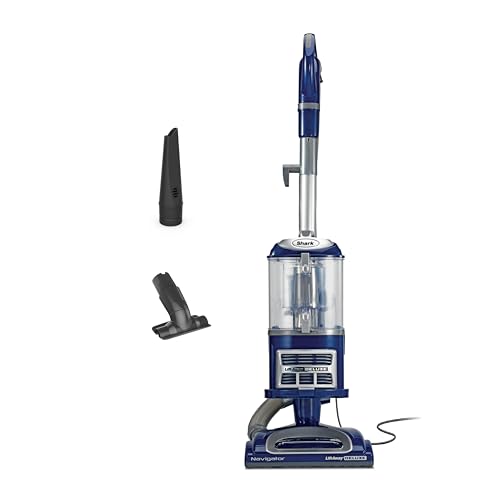
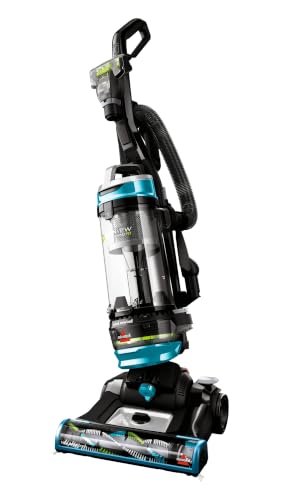
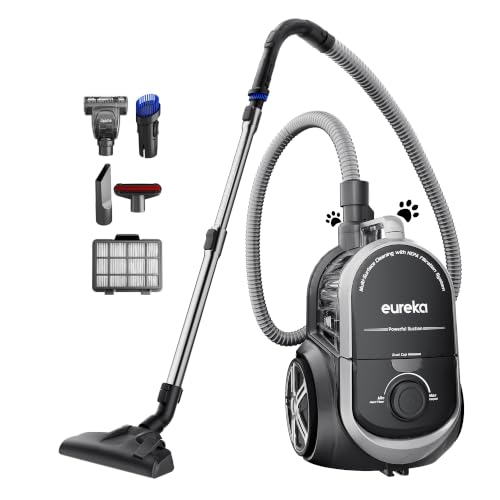
The product table lists the main types, and the notes below explain where each one works best.
Upright and Cylinder Vacuums
Uprights suit carpets and larger homes with storage space, while cylinders suit hard floors and stairs with a separate head. Both offer strong suction for the price. Uprights feel heavier on stairs, while cylinders need dragging behind you, so choose by your home layout.
Cordless Stick Vacuums
Stick vacuums are light, quick, and easy to store, which suits flats and daily tidy ups. Budget sticks may have shorter battery life and smaller bins, so they suit smaller homes better than large carpeted houses. Check battery life on the power setting you will actually use.
Robot Vacuums
Budget robots clean hard floors and low pile carpet on a schedule with little effort. They struggle with deep carpet, thresholds, and clutter, and they need emptying often. They suit tidy flats as a maintenance cleaner, paired with a manual vacuum for deep cleans.
Spending Wisely
Spend first on the right type for your floors, then on a motorised brush for carpet or a washable filter for pets. A mid budget stick or upright usually beats the cheapest option on durability and suction. Add filter and bag costs over two years before you judge a vacuum cheap.
Care Tips
Empty the bin or bag before it fills, wash filters on schedule, and cut hair from the brush regularly. Check hoses for blockages when suction drops, because a blockage is more common than a motor fault. Store the vacuum dry and keep spare filters so cleaning never waits on a delivery.
Mistakes to Avoid
Do not buy a robot for deep carpet expecting a deep clean, and do not buy a heavy upright for a flat full of stairs. Do not ignore bin size, because a tiny bin that fills mid clean wastes time. And do not skip filter care, because a clogged filter cuts suction and strains the motor.
Related Guides
For budget subtypes, see best affordable robot vacuums, best affordable cordless vacuums, and best affordable stick vacuums. For floor specific help, best affordable vacuums for carpet focuses on carpet performance, while best vacuums for animal hair covers pet hair challenges.
Before You Buy Checklist
Before you pay, run through this short checklist with the vacuum in mind. It takes a few minutes and catches most buying mistakes, from wrong size to missing features you only notice after delivery.
- Confirm the vacuum fits your floor types and home size and your space, not just the headline size.
- Check brush head type against your daily routine, because a feature that looks good on paper may not matter in use.
- Compare bin or bag handling across at least two options, so you can see what the price difference actually buys.
- Read the filter care carefully, including any limits that apply to your situation.
- Check the weight for stairs where possible, or check the return policy if you must buy unseen.
- Add up the full cost, including any extras, consumables, or subscriptions you will need in the first year.
- Check warranty length and what it covers, plus how easy it is to get help if something fails.
- Sleep on the shortlist for a night if you can, because a rushed choice is the most common regret.
Start with brush head type and bin or bag handling, because those two points decide most of the daily experience with a vacuum. A vacuum that gets those right will feel good after months of use, while one that gets them wrong will annoy you every day, whatever else it offers. Write down your must haves before you compare prices, so a discount does not tempt you into the wrong type.
Next, think about floor types and home size in real conditions, not ideal ones. Consider filter care and weight on stairs together, because they interact in daily use: a strength in one area can hide a weakness in another until you live with the product. If you can, borrow the experience of someone with a similar routine, or test the product in a setting close to your own.
Finally, check the practical details: delivery, setup, and what happens if the vacuum does not suit you. A clear return policy and honest running costs matter as much as the headline features. Once the checklist is complete, the product table above gives a useful final comparison, and you can buy with far more confidence.
Frequently Asked Questions
Are cheap vacuums good enough for carpet?
A budget upright or cylinder with a motorised brush can clean carpet well for everyday dirt. Very cheap vacuums without a powered brush struggle on deep pile. If your home is mostly deep carpet, spend a little more on brush power rather than on extra features you will not use.
Bagged or bagless: which is cheaper over time?
Bagless saves on bags but needs filter replacements and washing. Bagged costs more in bags but traps dust better and needs less filter care. Over two years the difference is often small, so choose by dust handling and allergy needs rather than by bag cost alone.
How long does a cordless stick battery last?
Budget sticks often run 20 to 40 minutes on standard power, less on boost. That suits flats and quick cleans but not large houses in one go. Check runtime on the setting you will use, and consider a removable battery if you want to extend cleaning time.
Do budget robots work on pet hair?
They pick up surface pet hair on hard floors and low carpet, but they fill fast and tangle on long hair. Empty the bin often and clean the brush regularly. For heavy shedding, a manual vacuum with a motorised brush still does the deeper job better.
When should I replace a budget vacuum?
When suction stays weak after filter and hose checks, the motor sounds strained, or repairs cost close to a new vacuum. Most budget vacuums last several years with filter care. A vacuum that smells of burning or trips power should be retired promptly for safety.
Final Thoughts
The best affordable vacuum is the right type for your floors, with a brush and filter that suit your home and pets. Spend on suction where it matters, check running costs, and test weight on your stairs if you can. The product table above is a good recap before you buy. For shoppers comparing best affordable vacuums, that shortlist is the right place to start.
