
Best Affordable Vacuums for Carpet: Types Compared and How to Choose for 2026
Disclosure: We may earn a commission when you buy through links on this page, at no extra cost to you. As an Amazon Associate I earn from qualifying purchases. Learn more
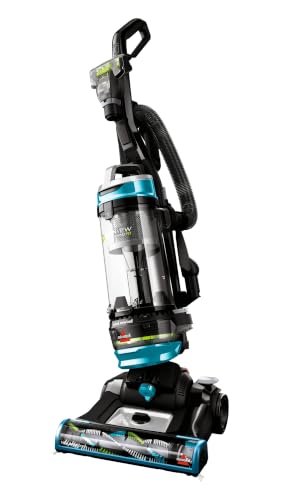
Compare uprights, sticks, robots and handhelds by how they handle carpet, with price ranges and tips so you can pick the right affordable vacuum.
Carpet is where budget vacuums separate themselves. Almost any machine can pick crumbs off a hard floor, but pulling grit, sand, and pet hair out of carpet pile takes real airflow plus a brush roll that agitates without tearing fibers. With uprights, sticks, robots, and handhelds all claiming carpet skill, choosing feels confusing. This guide to best affordable vacuums for carpet compares each type plainly, explains the features that actually clean pile, and helps you match a format to your home. The comparison table below summarizes the leading options so you can see type, weight, and price together.
Start with two honest answers: how much of your home is carpeted, and how thick is that carpet? Those answers eliminate half the market before price even enters the discussion.
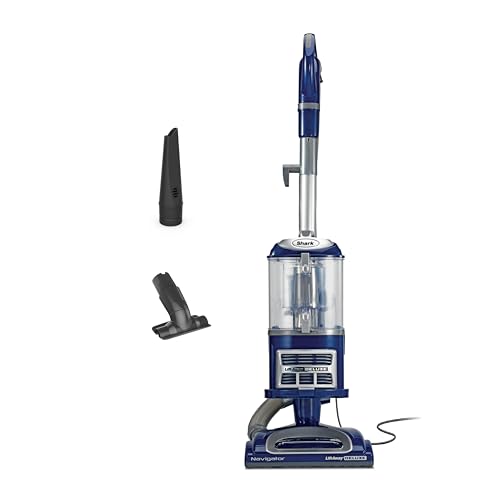
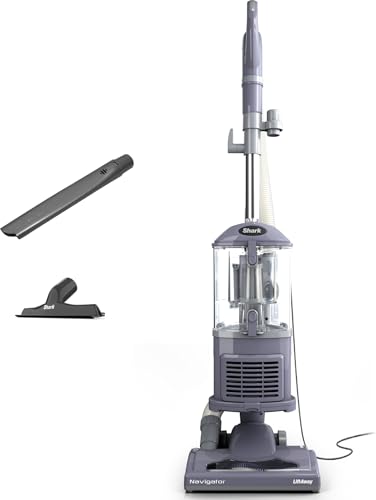


Types of Vacuums Compared
In plain terms, the pattern looks like this. Upright vacuums, typically around $100 to $300 in the affordable range, suit carpet heavy homes and deliver the deepest clean, at the cost of weight and storage space. Cordless sticks, around $120 to $300, suit mixed homes and quick daily passes, with limited runtime and small bins as the tradeoff. Robots, around $150 to $350, suit maintenance cleaning between deep cleans, but they cannot match upright power in thick pile. Handhelds, around $40 to $100, suit crumbs and cars only. The sections below explain how each type behaves on real carpet.
Handheld Vacuums
A handheld vacuum is a small motor, a tiny bin, and a short nozzle in one light body. On carpet it can lift surface crumbs from a rug or clean a carpeted stair tread in a pinch, but it has neither the brush agitation nor the airflow to pull grit from the base of the pile. Runtime is short and the bin fills in minutes. Choose a handheld only as a companion machine for spills, litter, and car interiors. Anyone hoping it will serve as the main carpet cleaner for a home will be disappointed within a week.
Robot Vacuums
A robot vacuum cleans on a schedule, running under furniture and across rooms while you do other things. On low and medium pile carpet, a robot with a spinning brush roll and strong suction keeps surface dirt and pet hair under control remarkably well. Its limits are depth and capacity: it cannot agitate thick pile the way a full size upright does, and its small bin needs frequent emptying in homes with shedding pets. Choose a robot if your floors are mostly hard with low pile rugs, or as a maintenance partner beside a stronger machine. Shoppers set on automation can compare options in our guide to the best affordable robot vacuums.
Carpet Cleaners and Steam Cleaners
Carpet cleaners, often called extractors, wash carpet with water and cleaning solution, then suction the dirty liquid back out. Steam cleaners use hot vapor for surface freshening and spot work. Neither is a vacuum, and neither replaces weekly dry vacuuming, because loose grit left in the pile grinds fibers down every time you walk on it. Choose an extractor if stains, kids, and pets make washing a regular need in your home, and budget around $100 to $250 for a home model. Renting a machine once or twice a year suits many households better than owning and storing one.
Cordless Stick Vacuums
A cordless stick pairs a light body with a powered brush head and runs on a rechargeable battery. On carpet it performs best on low and medium pile, where its brush can agitate and its suction, especially on the highest setting, lifts embedded dirt respectably. That highest setting drains the battery fast, sometimes in about ten to fifteen minutes, and boost modes on cheaper models are weaker than the numbers suggest. Choose a stick if your home is small to medium, your carpet is not plush, and you value quick, cord free passes over marathon deep cleans. For a carpet only deep dive beyond budget limits, see our guide to the best vacuums for carpet.
Handheld Vacuums vs Robot Vacuums: Which Should You Choose?
These two types get compared often because both promise convenience, but they solve different problems. On cleaning power, the robot wins easily: it covers whole rooms with a real brush roll, while the handheld cleans a spot at a time. On effort, the robot also wins, since it runs on a schedule while the handheld needs you for every crumb. On price, the handheld wins, costing a fraction as much. On storage, the handheld tucks into a drawer, while the robot needs floor space for its dock. On carpet depth, neither replaces an upright for thick pile. The verdict is simple: choose the robot for whole room upkeep on low pile and hard floors, choose the handheld for targeted messes, and choose neither as your only machine if deep carpet cleaning is the goal. Readers whose homes mix surfaces may also want our guide to the best vacuums for carpet and hardwood before deciding.
How to Choose the Best Affordable Vacuums for Carpet
With the types clear, narrow your choice using the factors below. They are ordered by how much each one changes your results on carpet specifically.
What You Can Realistically Get on a Budget
Around $100 to $180 buys a corded upright with strong carpet suction, a basic brush roll, and simple filtration, which is genuinely enough for most carpeted apartments and smaller homes. Around $180 to $300 adds anti tangle brushes, better sealing, height adjustment, and tools for stairs and upholstery. What budget models cut is quietness, premium filtration, and cordless freedom. Do not cut brush quality or airflow to save money, because on carpet those two are the cleaning itself. Our guide to the best affordable vacuums shows how this budget logic applies across every format.
Weight and Maneuverability
Weight decides whether a vacuum gets used or avoided. A full size upright often weighs about 12 to 17 pounds, which pushes easily across open carpet but becomes a workout on stairs. Swivel steering makes a heavy machine feel lighter around furniture, and a lift away or detachable canister turns stair cleaning into a carrying job instead of a lifting job. Stick vacuums weigh about 5 to 8 pounds and glide under beds, but their weight sits in your hand and wrist. If stairs feature in your routine, test how the machine carries, not just how it pushes.
Vacuum Type (Upright, Canister, Stick, Robot, Handheld)
Match type to layout. Uprights suit flat, carpet heavy homes with open rooms. Canisters suit stairs and mixed floors, with a head that reaches under furniture easily. Sticks suit small homes and daily touch ups. Robots suit busy owners who will still deep clean monthly with something stronger. Handhelds suit cars and crumbs only. Most carpet heavy households end up happiest with an upright as the main machine, possibly joined later by a robot or handheld for convenience jobs.
Features That Matter for Carpet
Carpet demands three things other floors do not. First, a powered brush roll with stiff enough bristles to vibrate grit loose from the pile. Second, height adjustment or automatic head adjustment, because a head set too low seals against plush carpet and loses airflow, while one set too high skims low pile. Third, sustained airflow, measured in air watts where stated, that does not fade as the bin fills. Anti tangle brush designs matter in homes with long hair or pets, since wrapped hair can halve cleaning performance before you notice. Sealed filtration keeps the fine dust you pull out of carpet from blowing back into the room.
Noise and Maintenance
Carpet cleaning is louder than hard floor cleaning, because the brush roll works against resistance; expect roughly 70 to 80 decibels from most affordable uprights. Plan longer sessions for times when the household is awake and active. Maintenance protects performance: empty bagless bins at the fill line, wash or replace filters on the schedule in the manual, and clear hair from the brush roll monthly. Keep a small yearly budget for filters, and for belts on models that use them. A neglected budget vacuum loses suction fast, while a maintained one holds it for years.
Setup and Care Tips
- Empty the bin before it is full. Airflow falls sharply once debris passes the fill line, and carpet is where you feel that loss first.
- Wash or replace filters on schedule. Follow the manual for your model, let washable filters dry completely before refitting, and replace HEPA filters instead of rinsing them.
- Cut hair off the brush roll. Monthly attention with scissors keeps the brush spinning at full speed and prevents strain on the motor.
- Vacuum high traffic lanes twice. A slow second pass in the opposite direction lifts far more embedded grit than one fast pass, at no extra cost.
- Check for clogs before blaming suction. The hose, the base inlet, and the brush housing are the usual hiding spots for a stuck sock or toy.
FAQs
What features matter most in vacuums for carpet?
A powered brush roll, height adjustment, and sustained airflow matter most, because together they loosen, lift, and carry grit out of the pile. Filtration and tools come after those three. If a vacuum lacks height adjustment and your carpet is plush, even strong suction will disappoint, since the head seals against the fibers and airflow stalls. Match the head to your pile depth first.
Is HEPA filtration necessary for carpet cleaning?
HEPA filtration is worth it if anyone at home has asthma or strong allergies, because carpet releases fine dust and dander into the air while you clean. A sealed HEPA system traps those particles instead of exhausting them. For other households, standard filtration in good repair is fine. Whatever filter you choose, a clogged one hurts suction, so maintenance matters as much as the label.
Are cordless vacuums strong enough for carpet?
Cordless sticks are strong enough for low and medium pile carpet in small to medium homes, especially for weekly cleaning. Their weakness is endurance: the highest power mode that carpet needs can drain the battery in about ten to fifteen minutes. For large homes or thick plush carpet, a corded upright remains the safer main machine, with a stick as a convenience partner.
How often should I replace the filter on a carpet vacuum?
Follow the manual for your model, which usually means rinsing a washable foam filter about once a month and replacing HEPA or final filters every six to twelve months. Pet homes should use the shorter interval. A filter that stays discolored after washing, or any musty odor during cleaning, signals replacement time regardless of the calendar.
What type of vacuum is best for my home?
The best type for your home follows your floors: an upright for carpet heavy layouts, a stick for small mixed homes, a robot for scheduled upkeep on low pile, and a canister for stairs. If carpet covers more than half your floors, start with an upright and add convenience machines later. Owners comparing robot performance on pile specifically can see our guide to the best robotic vacuums for carpet for that narrower question.
Wrapping Up
Let carpet type lead your decision: brush agitation and height fit for your pile, sustained airflow, and a format that matches your layout and stairs. Compare your shortlist in the product table above, and the right best affordable vacuums for carpet choice will be the machine that cleans your actual floors deeply without fighting you every week.
