Best Affordable Stick Vacuums for 2026: The Buyer Checklist We Use
Disclosure: We may earn a commission when you buy through links on this page, at no extra cost to you. As an Amazon Associate I earn from qualifying purchases. Learn more

Use this checklist to find the best affordable stick vacuums, with clear guidance on runtime, filtration, floor types, and the costs that follow.
Stick vacuum listings promise huge suction numbers and hour long runtimes that rarely match a real home with rugs, pet hair, and furniture legs. A checklist cuts through that: floors first, then runtime, filtration, and weight, judged the same way for every model. That is the approach behind this guide to the best affordable stick vacuums, built for buyers who want daily convenience without paying flagship prices.
Affordable here generally means around $100 to $300, where the best values cluster. Score candidates against the criteria below, shortlist with the comparison table below, and then check the red flags before you buy.

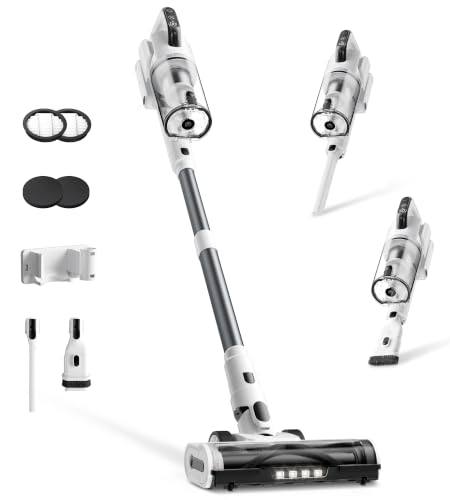
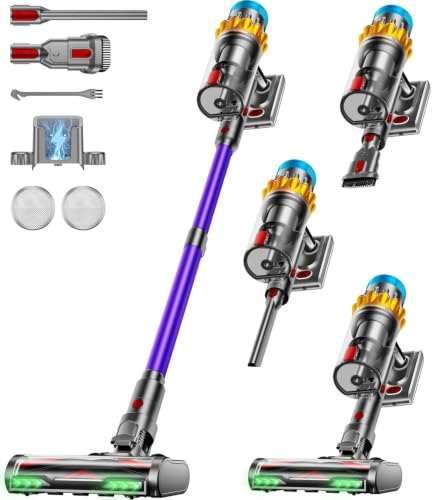

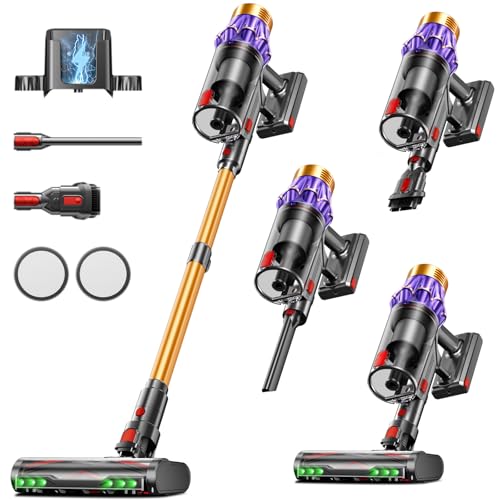
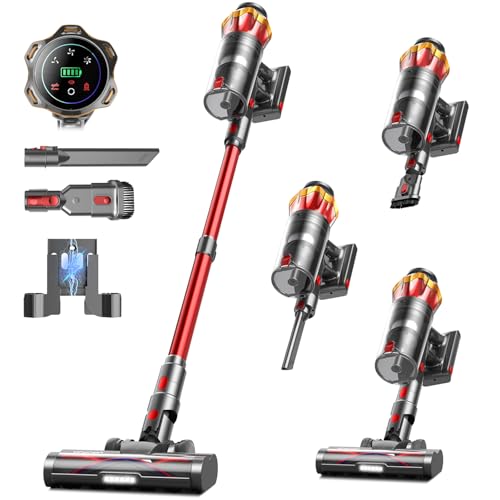
How to Evaluate Stick Vacuums
What You Can Realistically Get on a Budget
Around $100 to $250, expect cordless cleaning that handles hard floors and low pile carpet well, runtimes of about 30 to 45 minutes on standard mode, and a basic set of attachments for edges and upholstery. What gets cut is premium build, the longest battery life, swappable batteries on the cheapest models, and deep carpet agitation that rivals a full size upright. Do not cut corners on filtration if anyone at home has allergies, and do not accept a tiny dust cup if you have a large shedding pet, because constant emptying erases the convenience you bought.
Vacuum Type and Where a Stick Fits
A stick vacuum is the quick daily cleaner of the vacuum family: lighter than an upright, faster to deploy than a canister, and better on stairs than either. Uprights still win for deep cleaning wall to wall carpet, robots win for hands off maintenance between sessions, and handhelds win for car seats and small spills. Many homes pair a stick with one of those over time, and our guide to the best affordable vacuums maps the wider field. Choose a stick as your only vacuum if your home is mostly hard floors, rugs, and one or two carpeted rooms.
Floor Types in Your Home
Match the cleaner head to your floors. Hardwood and tile want a soft roller head or a brush roll you can switch off, because a stiff spinning brush can scatter debris and, over years, dull delicate finishes. Low and medium pile carpet wants a motorized brush roll with enough agitation to lift grit from the base of the fibers. For area rugs with fringe, such as oriental styles, a model that lets you reduce suction or turn the brush off helps you avoid chewing the edges. Anti tangle brush designs are worth seeking if long hair is a daily reality in your home.
Corded vs Cordless Runtime
Cordless freedom is the main reason to buy a stick, but read runtime claims carefully: headline figures come from the lowest setting with a non motorized tool, while real cleaning on a powered head often yields about half to two thirds of that number. Thirty to forty real minutes covers most apartments and quick whole house passes. Larger homes should look for a removable battery you can swap or replace, because a sealed battery that fades in three years can end the life of an otherwise good vacuum. Corded sticks remove runtime limits but bring back cord management, which is why most buyers now go cordless; our guide to the best stick vacuums cordless focuses only on that format.
Weight and Maneuverability
Most affordable sticks weigh about 5 lb to 8 lb, with much of that weight at the top where your hand carries it, so balance matters as much as the number. A model that feels light in a short store test can tire your wrist across a full house clean. Check that the vacuum swivels easily around chair legs, lies flat enough to reach under sofas, and converts to a handheld without a fight for stairs and car work. Wall mounts and freestanding storage also matter in small homes, where a vacuum that cannot stand on its own often ends up leaning and falling.
Filtration and Sealed HEPA Systems
Filtration decides whether the dust you pick up stays in the vacuum. A sealed HEPA system forces all exhaust air through the filter, which matters for allergy and asthma households and for homes with pets shedding fine dander. A HEPA style filter in an unsealed body leaks around the edges and delivers less of that benefit. Washable filters lower running costs, but they must dry fully, usually a full day, before reuse. If anyone in the home has a diagnosed respiratory condition, ask their clinician which filtration standard suits the household, and treat vacuum choice as one part of a wider dust control plan.
Noise and Maintenance
Stick vacuums typically run loud enough that conversation stops during use, though lower settings are gentler for apartments and sleeping babies. Maintenance is the hidden score in this category: filters need washing or replacement every few months, brush rolls need hair cut away regularly, and dust cups clean best when emptied before debris reaches the fill line. Budget for a replacement filter set each year and confirm parts are sold for the model you choose. A vacuum with unavailable filters becomes disposable, which is neither affordable nor sustainable over a five year view.
Three Price Tiers That Pass the Checklist
Best Overall Tier
The overall sweet spot sits around $200 to $300, where you get a removable battery, a sealed filtration system on many models, both a soft roller and a carpet head or a versatile single head, and build quality that survives daily use. Suction on standard mode handles tracked in grit, and boost mode lifts debris from carpet pile for short bursts. This tier suits mixed floor homes up to moderate size and pet owners who vacuum several times a week. The honest limit is deep pile carpet, where a corded upright still cleans deeper per pass.
Best Value Tier
Value models around $100 to $180 keep the essentials: a motorized brush head, decent hard floor pickup, and runtimes near 30 minutes, while trimming the extras. Expect a smaller dust cup, fewer attachments, and a battery that may be built in rather than swappable. This tier is right for apartments, first homes, and anyone upgrading from a broom and a basic handheld. Check parts availability before buying at this level, because filter and battery support separate a two year bargain from a five year one. Readers who want social proof alongside specs can also scan our roundup of the best reviewed stick vacuums to see what long term owners praise and criticize.
Best Tier for Heavy Use
Heavy use homes, meaning daily pet hair, kids, and high traffic entryways, should budget around $250 to $350 for stronger motors, larger dust cups, and batteries you can swap mid clean. Anti tangle brush rolls save real time when hair pickup is constant, and LED headlights on the cleaner head reveal dust in dark corners and under cabinets. Weight creeps up at this tier, so check handheld comfort if stairs are part of the routine. If your floors are mostly carpet and the mess is heavy, compare honestly against an upright before forcing a stick to do the hardest job in the category.
Quick Buyer Checklist
- Does the cleaner head suit your main floor type, with a brush roll you can switch off for hard floors?
- Is real world runtime on a powered head enough for your whole home in one session?
- Can the battery be removed and replaced, and is a spare sold at a fair price?
- Is the filtration a sealed HEPA system if allergies or pets are part of your home?
- Is the dust cup large enough that you will not empty it several times per clean?
- Does the weight and balance feel manageable for your stairs and overhead cobweb reach?
- Are filters, brush rolls, and batteries for this exact model easy to buy?
Red Flags to Watch For
Watch for suction figures given only in maximum mode with no standard mode figure, since daily cleaning happens on standard. Runtime claims that never state which tool was attached are equally unreliable. Short warranties under a year, no listed replacement filters, and batteries with no stated price or availability all predict an early replacement purchase. Be cautious with review patterns that praise a new unknown model in identical language across many posts. Finally, treat miracle claims about deep cleaning high pile carpet from the lightest sticks with skepticism, and weigh them against the wider field, including the best affordable robot vacuums if hands off daily upkeep would serve your home better.
Setup and Care Tips
Charge the battery fully before the first clean, and mount the dock where the vacuum will actually live, because a stick stored in a far closet gets used less. Empty the bin before it reaches the fill line, since packed debris strangles airflow and suction. Wash or replace filters on the maker schedule and let washable filters dry completely before refitting. Cut hair off the brush roll every few weeks with scissors along the guide groove, and wipe the soft roller so grit does not scratch hard floors. These small habits keep an affordable model performing close to new for years.
Stick Vacuums: Your Questions Answered
What type of stick vacuum is best for my home?
Mostly hard floors point to a soft roller or dual head cordless model with strong edge cleaning. Mixed floors with low pile carpet suit a motorized brush head and a removable battery. Homes with deep carpet as the main surface are the exception where an upright remains the better primary vacuum. Apartment dwellers should weigh compact storage and lower noise settings. Start from your largest floor area, not your worst corner, and the right type usually becomes clear quickly.
Is HEPA filtration necessary in a stick vacuum?
It is necessary if someone at home has allergies or asthma aggravated by dust, and genuinely useful in pet homes where fine dander circulates. For other households, good multi stage filtration without full HEPA sealing still captures most visible dust and pollen sized particles. What matters is the sealed system, not the label alone. Also remember that emptying the bin outdoors or into a bag reduces the dust cloud that filtration worked to prevent, a small habit with outsized benefit for sensitive households.
Are cordless stick vacuums strong enough for carpet?
Yes for low and medium pile carpet, which covers most homes, especially on models with a motorized brush roll and a boost mode for stubborn areas. They are less convincing on thick plush carpet, where sustained deep agitation favors a corded upright with a larger motor. Runtime also drops on carpet because the brush works harder, so plan sessions accordingly. If carpet dominates your home, test your finalist during a return window with your actual rugs rather than trusting showroom floors.
How often should you replace a stick vacuum filter?
Most makers advise rinsing washable filters about once a month and replacing them every three to six months, depending on use and pet hair load. A filter that stays gray after washing or smells musty when dry is due for replacement regardless of the calendar. Keeping a spare lets the washed filter dry fully while you keep cleaning. Mark the change date on the filter frame with a pen, a simple habit that prevents the slow performance fade many owners blame on the motor. Premium brand support is one reason some shoppers also look at the best dyson stick vacuums before settling on a budget model.
The Bottom Line
Judge by floors, runtime honesty, and filtration, in that order, and affordable sticks separate quickly into good fits and poor ones. The product table above holds your shortlist; run it against the checklist before you pay. For most homes, a midrange cordless model with a removable battery and a head matched to your floors is the best affordable stick vacuums choice you will still be glad about in year three.