
Best Affordable Upright Bagless Vacuums of 2026: Complete Buying Guide
Disclosure: We may earn a commission when you buy through links on this page, at no extra cost to you. As an Amazon Associate I earn from qualifying purchases. Learn more
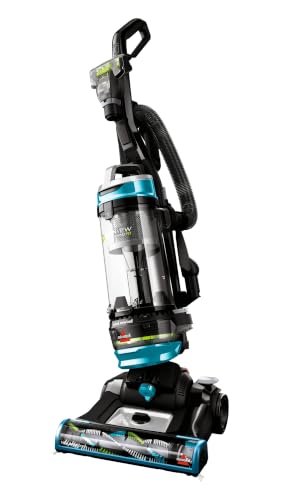
Compare best affordable upright bagless vacuums by suction, filtration, and floor type with this buying guide, care tips, and a practical checklist.
An upright vacuum remains the workhorse of whole home cleaning: strong suction, a wide cleaning path, and no battery clock ticking while you work. Bagless models add a clear saving, because you empty a bin instead of buying replacement bags for years. The trouble is that suction claims, filter labels, and brush roll designs vary a lot at low prices. This guide to best affordable upright bagless vacuums explains the tiers, the specifications that predict real cleaning power, and the upkeep that keeps a budget machine strong. The comparison table below lets you compare weight, bin size, and cord length at a glance.
A good affordable upright should deep clean carpet, stay gentle on hard floors, and take five minutes of care a month rather than constant attention. Judge every candidate against those three jobs.
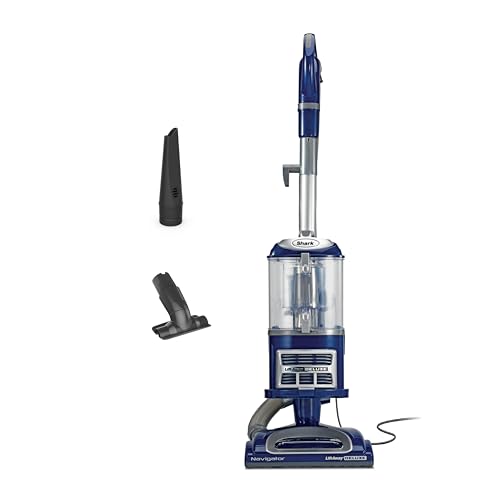
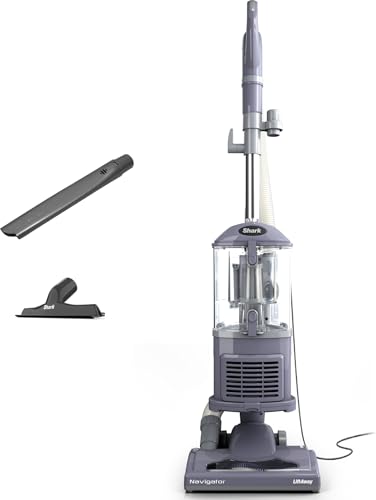

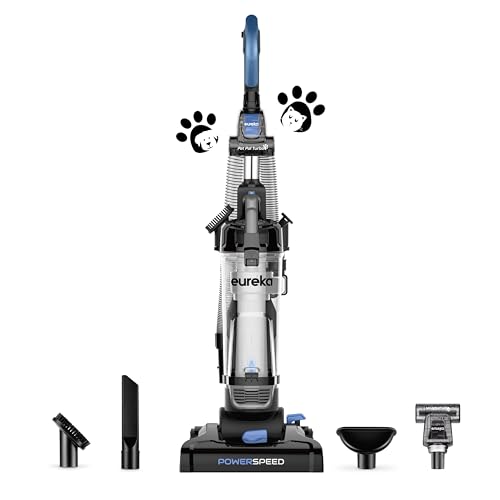


Three Price Tiers at a Glance
Rather than naming a single winner for every home, shop by tier. Each price band buys a predictable set of strengths, and the right tier depends on your floors, your pets, and how much maintenance you will honestly do.
The Entry Tier: Around $80 to $130
This tier suits apartments, first homes, and mostly hard floor spaces with a few rugs. Expect solid suction for surface dirt, a basic brush roll, and a washable foam filter on many models. You give up sealed HEPA filtration, swivel steering is less common, and bins tend to be smaller, so emptying happens more often. Plastic parts feel lighter, which helps on stairs but asks for gentler handling. For light weekly cleaning without pets, this tier does the job at the lowest running cost.
The Sweet Spot Tier: Around $130 to $200
Most homes land here. This band commonly adds stronger airflow for carpet, better edge cleaning, anti tangle brush rolls that resist hair wrap, and larger bins. Many models include a pet turbo tool for stairs and upholstery, plus swivel steering that makes furniture far less of a chore. Filtration improves, with some sealed systems appearing near the top of the band. If you have mixed floors and a shedding pet, start and probably finish your search in this tier.
The Upper Tier: Around $200 to $300
This step up buys sealed HEPA filtration, quieter motors, lift away canisters that detach for stairs and car cleaning, and longer cords that cover a floor without outlet hopping. Brush roll shutoff and height adjustment handle delicate rugs and thick carpet with more control. Choose this tier for allergy concerns, large homes, or heavy pet hair. If your home is small and pet free, the sweet spot tier delivers nearly the same daily result for less money.
How to Choose the Best Upright Bagless Vacuums: Buying Guide
When you compare best affordable upright bagless vacuums across retailers, work through the points below in order. Suction and floor fit decide cleaning results; everything after that decides how pleasant the machine is to live with.
What You Can Realistically Get on a Budget
Around $100 buys honest suction and simple upkeep, but not sealed filtration, premium tools, or a quiet motor. Around $180 adds anti tangle brushes, swivel steering, and pet tools. What makers cut first at low prices is hose quality, cord length, and filter sealing, which matters if anyone at home has allergies. Never accept weak carpet suction to save money, because that is the core job. Saving on extra attachments you will never use is the smarter cut.
Vacuum Type (Upright, Canister, Stick, Robot, Handheld)
An upright puts the motor, bin, and brush in one body you push, which gives strong carpet agitation and a wide path for open rooms. Canisters follow behind you and excel on stairs and hard floors. Sticks are light and quick but have small bins. Robots maintain floors between deep cleans rather than replacing them. Handhelds handle crumbs and car seats only. If carpet covers most of your home, the upright format remains the most cleaning power per dollar. For shoppers still deciding on format, our guide to the best affordable vacuums compares every type by budget.
Corded vs Cordless Runtime
Nearly all affordable uprights are corded, and that is an advantage: full suction from the first room to the last, with no runtime limit and no battery to replace in a few years. Cord length decides convenience, so look for about 25 to 30 feet to cover a typical floor from one or two outlets. Cordless sticks trade that steady power for grab and go ease, usually running 20 to 60 minutes depending on setting. If you lean cordless for quick jobs, see our guide to the best affordable cordless vacuums for runtime expectations.
Noise and Maintenance
Most uprights run between about 70 and 80 decibels, similar to loud conversation, so plan cleaning when babies are awake and calls are done. Maintenance is simple but not optional: empty the bin at the fill line, wash or tap clean the foam filter monthly as directed, and replace HEPA filters on the schedule in the manual, often every six to twelve months. Budget a small yearly amount for filters and belts where fitted. A machine that gets this basic care keeps most of its suction for years.
Suction Power and Airflow (AW, Pa)
Air watts, written as AW, combine suction and airflow into one figure and are more useful than motor watts alone, which mostly describe electricity use. Pascal ratings, or Pa, appear more often on cordless and robot models. For uprights, treat headline numbers as rough guides and weigh brush design and sealing just as heavily, because a strong motor with a leaky bin still cleans poorly. In practice, a well sealed mid range upright pulls grit from carpet backing that a higher rated but leaky budget model leaves behind.
Floor Types (Hardwood, Carpet, Area Rugs)
Carpet wants a spinning brush roll with height adjustment, so the head rides correctly on low pile and plush alike. Hardwood and tile want the opposite: a brush roll that switches off, or a soft setting, so debris is not scattered and finishes are not scuffed. Area rugs with fringe call for care at the edges, since a strong brush can chew fringe and curl corners. Homes with a true mix of floors should rank brush control as highly as suction. If you prefer the bagged alternative for filtration, see our guide to the best upright bagged vacuums for how that format compares.
Pet Hair Tools and Attachments
Pet hair success comes from the brush roll and the tools together. An anti tangle or self cleaning brush design cuts down the hair wrap you must cut away by hand. A mini motorized tool lifts hair from stairs, sofas, and car seats far better than a plain nozzle. A crevice tool and a dusting brush cover edges and shelves. Check that tools store on the machine, because attachments left in a closet rarely get used. Our guide to the best bagless vacuums goes deeper on bin design and emptying without dust clouds.
Upright Bagless Vacuums vs Other Options
An upright is not always the right answer. Here is when another format honestly serves a home better, so you can buy once and buy right.
Robot Vacuums
A robot runs daily touch ups on a schedule, keeping crumbs and pet hair from building up between deep cleans. It cannot match upright suction on thick carpet, and its small bin fills fast in shedding season. Robots suit busy, mostly hard floor homes as a partner to an upright, not a replacement. If that pairing appeals to you, see our guide to the best affordable robot vacuums for what the format does well.
Cordless Stick Vacuums
A stick vacuum wins on speed: grab it, clean a spill or a single room, and hang it back up in under a minute. The limits are bin size, runtime on high power, and carpet deep cleaning that trails a corded upright. Sticks suit small homes and quick daily passes, especially on hard floors. Large carpeted homes will feel the runtime ceiling quickly.
Canister Vacuums
A canister separates the body from the cleaning head, which makes stairs, curtains, and under furniture work easier and quieter at the head. The tradeoff is pulling a body behind you and storing two pieces. Canisters suit homes with many stairs, delicate hard floors, and owners who dislike pushing weight. For flat, carpet heavy layouts, an upright stays simpler.
Handheld Vacuums
A handheld handles crumbs, litter, and car interiors, and that is where its role ends. Suction and bin size are far too small for room cleaning. As a second machine beside an upright, it saves hauling the big vacuum out for tiny jobs. As an only vacuum, it will frustrate anyone with carpet. Buy one as a helper, never as the main cleaner.
Setup and Care Tips
- Empty the bin before it is full. A bin packed past the fill line chokes airflow and drops suction sharply, and it makes emptying messier.
- Wash or replace filters on schedule. Rinse washable foam filters only when the manual allows it, let them dry fully for a day, and replace HEPA filters rather than washing them.
- Cut hair off the brush roll. A few minutes with scissors or a seam ripper each month keeps the brush spinning freely and protects the motor and belt.
- Check carpet cleaners on a hidden spot first. If you pair vacuuming with spot cleaning, check color safety under furniture before treating a visible area.
- Check the hose and seals for clogs. Most suction loss that owners blame on the motor is a sock, a toy, or a wad of hair sitting in the hose or at the base inlet.
FAQs
How often should I replace the filter on an upright vacuum?
Replace or wash filters on the schedule printed in your manual, which for most affordable uprights means rinsing the foam filter about monthly and replacing the HEPA filter every six to twelve months. Homes with pets or allergy concerns sit at the shorter end of that range. A filter that stays gray after washing, or a musty smell when you run the machine, is telling you it is done.
Are cordless vacuums strong enough for carpet?
Modern cordless sticks clean surface dirt and pet hair from low pile carpet well, but on their highest setting the battery drains in as little as ten to fifteen minutes. For deep cleaning thick carpet across a whole home, a corded upright still delivers more sustained power without a clock. Many homes use a stick for daily passes and an upright for the weekly deep clean.
Is HEPA filtration necessary?
HEPA filtration is necessary if someone at home has asthma or significant allergies, because a sealed HEPA system traps fine pollen and dander instead of blowing it back into the room. For other homes, a good foam and felt filter setup is adequate, provided you maintain it. Note that a HEPA filter in an unsealed body leaks around the edges, so look for the words sealed system if filtration is your priority.
What type of upright bagless vacuum is best for my home?
The best type for your home is an upright matched to your dominant floor: strong brush agitation and height adjustment for carpet heavy homes, brush shutoff for mixed hard floors, and a lift away canister if stairs dominate your routine. Homes under about 1000 square feet can choose the entry or sweet spot tiers without regret. Let floor type, not headline suction numbers, make the final call.
Our Verdict
Suction with good sealing, brush control for your floors, and filtration matched to your household decide whether a budget upright satisfies you for years. Compare your finalists in the product table above, and pick the best affordable upright bagless vacuums option that fits your floors, your pets, and the upkeep you will actually keep up with.
