Best Affordable Unlocked Smartphones of 2026: Complete Buying Guide
Disclosure: We may earn a commission when you buy through links on this page, at no extra cost to you. As an Amazon Associate I earn from qualifying purchases. Learn more

Compare best affordable unlocked smartphones by display, battery, updates, and carrier support with this clear buying guide and practical checklist.
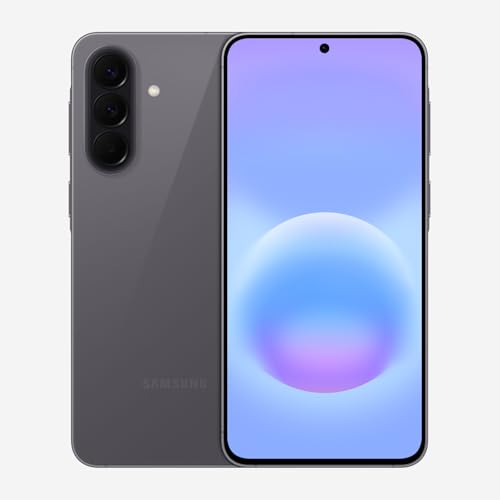
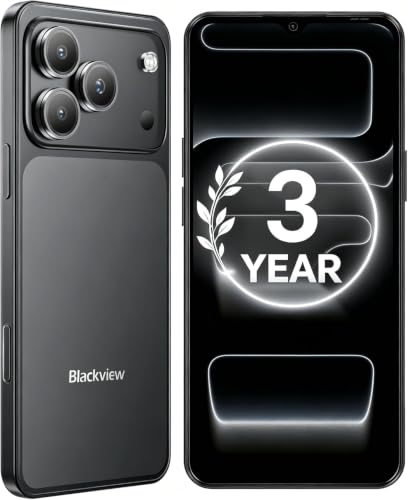
Buying a phone without a carrier contract gives you freedom to switch networks, travel with local SIM cards, and skip the monthly device payments that quietly raise your bill. The challenge is that spec sheets at lower prices hide real differences in cameras, update support, and network bands. This guide to best affordable unlocked smartphones walks through the tiers, the features that decide daily satisfaction, and the compatibility checks you must run before you pay. The comparison table below puts the main contenders side by side so you can compare storage, screen, and price in one view.
An unlocked phone is only a bargain if it works fully on your carrier and still feels fast two years from now. Keep those two checks in mind through every section that follows.




Three Price Tiers at a Glance
Instead of chasing a single winner, think in tiers. Each step up buys specific, predictable improvements, and knowing what each tier delivers stops you from overpaying for power you will never use or underbuying on the one feature you use all day.
The Entry Tier: Around $150 to $250
This tier suits light users who call, message, browse, and take casual photos. Expect a large LCD screen, a battery that easily lasts a full day, and cameras that do well in daylight but soften at night. Performance is fine for everyday apps, though heavy games may need lower settings. The common limits are shorter update promises, slower charging, and plastic builds. If your phone life is simple and your budget is firm, this tier covers the essentials without waste.
The Sweet Spot Tier: Around $250 to $400
For most buyers, this is where value peaks. Phones here commonly add an OLED screen with a 120 Hz refresh rate, a much better main camera with optical stabilization on some models, faster charging, and several years of security updates. Storage usually starts at 128 GB with 256 GB options at fair prices. This tier handles games, photos, and multitasking with room to spare, and it is the range to search first if you keep a phone for three years or more.
The Upper Tier: Around $400 to $600
This step up buys refinement rather than basics: brighter screens for outdoor use, stronger processors for demanding games and video editing, better low light cameras, and sometimes wireless charging or an IP68 rating. Update windows tend to be the longest in the affordable class. Choose this tier if you shoot a lot of photos, work from your phone, or want a device that still feels current in year four. If none of that sounds like you, the sweet spot tier will feel just as satisfying day to day.
How to Choose the Best Unlocked Smartphones: Buying Guide
The sections below turn a long spec sheet into a short decision list. When you compare best affordable unlocked smartphones across stores, judge each candidate on these points in order, because the first items affect every single day you own the phone.
What You Can Realistically Get on a Budget
Around $200 buys a dependable everyday phone with a big battery and a decent screen, but not a great night camera or long update support. Around $350 adds OLED, faster performance, and cameras you will be proud to share. What usually gets cut first at low prices is water resistance, wireless charging, and telephoto cameras. Do not let a maker cut update years or carrier bands to hit a price, because those two decide how long and how well the phone serves you.
Display Size and Quality
Most affordable phones now sit between 6.4 and 6.8 inches, which is great for video and reading but worth holding in a store if your hands are small. An OLED panel gives deeper blacks and better battery behavior with dark themes, while a good LCD still looks sharp and bright. A 120 Hz refresh rate makes scrolling and animations feel smooth, and outdoor brightness above roughly 1000 nits keeps maps readable in sun. Resolution at this size is rarely the problem; brightness and panel type matter more.
Battery Life and Charging Speed
Battery capacity around 5000 mAh is the norm in this class and usually means a full day for heavy users and two days for light ones. Charging speed separates tiers more than capacity does: slow charging can take two hours, while fast charging refills half the battery in about thirty minutes on supported models. Wireless charging is convenient on a nightstand but remains an upper tier extra. If you travel often, fast wired charging is the feature you will thank yourself for at airport outlets.
Software Updates and Support Window
Updates decide how long a phone stays secure and compatible with banking and work apps. Look for at least three years of security updates at the entry level and four to five years in the sweet spot and upper tiers, with several major Android version upgrades or the equivalent on other platforms. Check the promise in writing on the product page, not in a review summary. A phone that stops receiving updates early becomes a risk long before its hardware wears out.
Storage Options
Choose 128 GB if you stream most media and back up photos to the cloud, and 256 GB if you shoot video, download games, or keep large offline libraries. Photos and 4K video fill space faster than most people expect, and a phone that is nearly full slows down and blocks updates. A microSD slot, still offered on some affordable models, is a cheap safety net for media files. Buying one storage step up usually costs less than replacing a cramped phone a year early.
Carrier Compatibility and 5G
Unlocked does not automatically mean compatible with every network. Check the exact model number against your carrier list of supported devices, and confirm it covers the main 5G and LTE bands your carrier uses in your area. Some phones are built for GSM based networks and work poorly or not at all on others, a detail covered in our guide to the best unlocked gsm smartphones. Also confirm WiFi calling and VoLTE support, since carriers increasingly require both for reliable calls. A quick chat with carrier support before ordering prevents the most frustrating return in phone shopping.
Build, Durability, and Water Resistance
An IP68 rating means the phone can survive immersion in fresh water under lab conditions, while IP67 and splash ratings cover rain and spills only. Gorilla Glass or a similar hardened glass on the front reduces scratch and crack risk, but a case still matters more than any glass rating. Metal frames feel sturdier than plastic, though plastic survives drops with less damage and keeps weight down. If you work outdoors or around kids, rank durability and a cheap screen replacement cost above a slim design.
Types of Unlocked Smartphones
Understanding the main categories helps you set a budget before you fall for a feature list. If you want the broadest overview first, see our guide to the best unlocked smartphones for how the categories compare across all prices.
Flagship Phones
Flagship phones carry the best cameras, fastest processors, and longest update promises, and last year models often drop into upper affordable territory. They suit power users and photo lovers. The drawback is price even on sale, plus repair costs that match the original tier. A discounted flagship with two or more update years left can be the smartest buy in this whole guide.
Mid Range Phones
Mid range phones balance everything: good OLED screens, capable cameras, strong battery life, and fair prices. They give up wireless charging or top gaming power on some models, but most users never miss those extras. This is the default recommendation for families, students, and anyone replacing a phone every three to four years. Shoppers focused on one operating system can narrow the field with our guide to the best unlocked android smartphones.
Compact Phones
Compact phones trade screen size for one handed comfort and easy pocket fit. They suit people who read, message, and listen more than they watch video. Battery capacity is usually smaller, and choices are fewer each year, so expect to pay a little more for the size. If large phones strain your hand or wrist, the comfort gain is worth more than the lost screen space.
Camera Focused Phones
Camera focused phones put their budget into a strong main sensor, optical stabilization, and smart night mode processing instead of gaming power. They suit parents, travelers, and sellers who photograph products daily. Check real sample photos in reviews rather than megapixel counts, because processing decides most of what you see. Our guide to the best affordable android smartphones includes more on balancing camera and price.
How to Make Your Unlocked Smartphone Last Longer
- Use a case and screen protector. A cracked screen is the most common early end for an affordable phone, and a basic case costs less than any repair.
- Keep software updated. Install security updates promptly; they close holes that older phones are actively targeted through.
- Avoid charging in extreme heat. Heat ages batteries faster than anything else, so skip charging under a pillow or on a hot car dash.
- Back up photos regularly. Cloud or computer backups protect your memories and keep internal storage from filling to the point of slowdowns.
- Replace the battery instead of the phone. If the phone still performs well after two or three years, a battery service can add another year or two of life at modest cost.
FAQs
How much storage do I need on a smartphone?
Most people need 128 GB at minimum, and 256 GB is the safer choice if you shoot video or keep a phone for three years or more. Apps, photos, and system files grow steadily, and running out of space blocks updates. If the phone has a microSD slot, 128 GB plus a card works well for media heavy users on a budget.
Should I buy unlocked?
Yes, buy unlocked if you value carrier freedom, travel often, or want to avoid device payments folded into a monthly bill. The tradeoff is paying more upfront and doing your own compatibility check. Carrier deals can still win on raw price during promotions, but the unlocked phone stays yours to move, sell, or hand down without paperwork.
How many years of updates should a phone get?
Aim for at least four years of security updates on any phone you plan to keep, and more in the upper tiers. Updates protect banking, email, and work accounts long after new features stop mattering. Check the stated end date for the exact model, because update promises differ even within one brand lineup.
Do I need 5G?
You do not strictly need 5G today, because LTE still covers most daily tasks well, but nearly every worthwhile affordable phone now includes 5G anyway. It matters most in crowded areas and for large downloads, and it future proofs the phone for network changes over the next several years. Confirm your carrier plan includes 5G access, since some budget plans limit it.
Is a mid range phone good enough?
For most people, yes. A mid range phone handles calls, photos, social apps, navigation, and most games without frustration, and its battery often beats a flagship. You give up the very best low light cameras and the fastest gaming performance. If those are not your priorities, a mid range phone plus the money saved is the better deal.
Our Verdict
Compatibility, updates, and battery decide whether an affordable phone feels like a bargain or a burden, so check those three before cameras and colors. Use the product table above to compare your finalists, and choose the best affordable unlocked smartphones option that fits your carrier, your hands, and the number of years you plan to keep it.