Best Affordable Turntable Speakers: Every Type Explained Side by Side for 2026
Disclosure: We may earn a commission when you buy through links on this page, at no extra cost to you. As an Amazon Associate I earn from qualifying purchases. Learn more

Compare the best affordable turntable speakers by type, connection, and sound, with plain guidance on powered speakers, phono inputs, placement, and budget value.
A turntable alone makes no sound you can enjoy. The signal from a cartridge is very quiet, so your speakers, and the electronics feeding them, decide whether vinyl sounds warm and clear or thin and noisy.
The confusing part is that speakers come in several types, and only some work with a turntable without extra gear. This guide compares those types side by side so you can build a best affordable turntable speakers setup that works on the first plug in. Check the comparison table below, then match each type to your turntable and your room.



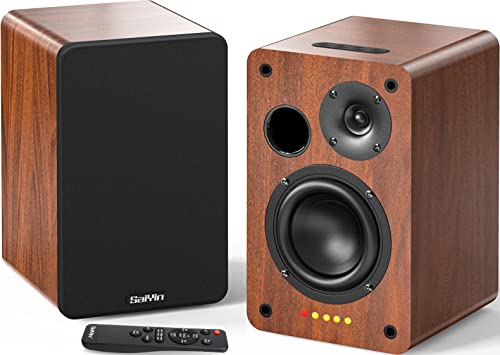
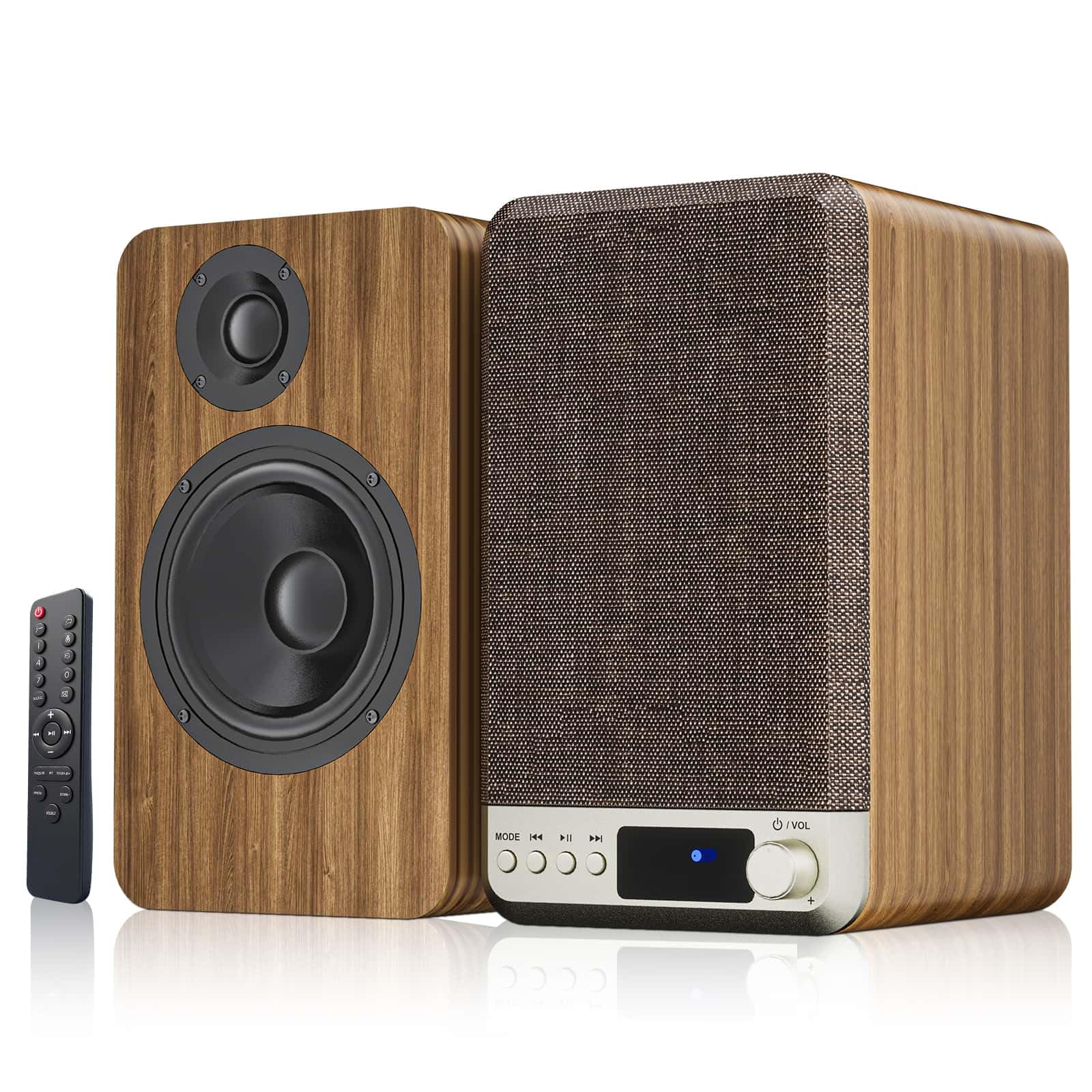


Types of the Best Affordable Turntable Speakers Compared
One fact decides everything else. A turntable needs a phono stage to boost and equalize its signal, plus an amplifier to power the speakers, unless those parts are built into the turntable or the speakers. Each type below handles that chain in a different way, at a different cost.
Home and Bookshelf Models
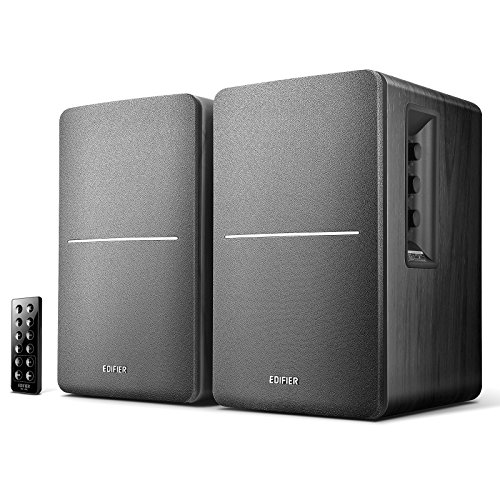
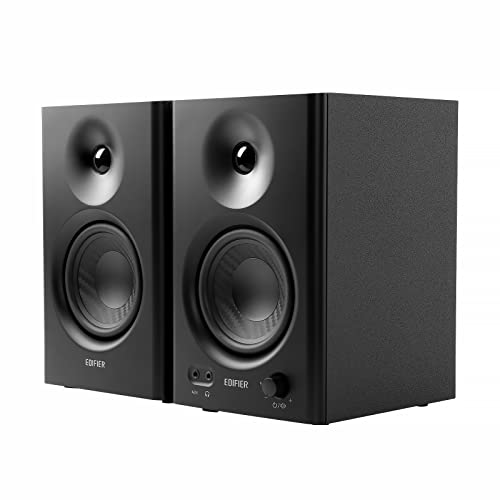
Bookshelf models are the classic choice for vinyl at home. Powered bookshelf speakers contain their own amplifier, and many include a phono input, which means a turntable with no built in preamp can plug straight in. Passive bookshelf speakers need a separate amplifier or receiver, which adds cost but gives you upgrade paths later. Sound quality is the strength here, with clear vocals, real stereo separation when placed apart, and enough bass for small and medium rooms. Prices for a solid powered pair run around $150 to $400. The trade off is size and wires, because each speaker needs power and a cable run. Choose bookshelf models if listening at home is the main goal.
Wired Models
Wired models is a broad label that covers any speaker fed by a cable from the turntable, an amplifier, or a receiver, rather than by a wireless link. A wired path avoids delay, dropouts, and compression, and it keeps the signal path simple to troubleshoot. Traditional passive speakers with speaker wire are the purest form, while powered speakers fed by RCA cables are a middle path. Wired setups suit dedicated listening corners where gear stays in place. Their weakness is flexibility, because moving the music to another room means moving the whole chain. If your turntable lives on one shelf or stand, wired is usually the most reliable and best sounding choice per dollar.
Outdoor and Rugged Models
Outdoor and rugged models are almost always portable Bluetooth speakers used as a second output, not as the main vinyl system. A turntable with Bluetooth output can send audio to one, which is handy for a patio or kitchen, but the turntable itself must stay indoors on a level and stable surface, because vibration and weather ruin records and styli. Sound is mono or narrow stereo, bass is limited, and fine detail is lost outdoors. Prices run around $50 to $200. Choose a rugged speaker as a flexible extra for casual listening, not as your only speaker for a record collection you care about.
If you are still deciding between a combined setup and separate parts, our guide to the best turntable and speakers walks through complete systems in more detail.
Home and Bookshelf Models vs Wired Models: Which Should You Choose?
These two groups overlap, so compare them on the points that differ. On simplicity, powered bookshelf speakers win, because the amplifier is built in and setup takes minutes. On upgrade freedom, a wired passive setup wins, because you can change the amplifier or speakers separately later. On sound per dollar at entry prices, both can do well, but passive setups add the cost of an amplifier, speaker wire, and often a phono stage. On placement, bookshelf speakers need a power outlet near each speaker or a shared supply, while passive speakers only need speaker wire. Pick powered bookshelf models for a clean first system, and pick a wired passive path if you already own a receiver or plan to build a larger system over time.
How to Choose the Right Turntable Speaker
Microphone Quality
Microphone quality only matters on Bluetooth speakers that double as a speakerphone, and for turntable listening it should rank near the bottom of your list. A built in microphone lets you take a call through the speaker, but it adds nothing to how records sound. Some smart speakers include microphones for voice control, which can be handy for pausing music from across the room. If a model charges extra for call features you will never use with vinyl, put that money toward better drivers instead. Treat microphone quality as a small bonus on a portable extra speaker, never as a reason to choose your main turntable speakers.
Sound Quality and Tuning
Sound quality starts with the drivers. A bookshelf speaker with a woofer around 4 to 5 inches and a separate tweeter will sound fuller and clearer than a small single driver box. Frequency response figures tell you the range a speaker can reproduce, but your ears care more about balance: vocals should sound natural, bass should be present without booming, and cymbals should not hiss. A neutral tuning suits vinyl well because records already carry warmth. Room placement changes tuning too, so keep speakers away from walls if bass overwhelms, and angle them slightly toward your seat. Simple tone controls on powered speakers help you adjust without buying new gear.
Shoppers comparing general powered options beyond vinyl can also browse our guide to the best affordable speakers for background on driver sizes and inputs.
What You Can Realistically Get on a Budget
Around $80 to $150 buys a compact powered pair or a good portable Bluetooth speaker, fine for a bedroom or dorm. Around $150 to $300 is the sweet spot for powered bookshelf speakers with a phono input, solid cabinets, and remote control. Around $300 to $500 opens up larger drivers, better amplifiers, and subwoofer outputs for later expansion. Do not skimp on the phono path, because a missing or noisy phono stage makes every record sound bad regardless of speaker quality. Also budget for speaker stands or isolation pads and a decent RCA cable if your setup needs them.
Size and Fit in Your Room
For speakers, comfort and fit mean how well the pair fits your room and your listening habits. Check the cabinet depth against your shelf, leave space behind rear ports, and confirm the weight if you plan to mount or move them often. Heavy cabinets usually reduce vibration and sound better, but they are awkward on weak shelves. Consider how you control volume: a front knob, a remote, or only an app. A remote matters when the speakers sit across the room from your chair. The right fit is a pair you can place at ear level, spaced apart, without rearranging your whole room.
Portable listeners who want a speaker that also travels may compare the best affordable bluetooth speakers, keeping in mind that a turntable needs Bluetooth output to use one.
How to Make Your Turntable Speaker Last Longer
- Keep firmware updated on powered and smart models. Updates fix Bluetooth bugs and can improve stability, so check the maker app a few times a year.
- Store portable speakers in a case to protect drivers. A soft case prevents dents to cones and grilles during travel and storage.
- Clean grilles and cabinets regularly. Dust with a dry cloth, keep liquids away from drivers, and never spray cleaner directly on a cone.
- Give amplifiers air. Powered speakers generate heat, so leave space around vents and avoid stacking books on top of them.
- Turn volume down before switching inputs. Loud pops when cables move can stress drivers, and a quiet habit protects both speakers and records.
Frequently Asked Questions
Do I need a phono preamp for my turntable speakers?
Yes, unless the turntable or the speakers already include one. Look for a "phono" input on the speakers, a built-in preamp on the turntable, or buy a small separate phono preamp. Plugging a turntable straight into a line input sounds quiet and thin.
Can I use regular computer speakers with a turntable?
Only if the signal has been through a phono stage first. Powered speakers with an RCA line input work well once a preamp sits between the turntable and the speakers.
Wired or Bluetooth: which sounds better for vinyl?
Wired usually sounds better at the same price, because the signal travels without compression or delay. Bluetooth sounds fine for casual listening, but wired is the simplest path for records.
How big should the speakers be?
Bookshelf speakers with a woofer around 4 to 5 inches suit desks and small rooms. Larger rooms benefit from bigger woofers or a subwoofer.
Where should I place them?
Keep the speakers at ear height, a few feet apart and slightly angled toward you, and keep them away from the turntable itself so vibration does not feed back into the needle.
Our Verdict
For most homes, a powered bookshelf pair with a phono input is the simplest path to great vinyl sound on a budget. Confirm the signal chain first, then compare driver size, placement fit, and controls. When you review the best affordable turntable speakers in the product table above, match the type to your room and to whether your turntable already has a built in preamp. Get that match right and even modest records sound rich, clear, and worth sitting down for.