
Best Affordable Tool Watches of 2026: Complete Buying Guide
Disclosure: We may earn a commission when you buy through links on this page, at no extra cost to you. As an Amazon Associate I earn from qualifying purchases. Learn more

A budget tool watch should stay readable, seal out water and shrug off knocks. Compare movements, case fit and straps to choose well.
A tool watch earns its name by doing a hard job without complaint: staying readable in poor light, shrugging off water and knocks, and keeping time you can trust at work or outdoors. Affordable models can do all of that if you spend on the right parts. This guide shows you how to choose best affordable tool watches by function first, so your money lands on durability rather than decoration.
You will find tier based guidance instead of product reviews, plus clear explanations of movements, case fit, and water ratings. Start with the product table for a quick scan, then use the buying guide sections to check each option against your real routine.

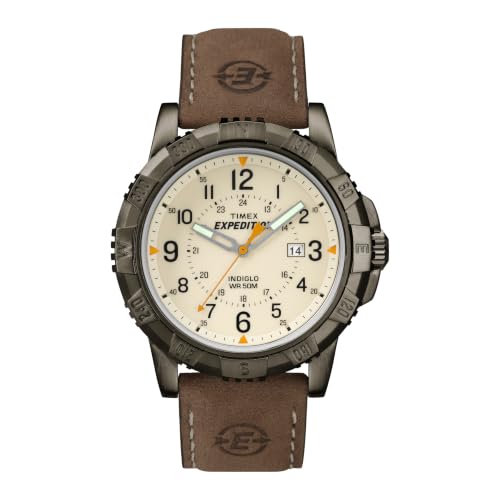


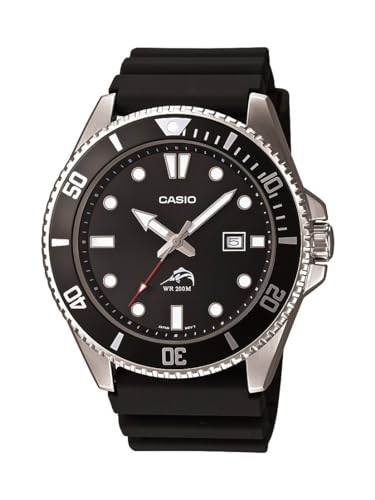


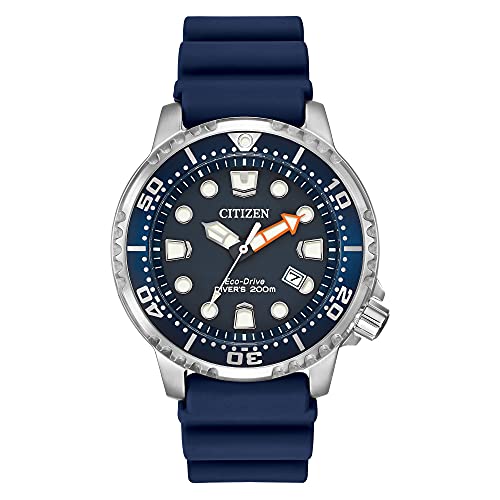
How to Judge Value at a Glance
The Balanced Spec Set to Look For
The balanced tool watch, usually around $200 to $400, combines a steel case, sapphire or tough mineral crystal, 100 to 200 meters of water resistance, and lume you can read after a full night. A quartz movement keeps it accurate and ready after days in a drawer, while an automatic version adds craft at a higher price. Judge this class by bezel or case finishing, crown feel, and bracelet solidity. If those touch points feel precise, the watch will likely serve for years of daily wear without drama.
Where a Lower Price Still Delivers
Value models around $100 to $200 keep the core promise by protecting the seal, the crystal, and legibility, while simplifying the rest. Expect mineral glass instead of sapphire, a basic but accurate quartz movement, and a resin or fabric strap option on field styles. That trade is smart for rough work, because the parts most likely to suffer are cheap to replace. The limit to accept is thinner lume and simpler case finishing. For a watch bought to be used hard, value tier logic often beats premium tier pride.
What Extra Money Should Add
An upgrade at around $400 to $600 should add things you can verify: a sapphire crystal, a higher grade automatic or solar movement, a solid link bracelet with a machined clasp, and water resistance backed by a screw down crown. Finishing should look even under bright light, with no sharp case edges. If an upgrade model only adds a new dial color or a larger case at the higher price, it is not a true upgrade. Spend up only when at least two core specs improve over the value tier you compared it with.
How to Choose the Best Affordable Tool Watches: Buying Guide
What You Can Realistically Get on a Budget
Around $150, you can realistically get honest water resistance, a steel or tough resin case, clear lume for a few hours, and a movement that keeps time within seconds per month if quartz. You will give up sapphire on many models and accept simpler bracelets. Do not give up the water rating or readable markers to gain a chronograph or a tachymeter scale you will never use. Tool watches reward restraint: fewer functions, done properly, outlast crowded dials at the same price.
Movement Type (Quartz, Automatic, Solar, Smart)
Quartz is the practical default for tool use, with top accuracy, strong shock tolerance, and a battery that lasts two to three years. Automatic movements suit owners who wear the watch daily and enjoy mechanical craft, accepting drift of several seconds a day and service every five to seven years. Solar removes battery changes for a decade or more and pairs well with outdoor work in daylight. Smart models add GPS and sensors but need charging and software support, so they act as a second device rather than a lifelong tool.
Smart and Fitness Features
GPS tracking, heart rate sensing, and step counts help training, but they change the ownership deal completely. Battery life drops to days, screens can be hard to read in harsh sun without a backlight, and the watch ages as apps move on. Treat a smart model as workout gear you replace on a tech cycle, not as your one durable watch. Its health sensors support general fitness tracking and are not medical devices. If your job is physical and your phone already tracks activity, a classic tool watch usually serves you better and longer.
Brand Reputation, Warranty, and Value
Buy from brands and sellers with a clear US warranty, spare parts access, and service centers that publish turnaround times. A two year warranty is a common baseline, and longer coverage signals confidence. Reputation matters most at resale and service time, years after the unboxing glow fades. Check that replacement straps, crystals, and gaskets are easy to source for the case style you choose. A slightly plainer watch from a maker with strong support often costs less over five years than a flashier watch with no service path.
Case Size and Wrist Fit
Most tool watches wear best between 38 and 42 mm for average wrists, with thickness under about 13 mm for comfort under cuffs and gloves. Lug to lug length decides real fit, so compare that number with your wrist width and avoid cases whose lugs hang past your wrist edges. Weight matters on long shifts: a steel bracelet can tire a slim wrist by evening, while a fabric or rubber strap keeps the same head feeling light. Try the watch with your usual work sleeves before committing.
Water Resistance Rating
Read ratings in plain terms. At 30 meters, keep the watch away from swimming. At 100 meters, swimming is reasonable on models whose maker guidance allows it, with the crown fully secured. At 200 meters, you gain margin for snorkeling and rough water use. Depth numbers assume healthy gaskets, so age and battery changes affect real protection. If water is central to your work, budget for a pressure check every couple of years as part of ownership, just like tire checks on a truck.
Strap and Bracelet Options
Rubber and silicone straps handle water, sweat, and grime best and rinse clean in seconds. Fabric straps stay comfortable in heat and dry fast after washing. Leather looks sharp but hates water and suits office leaning tool styles only. A steel bracelet lasts longest and balances a heavy case, though it adds cost and weight. Quick release strap fittings let you change looks and uses with no tools, which stretches one watch across work and weekends. Keep at least one spare strap, because straps fail before movements do.
For the wider category beyond the affordable band, see our guide to the best tool watches. Buyers weighing appearance as well as function may also like our guide to the best looking affordable watches.
Types of Tool Watches
Automatic Watches
Automatic tool watches wind from wrist motion and appeal to buyers who want mechanical character in a rugged case. They need regular wear or winding, drift slightly each day, and cost more to service. Choose one if the watch will be your daily piece and you enjoy the ritual. Skip it if the watch will sit for weeks between uses, because a stopped watch that needs resetting before a shift quickly becomes an annoyance rather than a pleasure.
Solar Watches
Solar models charge from indoor and outdoor light and can run for months in darkness once full. They remove battery swaps almost entirely and suit outdoor workers who get daylight daily. Dial designs must let light reach the cells, which limits some color choices. Long term, the rechargeable cell eventually ages after many years, but service intervals are long. For low upkeep tool use with quartz accuracy, solar is often the smartest middle path in this whole category.
Dive and Field Watches
Dive styles bring a rotating bezel, high water resistance, and bold lume for water and low light use. Field styles favor simple dials, smaller cases, and straps built for land work, hiking, and travel. Both count as tool watches because each is designed around a clear job. Pick the dive form if water dominates your routine, and the field form if light weight and easy reading on the move matter more. Many owners find a field watch the better daily fit and keep diving specs for holidays.
Quartz Watches
Quartz tool watches deliver the best accuracy per dollar and tolerate shocks that would upset a mechanical balance. They start instantly after storage, cost little to run, and allow slimmer cases. The trade offs are a ticking second hand and a battery change every few years. For pure function at an affordable price, quartz remains the benchmark that other movements must justify themselves against. If your buying reason begins with the word reliable, start your search here and compare everything else to it.
Setup and Care Tips
- Service automatic watches every 5 to 7 years. Fresh oils and new gaskets keep accuracy steady and water resistance honest.
- Rinse after saltwater exposure. Run fresh water over the case and strap with the crown secured, then dry fully to stop salt and grit harming the bezel and links.
- Store away from magnets. Speakers, tablet covers, and magnetic clasps can disturb automatic accuracy, so keep distance in drawers and bags.
- Rotate straps to reduce wear. Resting a strap between wears lets leather and fabric dry out, which extends life and comfort.
- Check the crown before water. Make a habit of confirming the crown is pushed in or screwed down every time, since most water damage starts there.
General comfort and sizing principles in our guide to the best affordable wrist watches apply here too, and gift buyers can cross check styles in our guide to the best affordable watches for men.
FAQs
How long does a watch battery last?
A quartz tool watch battery usually lasts two to three years. Heavy backlight use shortens that span, while simple analog models often reach the upper end. Replace it as soon as timekeeping falters, and ask for a gasket check during the swap. That small step protects the water rating you paid for. Solar models avoid this cycle for many years, which is worth real money if service shops are far from where you live.
How water resistant should a watch be?
For rain, splashes, and hand washing, a basic rating is enough. For weekly swimming, choose 100 meters or more on a model cleared by its maker for swimming, with the crown secured. For snorkeling and rough water, 200 meters gives useful margin. Whatever you choose, remember that steam, soap, and aging seals reduce real world protection over time. A pressure check before a beach season is cheap insurance for a watch you rely on.
Quartz or automatic: which is better?
Quartz is better for accuracy, shock resistance, and low cost, which suits most tool watch jobs. Automatic is better for owners who value mechanical craft and wear the watch daily. Its drift and service needs are real costs, not flaws, as long as you expect them. Decide by routine: irregular wear and hard knocks point to quartz, while daily wear and personal enjoyment point to automatic. There is no universal winner, only a better match for your week.
What case size fits my wrist?
Start with 38 to 42 mm if your wrist is average, and let lug to lug length make the final call. The case should sit flat with no lug overhang, and the strap should curve around your wrist without gaps. Thick cases catch on gear and sleeves, so check thickness for work use. If you wear gloves often, slightly larger crowns and bezels are easier to grip. Comfort across a ten hour day beats a bold look across a ten minute store visit.
Is a smartwatch worth it over a classic watch?
A smartwatch is worth it if GPS routes, training data, and notifications are central to your day. It is not worth it as a pure time tool, because charging, software aging, and screen glare work against simple reliability. Many active owners pair a smartwatch for workouts with a classic tool watch for work and travel. That split keeps each device in its strength zone. If you must choose one and durability leads your list, choose the classic watch.
Wrapping Up
Buy for the seal, the crystal, and readable lume first, then pick the movement that fits your routine. Those priorities separate a true tool from a styled imitation at any price. As you compare best affordable tool watches in the product table, favor honest specs over extra dial features, and your choice should stay useful for years of real work.


