
Best Affordable Tennis Shoes 2026: A Smart Guide
Disclosure: We may earn a commission when you buy through links on this page, at no extra cost to you. As an Amazon Associate I earn from qualifying purchases. Learn more

Find affordable tennis shoes with court grip, lateral support, and lasting comfort, whether you play socially or compete every week on any court surface.
Best affordable tennis shoes need court specific support that running shoes cannot provide, since tennis involves sudden stops, sideways moves, and quick direction changes. The comparison table below sets out the main types side by side so you can match grip, support, and durability to your court surface. A good tennis shoe protects your ankles, grips the court without sticking, and stays comfortable through long matches.
Budget tennis shoes now borrow features from premium models, including reinforced sides, durable outsoles, and cushioned midsoles. You do not need to spend heavily to play safely, though you should avoid general trainers that lack lateral support. This guide explains what makes a tennis shoe work on court, so you buy with confidence for your game.
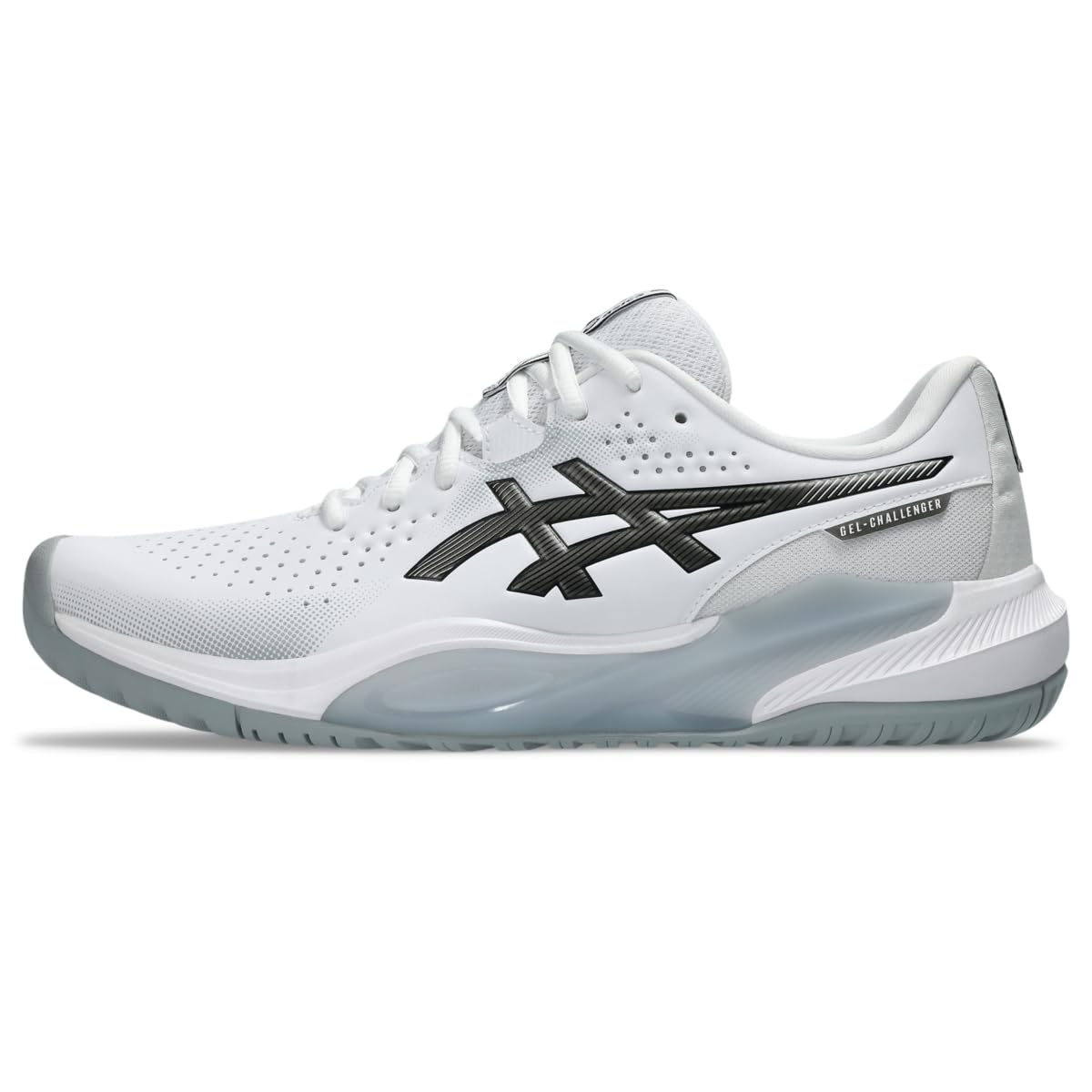
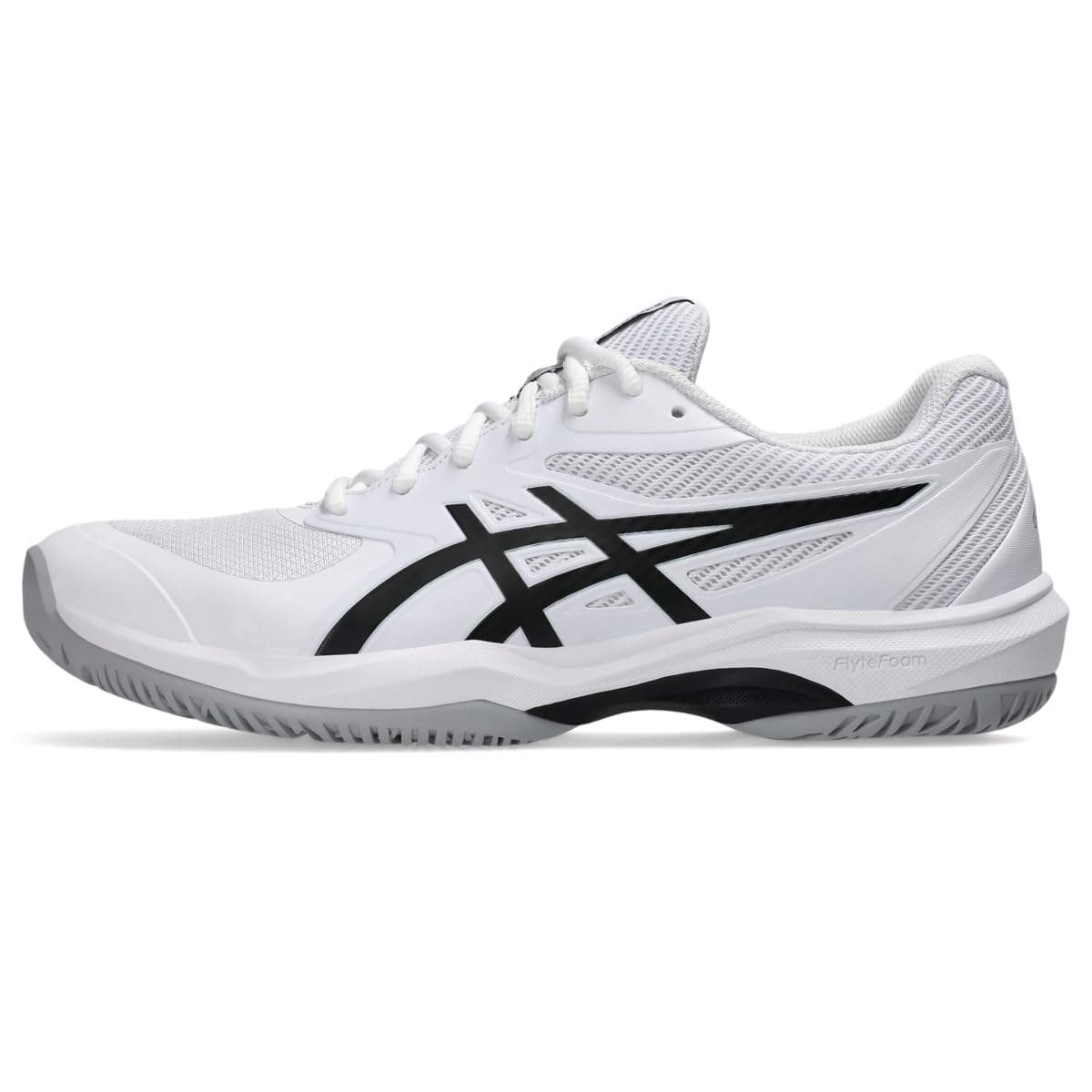

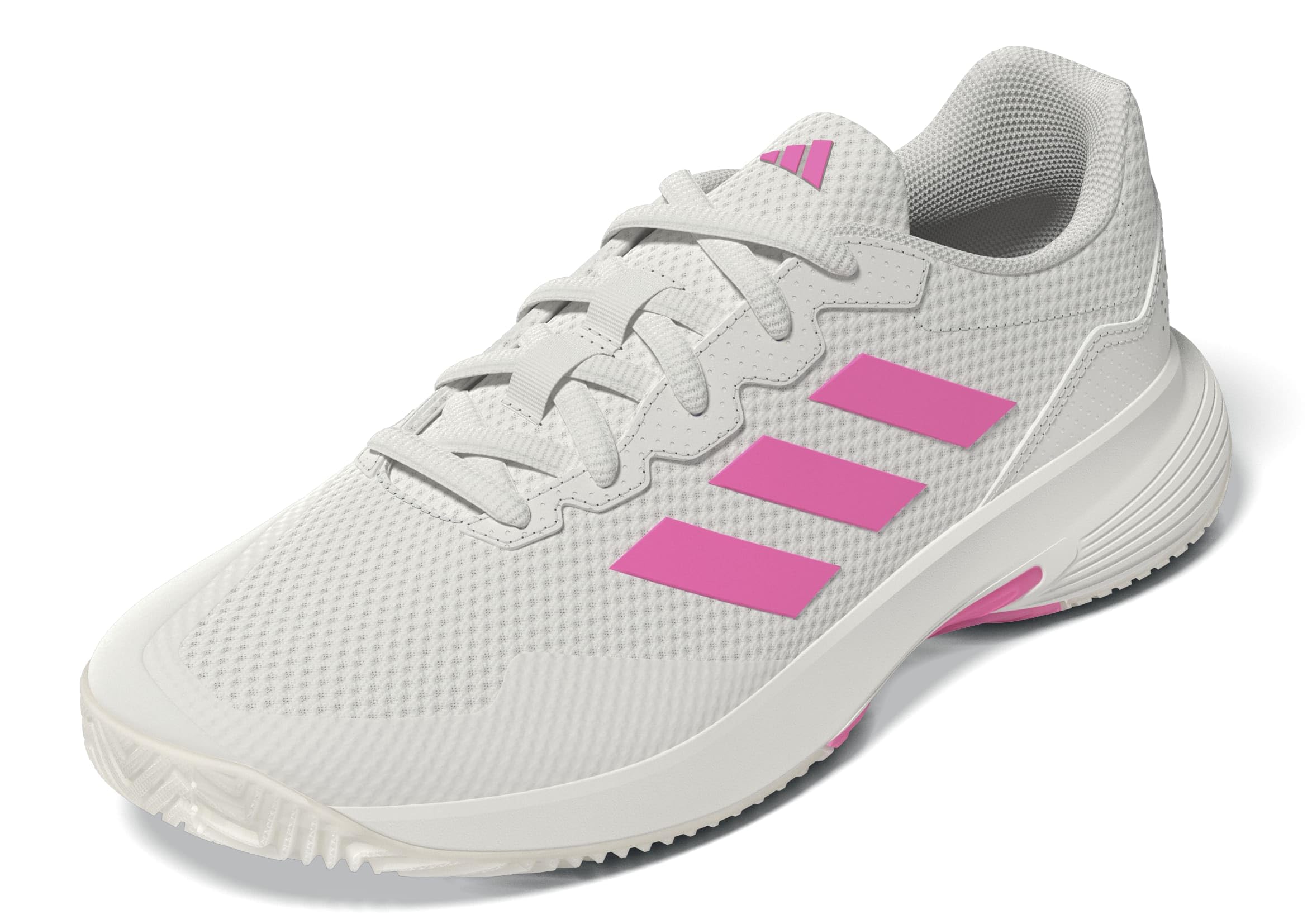
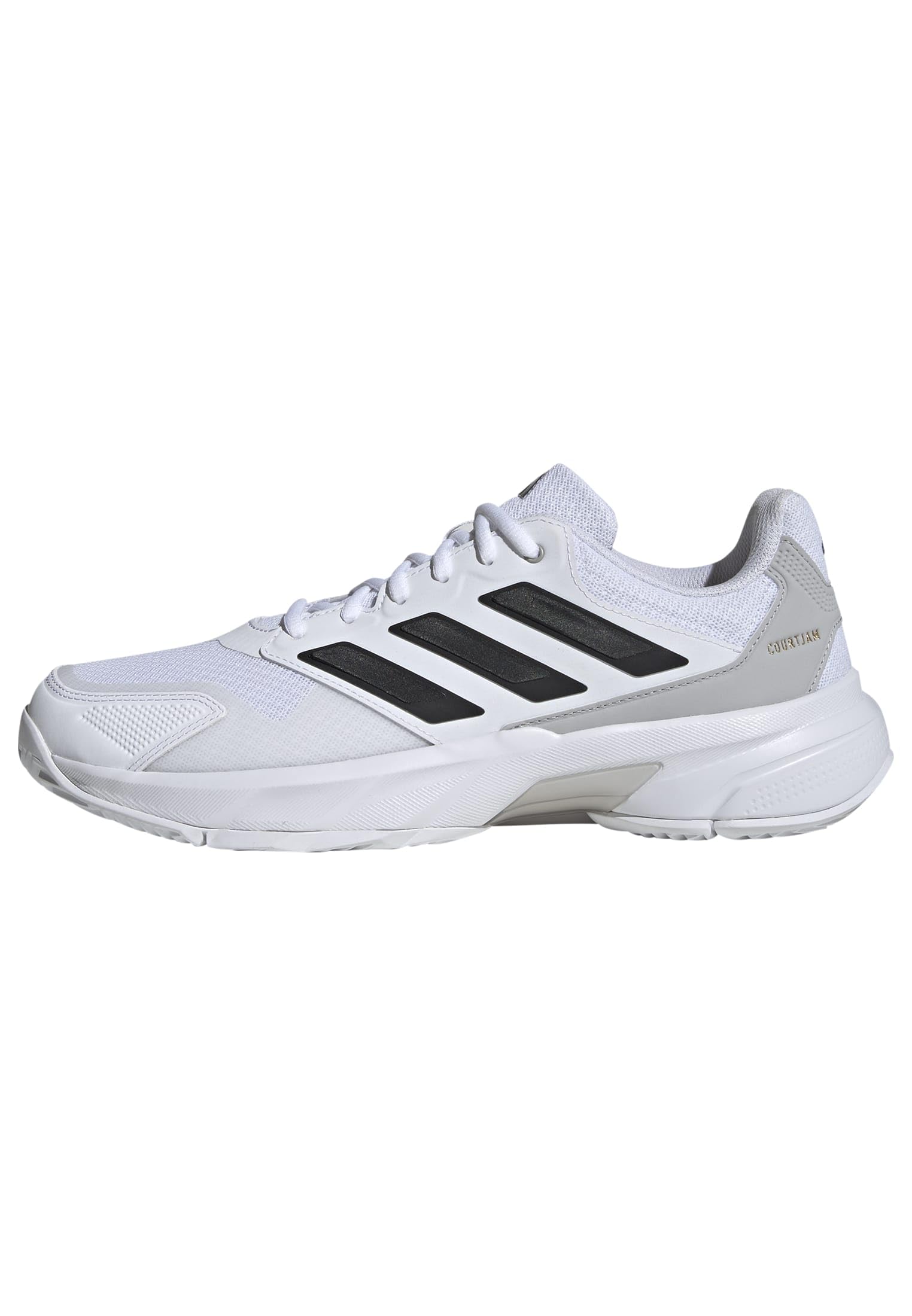
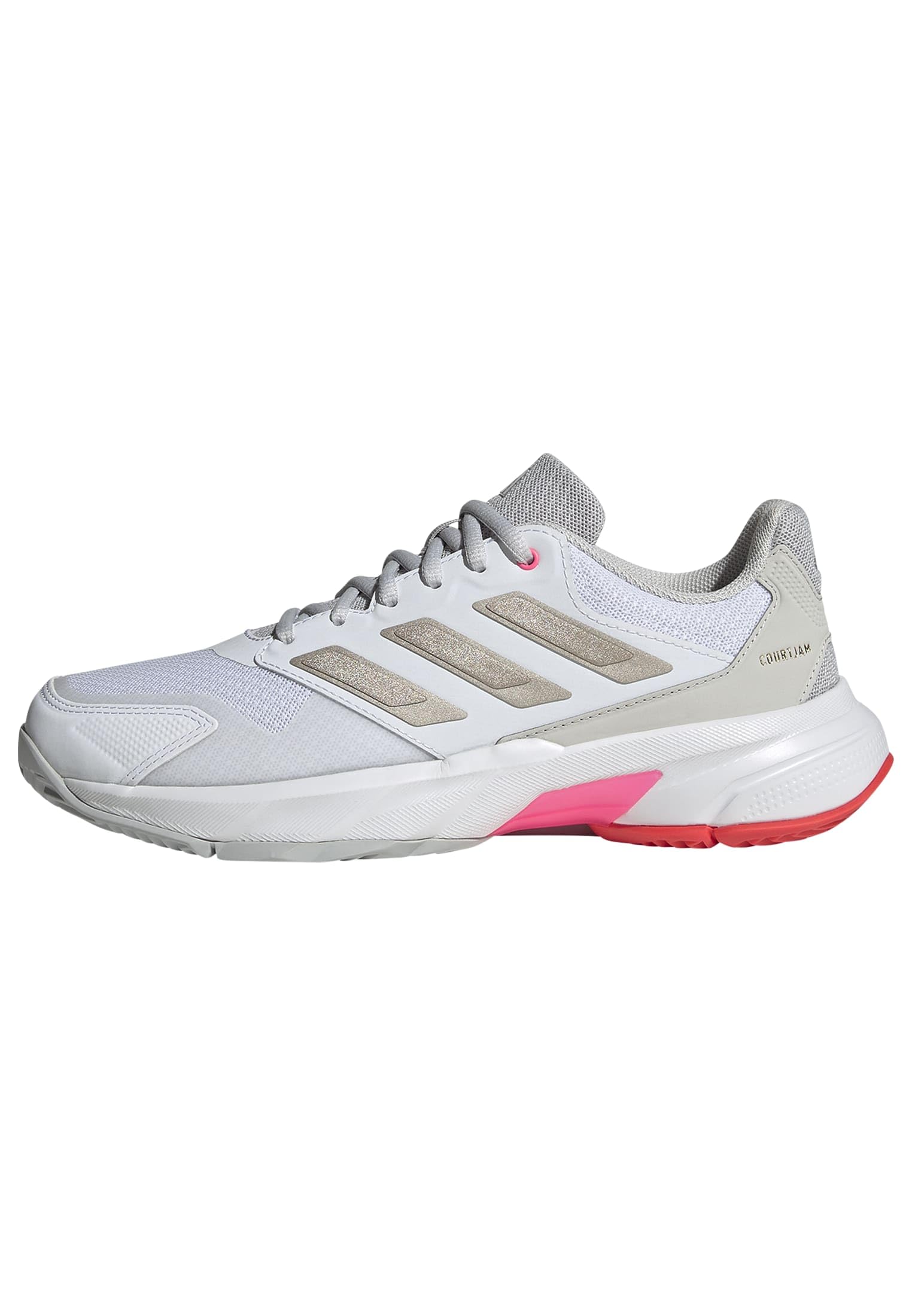
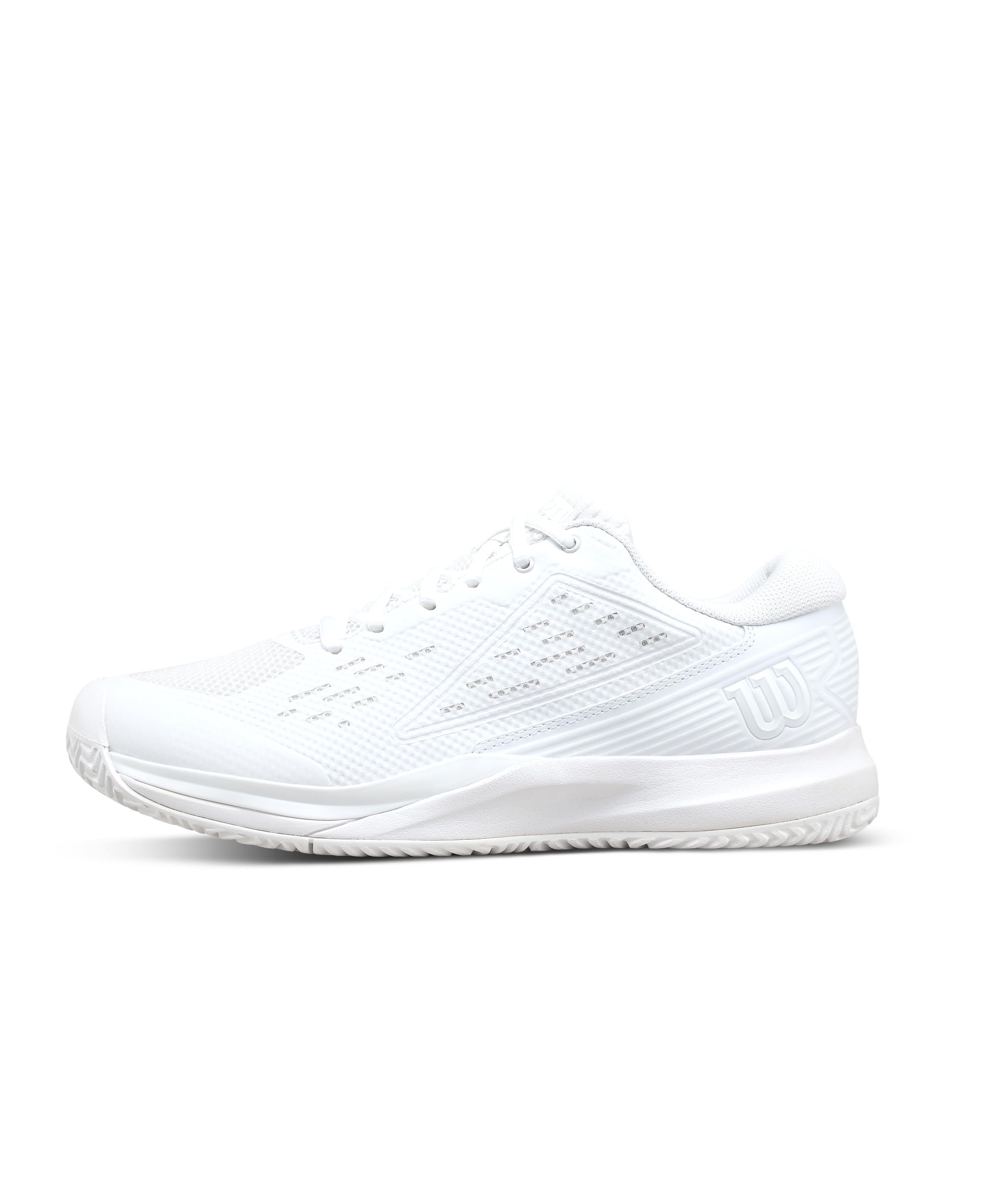


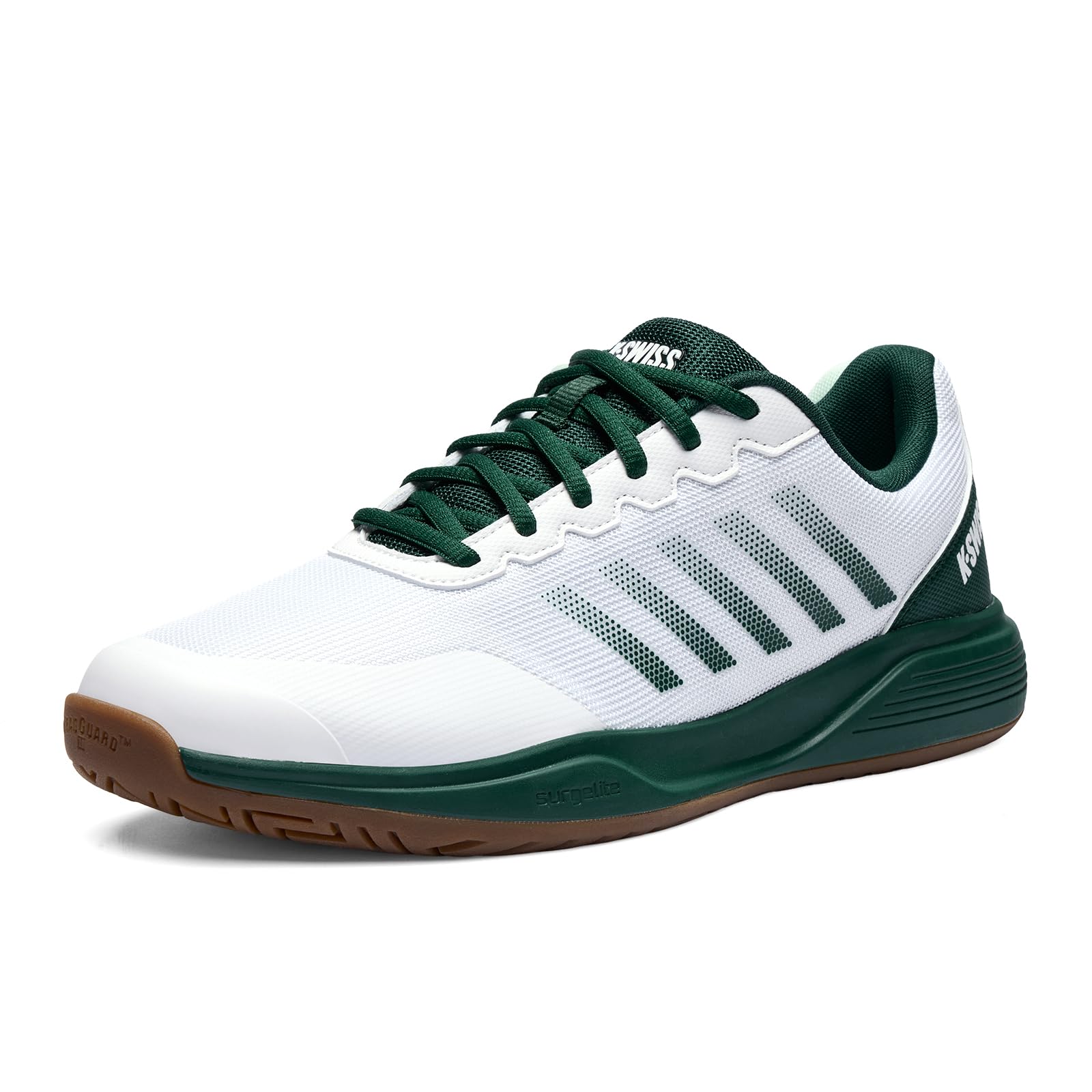
Who Should Buy Affordable Tennis Shoes
Affordable tennis shoes suit social players, beginners, and club players who play a few times a week. They also suit juniors who outgrow shoes quickly and adults returning to the game after a break. A budget pair lets you learn your preferred fit and court feel without a costly mistake.
Competitive players who train daily may wear shoes faster and need to replace them more often, which makes budget models attractive as regular replacements. If you play on hard courts, favor durable outsoles, while clay court players need a tread that releases clay and grips without clogging. Match the shoe to your surface and frequency for the best value.
Court Grip and Outsole Types
Outsole grip decides how safely you move, stop, and change direction on court. Hard court outsoles use durable rubber that resists wear on abrasive surfaces, while clay outsoles use a herringbone tread that grips loose clay and sheds it as you move. All court outsoles compromise between surfaces and suit players who switch courts often.
Grip should feel secure without grabbing, since a sole that sticks too firmly can twist an ankle on a sudden stop. Test shoes with lateral moves and quick stops when possible, and check that the outsole covers the toe and sides where dragging occurs. Worn outsoles lose grip gradually, so inspect them regularly and replace shoes before they become slippery. Running focused options appear in best tennis shoes for running, while best looking tennis shoes covers style led choices.
Lateral Support and Stability
Lateral support is the key difference between tennis shoes and running shoes, since tennis moves sideways far more than running does. A tennis shoe needs a firm midfoot shank, reinforced sides, and a stable heel to prevent the foot rolling during a sharp change of direction. Soft, flexible running shoes lack this structure and raise injury risk on court.
Ankle support comes from a secure lacing system and a snug heel fit rather than a high collar alone. Low cut shoes suit fast movers, while mid cut shoes add a sense of security for players with weaker ankles. If you have ongoing ankle problems, talk with your clinician about support needs rather than relying on shoes alone. Trail style options are covered in best trail tennis shoes, and best affordable shoes gives a general affordable shoe baseline.
Fit, Cushioning, and Comfort
Fit should be snug at the midfoot with room for toes to move, since tennis involves lunging and sudden stops that push feet forward. Try shoes on with tennis socks, and test lateral moves in the shop when possible. A shoe that slips at the heel or pinches the toes will cause blisters long before the match ends.
Cushioning should absorb impact from jumps and sprints without feeling mushy during direction changes. A responsive midsole returns energy on push off, while heel cushioning protects joints on hard courts. Breathable uppers keep feet cooler during long matches, which matters most in summer play.
Durability and Court Surface
Durability depends heavily on court surface, since hard courts wear soles faster than clay or grass. Look for reinforced toe drag guards if you slide or drag your feet, since the toe area fails first for many players. Check outsole thickness and rubber quality, and favor shoes with a durability promise that matches your playing frequency.
Rotate two pairs when you play often, since rest days let foam recover and uppers dry fully. Clean clay from outsoles after each match, and let shoes air dry away from direct heat. With simple care, a budget tennis shoe can last a full season of regular social play.
Mistakes to Avoid
The most common mistake is playing tennis in running shoes, which lack lateral support and raise ankle injury risk. Another mistake is buying shoes that fit tightly in the hope they will stretch, since tennis shoes should feel right from the start. Always test lateral movement, not just walking, before you commit.
Many players also ignore court surface and buy the wrong outsole, then wonder why grip feels poor. Match the outsole to your main court, and keep a second pair when you regularly play on a different surface. The right outsole improves both safety and enjoyment on every point.
Warming Up and Caring for Court Shoes
Court shoes perform best when you warm up in them before a match, giving cushioning time to settle and letting you test grip on the actual surface. Spend a few minutes on lateral shuffles, short sprints, and practice stops, checking that heels stay locked and toes have room during lunges. A shoe that feels secure in warm up will rarely surprise you mid match, while one that slips early deserves a lacing adjustment before play starts.
Between matches, simple care extends shoe life noticeably, starting with brushing clay or dust from outsoles and letting shoes air dry fully. Stuff shoes with paper after wet matches to hold their shape, and avoid direct heat that hardens rubber and weakens adhesives. Rotating two pairs for frequent players gives foam time to rebound, which keeps cushioning responsive far longer.
Watch for wear patterns that signal fit or technique issues, such as heavy wear on one side of the sole or repeated blisters in one spot. Uneven wear may mean your foot rolls during play, which a different support level could address, while toe drag wear points to a need for reinforced toe guards. Paying attention to wear helps you choose the next pair more wisely than any advertisement could.
Frequently Asked Questions
Can I play tennis in running shoes?
You should not play tennis regularly in running shoes, since they lack the lateral support tennis demands. Running shoes suit forward motion, while tennis involves sideways stops and direction changes that can roll an ankle in a soft shoe. Tennis shoes add firm sides, stable heels, and court specific outsoles for those moves. Occasional gentle rallies may pass, but regular play deserves proper tennis shoes for safety.
How long do affordable tennis shoes last?
Affordable tennis shoes often last a full season of regular social play, though heavy players on hard courts may wear them faster. Outsole wear, toe dragging, and flattened cushioning signal replacement time. Rotating pairs, cleaning outsoles, and air drying shoes all extend life. Replace shoes when grip fades or support feels soft, since worn tennis shoes raise injury risk on quick moves.
What is the difference between hard court and clay court shoes?
Hard court shoes use durable, flat outsoles that resist abrasion and grip smooth surfaces. Clay court shoes use a herringbone tread that grips loose clay, sheds clay as you move, and allows controlled sliding. All court shoes compromise between the two and suit players who switch surfaces. Match the outsole to your main court for the best grip and durability.
Do I need different shoes for singles and doubles?
You do not need different shoes for singles and doubles, since both demand lateral support, grip, and cushioning. Singles involves more running and lunging, while doubles involves quicker net moves and shorter bursts. A well fitting tennis shoe with strong lateral support suits both formats. Choose based on court surface and fit rather than game format, and replace shoes when support fades.
How should tennis shoes fit?
Tennis shoes should fit snugly at the midfoot and heel with room for toes to spread and move. Your toes should not hit the front during lunges, and your heel should stay put during sideways moves. Try shoes with tennis socks, test lateral steps in the shop, and favor a pair that feels secure immediately. Shoes that pinch or slip in the shop will only feel worse during a long match.
Final Thoughts
Best affordable tennis shoes protect your game when they offer court grip, lateral support, and a secure fit at a fair price. Use the product table above to compare outsoles, support, and durability against your court surface and playing frequency. A shoe built for tennis will feel steadier on every change of direction than any general trainer.
Test lateral moves before you buy, match the outsole to your court, and replace shoes when grip or support fades. With a careful choice, budget tennis shoes can carry you through a season of enjoyable, safer tennis.


