
Best Affordable Shoes 2026: A Practical Buying Guide
Disclosure: We may earn a commission when you buy through links on this page, at no extra cost to you. As an Amazon Associate I earn from qualifying purchases. Learn more

Learn how to find affordable shoes that fit well, feel comfortable all day, and last longer, without paying for brand names you do not need.
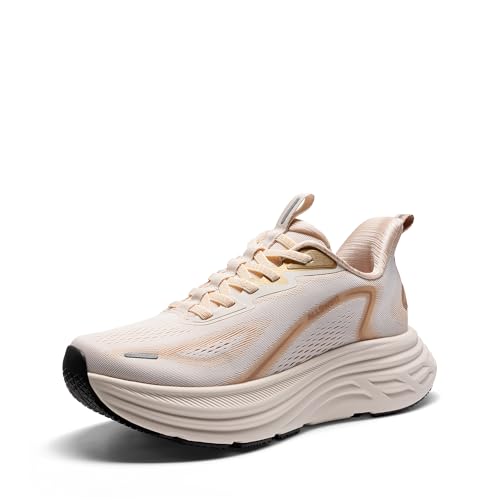
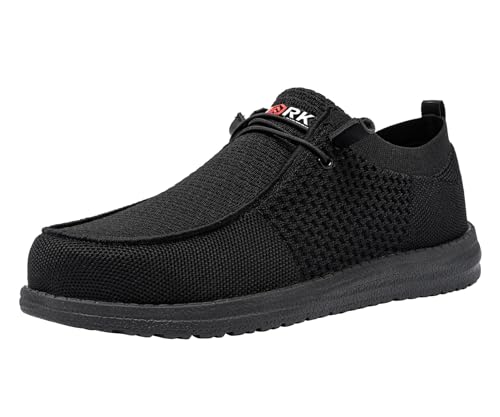
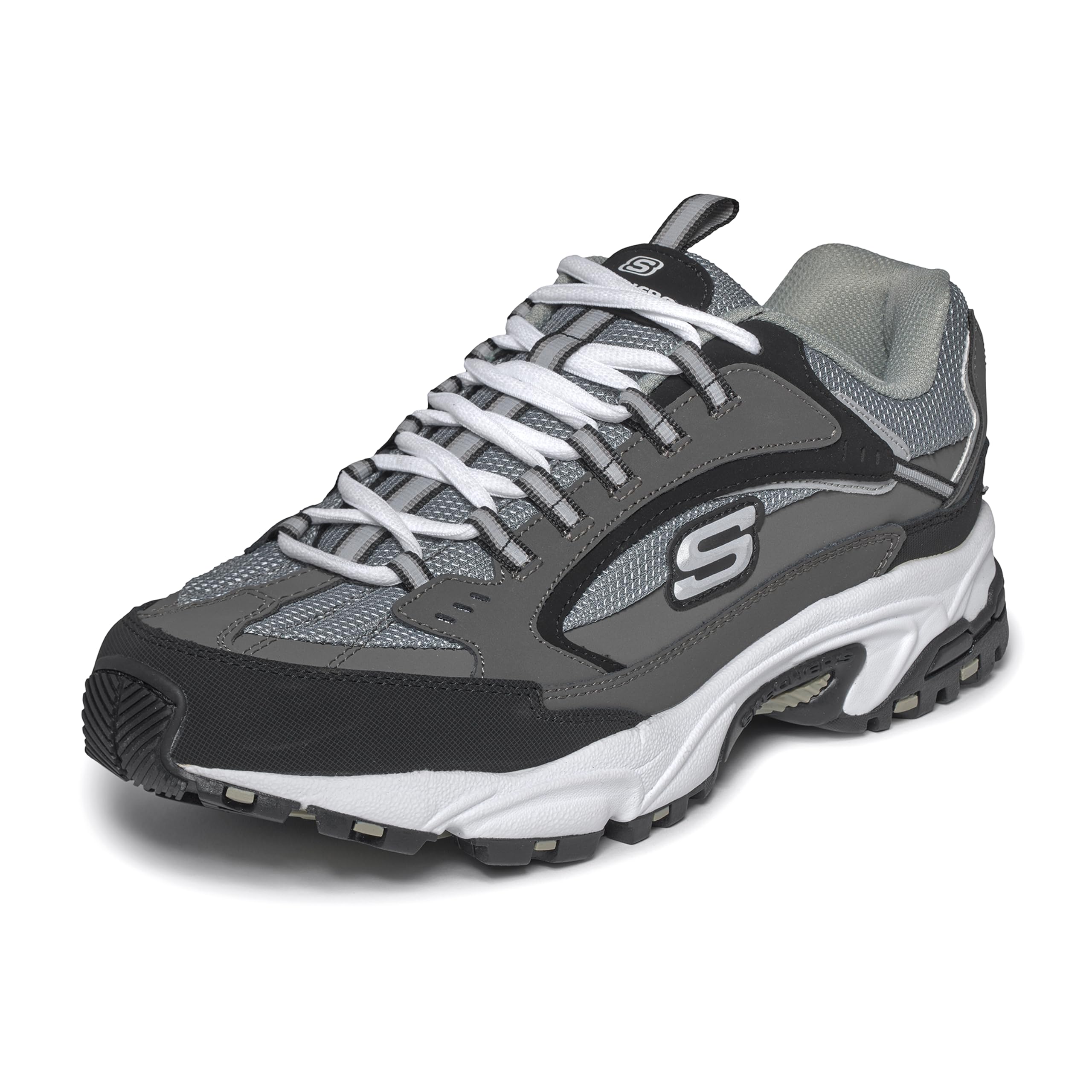
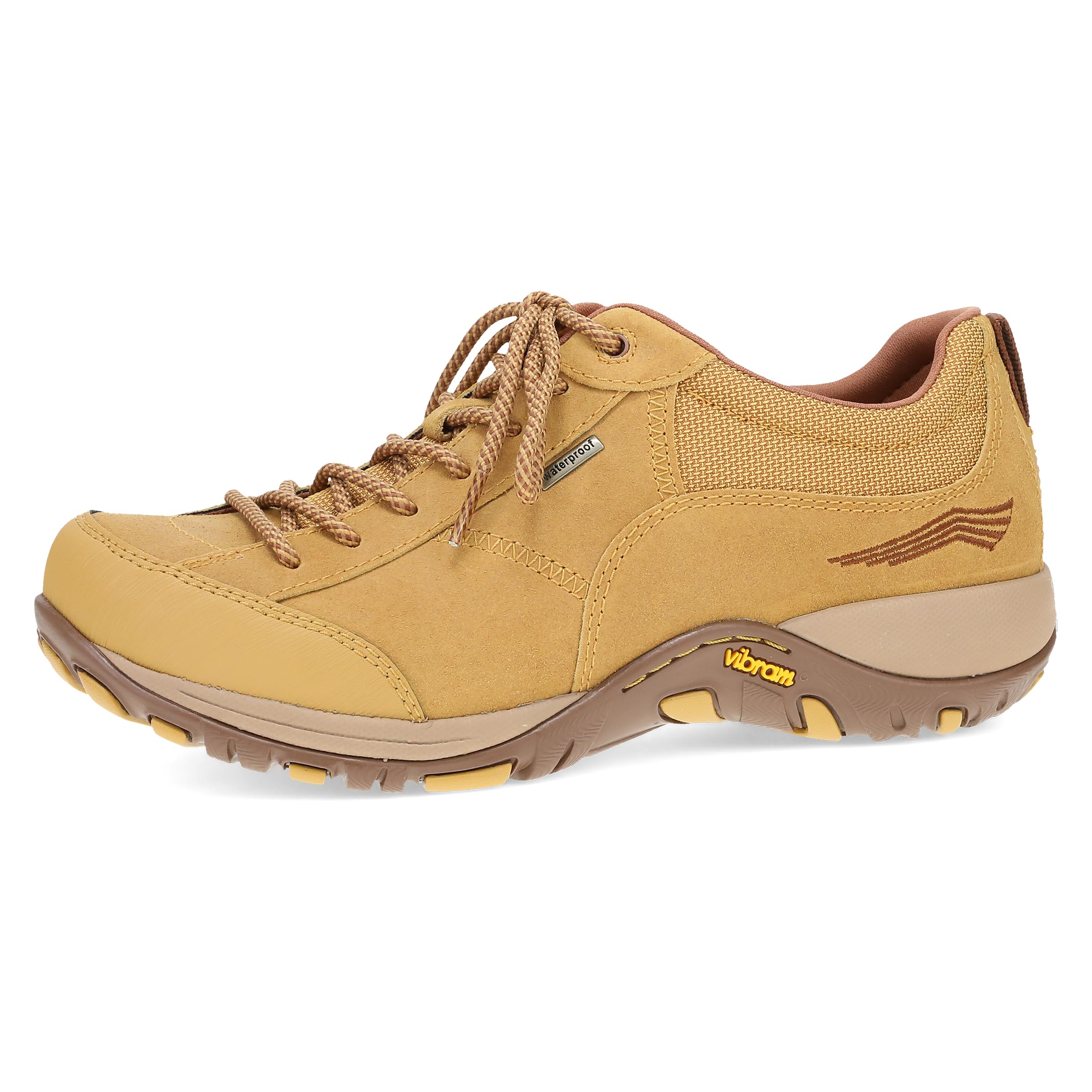
Best affordable shoes can carry you comfortably through work, errands, and weekends when you judge them on fit and build rather than logos. The comparison table below sets out the main types side by side so you can match a shoe to your daily routine. Comfort, support, and durability matter far more than fashion alone, since a cheap pair that hurts your feet will cost you far more in discomfort.
Everyday shoes face very different demands, from standing on hard floors to walking city streets in rain. Budget models now offer foam cushioning, flexible soles, and breathable uppers that once belonged only to premium shoes. This guide shows you how to spot genuine quality at a low price and avoid shoes that look good in the shop but fail within weeks.



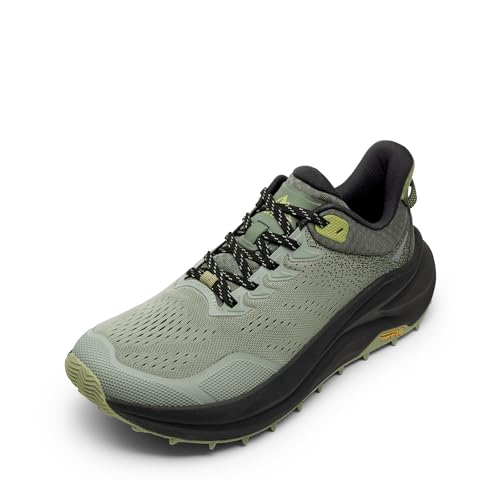

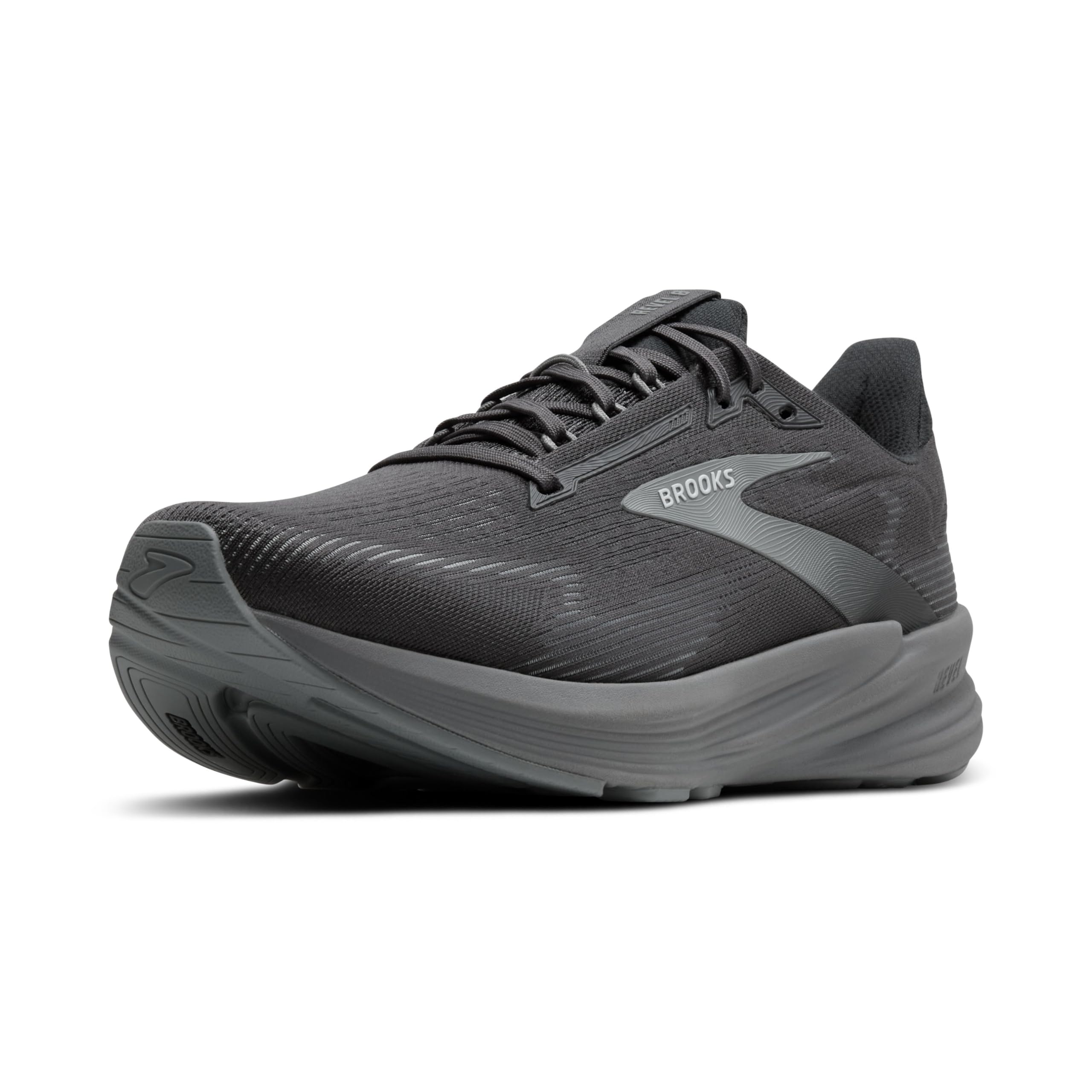
Who Should Buy Affordable Everyday Shoes
Affordable everyday shoes suit anyone who needs reliable footwear for daily life without a large budget. Students, office workers, parents, and retirees all benefit from a comfortable pair that handles walking, standing, and light activity. They also suit people who want several pairs for different uses, such as one pair for work and another for weekends.
If you play a specific sport or have a medical foot condition, a general everyday shoe may not give enough specialised support. In that case, look for shoes designed for your activity or condition, and treat this guide as a starting point. For most daily routines, however, a well chosen budget shoe performs admirably.
Fit Comes First
Fit decides comfort more than any other feature, so try shoes on with the socks you normally wear. Your toes need room to spread without pressing the front, and your heel should stay put without slipping on each step. Walk around the shop for several minutes, since a shoe that feels fine standing still may pinch once you move.
Feet change size during the day, so shop in the afternoon when feet are slightly larger. If one foot is larger than the other, fit the larger foot and use an insole or lacing adjustment for the smaller one. A shoe that needs breaking in for weeks is probably the wrong size, since good budget shoes should feel comfortable from the first wear.
Cushioning and Support
Cushioning softens each step and reduces tiredness, especially on hard floors and pavements. Foam midsoles offer light, springy comfort, while firmer soles give stability for people who overpronate or stand for long periods. Think about your typical day, and favour the cushioning that matches your activity rather than the softest shoe in the shop.
Arch support keeps your foot aligned and reduces strain on ankles and knees. Some shoes offer built in arch support, while others accept removable insoles for a custom fit. If you spend hours on your feet, support matters more than softness alone, since a very soft shoe without structure can tire your feet faster.
Materials and Build Quality
Budget shoes use a mix of mesh, knit, leather, and synthetic materials, each with its own strengths. Mesh and knit breathe well and suit warm weather, while leather resists scuffs and looks smarter for work. Synthetics keep prices down and handle rain better than untreated fabric, though they may breathe less on hot days.
Check the build before you buy by bending the shoe, pressing the sole, and inspecting the stitching. A well made budget shoe flexes at the ball of the foot, not in the middle, and shows even stitching without loose threads. Glued soles should sit flush without gaps, since gaps let water in and signal early failure.
Budget Tiers and Durability
At the lowest prices, expect simple shoes with basic cushioning and lighter materials. These suit occasional wear and short walks, and they offer good value when you rotate several pairs. Inspect them closely, since quality varies more at this tier than at higher prices.
In the middle range, you gain better cushioning, stronger soles, and more durable uppers that handle daily wear. This tier suits people who walk or stand for hours each day. Above it, you pay for premium materials, refined fit, and brand design, which matter more for style and longevity than for basic comfort.
Mistakes to Avoid
The most common mistake is buying shoes purely for looks and discovering the discomfort too late. Try shoes on properly, walk in them, and return pairs that pinch or slip, no matter how good they look. Another mistake is buying one pair for every activity, from running to office work, when different tasks need different support.
Many buyers also wear shoes long past their useful life, since worn soles and collapsed cushioning strain feet gradually. Replace shoes when the sole wears unevenly, the upper tears, or your feet ache more than usual. A fresh budget pair costs far less than the discomfort of worn out footwear.
Building a Small Shoe Rotation That Works
A small rotation of two or three pairs keeps everyday shoes lasting longer than a single pair worn daily, since rest days let foam recover and moisture escape. Choose pairs with different purposes, such as a neat pair for work, a cushioned pair for long walks, and a rugged pair for wet weather. Rotation also lets you match shoes to the day, which feels better and looks smarter than forcing one pair through every situation.
Seasonal thinking helps too, since breathable mesh suits summer heat while water resistant uppers suit rainy months. Store off season pairs clean and dry, stuffed with paper to hold their shape, and inspect them before the season returns. A pair pulled from storage with cracked soles or flattened cushioning should be replaced, not revived with wishful thinking.
Finally, pay attention to how your feet feel at the end of the day across a full week, since patterns reveal problems that a single fitting cannot. Aching arches may signal a need for better support, while sore toes may mean a narrower fit than you thought. Small adjustments, like a different insole or lacing style, often solve discomfort that a new pair alone would not fix.
Frequently Asked Questions
How much should I spend on everyday shoes?
A sensible budget for everyday shoes depends on how much you walk and stand, but many good pairs sit in the low to middle price range. Very cheap shoes may wear quickly under daily use, while very expensive shoes often charge for brand and style rather than comfort. Focus on fit, cushioning, and build, and spend a little more when you stand or walk for hours daily. Rotate two pairs when possible to extend the life of both.
How do I know if shoes fit correctly?
Shoes fit correctly when your toes have room to move, your heel stays in place, and no area pinches or rubs during a walk. Try both shoes on, walk for several minutes, and test stairs or slopes when possible. Your longest toe should sit a thumb width from the front, and the shoe should bend where your foot bends. Return shoes that hurt in the shop, since discomfort rarely improves with wear.
Are cheap shoes bad for your feet?
Cheap shoes are not automatically bad for your feet, since price alone does not decide support or fit. A well made budget shoe with good cushioning and a stable sole can serve daily needs very well. Problems arise when very cheap shoes use thin soles, no arch support, and poor sizing. Judge each pair on fit, structure, and materials, and replace shoes once cushioning collapses or soles wear unevenly.
How often should I replace everyday shoes?
Replace everyday shoes when the sole wears smooth, the cushioning feels flat, or the upper splits, which often happens after many months of daily wear. Heavy walkers may need replacement sooner, while occasional wearers can keep shoes longer. Check the sole pattern and heel wear monthly, since uneven wear signals that support has faded. Fresh shoes protect your feet far better than worn favourites.
Can one pair of shoes suit work and walking?
One pair of shoes can suit work and walking when your job allows comfortable, smart looking footwear. Look for a neat design with a cushioned sole, good grip, and breathable upper that handles a full day. Very formal workplaces may need dress shoes, while active jobs need sturdier soles. When in doubt, keep a work pair and a walking pair, since each lasts longer with rest between wears.
Final Thoughts
Best affordable shoes reward shoppers who test fit carefully and judge build quality over brand names. Use the product table above to compare cushioning, support, and materials, then choose the pair that suits your daily routine. Comfort you can feel matters far more than a logo other people can see.
Try shoes on properly, rotate pairs when you can, and replace them once support fades. With those habits, budget shoes can keep you comfortable through work, errands, and weekends without straining your wallet.


