Best Affordable Tablets for Note Taking in 2026: Which Type Is Right for You?
Disclosure: We may earn a commission when you buy through links on this page, at no extra cost to you. As an Amazon Associate I earn from qualifying purchases. Learn more
A clear buying guide to best affordable tablets for note taking, comparing types, stylus feel, display, storage, battery life and total cost of extras.
Tablets, convertibles, and small laptops all promise easy notes, yet they feel very different in a lecture hall, a meeting, or on a train. The pen experience, the weight in your bag, and the apps you need matter more than a long spec list. This guide compares the main types so you can choose best affordable tablets for note taking with clear eyes, and it uses the comparison table below to anchor prices and sizes before we get into detail.
A good note taking setup has three parts working together. The screen must feel natural to write on, the pen must keep up without lag or drift, and your notes must stay organized and searchable across classes or projects. If any one part fails, you will drift back to paper within a month.


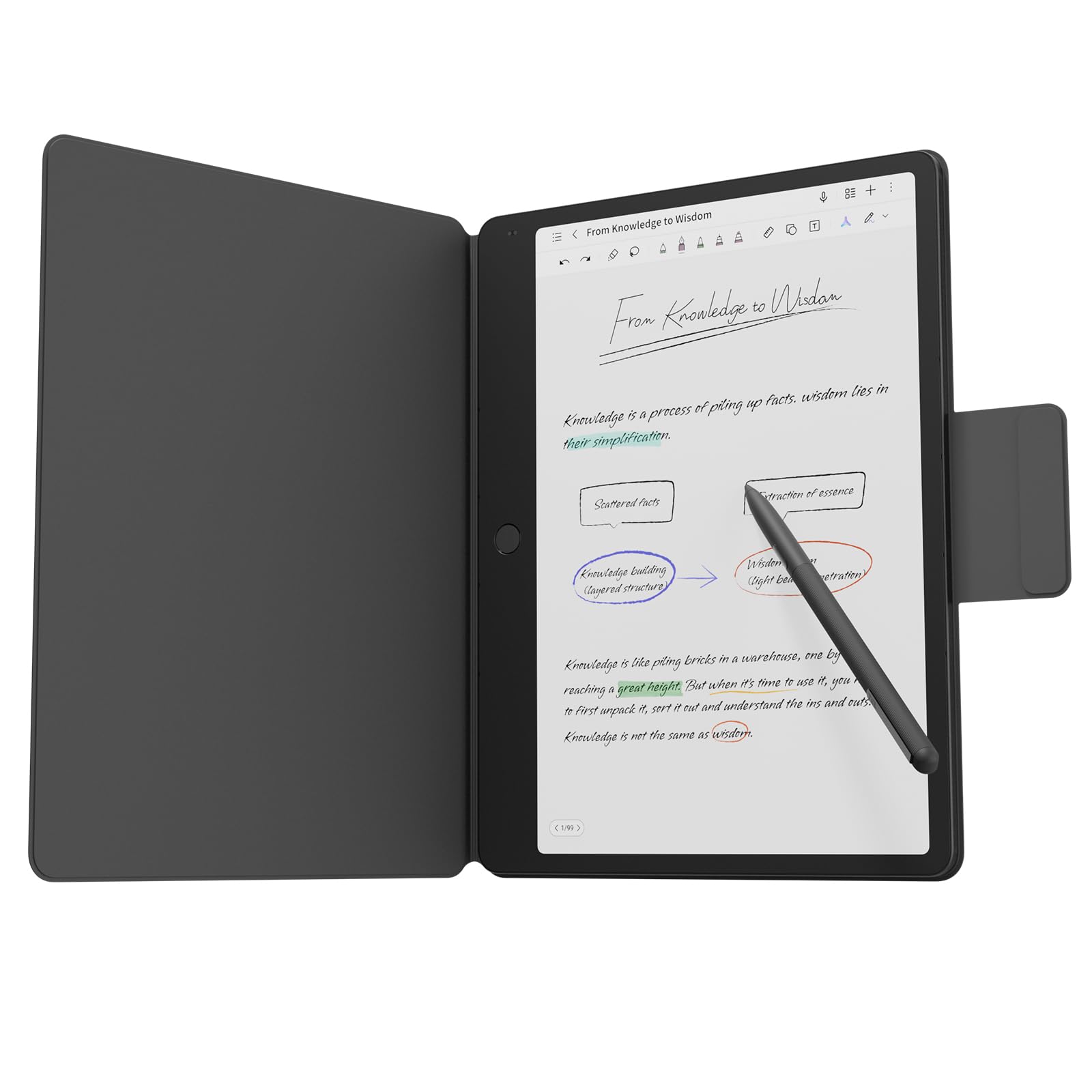
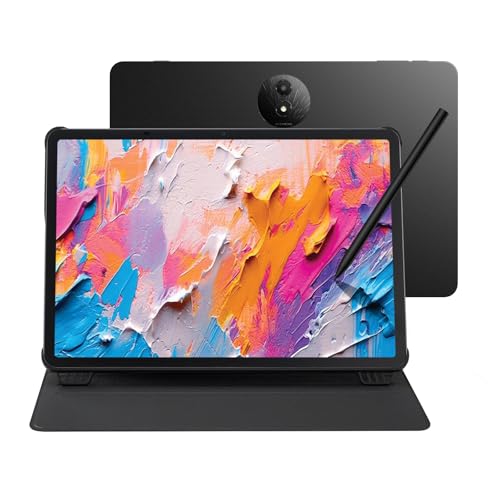

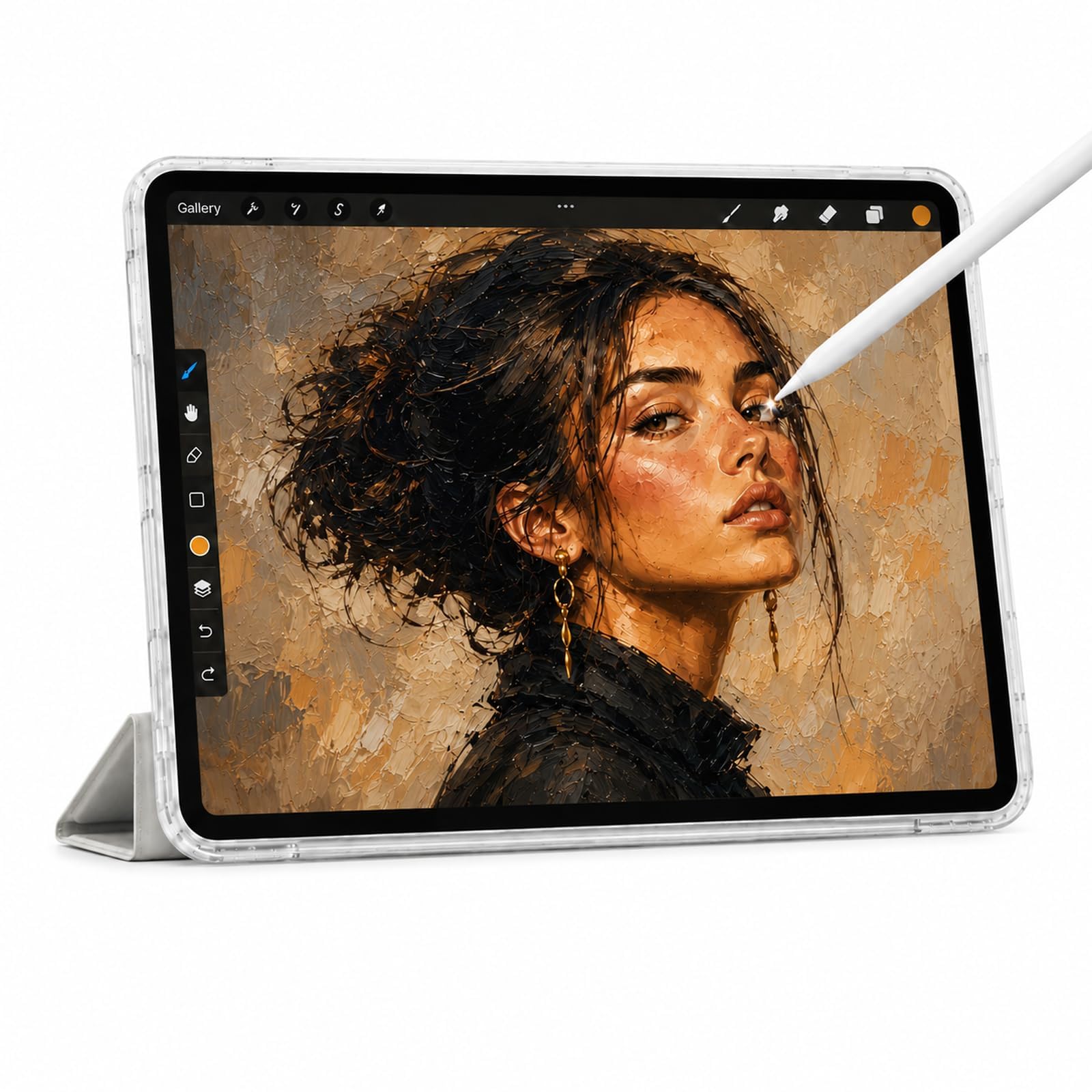
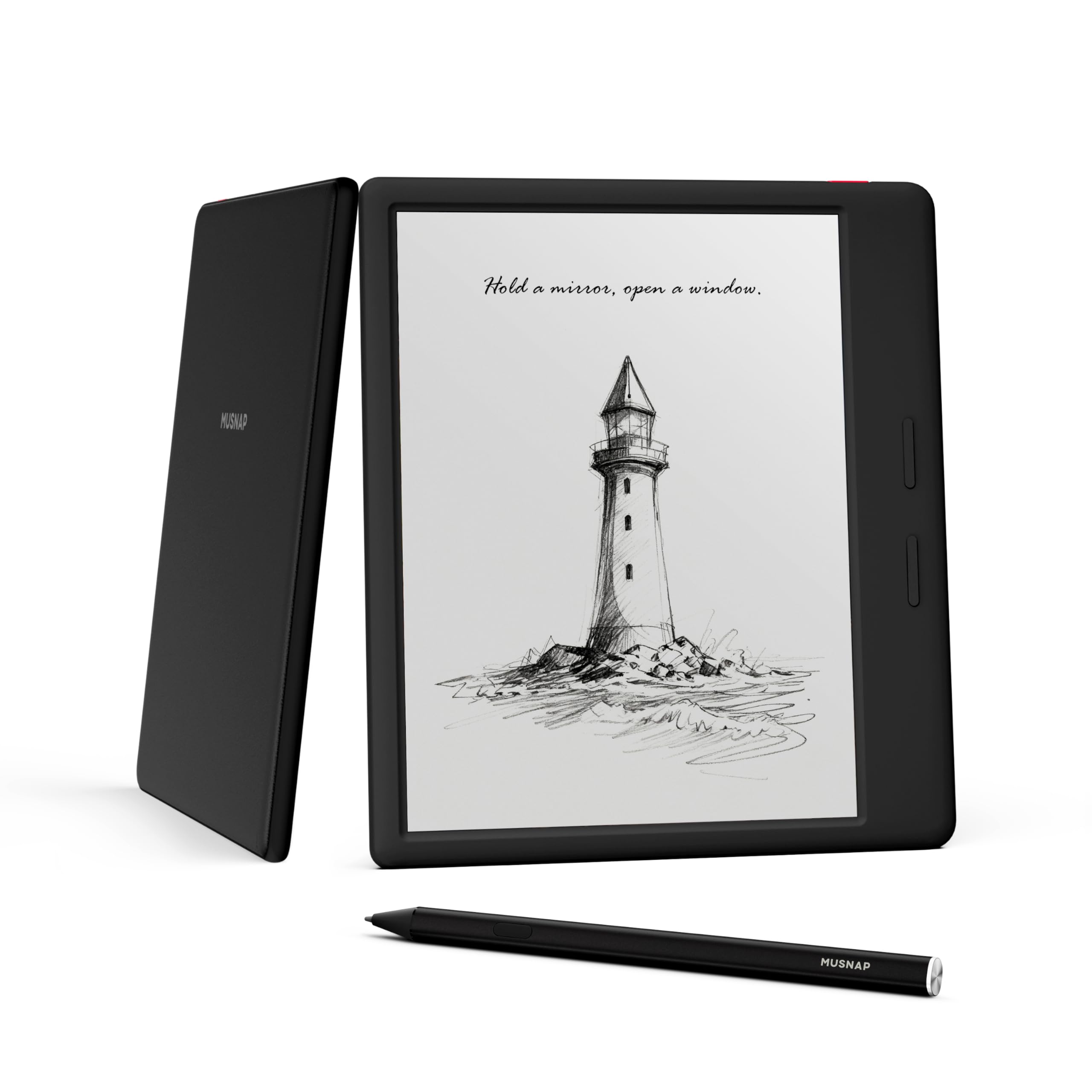
How Tablets Compare to Other Options
Start with the job, not the device. If most of your day is reading, marking up documents, and writing by hand, a pure tablet is the lightest and simplest tool. If you also type long essays, edit spreadsheets, or run desktop software, a convertible or a small laptop may serve you better even at a higher price.
Tablets vs 2 in 1 Convertibles
A tablet wins on weight, instant wake, and battery life. You can hold it in one hand, write standing up, and carry it all day without thinking about it. A 2 in 1 convertible adds a real keyboard and a full desktop system, which helps with long writing and file management. The trade off is bulk, because most convertibles weigh noticeably more and feel awkward as pure writing slates. Choose a tablet when handwriting is the main task, and a convertible when typing and desktop apps share equal time.
Tablets vs Gaming Laptops
A gaming laptop brings a powerful processor and a dedicated graphics card, but almost none of that power improves handwriting. It is heavier, louder, and drains its battery far faster, and its screen is not built around pen input. For note taking alone it is the wrong tool at the wrong price. Choose a gaming laptop only if gaming or heavy video work is a real second job for the same machine. Even then, many students pair a basic tablet for class with a stronger computer at home, and the total often costs less.
Tablets vs Ultraportables
An ultraportable laptop is a slim, light laptop built for typing, email, and office work. It beats a tablet for long documents, multitasking with many windows, and using a full file system. It loses on handwriting, because most ultraportables either lack pen support or fold into a thick, heavy writing surface. If your notes are mostly typed, an ultraportable is a sound and simple choice. If your notes include sketches, diagrams, formulas, or marked up readings, a tablet with a good pen is easier to live with every day.
Who Should Choose Tablets?
Tablets suit students who move between rooms all day, field workers who write standing up, and anyone whose notes mix words with drawings. They also suit readers, because the same screen that takes notes displays books and documents comfortably. If you need ideas for the handwriting side in particular, see our guide to the best tablets for taking handwritten notes for pen and surface details. You should look elsewhere if you type thousands of words daily, need specific desktop software for coursework or work, or dislike managing files through apps rather than folders.
How to Choose the Right Tablet
Weight and Portability
Weight decides whether the tablet actually travels with you. Most note taking tablets weigh about 1 lb to 1.5 lb on their own, and a case and pen add a little more. That total still sits far below most laptops, which matters on a long campus day. Hold the size in mind too. A screen around 10 inches to 11 inches balances writing space with one hand comfort, while larger screens help with split view reading but feel clumsy on small desks and train trays.
What You Can Realistically Get on a Budget
For around $200 to $350 you can expect a bright display, a capable processor for notes and reading, and pen support, though the pen is sometimes sold separately. For around $350 to $500 displays get sharper, storage grows, and bundled pens become more common. What gets cut at the low end is usually storage, speaker quality, and premium pen features such as pressure levels and tilt. Do not cut the pen itself or a basic case. A practical rule is to price the full kit, tablet plus pen plus case, before you compare anything.
Graphics (Integrated vs Dedicated GPU)
For notes, documents, and video, integrated graphics are fully sufficient and they protect battery life. A dedicated GPU only matters for gaming, 3D work, or heavy video editing, and tablets in this class do not offer one. If a listing pushes graphics power for a note taking tablet, treat it as marketing rather than a buying reason. Spend that money on screen quality and storage instead, because you will feel those upgrades in every single session.
Processor and Performance Tier
The processor decides how smooth split screen work feels when you read on one side and write on the other. Entry chips handle one app at a time with ease, while midrange chips keep two or three apps fluid and load large documents faster. You do not need the flagship tier for notes. What you do need is enough headroom that the tablet still feels quick in two or three years, so avoid the very lowest tier if you plan to keep the device through a full course of study. Storage works the same way, because notes, books, and recorded lectures add up faster than most buyers expect.
Features That Matter for Note Taking
Four things shape the writing experience. First, pen latency and palm rejection decide whether ink feels like ink. Second, display refresh rate helps, because a 90 Hz or 120 Hz screen makes strokes look smoother, though a good 60 Hz screen with low latency still writes well. Third, the app matters as much as the hardware, so check which note apps run on the platform before you buy, and our guide to the best note taking app for tablets can help you shortlist. Fourth, battery life of a full class or work day, roughly 8 hours or more of real use, keeps charging out of your routine. USB C charging is a welcome extra, since one cable can serve your phone and tablet.
How to Make Your Tablet Last Longer
Keep the operating system and firmware updated, because updates often improve pen accuracy and battery handling. Avoid running at 100 percent charge all the time if the tablet lives plugged in at a desk, since sitting full for months ages the battery faster. Use a padded sleeve when commuting, and fit a screen protector if you write with a pen daily, because grit trapped under a pen tip can scratch a bare screen. A simple know how habit is to export or sync your notes weekly, so a lost or broken tablet never means lost work.
Frequently Asked Questions
What features matter most in tablets for note taking?
Pen feel matters most, followed by the note app and battery life. A responsive pen with good palm rejection makes you willing to write, and a strong app keeps those notes findable months later. Screen size around 10 inches to 11 inches suits most people. Extras like high refresh rate and large storage help, but they cannot rescue a poor pen or a weak app, so judge those two first when you compare models.
How much RAM do I need?
About 4 GB to 6 GB of RAM is enough for notes, reading, and light multitasking on most tablet platforms. Step up to 8 GB if you keep many apps open, work with large documents, or plan to keep the tablet for many years. RAM needs differ by system, so a well optimized tablet with less RAM can feel quicker than a poorly optimized one with more. Storage usually matters more, because notes and media fill space long before RAM slows you down.
Should I buy a laptop or a tablet?
Buy a tablet if handwriting, reading, and portability lead your day. Buy a laptop if typing, desktop software, and file management lead it. Many people genuinely need both functions, and in that case a convertible or a tablet plus a keyboard case is the honest middle path. If you lean toward the tablet route and prefer one ecosystem, our guide to the best android tablets for note taking narrows that side of the market.
Is a dedicated GPU worth it?
No, not for note taking. A dedicated GPU adds cost, weight, and heat, and it does nothing for pen response, reading comfort, or battery life. It earns its place only for gaming, 3D design, or serious video editing. If those tasks matter to you, they point you toward a laptop rather than a tablet anyway. Put the savings toward a better pen, more storage, or a keyboard case you will use daily.
How long should a tablet last?
Expect about 4 to 6 years of useful life from a midrange tablet that is kept updated and charged sensibly. The battery will fade first, and software support often ends before the hardware fails, so check how long the maker promises updates. A replaceable pen tip and a sturdy case extend the practical life a lot. If you read as much as you write, our guide to the best tablets for reading and note taking covers screen comfort for long sessions.
Is a Chromebook enough for school?
A Chromebook is enough for typed work, web research, and classroom platforms at many schools. It is weaker for handwriting, because pen support varies widely and many models have no pen at all. Check your school platform list first, then check pen quality in person if notes by hand matter. For younger students the simplicity is a real plus, but for diagram heavy subjects a true note taking tablet usually serves better.
The Bottom Line
Match the type to your day first, then judge pen feel, app quality, and the full kit price including pen and case. Weight and battery life decide whether the device stays with you, and storage decides whether it still fits your life in year three. Look back at the product table above, shortlist two options that fit your routine, and choose the best affordable tablets for note taking setup you will happily carry and write on every day.