
Best Android Tablets with HDMI by Budget: Smart Choices for 2026
Disclosure: We may earn a commission when you buy through links on this page, at no extra cost to you. As an Amazon Associate I earn from qualifying purchases. Learn more
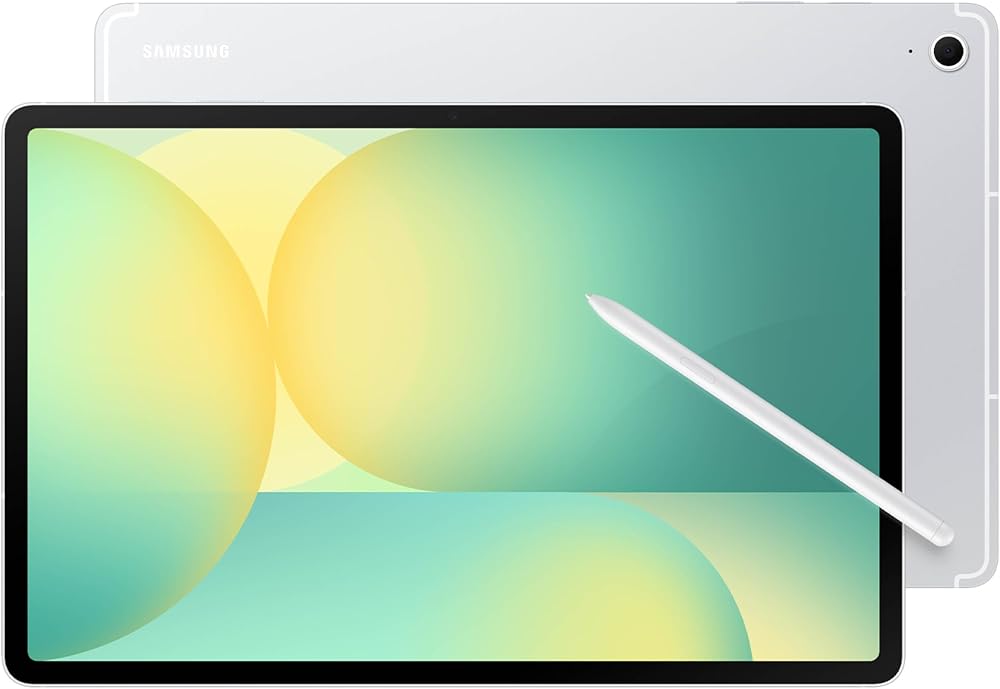
Compare the best android tablets with hdmi by budget and learn what each price tier delivers for screen output, ports, memory, and everyday performance.
Prices for tablets that can show their screen on a TV or monitor vary widely, and the port itself is only part of the story. The best android tablets with hdmi for you depends on how the tablet sends video out, what resolution it supports, and whether the rest of the hardware keeps up. This guide breaks the market down by budget so you know where extra money actually helps.
Some models use a direct HDMI port, while many more send video through USB C with an adapter or dock. The comparison table below is the fastest way to see which connection type each option uses before you plan cables and accessories.
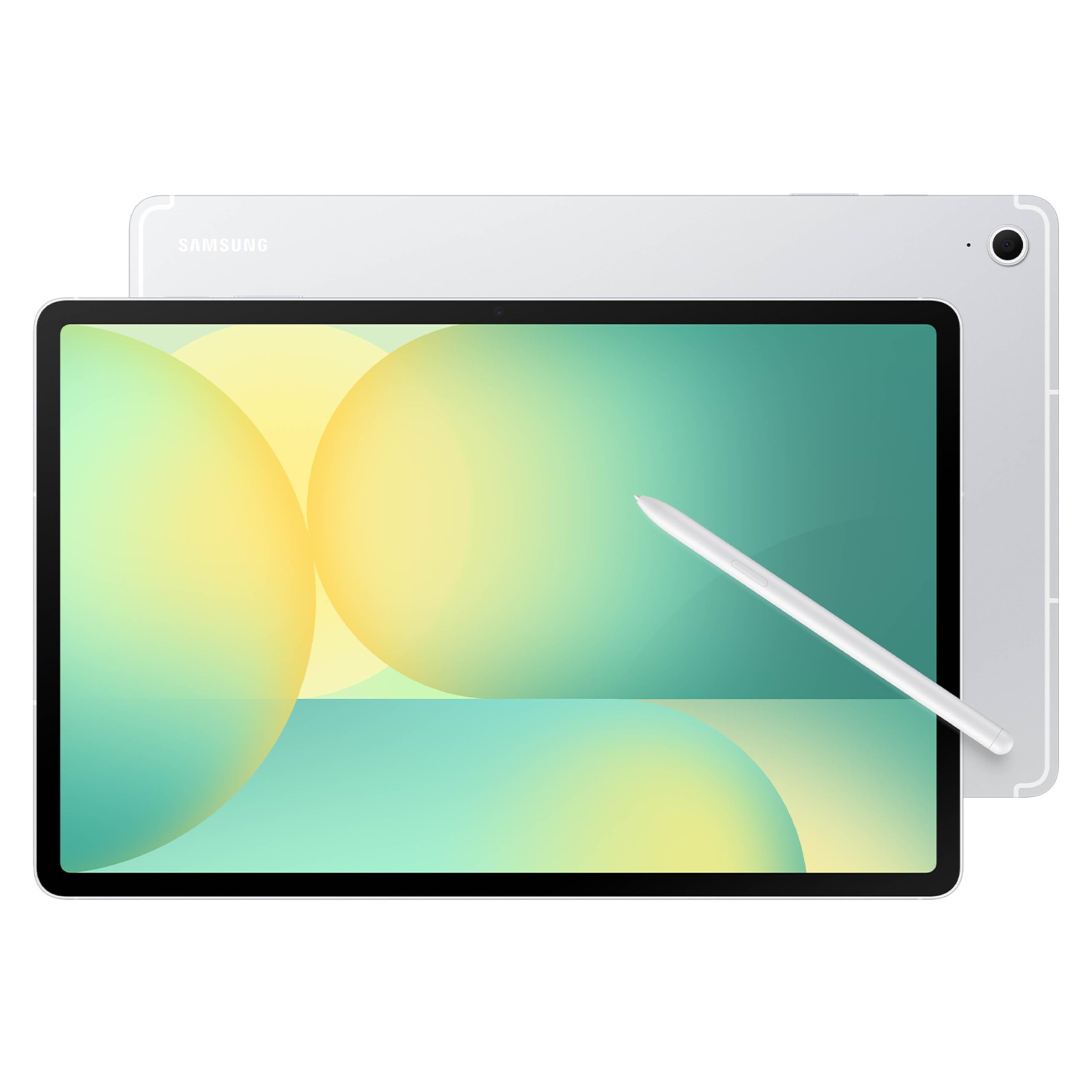
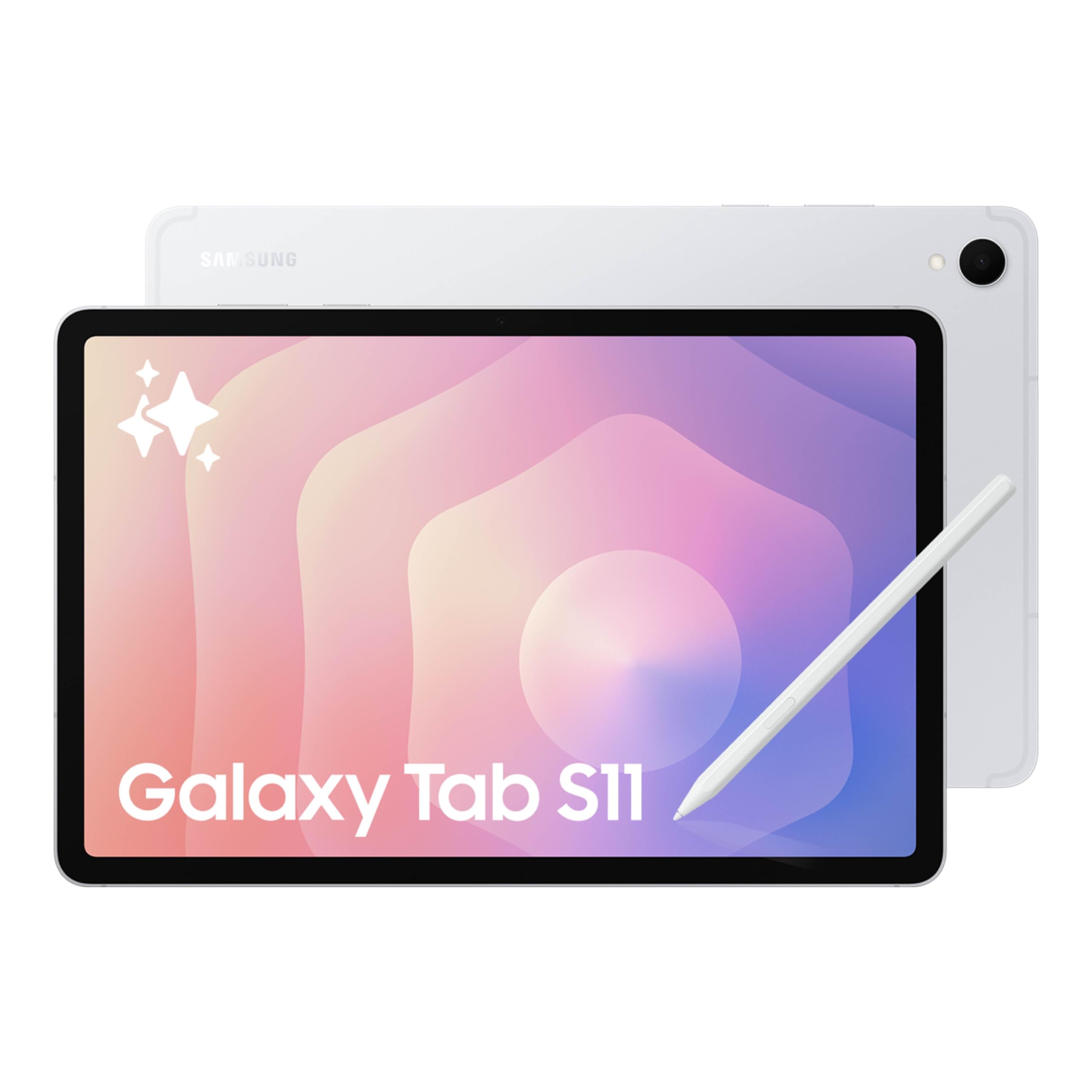
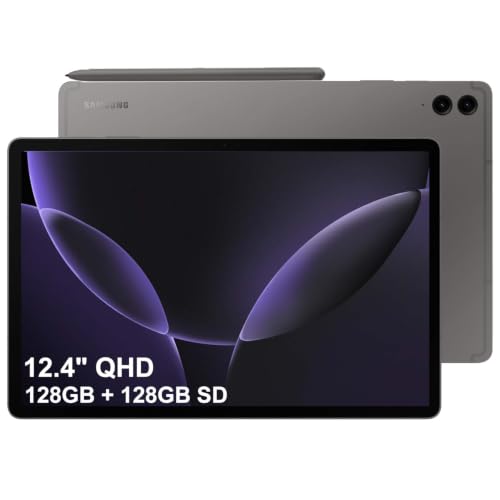


Budget Tiers at a Glance: What Each Level Prioritizes
Instead of named picks, use the tiers below as a checklist for any model you consider. Each tier trades screen quality, speed, and video output features against price. If a tablet claims a higher tier feature at a much lower price, read the port and resolution details with extra care.
Budget Priority: Simple Output That Works
At the budget end, around $80 to $150, the priority is basic screen sharing for photos, slides, and streaming apps. Expect USB C video output on some models and no video output at all on others, so confirm the exact port capability rather than assuming USB C always carries video. Screens are usually modest in brightness, memory is limited, and the tablet suits a single app at a time. This tier works for occasional presentations and family photo viewing.
Midrange Priority: Reliable Output and Smoother Use
In the midrange, around $150 to $350, you should expect more reliable video output, better screens, and enough memory for multitasking without constant reloads. This is the tier where desktop style modes, stronger speakers, and better WiFi become common. For most buyers who present, teach, or watch on a larger screen weekly, this tier offers the best balance. Spend here if HDMI use is a regular part of your routine rather than a rare extra.
Premium Priority: High Resolution and Desk Ready Features
Premium models, around $350 and above, add sharper displays, support for higher external resolutions, and accessories like fitted keyboards and active stylus pens. Video output is more likely to support a monitor as a true second workspace, with better scaling and less delay. Build quality, update support, and speaker quality also step up. Choose this tier if the tablet will replace a laptop for travel or anchor a small desk setup.
What Your Money Gets You at Each Price Tier
Knowing the typical offer at each level protects you from paying premium prices for budget hardware. It also stops you rejecting a fair budget model for lacking a feature that only appears much higher up. Use the three summaries below when you read any listing.
Budget Tier: What to Expect
Budget tablets focus on the basics: a usable screen, enough storage for core apps, and simple media playback. Video output, when present, may be limited to mirroring at modest resolution, which is fine for slides and video but soft for fine text on a large monitor. Battery life is often good because the hardware is modest. Accept slower app loading, and budget a little extra for the correct USB C to HDMI adapter and a case.
Midrange Tier: The Sweet Spot for Most Buyers
Midrange tablets add the features that make HDMI use pleasant every week: brighter screens for your own viewing, faster processors for smooth playback, and more memory for switching between the presentation app and notes. External display support is more consistent, and many models handle a monitor at full HD without strain. Storage grows enough for offline media libraries. For most households and small teams, this is where value peaks.
Premium Tier: When Spending More Pays Off
Premium tablets justify their price when you need higher external resolution, color rich displays, and accessories that turn the tablet into a light laptop. Presenters who show detailed spreadsheets or design work on large screens benefit most. Longer software support also protects the purchase over several years. If your use is only streaming and slides, premium hardware is comfort rather than necessity, and midrange money is spent more wisely.
Features Worth Paying For and Ones to Skip
Not every upgrade improves the HDMI experience. Some features transform how the tablet works with a TV or monitor, while others only look good in a listing. The points below separate the two so your budget lands in the right place.
Display Size, Resolution, and Brightness
Your tablet screen still matters even when you present on a larger display, because you will read notes, cue video, and browse on it directly. A screen around 10 to 12 inches balances portability and readability, with resolution that keeps text clean. Brightness matters in lit meeting rooms and classrooms. When shopping the wider field, our overview of the best android tablets helps you place HDMI models in context.
RAM and Storage
Memory decides how smoothly the tablet drives both its own screen and an external one. Aim for at least 6 GB in the midrange and more in premium models if you multitask during presentations. Storage should hold your slide files, media, and apps without constant cleanup, and a memory card slot adds flexible overflow. Slow storage can make even a strong processor feel hesitant, so favor current storage types when listings state them.
Why Choose an Android Tablet With HDMI
A wired video connection is stable, needs no network, and avoids the delay and compression that wireless casting can add. That matters for teaching, presenting, gaming on a TV, and showing photos in homes with busy WiFi. The limits are cables, adapter compatibility, and the fact that some apps restrict external playback. If you need output only rarely at home, casting may be enough. If you present away from home, a wired path you control is worth paying for.
Processor and Performance Tier
The processor must decode video, run your apps, and feed the external display at the same time. Entry chips handle full HD mirroring for slides and streaming, while stronger chips keep higher resolutions and split screen work smooth. If you plan to use a monitor for document work, choose the stronger tier and pair it with adequate memory. Also check heat behavior in longer sessions, since a hot tablet may slow down mid presentation.
Long Term Costs to Factor In
The tablet price is only the start. Add the correct adapter or dock, a cable of the length you actually need, a case, and possibly a keyboard or presentation remote. A spare charger for your bag avoids forgotten cable stress. Warranty length and screen repair cost vary widely by brand, so check them before you buy rather than after a drop. Over three years, a midrange tablet with cheap accessories often costs less in total than a budget tablet that needs replacement sooner.
For buyers comparing connection styles across brands, the guide to the best tablets with hdmi covers the broader category, and those who also need a device that works as a main computer can look at the best pc tablets guide for a different take on desk use.
Frequently Asked Questions
How long should an android tablet last?
A midrange or premium tablet should stay useful for about three to five years, while budget models often feel slow sooner as apps grow. Software support is the key variable, so check how many Android updates the maker promises. Battery health also shapes lifespan. Keeping the battery out of heat and avoiding constant full charge storage helps it reach the later years in good shape.
Is a Chromebook enough for school?
For browser based lessons and documents, a Chromebook is often enough and gives a built in keyboard. A tablet with HDMI output adds an easy way to share work on a classroom screen or a home TV for group study. The deciding factor is the school platform and any required apps. Check that list first, then choose the device shape that fits the actual assignments.
Should I buy a laptop or a tablet?
Choose a laptop for long writing, complex spreadsheets, and specialist software, and a tablet for media, reading, and portable presenting. A tablet with reliable HDMI output narrows the gap by letting you work on a larger monitor with a Bluetooth keyboard. Still, file management and multitasking remain easier on a laptop for many people. Let your longest weekly task make the call.
Is a dedicated GPU worth it?
Android tablets rely on integrated graphics, so there is no separate graphics card upgrade to buy. A stronger processor tier brings stronger integrated graphics with it, which helps games and high resolution external displays. For slides and streaming, that upgrade is unnecessary. For gaming on a TV or detailed visual work on a monitor, the stronger tier earns its price.
How much RAM do I need?
For presenting and streaming, 4 to 6 GB can work, but 8 GB gives smoother switching when an external display is active. Memory pressure shows up as apps reloading when you return to them, which is disruptive mid presentation. If you use split screen or a desktop style mode on a monitor, treat 8 GB as the practical target. More memory also helps the tablet age better.
The Bottom Line
Confirm the video output method and resolution first, then judge memory and screen quality within your tier, and remember the adapter and case in your total budget. Midrange money suits most regular presenters, while premium spending pays off for monitor based work. With those checks done, the best android tablets with hdmi are straightforward to choose from the product table above.


