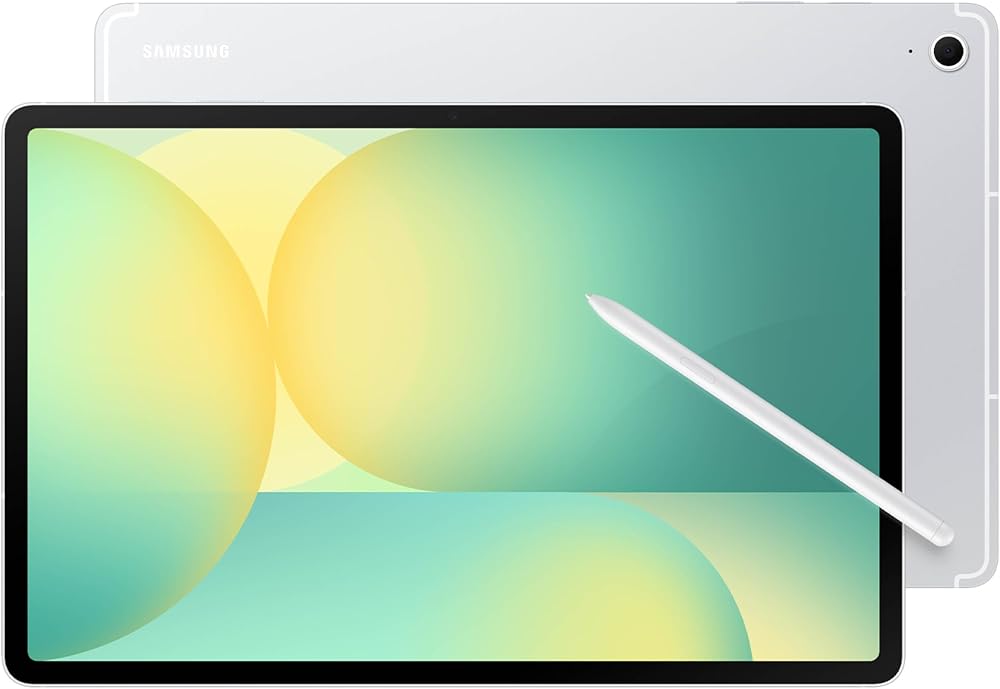
Best Android Tablets Wifi Only: Matching the Right Model to Your Routine for 2026
Disclosure: We may earn a commission when you buy through links on this page, at no extra cost to you. As an Amazon Associate I earn from qualifying purchases. Learn more

Match the best android tablets wifi only to your routine with clear advice on screen size, memory, battery life, and features for study, work, and play.
There is no single tablet that fits every routine, and that is good news because it stops you overpaying for power you will never use. The best android tablets wifi only for a student, a gamer, and a remote worker look quite different once you list their daily tasks. This guide matches features to real use first, so you can buy the right fit the first time.
Wifi only models skip the cost and monthly plan of a cellular version, which makes sense when you mostly use a tablet at home, at school, or at the office. The comparison table below lets you compare screens, memory, and battery claims in one place before you read the use case guidance.


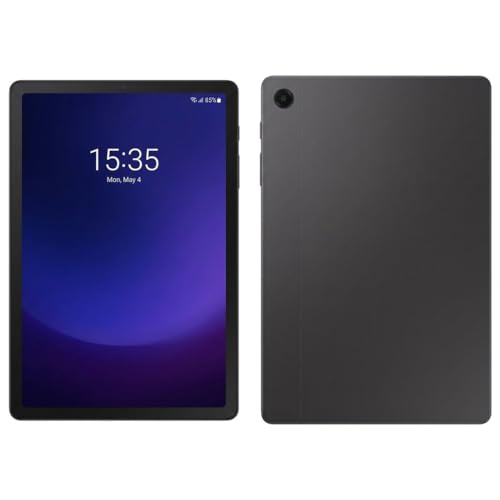
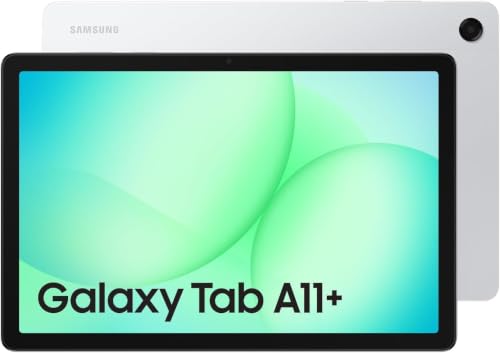
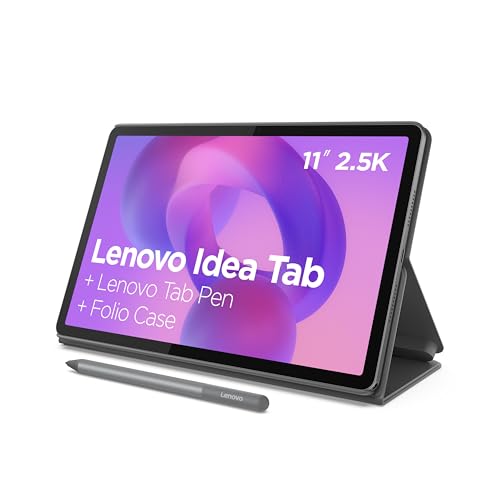

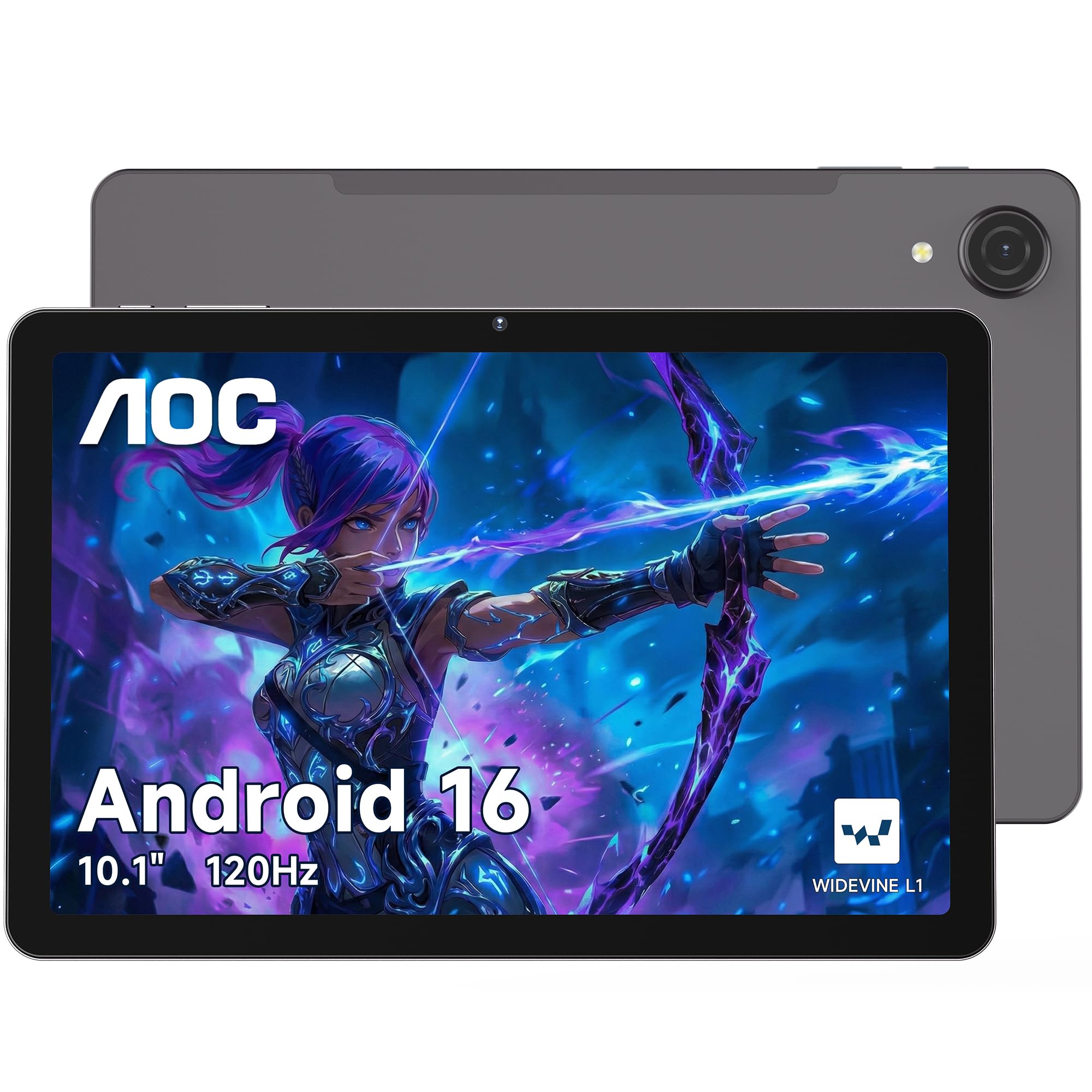
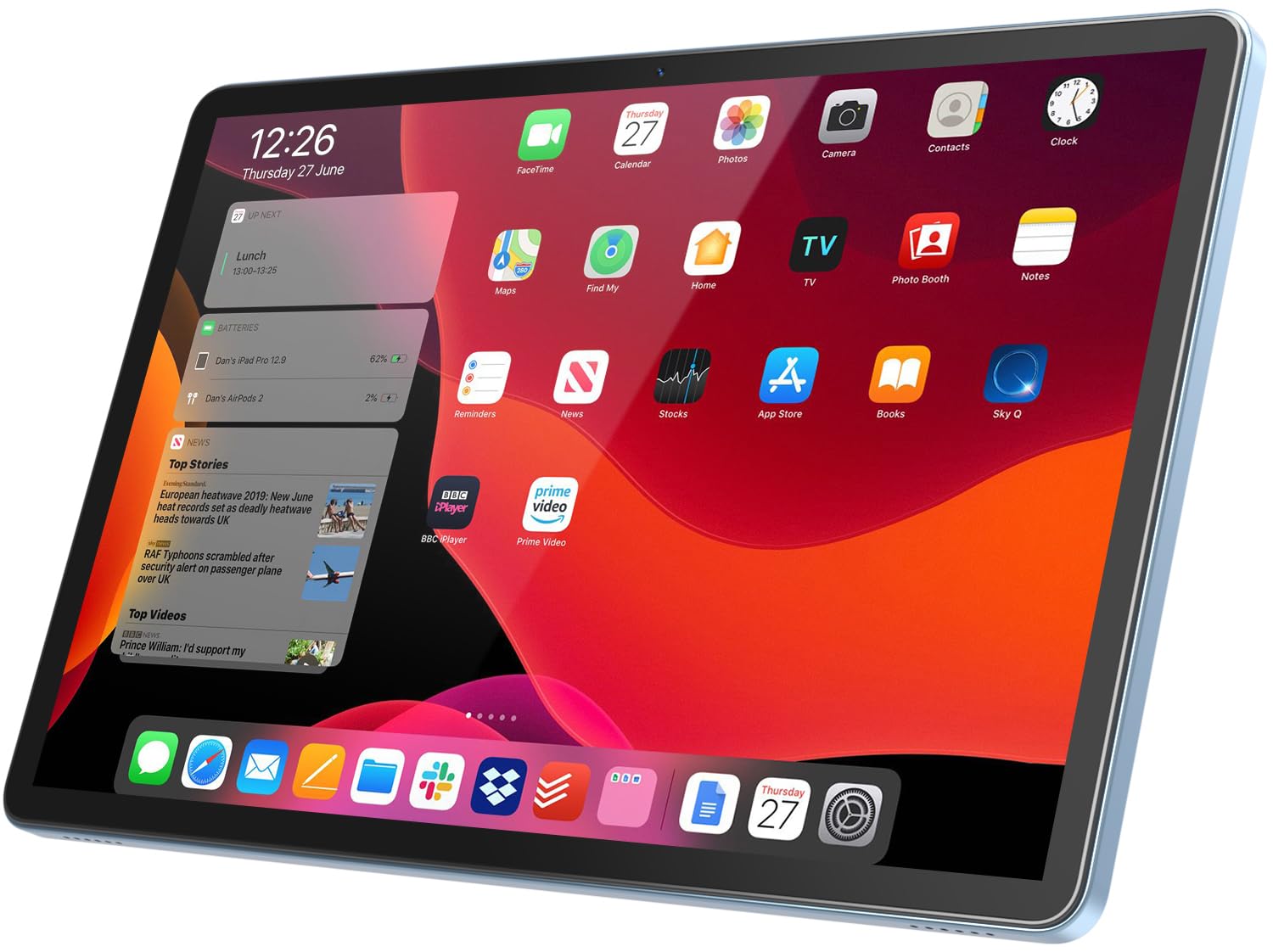

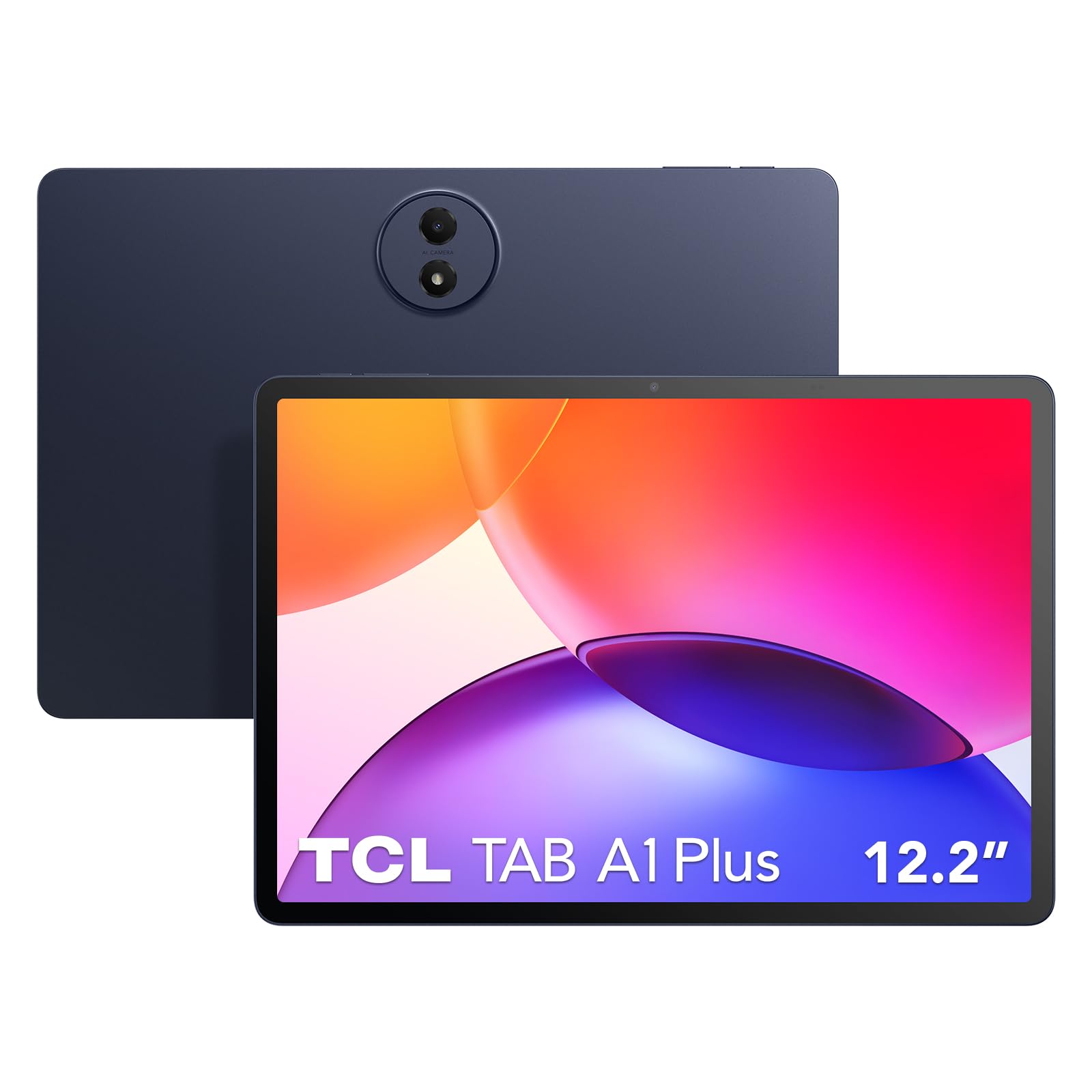
Who Should Buy Which Android Tablet?
Start by naming your main routine, not your occasional one. A tablet bought for daily note taking needs a different screen and battery profile than one bought for weekend games. The three groups below cover most buyers, and each group points to a small set of features worth paying for and a few you can safely ignore.
For Students and Everyday Users
Students need stability, long battery life, and a price that leaves room for a case and a keyboard or stylus if needed. Prioritize a screen around 10 inches for reading documents, at least 4 GB of memory for smooth switching between a browser, notes, and video, and storage that holds offline files for the bus or library. Wifi only is ideal here because campuses and homes provide coverage, and saved files cover the gaps when no network is available.
For Gamers and Power Users
Gamers should look first at the processor, the graphics unit, and the screen refresh rate, because those three decide how smooth play feels. A higher refresh rate helps fast games look fluid, while strong cooling and a larger battery help during long sessions. Wifi quality matters too, since a weak antenna adds delay in online play. If gaming is central to your choice, see our dedicated guide to the best android tablets for gaming for the performance details that matter most.
For Remote Workers and Creators
Remote workers need a clear front camera, good microphones, and a screen that stays comfortable through a full day of documents and calls. Check speaker clarity for meetings, support for a keyboard cover or Bluetooth keyboard, and easy file sharing with your work services. Creators should add color accuracy and stylus support to that list. Reliability beats peak speed here, so favor models with current software and a clear update record.
Picking the Right Size for Different Uses
Size shapes comfort more than any other choice. A compact tablet disappears into a bag and suits one hand reading, while a larger screen makes documents, drawing, and split screen work far easier. Try to picture where the tablet will live most days, on a desk, on a couch, or in a backpack, and let that place guide the size.
Best 8 Inch Tablets Wifi Only: What to Prioritize
When you shop for best 8 inch tablets wifi only, prioritize light weight, a screen that stays readable in bright rooms, and battery life that covers a full day of reading and video. At this size, portability is the point, so avoid heavy cases that erase the benefit. Storage still matters for downloaded shows and books, and a memory card slot is a practical plus. This size suits commuters, readers, and anyone who wants a second screen beside a phone or laptop.
Key Features to Compare
Features only matter when they change your daily experience, so read each one against your routine. A commuter values weight and offline storage, a worker values call quality, and a gamer values response. Use this section to build a short checklist, then apply that list to the product table above and to any model you find in stores.
Graphics
Tablets use integrated graphics, which means the graphics unit shares the main processor and memory. That design works well for video, casual games, and drawing apps, and it keeps cost and heat down. Heavier games and video editing push integrated graphics hard, so power users should choose the strongest processor tier they can afford. There is no separate dedicated graphics option in Android tablets, so claims that suggest otherwise deserve a careful second look before you buy.
Processor and Performance Tier
The processor sets the ceiling for multitasking, game quality, and how long the tablet will feel current. Entry level chips handle browsing, streaming, and office apps with ease when memory is sufficient. Midrange chips add smoother split screen work and better game settings, while top tier chips suit creators and heavy multitaskers. Pair the chip with memory when you judge speed, because a strong chip with very low memory still stumbles when you switch between several apps.
Ports and Connectivity
USB C is now the standard port for charging and accessories, and it makes cable sharing with newer phones simple. Check for WiFi support that matches your router, Bluetooth for headphones, keyboards, and game controllers, and a memory card slot if you store large files locally. Since these models have no cellular radio, test your home WiFi coverage in the rooms where you will actually use the tablet. A mesh node or a better router placement can fix weak spots for less than a tablet upgrade.
Keyboard, Trackpad, and Build
Most Android tablets pair with Bluetooth keyboards rather than built in trackpad covers, though some support fitted keyboard accessories. If you type a lot, test key feel and spacing, or plan for a separate compact keyboard you already like. Build quality shows in frame stiffness, button feel, and port fit. A metal back feels sturdy and sheds heat well, while a plastic body keeps weight and cost down and tolerates small drops with less visible damage.
Common Mistakes to Avoid When Buying
- Buying only on price. The cheapest wifi only model often cuts memory and screen quality, which you feel every day, so check those specs before the discount.
- Ignoring your WiFi reality. A tablet without cellular backup is only as good as your home network, so check coverage and router age first.
- Choosing the wrong size. A large screen frustrates one hand reading and a small screen cramps documents, so match size to your main task.
- Skipping storage headroom. Apps and system files grow over time, so buy more storage than your current files suggest you need.
- Forgetting warranty and returns. Confirm the return window and warranty terms, especially on lesser known brands with limited service options.
If you are comparing across the wider market, our overview of the best android tablets gives broader context, while the focused guide to the best wifi only tablets covers non Android options as well. Shoppers who mainly want general wifi models can also check the best wifi tablets guide before narrowing down.
Setup and Care Tips
- Update on day one. Connect to WiFi, install system and app updates while plugged in, and restart once so the tablet starts from a clean state.
- Set up offline access early. Download maps, shows, and documents you need for travel while you are still on fast home WiFi.
- Protect the battery. Avoid constant charging at full level for weeks at a time and keep the tablet out of hot cars and direct sun.
- Use a sleeve or case. A simple padded sleeve prevents most screen and corner damage during daily carrying.
A practical know how point is to run a quick home WiFi test in each room during the return window, streaming video and joining a call where you plan to sit. Another is to set up a guest or family profile before handing the tablet to kids, which keeps work files and payment details separate from the start.
Android Tablets Wifi Only: Your Questions Answered
How much RAM do I need?
For most routines, 4 GB is a workable minimum and 6 to 8 GB feels noticeably smoother for multitasking. Memory matters more when you keep many tabs open or switch between a document, a browser, and a video call. Games and drawing apps also benefit from extra memory. If the price gap is small, extra memory usually extends useful life more than a small storage bump you could solve with a card.
Should I buy a laptop or a tablet?
Buy a tablet if your tasks center on reading, video, notes, and app based work, and a laptop if you need long typing sessions or specialist desktop software. Many people pair a modest laptop with a wifi only tablet for media and reading, which can cost less than one premium device. Your longest daily task should decide. If that task needs a keyboard and a large screen all day, the laptop comes first.
How long should a wifi only Android tablet last?
A well chosen model should stay useful for about three to five years, with battery wear and software support as the usual limits. Choosing a current Android version and a maker with a clear update policy helps it reach the upper end of that range. Light users who stream and read may get even longer service. Plan a case and a battery friendly charging routine from the start to protect that lifespan.
Is a Chromebook enough for school?
For browser based school work, often yes, but a tablet offers better reading comfort and touch apps for younger students. Check the school platform and app list before deciding, since some classes require specific apps or stylus input. Battery life and durability matter more than peak speed for school. A wifi only tablet works well on campus networks, provided offline files are downloaded ahead of lessons without coverage.
Is a dedicated GPU worth it?
In Android tablets there is no separate dedicated graphics unit to buy, so the question becomes whether a stronger integrated tier is worth paying for. For streaming and office apps, it is not. For demanding games and creative apps, the stronger tier is the main reason to spend more. Judge by the apps you run weekly, not by a game you might try once.
Our Verdict
Match the tablet to your routine first, then check memory, screen size, and WiFi fit in that order. Students can prioritize battery and value, gamers should prioritize processor and refresh rate, and workers should prioritize call quality and keyboard support. Shoppers watching total spend may also find value in our guide to the best affordable android tablets before they commit. With that routine first approach, the best android tablets wifi only become easy to spot in the comparison table above.