
Best Affordable Sport Watches 2026: Buying Guide
Disclosure: We may earn a commission when you buy through links on this page, at no extra cost to you. As an Amazon Associate I earn from qualifying purchases. Learn more

Compare affordable sport watches for running, gym, and outdoor training, with guidance on sensors, battery life, comfort, and water resistance.
A sport watch should track your training reliably, survive sweat and rain, and stay comfortable for hours, all without a premium price. This guide to best affordable sport watches explains which sensors matter, how battery life is really measured, and what to check before buying. The comparison table below outlines the main watch types.
Affordable sport watches now include GPS, heart rate, and sleep tracking that once cost far more. The differences lie in accuracy, screen readability, battery life under GPS use, and software support. Choosing by your main sport, rather than by feature count, leads to a better match.
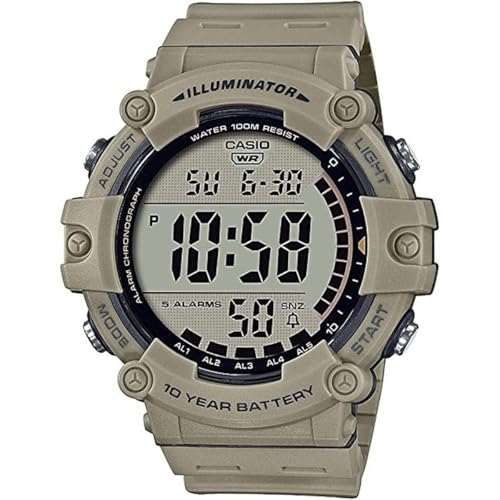


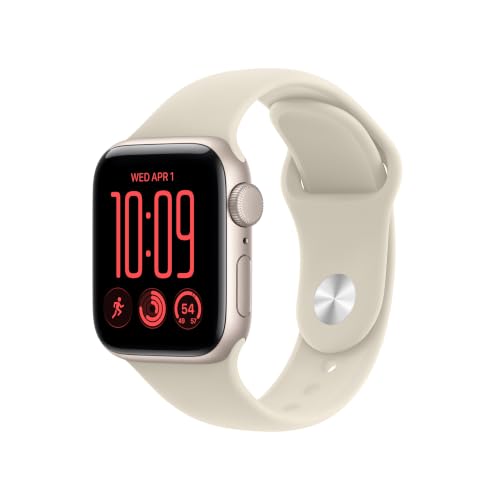


Who Should Buy an Affordable Sport Watch
Runners, gym goers, hikers, and swimmers who want basic training data will find affordable sport watches well suited. They suit beginners building a routine, as well as experienced athletes who want a durable second watch for rough conditions. If you need advanced maps, long ultra battery life, or multisport transitions, higher tiers may suit better.
If you mainly want notifications and step counting, a simpler smartwatch may serve better than a sport focused model. Sport watches prioritize training metrics, button control during exercise, and durability, sometimes at the cost of a smaller app ecosystem. Match the watch to training first.
Sensors, GPS, and Accuracy
GPS accuracy depends on antenna design, satellite systems, and environment. Open sky gives the best tracks, while tall buildings, dense trees, and tunnels degrade accuracy on any watch. Heart rate from the wrist works well for steady exercise but can lag during intervals and may be less accurate on darker skin, tattoos, or loose fits.
Treat heart rate, sleep, and calorie figures as estimates for training trends, not medical measurements. They help you compare sessions and spot patterns, but they do not diagnose conditions. If you have heart symptoms, dizziness, or chest pain during exercise, stop and seek medical care promptly rather than relying on watch data. For general sport watch context, best watches sport covers wider styles.
Battery Life, Screen, and Comfort
Battery claims vary by mode. Everyday use with occasional GPS lasts far longer than continuous GPS tracking, so check GPS battery figures specifically if you run or hike long distances. Screen brightness, always on display, and notification load all reduce battery life, so test with your real settings.
Comfort matters for all day wear. A watch that is too heavy or has a stiff strap will be left at home. Check case size against wrist size, strap material for sweat and swimming, and button placement for use with gloves. A readable screen in sunlight matters more for outdoor training than a high resolution display indoors.
Water Resistance, Durability, and Software
Water resistance ratings need careful reading. Splash resistance does not equal swim suitability, and ratings assume fresh water and intact seals. Rinse after salt water and chlorine, check strap and seal condition regularly, and follow maker guidance for swimming and diving limits.
Software support affects long term value. Check app quality, data export options, and update history before buying. A watch with a good app that syncs reliably beats a watch with more sensors but frustrating software. For smartwatch comparisons, best affordable smart watches focuses on notification and app features.
Mistakes Worth Avoiding
Buying on feature count alone is a common error, since many features go unused while battery life and comfort suffer. Another is trusting calorie and recovery scores as precise science. Use trends over weeks, not single day scores, to judge training load and rest.
Do not wear a watch so tight that it marks skin or so loose that sensors lose contact. Clean the strap regularly, especially after sweaty sessions, and check for skin irritation. For style led affordable options, best looking affordable watches, for general wrist watches, best affordable wrist watches, and for men's options, best affordable watches for men round out comparisons.
Building Training Habits With a Watch
A sport watch helps most when it supports a consistent routine rather than simply recording occasional workouts. Set a realistic weekly target, such as three sessions of moderate length, and use the watch to track consistency rather than chasing daily records. Consistency builds fitness more reliably than sporadic intense sessions, and watch data makes consistency visible over weeks.
Rest and recovery data deserve as much attention as workout data, since sleep, resting heart rate trends, and perceived fatigue signal when to ease off. A watch that shows elevated resting heart rate or poor sleep for several days may be signalling illness, stress, or overtraining, and a rest day then protects long term progress. Treat recovery signals as guidance, not as strict rules, and listen to your body alongside the data.
Goal setting works best in small steps, such as adding a few minutes to a regular run or completing one extra session per week. Use watch history to compare similar sessions over time, noting pace, heart rate, and perceived effort together. That combination reveals fitness gains more honestly than any single metric alone, and it keeps motivation grounded in real progress.
Watch Care for Active Lifestyles
Active use exposes watches to sweat, sunscreen, salt water, and impacts, so regular cleaning matters for both comfort and sensor performance. Rinse after swimming and sweaty sessions, wipe the case and strap with a soft cloth, and check strap condition for cracks or stretched holes. A clean strap reduces skin irritation and keeps sensors in good contact during workouts.
Charging habits also affect long term battery health, since frequent full discharges and heat degrade batteries faster. Charge before the battery runs very low, avoid leaving the watch in hot cars while charging, and use the maker charger or a compatible alternative. Battery capacity will fade gradually, and planning replacement or upgrade around that fade avoids sudden failures before important events.
Software updates deserve attention too, since they often improve GPS accuracy, fix bugs, and add features. Update over a stable connection, back up data where the app allows, and check settings after major updates, since defaults sometimes change. A watch kept updated and clean serves longer than a neglected watch with better specifications on paper.
A Final Check Before You Order
Before ordering, confirm GPS battery life for your longest sessions, since everyday battery claims tell you little about continuous tracking. Check GPS figures specifically, and consider screen brightness and notification settings that affect battery during workouts. A watch that dies mid run or mid hike fails at exactly the moment its data matters most.
Also try the watch for fit and readability, checking case size against wrist size, strap comfort during sweat, and screen legibility in sunlight. Buttons should be usable with gloves if you train outdoors in cold weather, and the strap should stay secure during vigorous movement. Comfort and readability matter more than feature count for daily training.
Finally, check app quality, data export options, and software update history, since a watch with frustrating software gets abandoned regardless of sensor specifications. Read recent owner feedback about sync reliability and support, looking for patterns rather than single complaints. A watch with reliable software serves training far better than a watch with more sensors but poor apps.
Frequently Asked Questions
Are affordable sport watches accurate enough for training?
For most runners and gym goers, yes, for pace, distance, and heart rate trends. GPS accuracy varies by environment, and wrist heart rate lags during intervals. Use data for trends and session comparison rather than as exact laboratory figures, and check fit for the best sensor contact. Note your room, usage, and budget before narrowing the shortlist.
How long does battery last with GPS on?
It depends on model and settings, with GPS mode lasting far less than everyday mode. Check maker GPS figures, not only standby claims. Dimming the screen, limiting notifications, and using GPS only during workouts extends battery noticeably between charges. Note your room, usage, and budget before narrowing the shortlist, and compare options carefully before you decide.
Can I swim with an affordable sport watch?
Only if the maker rates it for swimming. Check the water resistance rating and guidance for pool and open water, and rinse after salt water and chlorine. Splash resistant models are not swim watches, and seals can degrade over time, so follow maker care guidance. Note your room, usage, and budget before narrowing the shortlist.
Do sport watch heart rate readings replace medical checks?
No. They are estimates for training and wellness trends, not medical measurements. Chest pain, breathlessness, palpitations, or dizziness during exercise need prompt medical attention regardless of what a watch shows. Talk with your clinician about any concerning symptoms or readings, and compare a few models before you decide, and compare options carefully before you decide.
What strap material is best for sport?
Silicone and fluoroelastomer straps handle sweat and water well and clean easily, while fabric straps breathe better but hold moisture longer. Choose a strap that fits snugly without marking skin, and keep a spare for swimming or long runs so a damp strap does not irritate skin. Note your room, usage, and budget before narrowing the shortlist.
Final Thoughts
An affordable sport watch works best when it matches your main sport, fits comfortably, and delivers reliable GPS battery life for your longest sessions. Treat sensor data as training trends, not medical facts, and prioritize comfort and software reliability over feature count. The product table above can help you compare watch types, and best affordable sport watches reward buyers who test fit and readability in real training conditions. If you experience concerning symptoms during exercise, seek medical care promptly.


