
Best Affordable Soundbars in 2026: What Your Money Really Gets You
Disclosure: We may earn a commission when you buy through links on this page, at no extra cost to you. As an Amazon Associate I earn from qualifying purchases. Learn more

Best affordable soundbars explained by price band, with tips on connections, dialogue clarity, subwoofers and fit for your TV stand.
Modern TVs are thin, and the speakers built into them point down or toward the wall, so voices often sound muddy even at high volume. The best affordable soundbars solve that problem first, because clearer dialogue is the upgrade nearly every viewer notices on day one. Prices start under $100 and climb to around $500, and each step up buys something specific rather than a vague promise of better sound.
This guide is led by price, because budget is the honest starting point for this purchase. It shows what each band includes, what it leaves out, and which features are worth paying for at each level. Use the product table to line up band, bar length and connection type against your TV, then read the notes for your band before ordering.

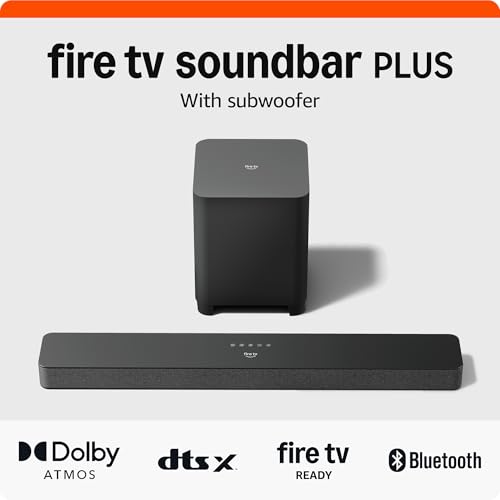
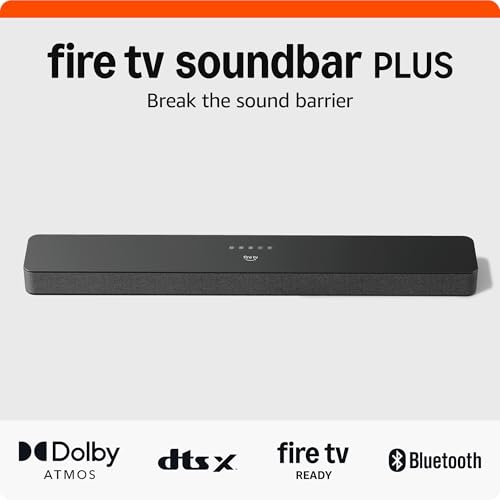
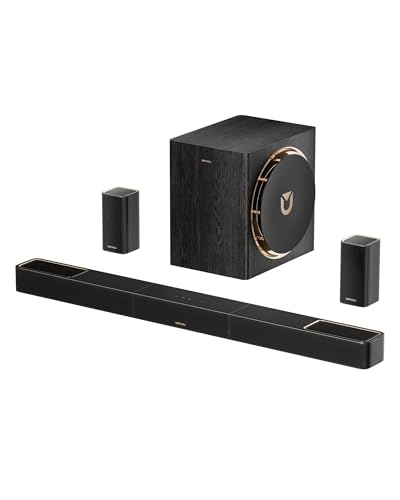

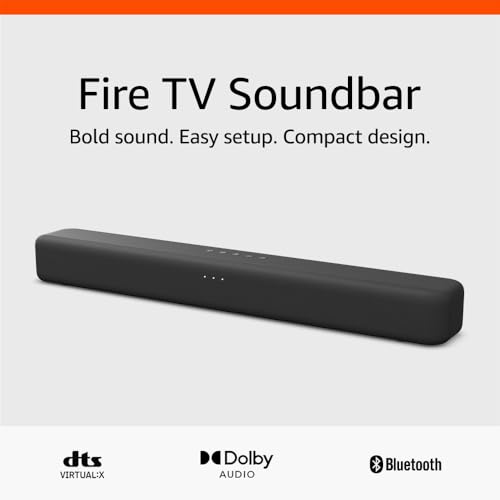
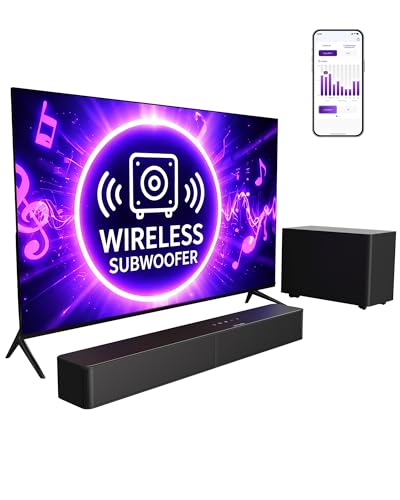

Best Affordable Soundbars: Three Price Bands at a Glance
Retailers group these bars loosely, so the bands below follow features rather than badge names on a box. A sale can move a middle band bar into entry money for a week, which is why the feature list matters more than the sticker on any given day. Read your band first, then check the tier notes that follow for the tradeoffs inside it.
Sales seasons shuffle prices hard in this category, so a band is best judged by its feature floor rather than a single weekend price. If a bar one band up falls to your band money with its subwoofer and eARC intact, that is the moment to move.
Entry Band for Small Rooms and Second TVs
Entry bars cost about $60 to $120 and suit bedrooms, small apartments, dorm rooms and second TVs that get news, sport and casual viewing. Most are compact stereo bars with an optical input, a basic remote and a Bluetooth input for music from a phone. Dialogue gains are real at this level, because the drivers face you instead of the wall. Bass stays modest, and that is fine for speech led watching at close range.
Choose this band when the room is small and the seating sits within about six to ten feet of the screen. A compact bar also fits short stands where a long bar would overhang the edges and look untidy. If your main complaint is mumbling voices on a small TV, this band usually ends the complaint without overspending.
Middle Band for Most Living Rooms
Middle band bars cost about $120 to $300 and are the natural home for most living rooms. You typically get an HDMI ARC or eARC connection, control with your existing TV remote, a dedicated center channel or a strong voice mode, and in many cases a separate wireless subwoofer. That combination covers films, sport and everyday streaming with headroom to spare at normal volumes.
This is also the band where bar length starts to match larger screens in a sensible way. A bar around the width of a 55 inch TV spreads sound across the picture instead of bunching it in the middle. A companion guide to best soundbars tv covers TV only setups and screen matching in more depth.
Upper Affordable Band for Larger Rooms
Upper affordable bars cost about $300 to $500 and target open plan living areas, larger screens and viewers who watch films often. Expect eARC as standard, larger drivers, a bigger wireless subwoofer and in some models separate surround speakers or room tuning software. Build quality also improves, with heavier cabinets that vibrate less at high volume.
Even here, honesty matters about what money cannot do. A slim bar has small drivers, and small drivers move less air, so a very large room with high ceilings will still swallow bass and thin out film effects. In that setting the upper band is a strong TV sound upgrade, not a full cinema system, and seating distance stays part of the equation.
What Your Money Gets You at Each Price Tier
The bands above tell you who each price suits. This section breaks the same money down by what physically changes when you step up, so a sale price or a pushy product page cannot blur the picture.
Budget Tier: What to Expect Without Illusions
At budget level the realistic promise is simple and worthwhile. Any bar in this class is a step up from the speakers built into most TVs for dialogue, because forward facing drivers and a cabinet built for sound beat thin TV enclosures. Voices sit clearer, news and talk shows become easier to follow, and you stop riding the volume button between scenes.
What you give up is connection convenience and low bass. Many budget bars use optical only, so you control volume with the bar remote instead of the TV remote. Wattage figures on the box are maker marketing and cannot be compared across brands, since makers measure output in different ways. Judge this tier by connection type, driver layout and returns policy, never by a watt number.
Middle Tier: Where the Wireless Subwoofer Appears
The middle tier is where the package changes shape. A wireless subwoofer joins the bar, and film sound gains the low weight that a slim cabinet alone cannot produce. Because the subwoofer connects without a cable, you can place it near a wall or beside the sofa and adjust its level until effects support the scene instead of booming over dialogue.
Control also improves in daily life. With HDMI ARC or eARC, the TV and bar wake together and the TV remote runs volume, which removes the two remote shuffle that annoys households every evening. Shoppers matching a bar to a specific screen can read the guide to best affordable soundbars for tv for the TV side of that pairing.
Upper Tier: What the Extra Money Actually Adds
Above the middle band, extra money buys refinement more than raw loudness. Center channel clarity improves, so dialogue holds together during busy scenes with music and effects layered underneath. eARC carries fuller audio formats from the TV apps and connected boxes, and larger subwoofers play deeper with less strain at the same volume.
Some upper band models add automatic room tuning that uses a small microphone to soften the worst reflections from bare walls. That helps in hard surfaced rooms, though curtains and a rug still do more for echo than any software setting. Treat tuning as a useful bonus on top of good placement, not as a cure for a difficult room.
Features Worth Paying For and Ones to Skip
Feature lists grow faster than sound quality at this end of the market. The five checks below separate the upgrades that change your evenings from the badges that only change the box.
Connections and TV Control
Connection class decides how the bar behaves every day, so rank it above almost everything else. HDMI eARC is the strongest option, ARC covers most needs well, and optical is a sound fallback that loses TV remote volume control on most sets. Check which ports your TV actually has before choosing, because a bar cannot use an eARC socket the TV never had. One cable from TV to bar is the tidy standard at every band.
Included cables vary, and some makers leave the HDMI cable out of budget boxes entirely. Any standard high speed HDMI cable suits these bars, so there is no reason to buy a costly branded one. Keep the run short and direct, because long thin cables are the ones that drop the ARC handshake and mute the bar at random.
Dialogue Clarity and Voice Modes
Clear dialogue comes from driver layout and tuning, not from a single magic setting. A true center channel anchors voices to the screen, while voice modes on stereo bars lift the frequency range where speech sits. Both help, though the center channel approach stays clearer when a scene gets busy. If hearing speech is your main struggle, spend on this before bass or extras.
If outright sound quality outranks price in your shortlist, the guide to best sounding soundbars shows what higher budgets buy in driver quality and cabinet design. Comparing the two ranges side by side makes the affordable tradeoffs easier to accept. Most households find the middle band dialogue performance close enough that the saving wins.
Subwoofers and Bass That Fits Your Room
Bass needs cabinet volume, which is why a separate subwoofer transforms film sound more than any setting on a lone bar. In small rooms a compact wired or wireless subwoofer at low level is plenty, and corner placement can double the boom if you are not careful. Start with the subwoofer near the front wall, then lower its level until you feel effects more than you hear a separate box. Detached houses can enjoy more level than apartments with thin walls.
Size, Placement and the TV Sensor Check
Measure before you order, because fit problems are the most common reason these bars go back. Note the width of your TV stand, then choose a bar that sits inside that width with a small margin at each end. Measure the height from the stand surface to the bottom edge of the screen as well. A tall bar can cover the lower picture or block the infrared sensor that your TV remote needs.
If the bar must sit in front of the TV, leave a finger of clearance so the cabinet does not press against the screen bezel or the stand neck. Wall mounting solves the sensor problem and frees the stand, but check that the maker includes a drilling guide and that your wall material suits the fixings. Cable reach to the nearest outlet is the last measurement, and it is the one most buyers forget.
Extras That Rarely Earn Their Cost
Some features sound premium and change very little. Inflated channel counts on a single bar, huge wattage badges and decorative light strips add cost without adding clarity. App control is pleasant, but the TV remote path matters more because you will use it every day.
Bluetooth for phone music is genuinely useful and cheap to include, so expect it rather than paying extra for it. Spend first on connection class, dialogue handling and fit, and let the badges go.
How to Check Fit Before You Order
Five minutes with a tape measure prevents the most common returns. Work through this short list with your TV in its normal position.
- Measure the usable width of the stand top, not the widest point of the TV itself.
- Measure from the stand surface up to the bottom edge of the visible screen.
- Find the infrared sensor, usually a small dark window along the bottom bezel, and note its position.
- Confirm the TV has an HDMI ARC or eARC port, or an optical output if it is an older set.
- Check the distance from the bar position to the nearest power outlet for the cable run.
If the bar would cover the sensor, plan a wall mount or a low stand riser before the box arrives, not after. A riser that lifts the TV by an inch or two is a cheap fix and keeps the remote working normally. Keep the receipt and packaging until the bar has passed a week of normal viewing in its final spot.
Long Term Costs to Factor In
The bar itself is most of the cost, but a few small extras belong in the budget. A good HDMI cable costs about $10 to $20 if the box lacks one, and a wall bracket runs about $20 to $40. Remote batteries are trivial, yet a lost remote can cost real money to replace on some brands, so note the price before you need one.
Power use is low, since a bar draws little at standby and modest amounts in use, so electricity will not move your bill in any noticeable way. Warranty length varies by brand and band, and a longer warranty matters more on an upper band purchase with a wireless subwoofer to go wrong. Keep proof of purchase with the manual so a claim never turns into a search through old emails.
When you eventually upgrade, an affordable bar rarely becomes waste. It moves to a bedroom, a study or a TV belonging to a relative and keeps working for years, which spreads the original cost further. That second life is one more reason to favor standard connections over maker only extras that tie a bar to one screen.
Soundbar Questions Answered
How much should I spend on an affordable soundbar for a main TV?
Most living rooms land in the middle band at about $120 to $300. The useful way to decide is to match the bar to how long you plan to keep the TV, because a good bar usually outlives one screen and moves to the next set with you. If a TV replacement is close, choose eARC now so the bar still suits the new screen later. Small rooms and second sets can spend far less and still gain clear dialogue.
Can an affordable soundbar work with an older TV that has no ARC port?
Yes, an optical connection carries sound from nearly any TV made in the last two decades. The setup step most people miss sits in the TV sound menu, where the digital output often needs switching to PCM before the bar hears anything. Volume control then lives on the bar remote, unless your TV remote can learn the bar codes. Keep both remotes in one drawer during the first week.
Does a soundbar need a subwoofer for films at home?
No, a bar alone handles dialogue led films and most drama perfectly well. A subwoofer earns its place with action scenes, live music and any film where low effects carry mood. Apartment viewers often prefer the bar alone or a night mode that trims bass after dark, which keeps peace with neighbors while voices stay clear. You can also start without one and add a matching subwoofer later on models that allow it.
Why does dialogue still sound unclear in some scenes with a soundbar?
Some film and streaming mixes simply bury voices under music and effects, and no bar can fully undo a quiet center mix. Check whether the streaming app offers its own dialogue boost or volume leveling setting, since that switch often helps more than raising overall volume. Sitting very close to a side wall can also smear speech, so a small shift of the main seat sometimes clears the problem.
How long does an affordable soundbar usually last?
A soundbar has no moving parts beyond its drivers, so five to eight years of normal use is a fair expectation. The remote usually fails first, through wear or loss, and many bars accept control through a phone app as a workable backup. Heat shortens electronic life, so a bar shut inside a closed cabinet ages faster than one with air around it. Dust the vents during normal house cleaning and the cabinet should stay trouble free.
Final Thoughts
Price is the right lens for this purchase, because each band buys a clear and honest step. Entry money buys dialogue clarity, middle money adds TV remote control and a wireless subwoofer, and upper band money refines all of it for bigger rooms. The product table pulls the bands together so you can compare size, connection and subwoofer type at a glance.
Measure your stand, confirm your TV ports, and choose the best affordable soundbars band that matches your room rather than the largest bar your budget can stretch to. A bar that fits the furniture, obeys the TV remote and keeps voices clear will feel like money well spent every single evening.


