Best Affordable Snowboard Boots for 2026: A Practical Buying Guide
Disclosure: We may earn a commission when you buy through links on this page, at no extra cost to you. As an Amazon Associate I earn from qualifying purchases. Learn more
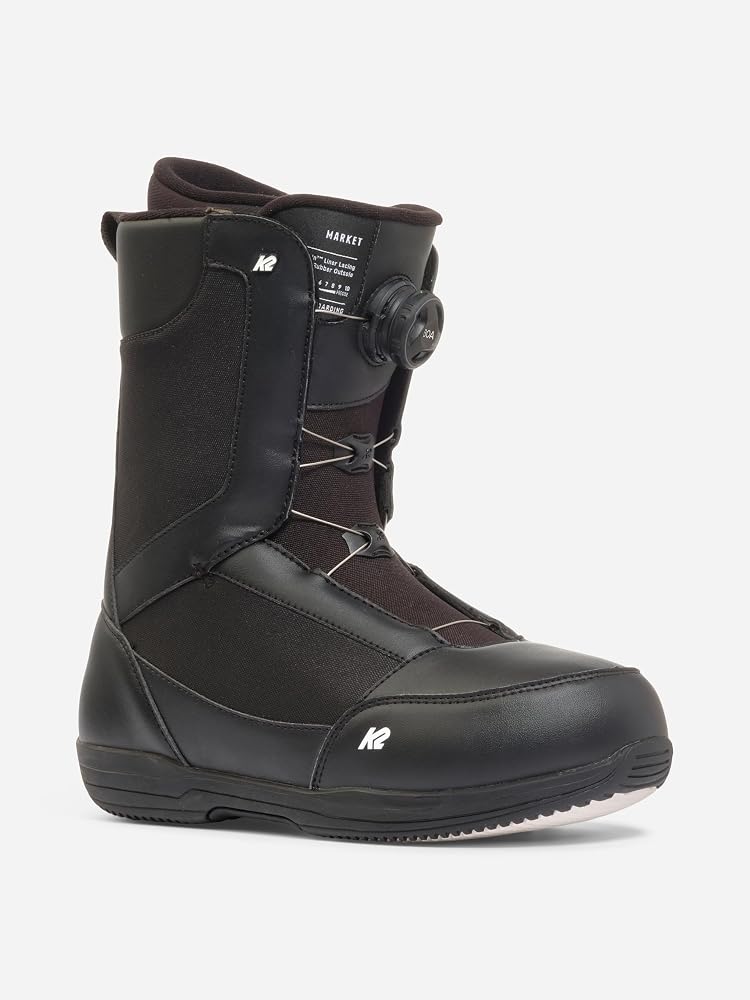
Compare the best affordable snowboard boots by flex, lacing system, fit and warmth, with budget expectations and care tips for your first pair.
Boots are the first piece of snowboard gear worth buying with your own money, because rental boots rarely fit well and a poor fit ruins more days than any board choice. The best affordable snowboard boots give you a secure heel hold, a flex that matches your riding, and enough warmth for a full day on the lift. You do not need race level gear to get those three things.
This guide explains what a modest budget realistically buys, how flex and lacing systems differ, and how to size boots that will pack out with use. The product table lines up the main options, so you can match a pair to your skill level and the conditions you ride most.


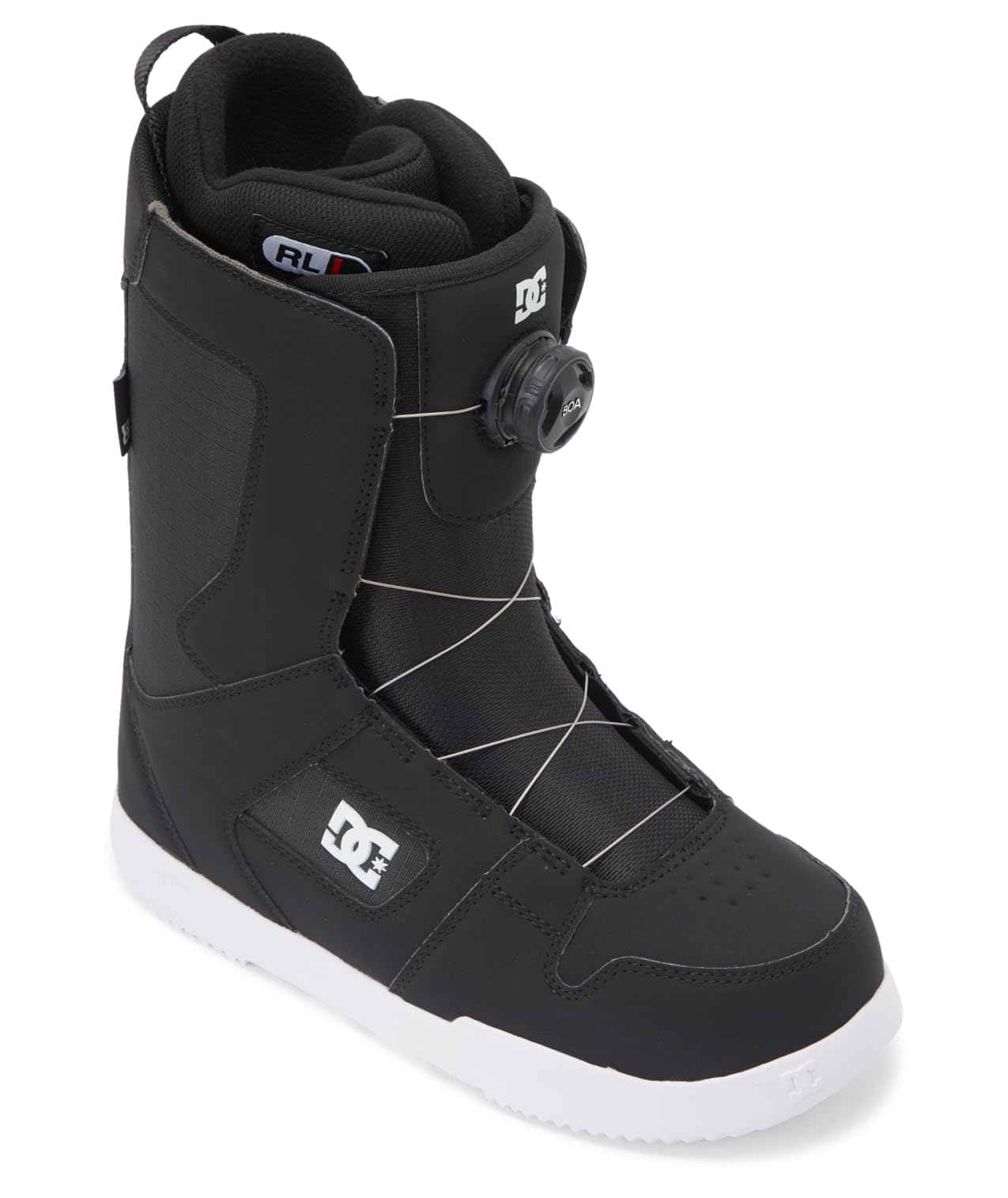

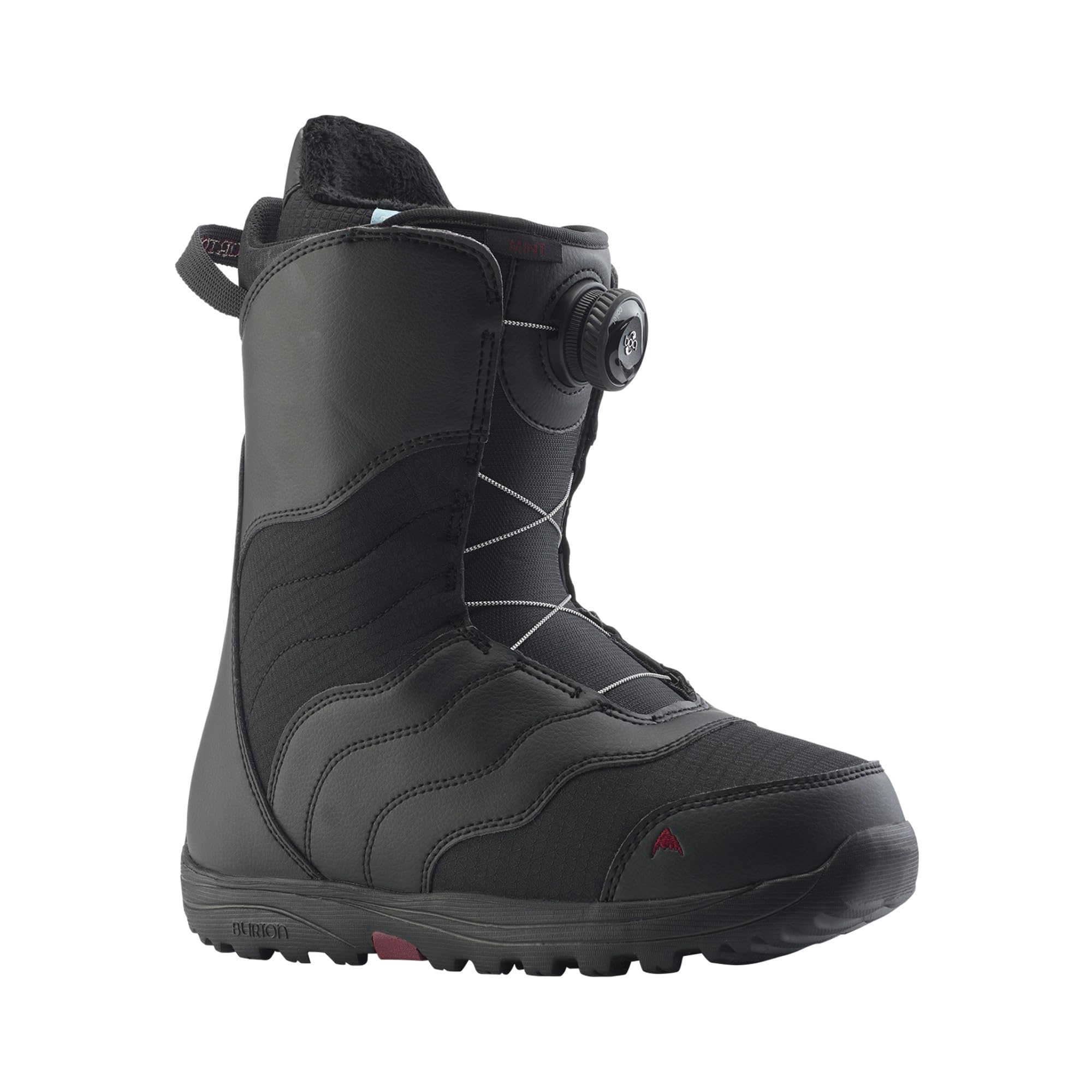
How to Choose Affordable Snowboard Boots
Fit comes first, then flex, then lacing. The best affordable snowboard boots share a few traits: a liner that can be heat molded or at least laced separately, a flex rating in the soft to medium range, and construction that survives a season of weekend use. The sections below break down each decision in the order you will face them in a shop.
What You Can Realistically Get on a Budget
Around $120 to $220 buys a genuine snowboard boot with a moldable liner, a proper snowboard outsole, and warmth suited to most resort days. What gets trimmed at this price is usually the lacing hardware, the footbed quality, and the liner foam density. Do not save money by buying boots that are too big, because no discount fixes heel lift. If you want the wider budget footwear picture, our guide to best affordable boots covers other types beyond the slopes.
Skill Level and Intended Use
New riders do best in soft flex boots, roughly a 3 to 5 on a 1 to 10 scale, because a forgiving boot makes turns easier to start and is kinder to shins. Intermediate riders who link turns on groomed runs usually prefer medium flex around 5 to 7 for more response at speed. Stiff boots above 7 suit advanced freeride and carving, and they punish sloppy technique. Match flex to the riding you do now, not the rider you hope to become next season.
Lacing Systems and Included Extras
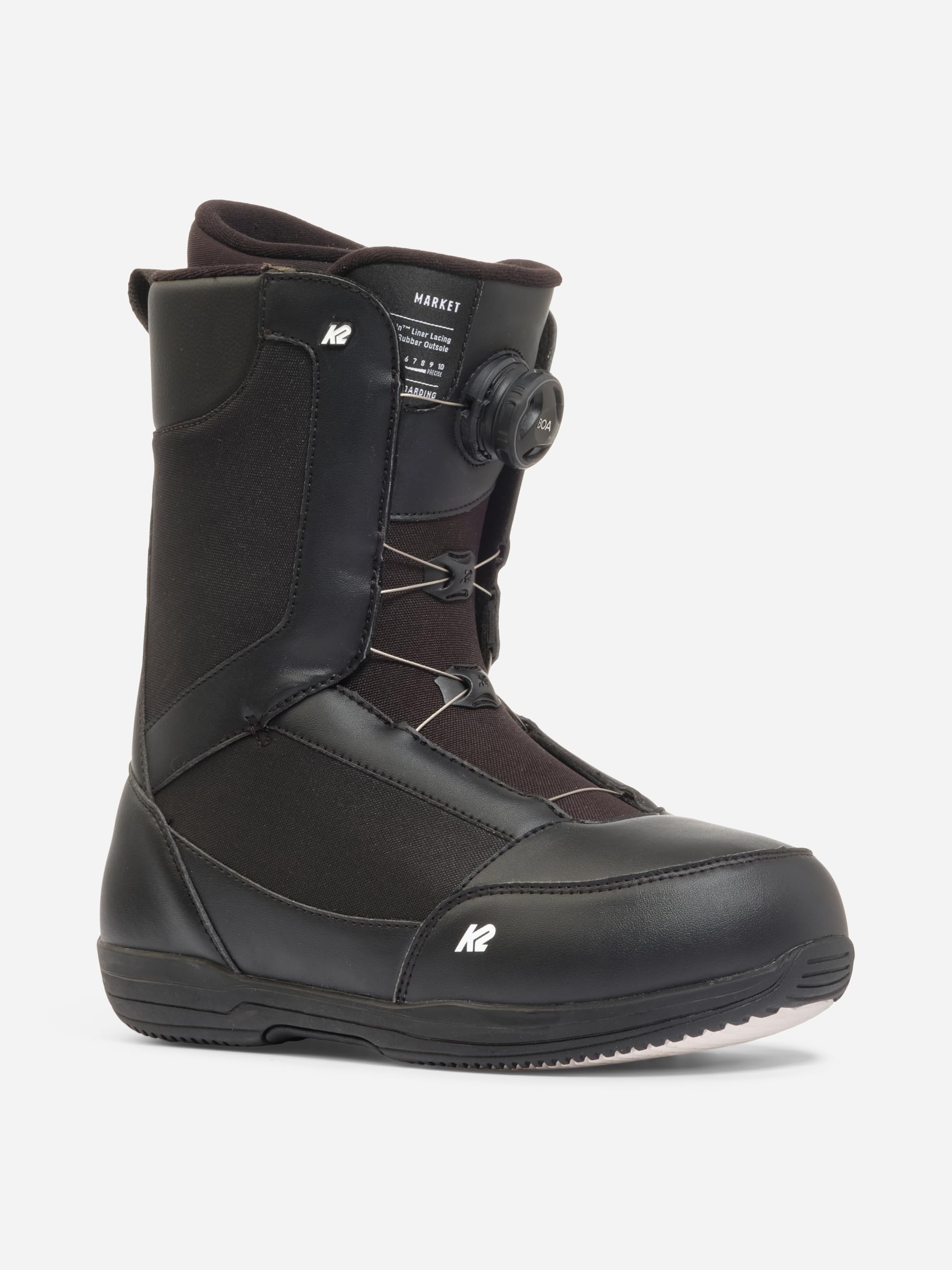
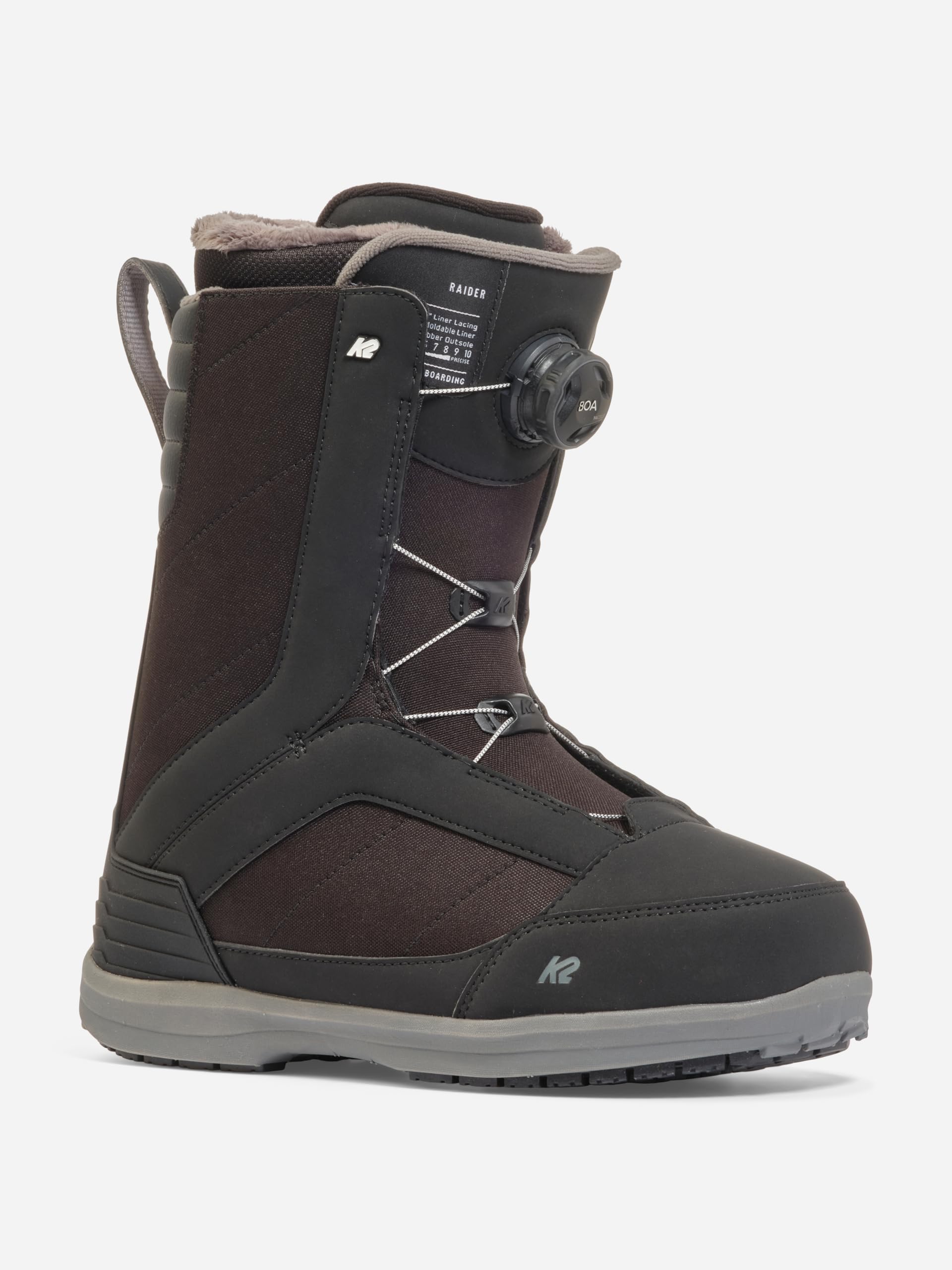
Traditional laces cost least and let you tune tension zone by zone, but they loosen during the day and are slow with gloves on. Dial systems tighten fast and adjust on the lift, though replacement dials add cost later. Speed lace systems split the boot into upper and lower zones and sit between the two in price. Useful extras in the box include a basic footbed and sometimes a boot bag; heat molding at a shop is often included free with purchase, so ask.
Indoor Snow Domes vs Outdoor Resorts
Where you ride changes what matters. Indoor snow domes run mild, steady temperatures, so heavy insulation matters less than a low profile fit and quick drying liners. Outdoor resorts add wind, deep cold snaps, and long walks across icy parking lots, where a lugged outsole with real grip earns its keep. Outdoor riders should also value a water resistant shell because spring slush soaks boots by afternoon. Choose insulation for the coldest place you ride regularly.
Portability and Storage
Boots travel best in a ventilated boot bag that keeps wet liners away from your other gear. At home, store them loosely buckled or laced so the shell keeps its shape, and keep them out of direct sun and away from heaters, which age the plastics and foams. A pair of affordable boots weighs roughly four to five pounds, light enough for a carry on sized bag on most trips. Removable liners dry faster on the road, a real advantage for multi day trips.
Performance Characteristics
Forgiveness describes how much a soft boot absorbs small mistakes, and it is the trait beginners feel most. Board feel comes from a thinner sole, which helps you sense the edge underfoot but offers less cushioning on hard landings. Grip matters off the board: look for a treaded rubber outsole rather than a smooth foam one for icy lift lines. Cushioning in the footbed softens flat landings, and it is the first thing to wear out, so a replaceable insole extends the useful life of a budget pair.
Size, Weight, and Fit
Snowboard boots use Mondo sizing based on foot length in centimeters, and most size charts convert that to US sizes. Your toes should brush the front of the liner when you stand straight, then pull back slightly when you bend your knees into a riding stance. Liners pack out by about half a size over the first weeks, so a snug new fit is correct. Men comparing more options can start with our guide to best men's snowboard boots. Treat boots as comfort gear: if foot pain or numbness persists after proper fitting, see a doctor or a qualified boot fitter.
Types of Snowboard Boots
Beginner Options
Soft flex, simple lacing, and a comfort liner define this group. These boots forgive mistakes, feel easy to walk in, and usually cost the least. They suit first season riders and anyone who rides a handful of days a year. The downside is support: as your speed grows, a very soft boot will feel vague on steeper runs.
Intermediate and All Around Options
Medium flex boots with separate upper and lower lacing zones are the all mountain workhorses. They handle groomed runs, small jumps, and varied snow without feeling harsh. Most riders who go ten or more days a season land in this group, and it is where a modest budget stretches furthest. Our guide to best looking snowboard boots shows how color and styling vary across this category, if appearance matters to you.
Kids and Youth Options
Youth boots are lighter, softer, and sized for growing feet, often with simple closures small hands can manage with gloves. Fit matters more than features here, because a child in painful boots will not want a second day. Many families buy one size up with a thicker sock, but avoid going further, since a loose boot gives no control. Look for models with removable liners, which dry overnight on trips.
Care and Maintenance Tips
- Dry boots after every ride: pull the liners out and air dry them at room temperature, away from direct heat that can warp the foam.
- Store boots out of direct sun and extreme heat, such as a hot car trunk, because ultraviolet light and heat break down shell plastics.
- Check wear before each use: inspect laces, dials, and the outsole for cuts or smooth spots that reduce grip on ice.
- Clean and dry the shells after outdoor use in slush, and brush salt and grit out of the tread before it grinds into the sole.
- Follow the manufacturer's guidance for heat molding and lace tension, and never force a molding process meant for a shop oven at home.
Frequently Asked Questions
What size snowboard boots should I get?
Start with your Mondo size, measured from heel to longest toe in centimeters, and match it to the size chart of the maker rather than your street shoe size. A correct new fit feels snug everywhere with toes just brushing the front. Remember that liners pack out, so boots that feel perfect in the shop often feel loose after ten days of riding. When you fall between sizes, most fitters suggest the smaller one for a performance fit.
Is it worth buying premium snowboard boots as a beginner?
Usually not, because premium boots are stiffer, and stiff boots make learning slower and less comfortable. A beginner gains more from a soft to medium flex pair that fits well than from high end hardware. Money saved on the boot can go toward lessons, which improve riding faster than gear does. Upgrade once your first pair packs out or your riding clearly outgrows its flex, often after two or three seasons.
Does it matter whether I ride indoors or outdoors in snowboard boots?
Yes, mainly for warmth and drying. Indoor domes stay near freezing with no wind, so lighter insulation works and boots dry quickly between sessions. Outdoor riding adds wind chill, deeper cold, and wet spring snow, which call for warmer liners and a water resistant shell. If you ride both, buy for the outdoor case and open the liners to vent on indoor days.
How long do snowboard boots last?
A pair of affordable snowboard boots typically lasts about 40 to 80 riding days before the liner packs out enough to change the fit. Riders who go every weekend may replace boots after two or three seasons, while casual riders can stretch a pair much longer. Replace them when heel lift returns no matter how you lace them, or when the shell cracks. Storing boots dry and loosely closed between trips slows the foam breakdown that ends their life.
Final Thoughts
Fit, flex, and lacing decide almost everything about a boot, and all three are available at a fair price. The best affordable snowboard boots for you are the pair that holds your heel, matches your current skill, and keeps your feet warm on your coldest regular day. Check the product table to compare the options that fit your budget before you order.