
Best Affordable Winter Boots: Which One Fits the Way You Use It in 2026?
Disclosure: We may earn a commission when you buy through links on this page, at no extra cost to you. As an Amazon Associate I earn from qualifying purchases. Learn more
Match insulation, grip, and fit to your daily use with this guide to best affordable winter boots, including honest budget trades and sizing checks.
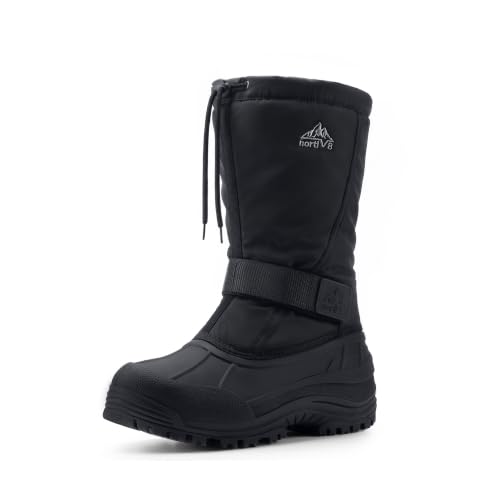
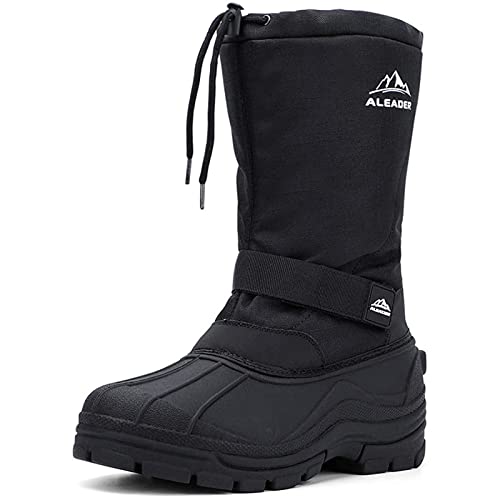
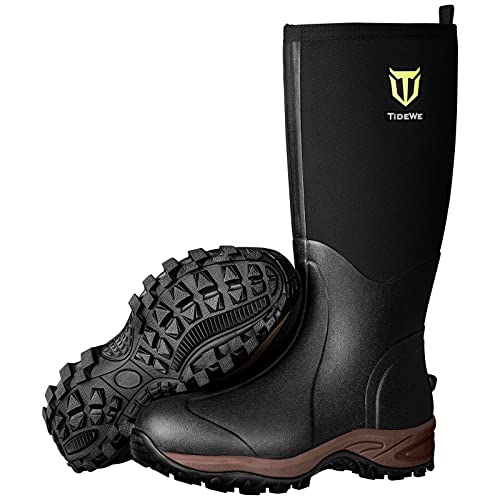
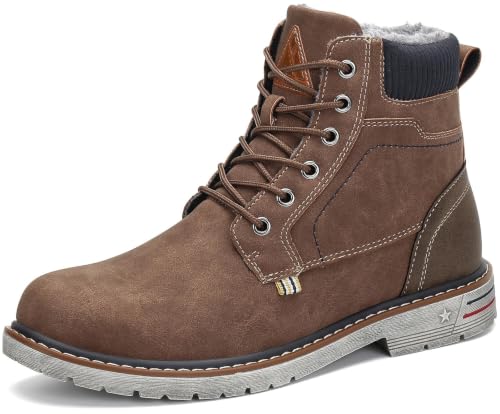
There is no single winter boot that suits every reader. A boot that keeps a dog walker warm on cleared streets can soak through in one afternoon of shoveling, and a tall boot built for deep drifts feels clumsy on a bus commute. The right way to shop for best affordable winter boots is to name your main use first, then match the insulation, grip, and fit classes to that use. The product table lines up budget-friendly options so you can compare them against the classes below.
One honesty point belongs at the start. Maker temperature ratings are not standardised: one brand rates with a walking wearer, another with a standing one, and the printed number is a guide rather than a promise. Real warmth comes from insulation, fit that leaves room for blood flow, and dry socks. Toes that go numb and stay numb are a signal to get indoors and warm up, not a reason to push on. If cold feet are a recurring problem, ask your doctor.



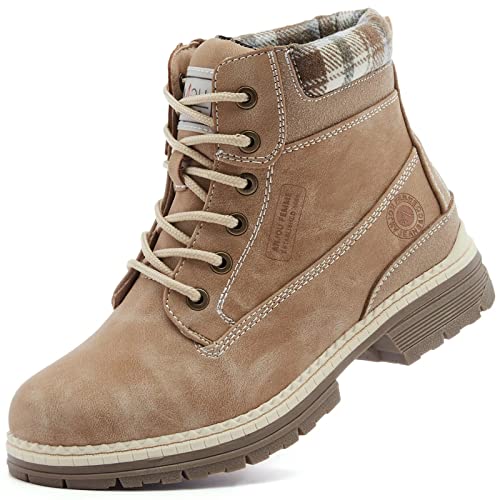

Which Best Affordable Winter Boots Match Your Use?
For Town Errands and Cleared Sidewalks
Errand use needs moderate insulation, a lighter boot, and a sole that flexes on pavement. A mid height waterproof boot with a roomy toe box handles slush and short cold waits at the curb. Fit runs closer here than in deep snow classes, and women comparing lasts shaped for narrower heels can start with our guide to best affordable women's winter boots, where those fit notes are covered in full.
For Snow Play, Shoveling, and Yard Work
Standing in snow while you shovel or watch children sled is a colder job than walking, because still feet cool faster. Choose a taller shaft that keeps snow out over the top, a waterproof lower, and room for a thick sock. This is the classic slip on pac boot class. Casual styles aimed at this same work are gathered in our guide to best winter boots for guys for readers who want a simpler shortlist.
For Long Workdays Outdoors
Work use adds hours of standing on frozen ground, which pulls heat out through the sole. Look for a thicker insulated midsole, a durable lugged outsole, and a lining that pulls out to dry overnight. A safety toe class belongs here only where the job requires one. Men shopping this class first can read our guide to best affordable men's winter boots, which sorts the work ready options by shift length.
For Deep Snow and Rural Roads
Unplowed lanes and field edges call for the tallest, warmest class: a pac boot with a removable felt or synthetic liner and a deep lug tread. This class trades pavement comfort for coverage and warmth off road. Shoppers comparing the taller end of the range can also work through our guide to men's winter boots by shaft height, which weighs height against daily comfort.
Key Features to Compare
What You Can Realistically Get on a Budget
Most affordable winter boots sell for about $50 to $120, and at that level the trade classes are the lining, the sole, and the membrane. Budget linings are thinner, budget soles use simpler rubber that stiffens sooner in deep cold, and budget waterproofing often covers the lower boot only. Those trades are acceptable for most uses. Fit is the one place not to trade: a boot that pinches will feel cold at any insulation level, because squeezed feet lose circulation.
Insulation and Temperature Ratings
Insulation is sold by weight, and the class you need follows your activity. Light classes suit active walkers in mild cold, middle classes suit mixed town and yard use, and the heaviest classes suit still work like ice fishing or long waits at a bus stop in severe cold. Treat every printed temperature rating as a rough band rather than an exact floor. A rating earned by a moving wearer will not hold up for a standing wearer at the same temperature.
Upper Materials and Waterproofing
Full leather uppers last for years and need regular conditioning, while synthetic uppers cost less, weigh less, and dry faster after a soaking. Rubber lowers shrug off slush and salt completely. A waterproof membrane keeps water out only up to its lining height, so a low boot in deep snow still wets out over the top. Seams are the first leak path on budget boots, so a rubber lower with few seams beats a tall stitched upper in slush.
Cushioning and All Day Comfort
Comfort here means warm, dry, and steady on your feet, nothing more. A cushioned insole softens frozen pavement, and a removable insole lets you add a thicker felt one for colder weeks. Boots built on a slight rocker or with a firm shank tire legs less during long standing. If your feet ache in every boot you try, that pattern is worth asking your doctor about rather than making another purchase, since fit products cannot correct an underlying problem.
Outsole Traction and Terrain
Grip is a tread and compound class claim, and it should be read that way. Deep, widely spaced lugs shed snow and bite on packed trails, while softer rubber compounds stay flexible and hold better on cold pavement and ice. No boot class promises no fall: black ice defeats every tread pattern, so careful steps plus a handrail remain the sensible plan on glazed steps. Match the lug depth to your ground, since aggressive treads feel harsh and wear fast on dry concrete.
Fit, Sizing, and Toe Box
Measure and try boots late in the day, when feet are at their largest, and wear the winter socks you actually own. You want about a thumb width of space ahead of your toes, a heel that lifts only slightly, and no pinch across the widest part of the foot. Room in the toe box lets warm air sit around the toes. For the broader fit picture across price bands, our guide to best winter boots covers sizing checks for every class.
Common Mistakes to Avoid When Buying Winter Boots
- Buying by the temperature rating alone: ratings are not standardised, so the number cannot tell you how a standing wearer will feel.
- Sizing with thin summer socks: the boot fits in the shop and pinches with real winter socks, and pinched feet feel cold.
- Choosing a low fashion boot for deep snow work: snow enters over the top and the waterproofing never gets a chance.
- Only looking at the price: the cheapest class trades away the sole and lining, which are the parts that decide warmth.
- Skipping the warranty and return terms: seam leaks often show up in the first wet month, when a return is still possible.
Care and Maintenance Tips
Air dry wet boots away from direct heat, because a radiator or stove can crack leather and warp soles. Pull liners and insoles out after wet days so the inside dries fully before the next wear. Rotate two pairs if you wear boots daily, since a rest day lets insulation loft back up. Rinse salt off uppers, and check tread and seams each season, since smooth lugs and open seams mean a pair is done.
Winter Boot Questions, Answered
How should winter boots fit when worn with thick socks?
Winter boots should fit with about a thumb width of free space in front of your toes with your thickest winter socks on. Your heel may lift a few millimeters as you walk, but your toes should never press the front on downhill steps. If you are between sizes, take the larger one for winter use. Tight boots restrict blood flow, and restricted feet feel colder than the insulation rating suggests.
Do affordable winter boots need to be waterproof?
Most affordable winter boots should be waterproof if your winters include slush, wet snow, or thaw days, because a soaked lining stops insulating. Dry, powdery cold is the exception where a water resistant upper can be enough. Check the waterproofing height: protection ending at the ankle does nothing in deeper snow. A rubber lower section is the most reliable budget form of waterproofing, since it has no seams to fail.
Are expensive winter boots worth it for most people?
For most people, expensive winter boots are worth it only when winter is long, very cold, or part of the job. Higher prices buy thicker linings, better rubber that stays soft in deep cold, and construction that lasts more seasons. A town wearer gains little from the top class. Cost per season is the fair measure: a mid priced boot worn four winters beats a bargain boot replaced every year.
How often should winter boots be replaced?
Replace winter boots when the tread has worn smooth, the lining has packed flat, or seams and uppers start leaking. For a daily wearer that often means three to five winters, and far longer for a pair used only in storms. A boot can look fine and still be done, since compressed insulation loses warmth silently. Try suspect pairs on a cold standing task, such as a full outdoor game, before the coldest month.
Can winter boots be worn all day at work?
Yes, winter boots can be worn all day at work if the insulation class matches the indoor stretches of the shift. Heavy snow classes overheat indoors, which sweats the socks, and damp socks chill fast when you step back outside. Many wearers keep spare dry socks at work. Choose the boot for the coldest hour of the day and manage the warm hours with sock changes rather than suffering in an overbuilt boot.
How long is the break in period for a new pair of winter boots?
The break in period for new winter boots is usually two to four outings for synthetic and pac styles, and up to two weeks for stiff full leather boots. Wear new boots on short errands first, not on the longest walk of the season. A hot spot that appears in the first hour is a fit warning worth acting on while a return is still possible, not something to push through.
Final Thoughts
Match the boot to the job and the rest gets simple. Name your main use, read temperature ratings as rough bands, choose grip by the ground you actually cross, and leave room in the toe box for warm air and thick socks. The picks in the table give you a place to start comparing. Chosen that way, the best affordable winter boots are the pair that fits your winter, not the pair with the loudest number on the box.


