Best Affordable Treadmills for Running Made Simple: A Clear Buying Guide 2026
Disclosure: We may earn a commission when you buy through links on this page, at no extra cost to you. As an Amazon Associate I earn from qualifying purchases. Learn more

Shop the best affordable treadmills for running with plain advice on motor power, belt length, noise, and space for first time buyers.
Buying your first treadmill should feel exciting, not confusing, and best affordable treadmills for running is a search that brings up a long list of motors, belt sizes, and programs. This guide sorts that list into plain language. You will learn which specs change a run, which ones you can ignore at a lower price, and how to match a machine to your room, your stride, and your routine.
Start with the basics in this guide, then check the product table when you are ready to compare machines side by side. A budget treadmill can serve a new runner well when the motor, belt, and frame suit regular running rather than only occasional walking. The sections below explain each choice in order, so you can shop with a short list instead of a long list of doubts.




Best Affordable Treadmills for Running: The Basics
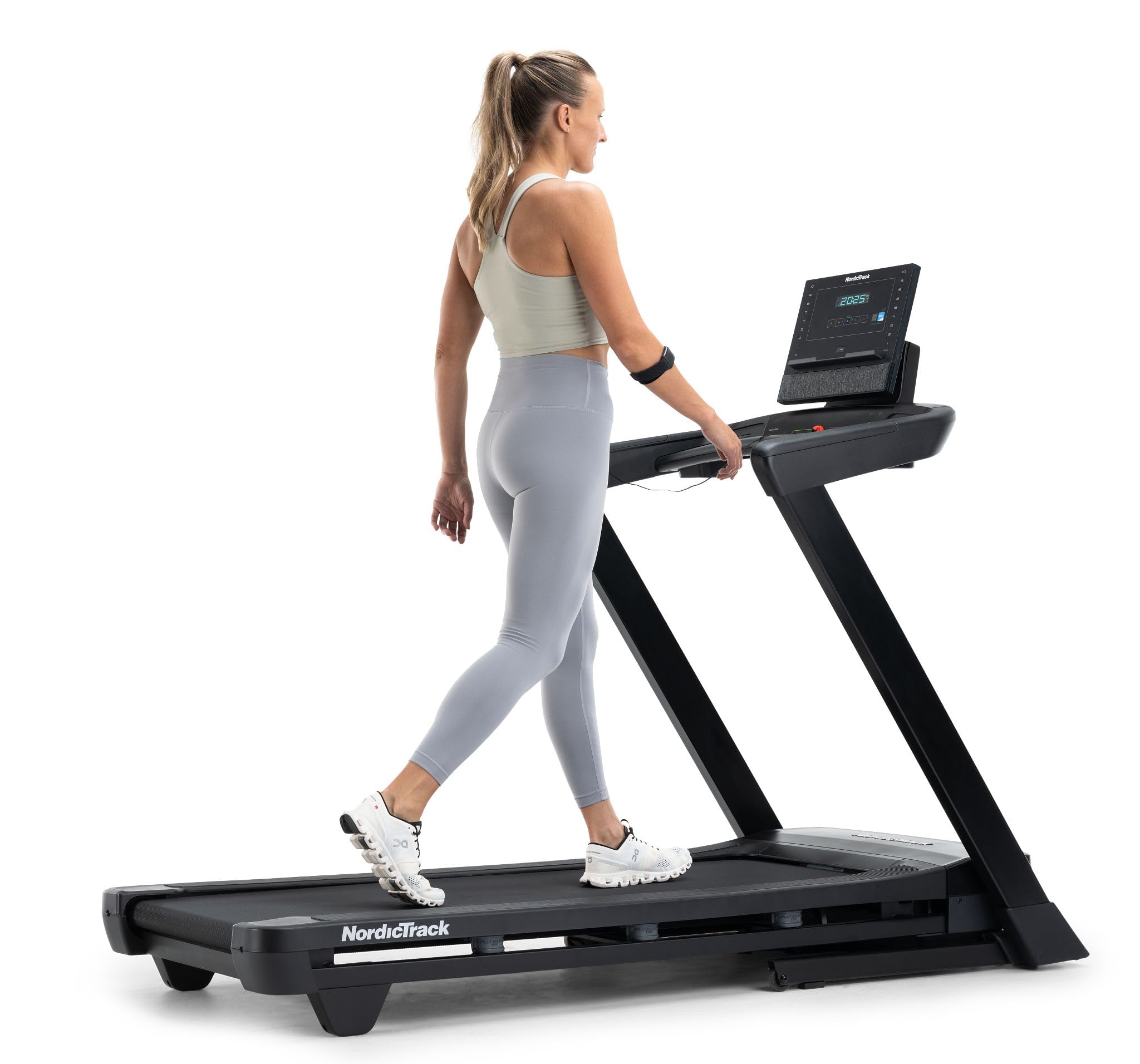
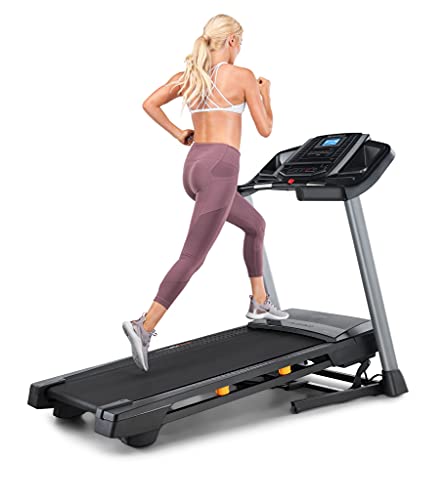
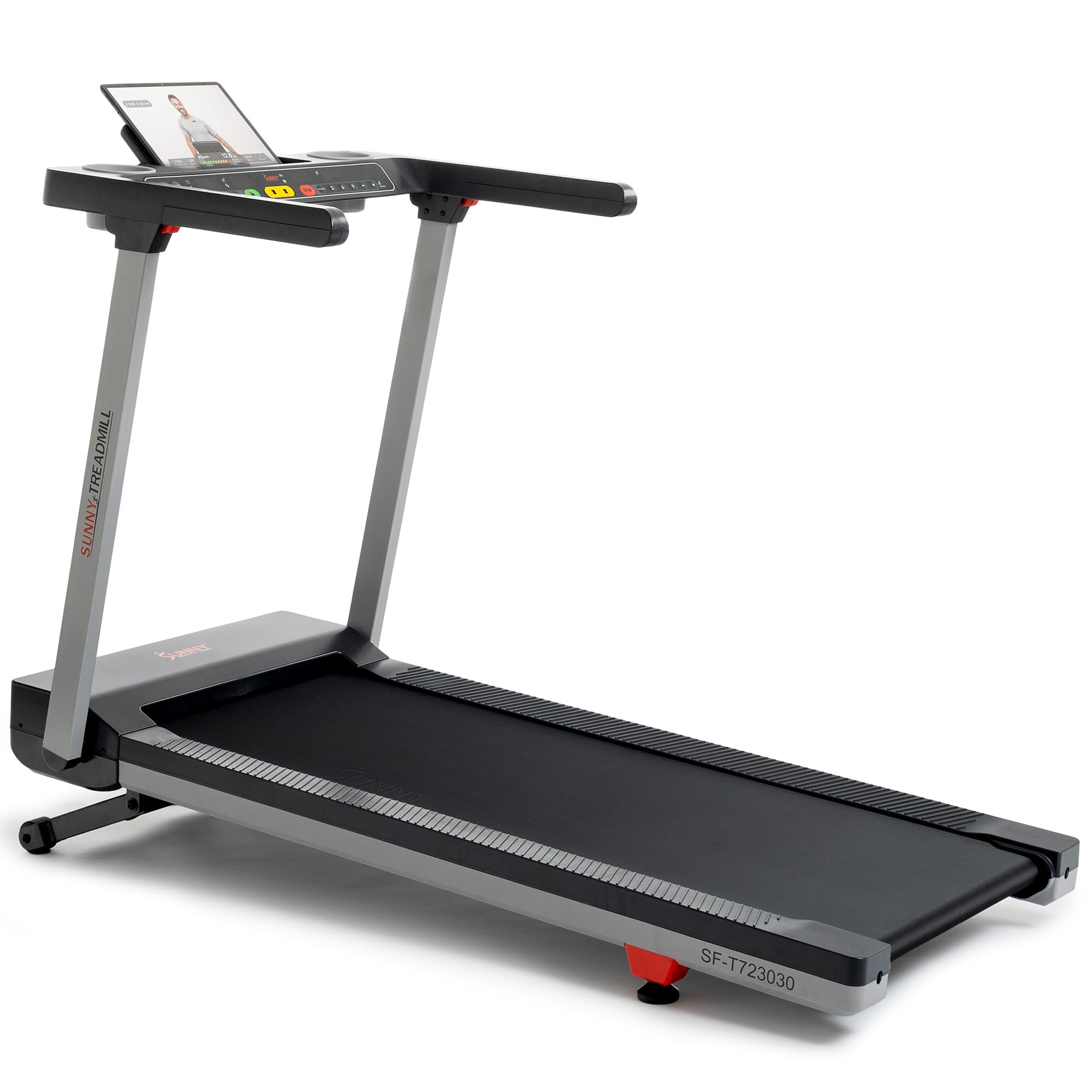
A treadmill is a moving belt on a frame, driven by a motor, that lets you walk or run indoors at a speed you control. You set the speed on a console, and many models also let you raise the front of the belt to add incline. The belt runs over a deck, and the deck sits on a frame that carries your weight and absorbs some of the impact of each stride.
Three terms come up in almost every listing. Motor power, usually given in horsepower, tells you how hard the motor can work without straining. Belt size tells you how much room your feet have with each stride. Weight capacity tells you the heaviest user the maker rates the frame and motor to carry, so keep those three in mind and most other features fall into place as comfort or convenience extras.
Key Specs Explained in Plain English
Listings can bury the useful numbers under program counts and screen sizes. The six points below cover the specs that change how a run feels, how long the machine lasts, and how well it fits your home.
What You Can Realistically Get on a Budget
At about $500 to $900, expect a steady motor for jogging and moderate running, a belt long enough for most strides, and a simple console with speed and incline controls. You may give up a large touch screen, a very high top speed, or a heavy commercial frame. Do not give up a sturdy frame, a motor rated for continuous duty, or a belt that fits your stride, because those three decide whether running feels smooth or strained. If you want a broader look at lower priced machines, see our guide to best most affordable treadmills before you settle on a price band.
Features That Matter for Running
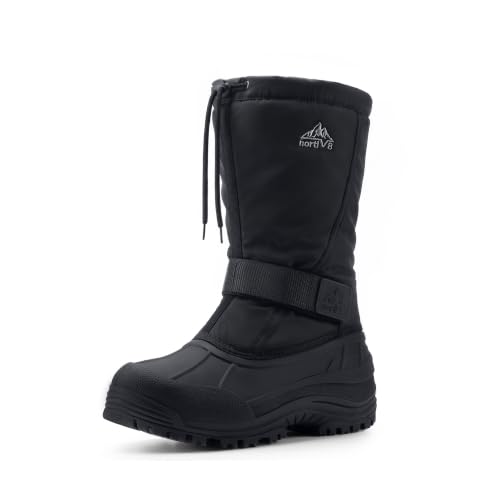
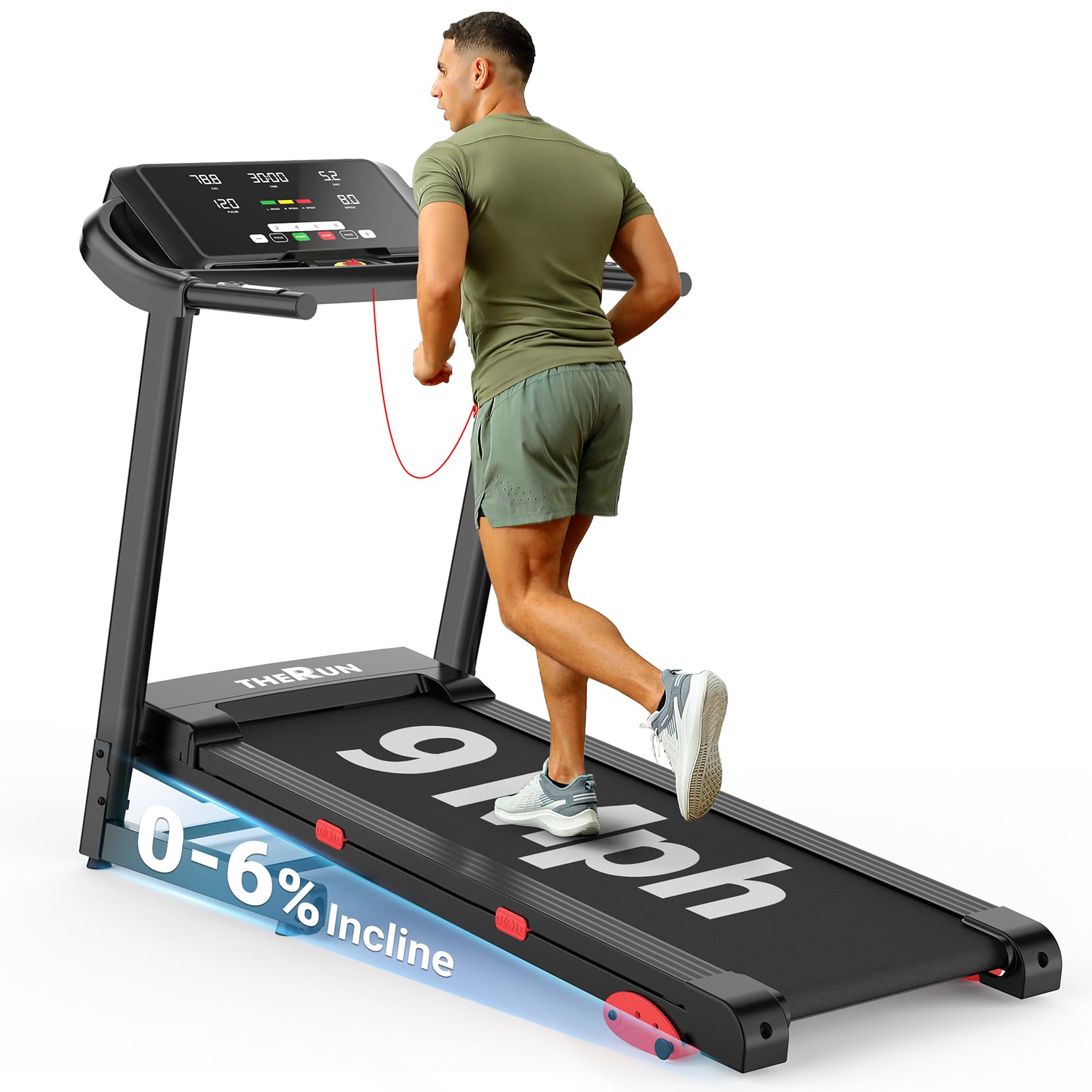
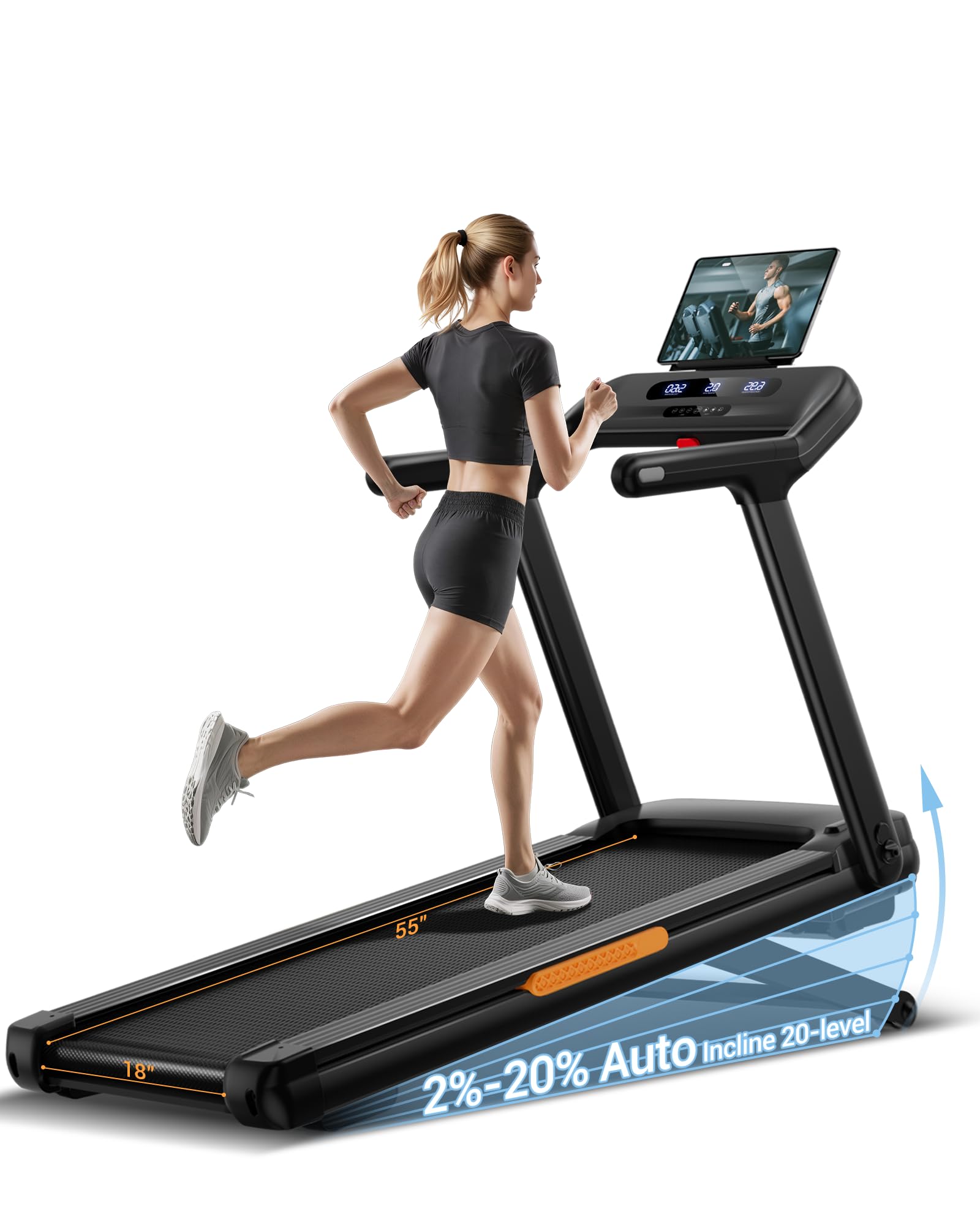
Running asks more of a treadmill than walking does. Look for continuous duty motor power around 2.0 to 3.0 horsepower, a top speed of at least 10 miles per hour, and a belt about 55 to 60 inches long so a longer stride never lands near the edge. Cushioning under the deck softens each landing, and a clear speed control lets you change pace without breaking stride. Good footwear matters just as much as the belt, so pair your choice with guidance from our guide to best running shoes when you plan your first runs.
If you want a wider look at machines built for regular runners, our guide to best treadmills for running covers more of the range.
Space, Footprint, and Ceiling Height
Measure the floor area first, then add room to step on and off safely at the back and sides. A typical home treadmill needs roughly 6 feet of length and 3 feet of width, plus walking room around it. Folding models cut the floor space when stored, but check the folded height and whether you can lift the deck with ease. For ceiling height, stand on a step as high as the deck and raise your arms overhead, because running adds bounce that a simple standing measurement misses.
Noise Level for Apartments
Noise comes from three places: the motor hum, the belt moving over the deck, and your feet striking the belt. A smoother motor and a thicker deck usually run quieter, and a dense mat under the machine cuts vibration that travels through floors. Run at times that suit your building, and try the machine at your usual pace rather than only at a slow walk. If downstairs neighbors are a concern, a ground floor room or a room over a garage is kinder than a bedroom directly above a neighbor.
Incline, Effort, and Speed Range
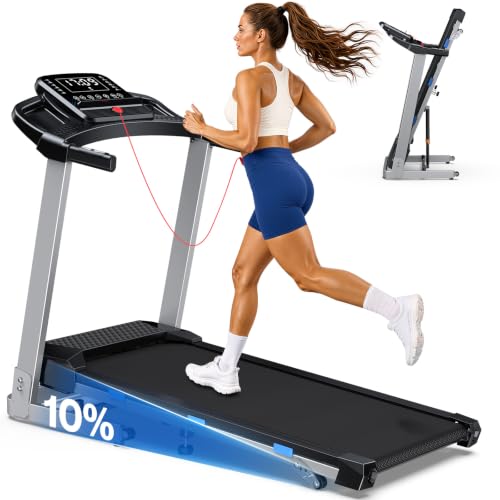
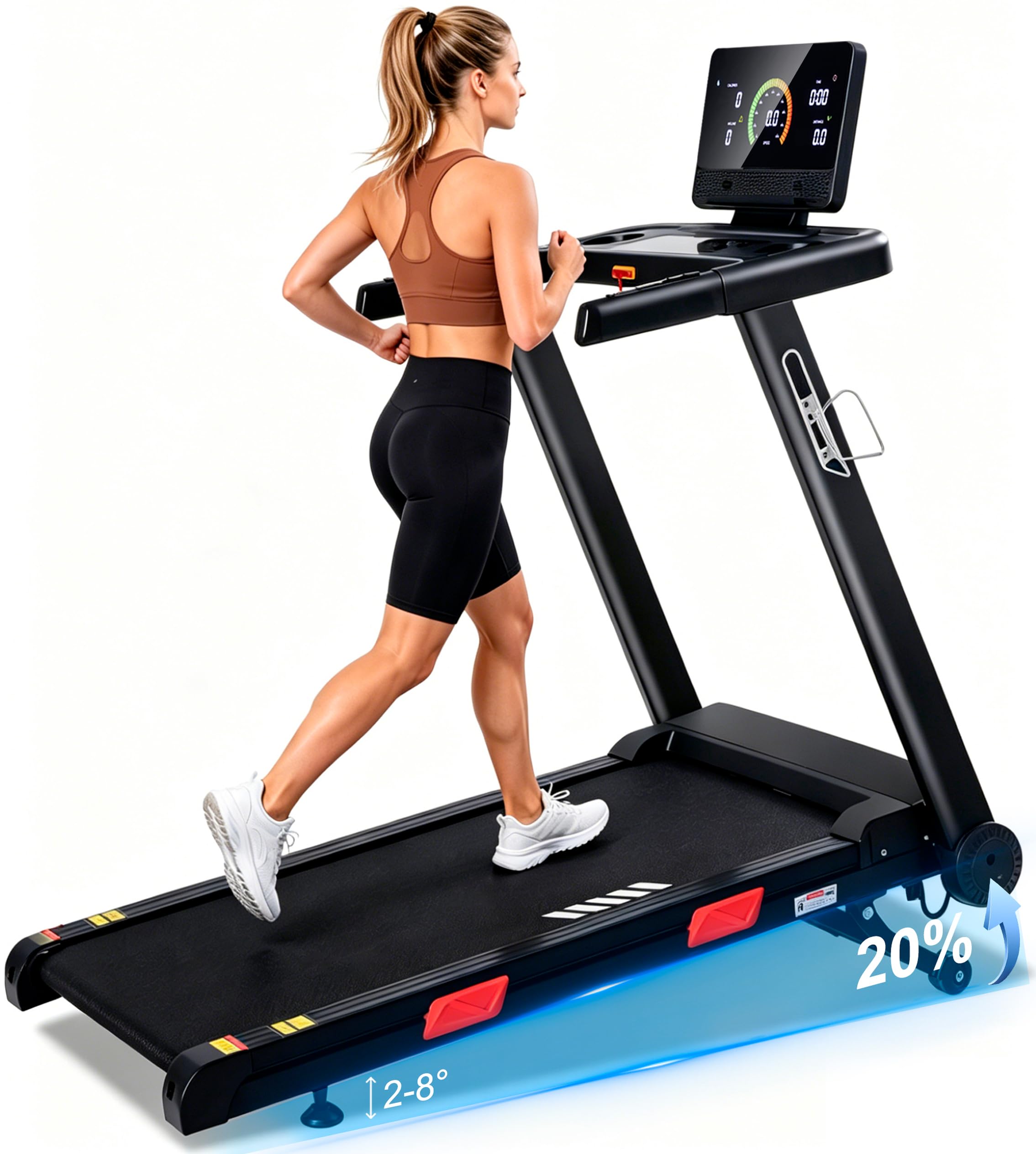
Incline raises the front of the belt and makes each step work harder, which is useful for walkers who want a tougher session without running faster. Powered incline changes at the touch of a button, while manual incline needs you to stop and adjust a support by hand. For runners, a speed range up to 10 to 12 miles per hour covers most training, and an incline range up to about 10 percent adds variety. Choose powered incline if you plan to change effort mid run, since stopping to adjust breaks your rhythm.
Assembly and Portability
Most budget treadmills arrive partly assembled, and setup usually takes about 1 to 2 hours with basic tools. Wheels under the frame help you roll the machine into place, but a treadmill is still heavy, so plan for a second person to help lift and position it. Check the path from your door to the room, including door widths and turns, before delivery day. Once it is in place, lock the wheels or level the feet so the frame sits flat and the belt tracks straight.
Rookie Mistakes to Avoid
- Buying for walking speed only, then finding the motor strains when you start running regularly.
- Choosing a short belt that forces a shorter stride and makes longer runs feel cramped.
- Skipping the ceiling check, which leaves too little headroom once the deck height and running bounce are added.
- Ignoring weight capacity, which can shorten motor life when the machine runs near its limit every session.
- Judging a treadmill by program count alone, while the motor, belt, and frame matter far more for daily use.
Getting Started: Setup and First Use
After unboxing, place a mat under the machine to protect floors and reduce noise, then check that the belt sits centered on the deck before your first session. Attach the safety key, start at a slow walk, and raise the speed in small steps while you get used to the belt feel. Wipe down the belt and console after each workout to keep sweat and dust from building up on moving parts.
Talk with a doctor before you start a new running routine, and seek medical advice promptly for chest pain, dizziness, or pain that persists or worsens. Keep children and pets away from the moving belt, and remove the safety key when the machine is not in use. Footwear built for treadmill sessions helps with grip and comfort, and our guide to best treadmill running shoes explains what to look for in a pair.
Treadmills: Your Questions Answered
What features matter most in treadmills for running?
Motor power, belt length, and frame strength matter most for running, because they decide whether the machine keeps a steady pace under repeated impact. A continuous duty motor around 2.0 to 3.0 horsepower, a belt about 55 to 60 inches long, and a frame rated above your body weight give a smoother and longer lasting run. Cushioning and a clear console help too, but they cannot rescue a weak motor or a belt that is too short for your stride.
Is a subscription required?
No subscription is required to walk or run on most budget treadmills, since speed, incline, and manual programs work without an account. Subscriptions usually unlock guided classes, scenic routes, or training plans on a screen, and those extras are optional. If you like structured workouts, check what the free programs include first, because a machine with solid built in programs may give you enough variety without a monthly fee.
Is it quiet enough for an apartment?
Many budget treadmills are quiet enough for apartment use at jogging speeds, though foot strike noise still travels through floors in older buildings. A mat, a thicker deck, and running at reasonable hours all help, and a ground floor room is the kindest setting for neighbors below. Try the machine at your normal running pace before you assume it is quiet, since a slow walk tells you little about noise at a full run.
Which is better for beginners?
A simple treadmill with a steady motor, a clear console, and a forgiving belt is better for beginners than a complex machine with a large screen and dozens of programs. Simple controls let you focus on pace, posture, and breathing instead of menus, and a moderate top speed leaves room to grow without paying for speed you will not use yet. Start with short sessions at a comfortable pace, and build distance gradually as your fitness improves.
How long does it last?
A budget treadmill used for regular running often lasts several years when the motor is sized for running and the belt is kept clean and centered. Belt lubrication, bolt checks, and wiping down after sessions all extend its life, and running near the weight limit or skipping care shortens it. Watch for belt slipping, unusual motor noise, or a deck that feels rough underfoot, since those signs mean service or a belt change may be due.
The Bottom Line
For a first treadmill, put motor power, belt length, and frame strength first, then match the footprint and noise level to your home. A machine in the budget range can support regular running well when those core specs fit your stride and your weight, even without a large screen or a long program list. Measure your room, check your ceiling height, and start with short, steady sessions while your body adapts.
When you are ready to compare, best affordable treadmills for running options in the product table above show how the core specs differ at each price point. Pick the machine whose motor, belt, and frame suit the running you plan to do most often, and let extra programs stay a bonus rather than the deciding factor.