
Best Affordable Ski Boots: Our 2026 Checklist for Smart Value
Disclosure: We may earn a commission when you buy through links on this page, at no extra cost to you. As an Amazon Associate I earn from qualifying purchases. Learn more

Choose the best affordable ski boots with a clear checklist on flex, fit, liners, soles and sizing for beginners, improvers and growing kids alike.
Ski boots decide how much control you feel and how long your feet stay comfortable, yet prices climb fast. The best affordable ski boots give you a secure fit, a forgiving flex and soles that match your bindings, without race level stiffness you do not need. Use this checklist and the comparison table below to judge fit first and price second.
Affordable does not mean flimsy. Around $200 to $350, adult models usually include a moldable liner, four buckles and a comfort last, while kids models cost less and focus on easy entry. The sections below show who benefits most, which features matter and how to spot a bargain that will last.
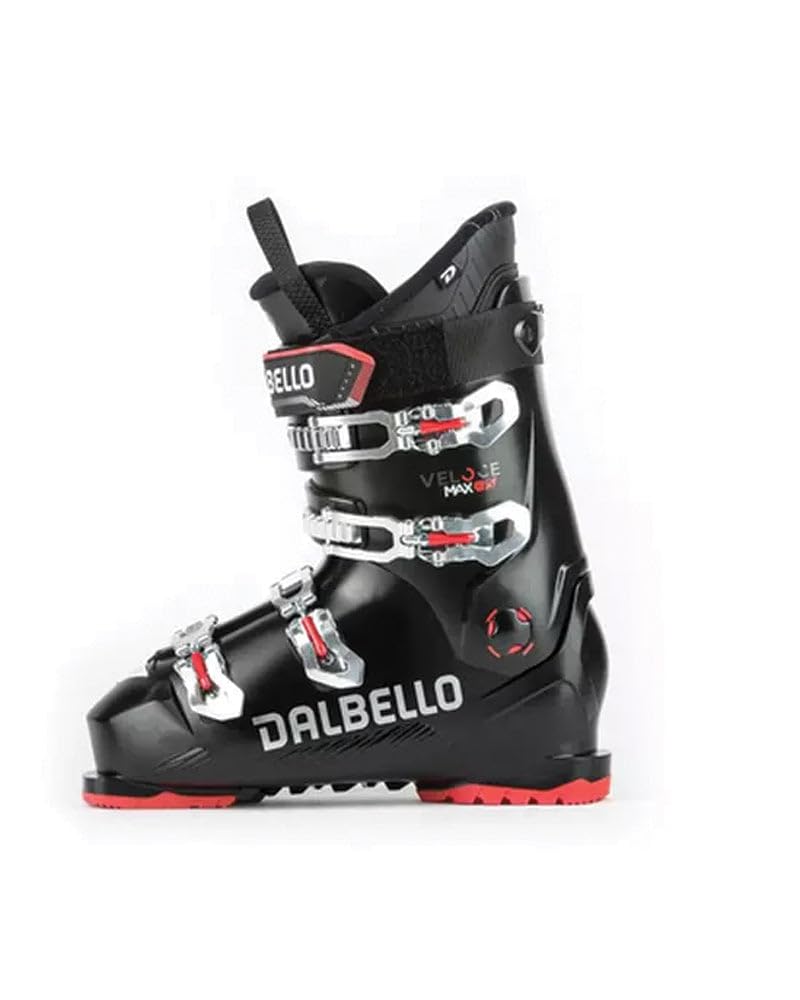
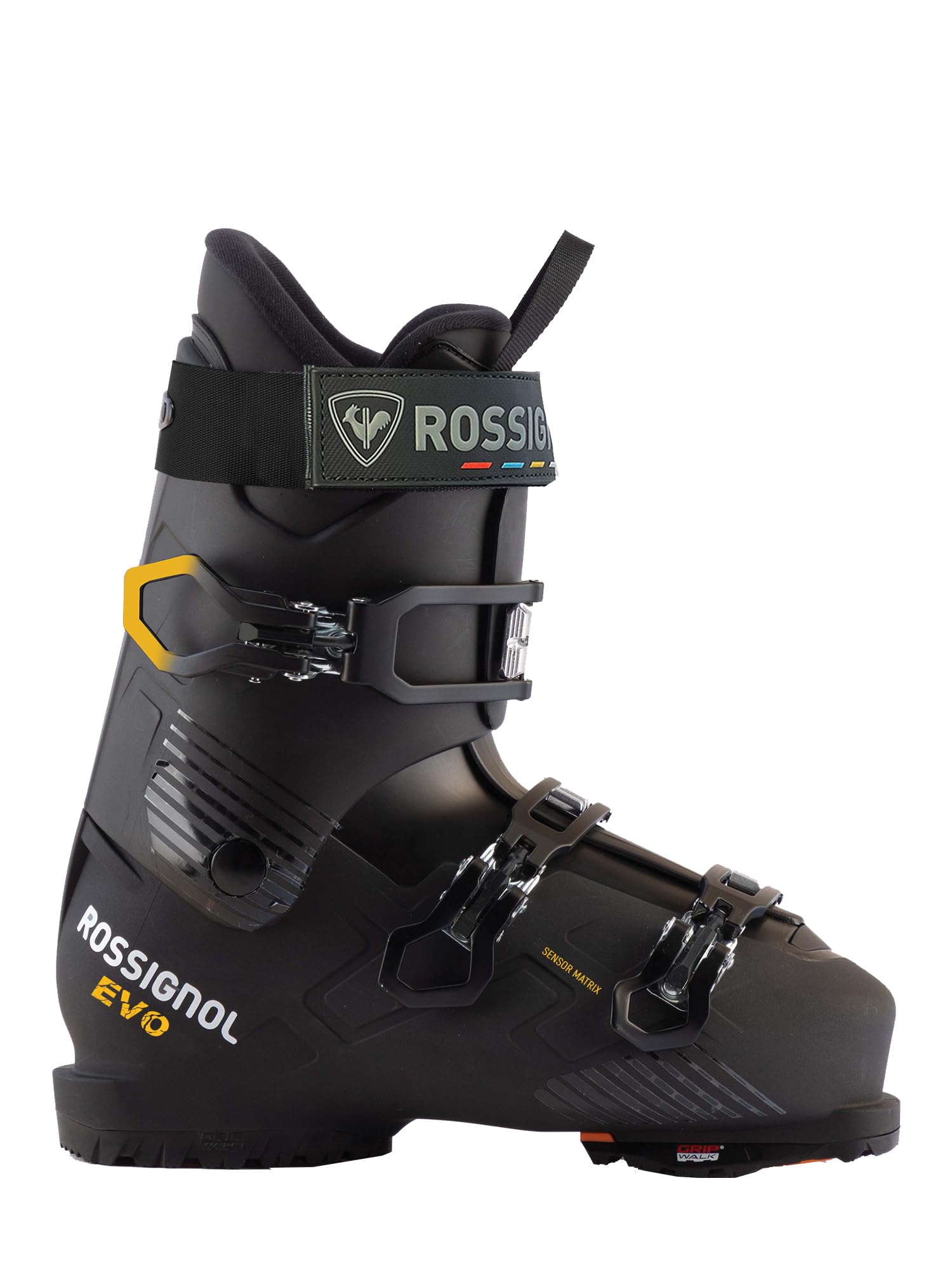

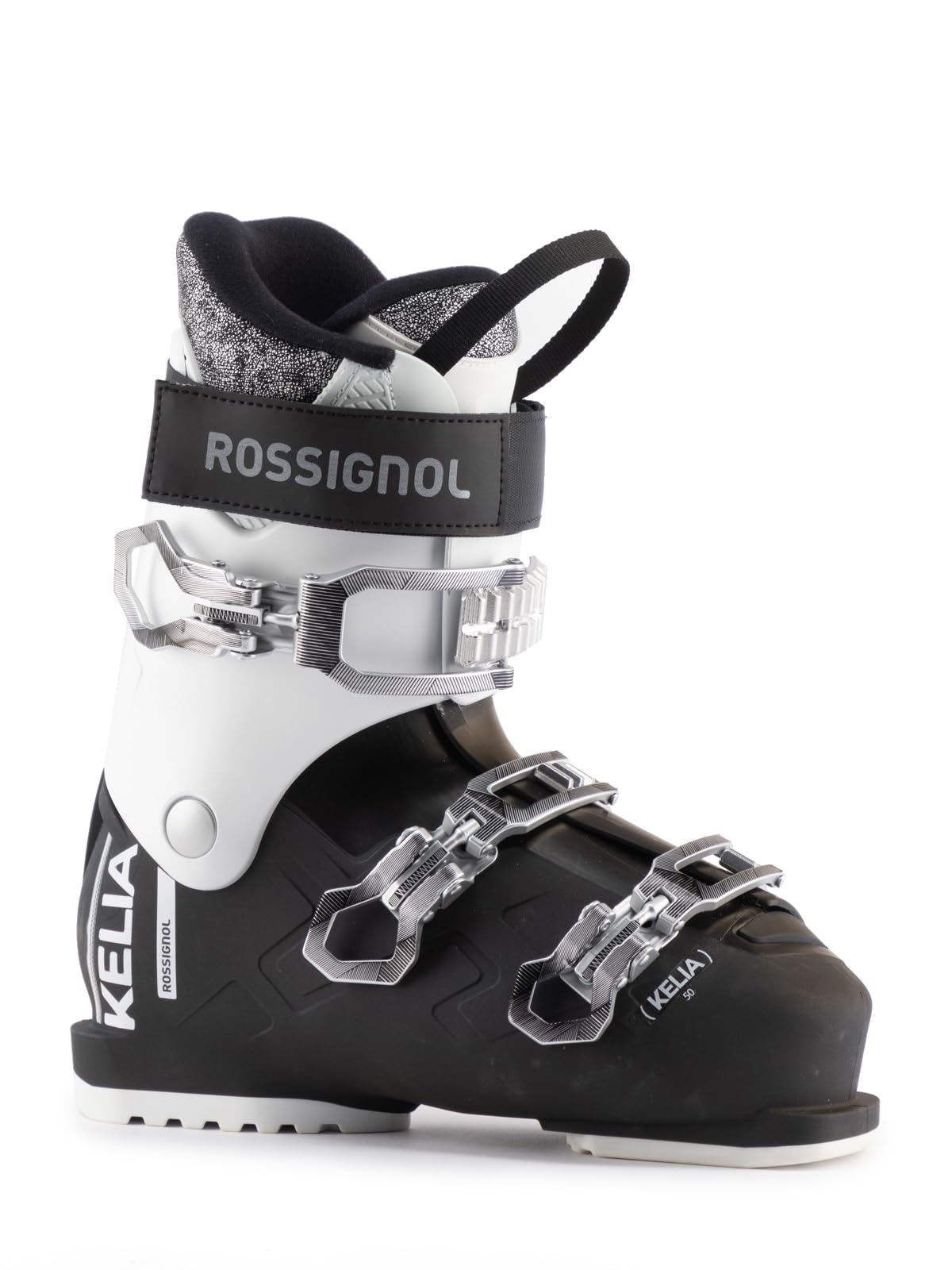
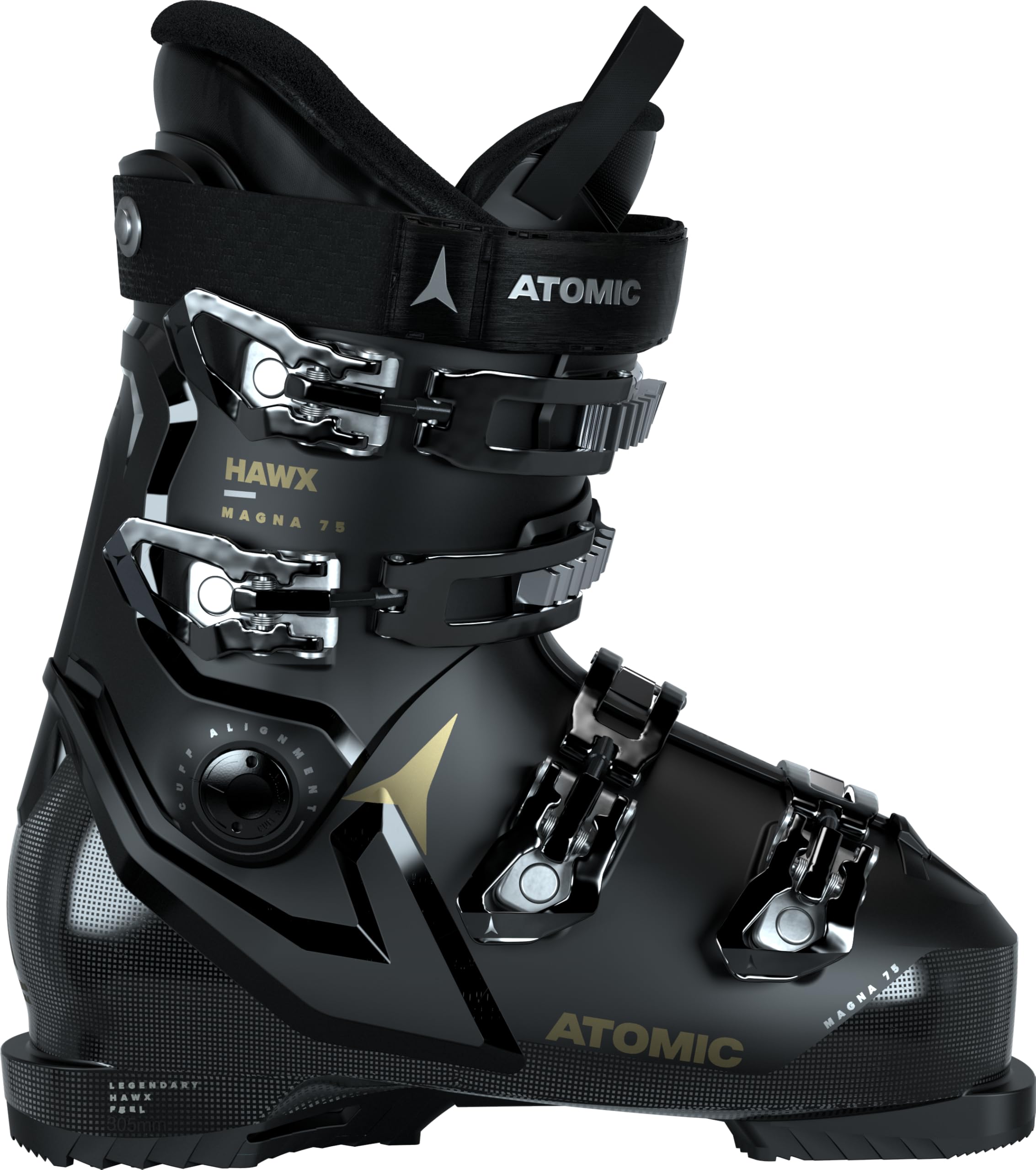

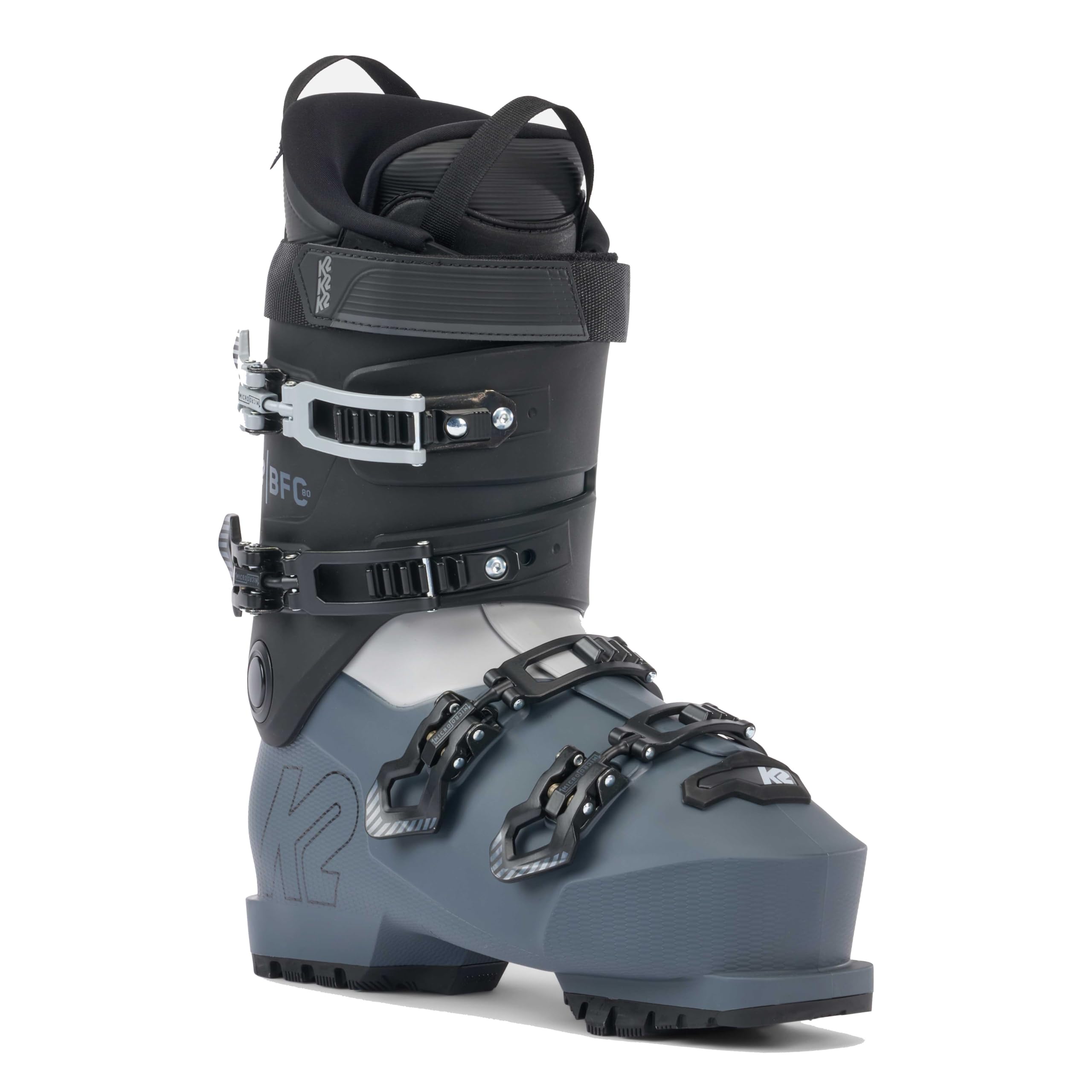


Who Should Buy Affordable Ski Boots?
Match the boot to your days on snow and your stage of learning. A kind boot in lessons can feel vague once you ski faster, while a stiff boot slows new skiers down.
First Season Adults Who Ski a Few Days Each Year
You are learning to link turns and want your own clean liner instead of a worn rental pair. Choose a soft flex, a wide comfort last and a warm liner you can tighten without tools. Boots here cost about $200 to $300 and give steady fit from the first run, so you focus on balance rather than sore shins.
Improving Skiers Who Want Control Without Overspending
You ski blue runs with confidence and some groomed black runs, and rentals now feel too soft in a turn. Choose a medium flex near 90 to 100, a closer last and a power strap for firm shin contact. Spending about $250 to $350 buys response on steeper snow, while leaving money for passes and lessons.
Parents Shopping for Kids and Youth Skiers
Children need boots that open wide, close with one or two simple buckles and feel warm during a full lesson. Choose the smallest size that fits the measured foot today, with a soft flex small legs can bend. Kids models often cost under $200, and adjustable sizing that covers two foot sizes helps when growth arrives mid season.
Key Features to Compare
Compare each pair in the same order, starting with flex and fit. Beginner friendly boots favor comfort and control over raw stiffness, and price matters only after fit and binding match are right.
Flex and Forgiveness for Learning and Control
Flex describes how hard you must push to bend the boot forward. Adult beginners do well near 70 to 90, improvers near 90 to 110, and strong experts often choose 120 or more, though brands rate flex with no shared standard. A softer boot forgives balance errors, while a stiffer boot answers edge pressure faster but punishes a back seat stance. Choose the softest flex that still feels supportive indoors, since cold makes shells feel stiffer outdoors.
Last Width, Volume and Overall Fit
The last is the mold shaping the inside of the boot, measured at the forefoot. Comfort lasts run about 102 to 104 mm, medium lasts about 100 mm, and narrow lasts sit near 98 mm or less. Your toes should brush the front standing tall and pull back as you flex. Pain that lasts, numb toes or a lifting heel mean the shape is wrong, so talk with a trained boot fitter or your clinician about ongoing foot pain before skiing again.
Mondopoint Sizing and How to Read the Size Chart
Ski boots use Mondopoint sizing, your foot length in centimeters measured heel to toe. Trace both feet while standing, measure the longer foot and match that number to the size chart, since charts vary a little by brand. Wear one thin ski sock when measuring, because thick socks add false length and hide pressure points. Between sizes, the smaller one suits adults who ski often, while the larger one suits casual skiers who value comfort.
Liner Comfort, Warmth and Room to Adjust
The liner cushions your foot, holds warmth and shapes the fit more than the shell does early on. Basic liners feel plush at once and pack down sooner, while heat moldable liners can be warmed in a shop so foam settles around your ankle and toes. Look for firm padding around the heel, since that pocket stops your foot sliding forward on steep runs. A tongue that stays centered matters, because a shifted tongue creates shin pressure on every turn.
Shell Material, Buckles and Durability
Most value shells use polyurethane or a lighter polyolefin plastic, and both last for years when stored buckled and dry. Polyurethane tends to flex more smoothly in cold weather, while polyolefin keeps price and weight down. Four metal buckles give finer control than two or three, and each should close with firm hand pressure rather than force. Check that spare buckles and straps are sold for the model, because one broken buckle can end a trip.
Soles, Grip and Binding Compatibility
The sole decides which bindings the boot can click into and how safely you walk on snow and ice. Traditional alpine soles follow one flat standard, while GripWalk soles add a curved shape and rubber pads for surer steps in a parking lot. The sole standard must match the binding, so ask a certified ski technician to check the pairing and set release values before your first day. Never assume a boot fits a binding because the toe lug looks similar.
Quick Buyer Checklist for Affordable Ski Boots
Most value models use the standard overlap shell, where two flaps cross the foot and buckles draw them tight. Rear entry designs open at the back and feel easy to put on, yet they hold the heel less firmly, and rental style boots trade precise fit for speed. The best affordable ski boots keep the overlap design, honest flex ratings and a sole standard your bindings accept.
- Did you measure both feet and match the longer one to the size chart?
- Does the flex suit your current level rather than the level you hope for later?
- Do your toes pull back from the front when you flex?
- Does the sole standard on the box match your bindings?
- Can you close every buckle with firm hand pressure alone?
- Does the total cost leave room for socks, fitting help and a bag?
Keep everyday footwear separate from ski gear. Soft winter boots bend at the ankle and cannot release from a ski binding, so they are never a safe stand in. If you need daily wear instead, see our guide to the best affordable boots for walking and work. When your budget grows, see our guide to the best ski boots to compare what extra money buys.
Common Mistakes to Avoid
Each mistake below costs comfort or control that a careful first check would have saved.
- Buying by shoe size alone leaves you in the wrong Mondopoint size and invites heel lift all day.
- Choosing a stiff race style flex as a learner makes turns harder to start and tires your legs early.
- Sizing up for thick socks creates room that lets your foot slide and blister on long runs.
- Ignoring the sole standard can leave you with boots your bindings cannot safely hold.
- Chasing the lowest price without checking buckles leads to loose closures as the liner packs down.
How to Make Your Affordable Ski Boots Last Longer
Dry the liners after every ski day. Pull them out when the model allows, open every buckle and let air move through the shell at room temperature, away from direct heat that can warp plastic and foam. Store boots buckled lightly out of direct sun and extreme heat, since sunlight ages plastic even in a garage.
Check wear before each use. Look at sole pads for smooth spots that reduce grip, test each buckle and strap, and clean grit from toe and heel lugs so the binding grips as designed. Wipe road salt from the shell after travel, and carry boots in a bag so edges do not gouge the plastic.
Ski Boots: Your Questions Answered
Is it worth buying premium ski boots as a beginner?
No, most beginners gain more from a well fitted value boot and extra lessons than from a premium boot. Premium models add stiffness and costly fit options new skiers rarely use well. If you ski more than about 20 days a season, a higher tier boot may hold its fit longer and repay the cost, so spend the savings on a fitting session first.
What size should you choose for affordable ski boots?
Choose the Mondopoint size that matches your longer foot, then confirm it with a shell check in the shop. With the liner removed and your toes touching the front, a fitter looks for about one finger of space behind your heel. Try boots late in the day when feet are slightly larger, and flex hard three times before judging toe room.
How long do affordable ski boots usually last?
Affordable ski boots usually last about 80 to 120 days of skiing before the liner packs down and the fit feels loose. The shell often remains sound after the liner fades, so new footbeds or a fresh liner can extend use. Replace them sooner if cracks appear near buckles, or if sole wear stops the binding holding the boot as tested.
Should parents size up affordable ski boots for growing children?
No, parents should not size up by more than the next Mondopoint step for growing children. Extra length lets a small foot slide, dulling steering and raising the chance of a fall. An adjustable kids model or a seasonal lease from a local shop keeps the fit close as feet grow. Trade in programs can also cut the cost of the next size.
The Bottom Line
Start with fit, then flex, then sole compatibility, and let price rank what remains. A value boot that matches your foot and bindings skis better than a costly boot in the wrong last. Use the product table above to compare sizes, flex ratings and sole types side by side.
When you choose best affordable ski boots with that order in mind, you protect your budget and your days on snow. Pick the pair you can flex, close and walk in with confidence.


