
Best Affordable Sandals: Types Compared and How to Choose for 2026
Disclosure: We may earn a commission when you buy through links on this page, at no extra cost to you. As an Amazon Associate I earn from qualifying purchases. Learn more

Compare sandal types and choose the best affordable sandals for walking, travel, and daily wear with clear guidance on fit, support, and budget.
Sandals look simple, which is exactly why choosing a pair can feel confusing. A flat slide, a strapped sport sandal, and a cushioned walking sandal all cost similar money, yet they behave very differently after two hours on your feet. This guide compares the main types so you can pick best affordable sandals that match how you will actually wear them.
Start with the comparison table below for a quick view of styles and prices. Then read the type comparison and fit guidance, because the right category matters more than small differences in color, strap padding, or brand styling.

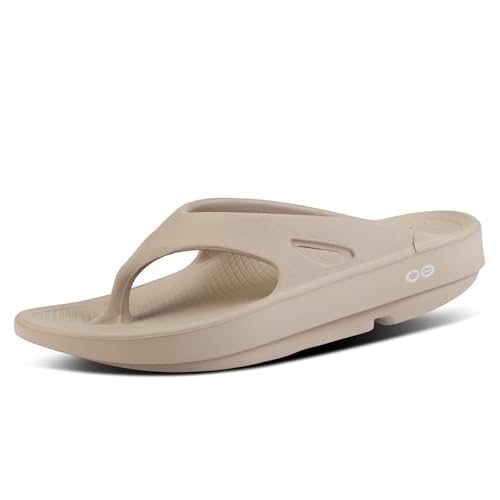

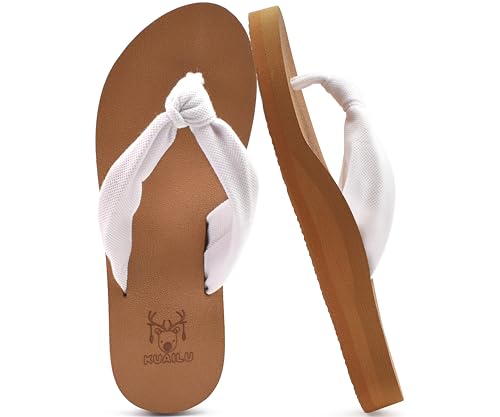


Types of Sandals Compared
Most affordable sandals fall into four families. Sport strap sandals secure the foot for walking and light trails. Cushioned everyday sandals favor comfort for errands and standing. Lightweight slides and flip flops pack small and slip on fast. Water friendly sandals drain and dry quickly for the beach, pool, and wet trails. Each family trades support, security, and weight in a different way.
Sport Strap Sandals
Sport strap sandals use two or three adjustable straps and a firmer sole with real tread. Your heel stays in place, your toes can spread, and the sole grips wet pavement and dirt paths better than a flat slide. They are the strongest choice for travel days, sightseeing, and dog walks. The trade off is looks and weight. They read casual, weigh more than slides, and straps can rub until they soften. Expect to pay around $35 to $70 for a pair with a molded footbed and straps that hold their adjustment.
Cushioned Everyday Sandals
Cushioned everyday sandals use a thicker, softer midsole and a shaped footbed that supports the arch. They suit errands, casual work settings that allow sandals, and long days on hard floors or sidewalks. The soft foam absorbs impact well, but very soft soles wear down faster and can feel unstable on uneven ground. Look for a footbed with a defined arch and a heel cup rather than a flat slab of foam. Prices around $30 to $60 usually buy noticeably better cushioning than the cheapest pairs.
Lightweight Slides and Flip Flops
Slides and flip flops are the lightest and cheapest family, often around $15 to $35. They are ideal for the pool, the beach bag, short trips outside, and as a second pair on trips. Their weakness is security. With little or no heel hold, your toes grip to keep them on, which tires feet and makes long walks uncomfortable. A toe post style can also irritate skin between the toes. Buy these for convenience, not distance, and choose a textured footbed so wet feet do not slide around.
Water Friendly Sandals
Water friendly sandals use synthetic straps, drainage paths, and rubber outsoles that keep grip when wet. Many add a closed toe guard, which protects toes on rocky river edges and boat decks. They dry far faster than leather and will not be ruined by salt water or mud, since you can rinse them clean. The compromise is breathability in heat and a firmer feel underfoot. If your summer involves kayaking, beach walks, or splash parks with kids, this family earns its place over prettier pairs that water would damage.
Sport Strap Sandals vs Cushioned Sandals: Which Should You Choose?
Choose sport strap sandals when security matters. They win on grip, heel hold, and uneven ground, and their straps adjust for swelling on hot days. Choose cushioned sandals when comfort on flat ground matters most. They win on softness, simple styling, and easy on and off wear around town. For walking distance over about two miles, the strap design usually causes fewer hot spots because the foot does not slide. For mostly standing and short walks, deep cushioning feels better. Many people end up owning one of each, and our guide to the best affordable walking sandals goes deeper on distance comfort.
How to Choose the Right Sandal
Water Resistance and Membranes
You do not need a membrane in a sandal the way you might in a boot. What matters is material. Leather looks smart but darkens, stiffens, and can crack if it soaks often and dries fast in heat. Synthetic straps, neoprene padding, and rubber soles shrug off water with no damage. If you will wade, fish, or walk wet trails, pick synthetic and rinse off salt and grit the same day. If your wear is dry and urban, leather or fabric straps will feel softer and look better with casual clothes.
Durability and Expected Lifespan
Outsole rubber is the best lifespan clue. A sole with real tread depth and a slightly firm feel will outlast a soft foam sole that doubles as the walking surface. Check strap anchors, because straps that are stitched or anchored through the footbed survive longer than straps glued to the side. With daily summer wear, an affordable pair often lasts one to two full seasons. Rotating two pairs extends life, since foam recovers shape between wears and damp straps dry fully instead of staying soft and weak.
Cushioning and Support
Good support in a sandal comes from the shape of the footbed, not just thickness. Look for a raised arch, a heel cup, and a slight rise from heel to toe that feels natural when you stand. People with flat feet or sore arches usually do better with that molded shape than with flat foam. If you have foot pain that persists, sharp heel pain in the morning, or numbness, talk with a clinician or a qualified shoe fitter about your personal needs rather than relying on any sandal to fix it. For trail leaning options, see our guide to the best affordable hiking sandals.
What You Can Realistically Get on a Budget
Around $25 to $45 buys sound basics: a molded footbed, adjustable straps, and a rubber outsole on most styles. Around $45 to $75 adds better strap padding, stronger tread, and foam that keeps its bounce longer. What budget pairs rarely offer is replaceable parts or premium leather. Do not save by accepting a sole with no tread or straps with no adjustment. Those two cuts cause most returns. Spending a little more on fit and grip beats spending on decorative details every time.
Fit, Sizing, and Toe Box
Try sandals late in the day, when feet are at their largest, and stand fully on them. Your heel should sit inside the heel cup with a small margin at the back, and your toes should not hang over the front edge. A roomy toe area matters more in closed toe styles, where toes need space to spread on descents. Walk on a hard floor, not just carpet, and check that straps hold without being cranked tight. If you fall between sizes, most walking styles fit better sized up, with straps taking up the extra room.
Choosing Sandals for Your Situation
Best Affordable Sandals for Men: Which Type Works Best
For men, width and strap strength are the deciding details. Many men need a wider footbed and straps long enough to close without reaching their limit. Sport strap styles usually serve men best for walking and travel, while cushioned slides work for casual wear. Check the weight rating of very light foam styles if you are a heavier wearer, since soft soles compress faster under more load.
Best Affordable Sandals for Walking
For longer walks, insist on three things: a heel strap or secure heel hold, a molded footbed with arch shape, and an outsole with tread. Those features keep the foot from sliding, which is the main cause of blisters and tired calves on longer walks. Women comparing dedicated options can see our guide to the best affordable walking sandals for women for fit notes on narrower heels and strap placement.
Setup and Care Tips
Break in new sandals at home for short periods before a trip or a long walk, and adjust straps evenly so no single strap carries all the pressure. Air dry wet sandals away from direct heat, which can warp foam and crack leather. Rinse grit out of strap anchors after beach use, because trapped sand acts like sandpaper on stitching and skin. Store sandals flat rather than crushed in a bag. If you want a sense of how styles compare across price bands, our guide to the best rated sandals shows what higher prices usually add.
Sandals: Your Questions Answered
Are expensive sandals worth it?
Sometimes, but only when the extra money buys better materials rather than fashion. Above around $75 you may gain denser foam, stronger strap anchors, and leather that ages well. Those gains matter for daily wear and travel. For occasional beach use, a basic pair does the same job. A useful test is cost per wear. A pair worn all summer can justify more spend than a pair bought for one trip.
Do I need water resistant sandals?
You need water friendly sandals only if your feet will actually get wet often. For beach, boating, and wet trails, synthetic straps and drainage are worth it. For dry city wear, standard materials feel softer and breathe better. One middle path is a sport sandal with synthetic webbing. It handles a sudden storm or a splash without damage, yet still looks tidy enough for casual meals out.
Can I wear sandals all day?
Yes, if the sandal has arch shape, cushioning, and a secure heel. Flat flip flops are the exception, since the gripping action tires feet over hours. Build up wear time over a few days so your feet and the straps adjust to each other. If your job involves standing on concrete all day, alternate sandals with closed shoes during the week. That rotation also lets foam recover, so support feels consistent.
How should sandals fit?
Sandals should fit with the heel inside the cup, toes clear of the front edge, and straps snug without pinching. Your foot should not slide forward when you walk downhill or on a slope. Leave a small space, about the width of a fingertip, at the front. Try both feet, because one is usually larger. Fit to the larger foot and use strap adjustment to fine tune the smaller one.
How long is the break in period for sandals?
Most synthetic sport and cushioned sandals need only a few short wears, often two to four outings, before straps soften and the footbed shapes to your foot. Leather styles can take one to two weeks of gradual wear. Speed the process by wearing them at home with socks for short periods. Stop and adjust at the first hot spot. A blister means the fit or strap tension is wrong, not that you should push through.
How often should I replace my sandals?
Replace sandals when the tread is smooth, the midsole stays compressed, or straps stretch so much they no longer hold adjustment. For a daily worn pair that is often after one to two summers. Check the heel area, since uneven wear there changes how your foot lands. If the footbed has taken a deep print of your foot and feels flat rather than springy, support is largely gone even if the sandal still looks presentable.
Final Thoughts
Match the type to your use first, then insist on a shaped footbed, real tread, and straps that adjust. Those three points decide comfort far more than color or brand. Compare the options in the product table above against them, and the best affordable sandals for your summer will be easy to spot.


