Best Affordable Rugs Online: The Buyer Checklist We Use for 2026
Disclosure: We may earn a commission when you buy through links on this page, at no extra cost to you. As an Amazon Associate I earn from qualifying purchases. Learn more
Shop for the best affordable rugs online with a practical checklist on size, material, pile, padding, color, and care for every room in your home.
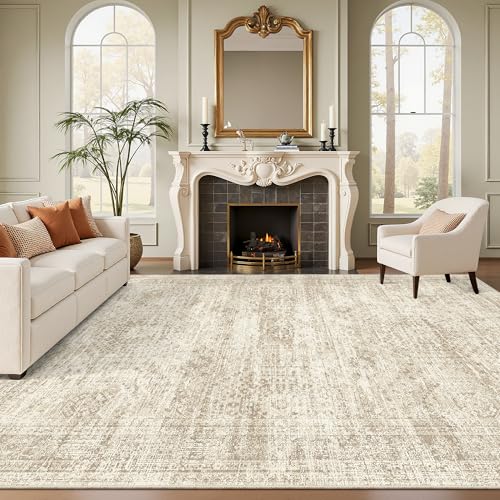
Buying a rug sight unseen feels risky. Photos can make colors look richer, pile look deeper, and a small rug look large enough for a room it will barely cover. This checklist helps you judge best affordable rugs online by the details that decide how a rug looks, feels, and wears once it is on your floor.
Start with the comparison table below for sizes and prices, then check material, pile, and backing against your room and your household. A rug that suits a quiet bedroom may fail fast in a hallway, so match the rug to the traffic it will face.
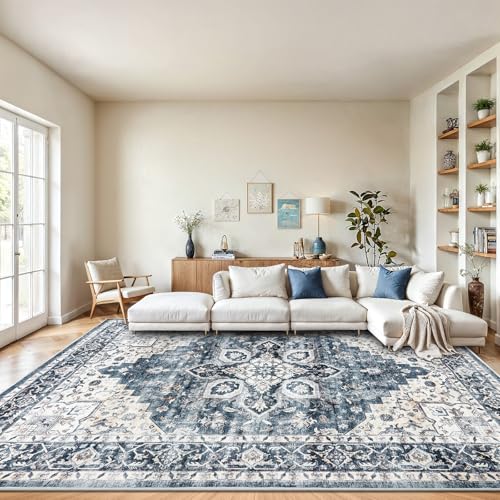
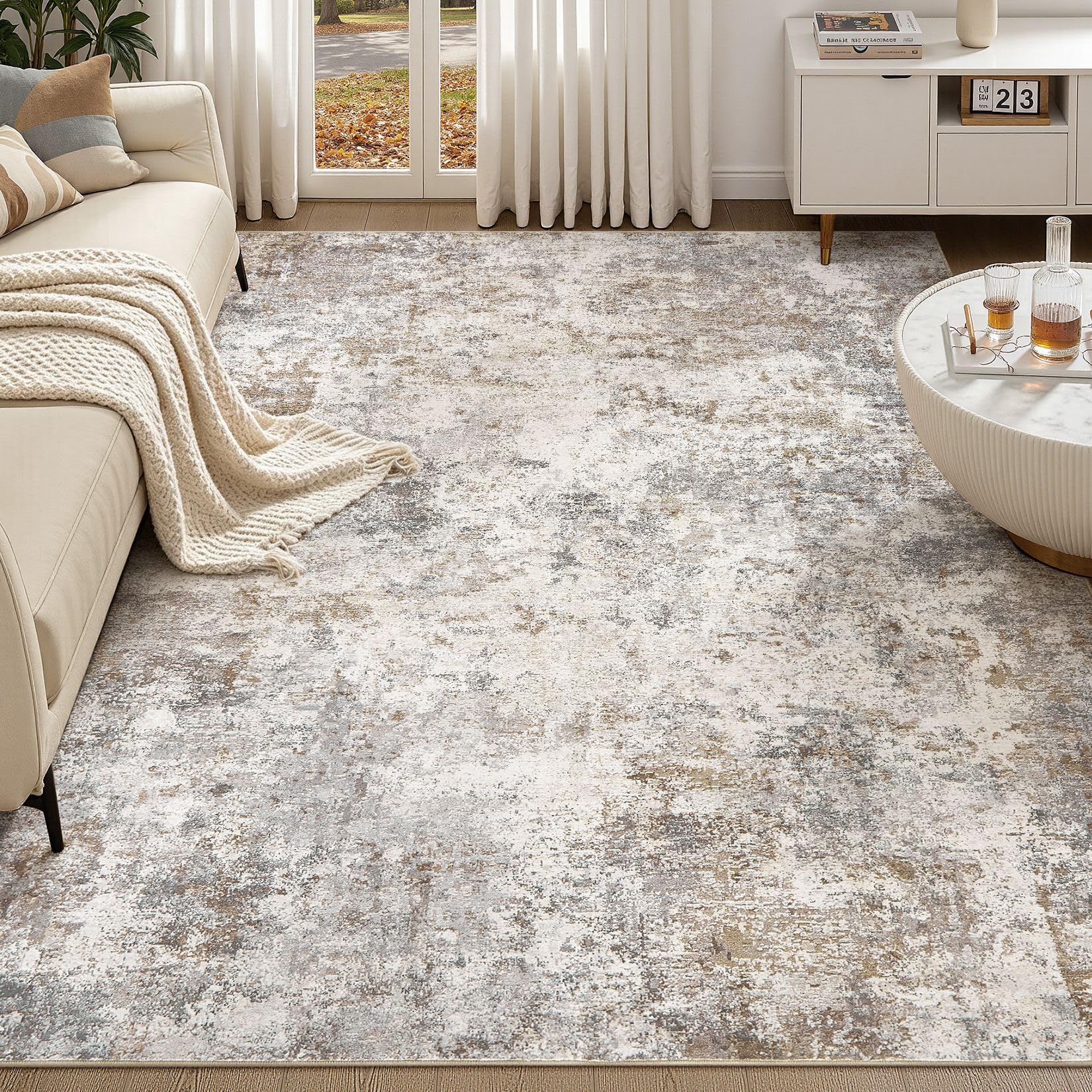
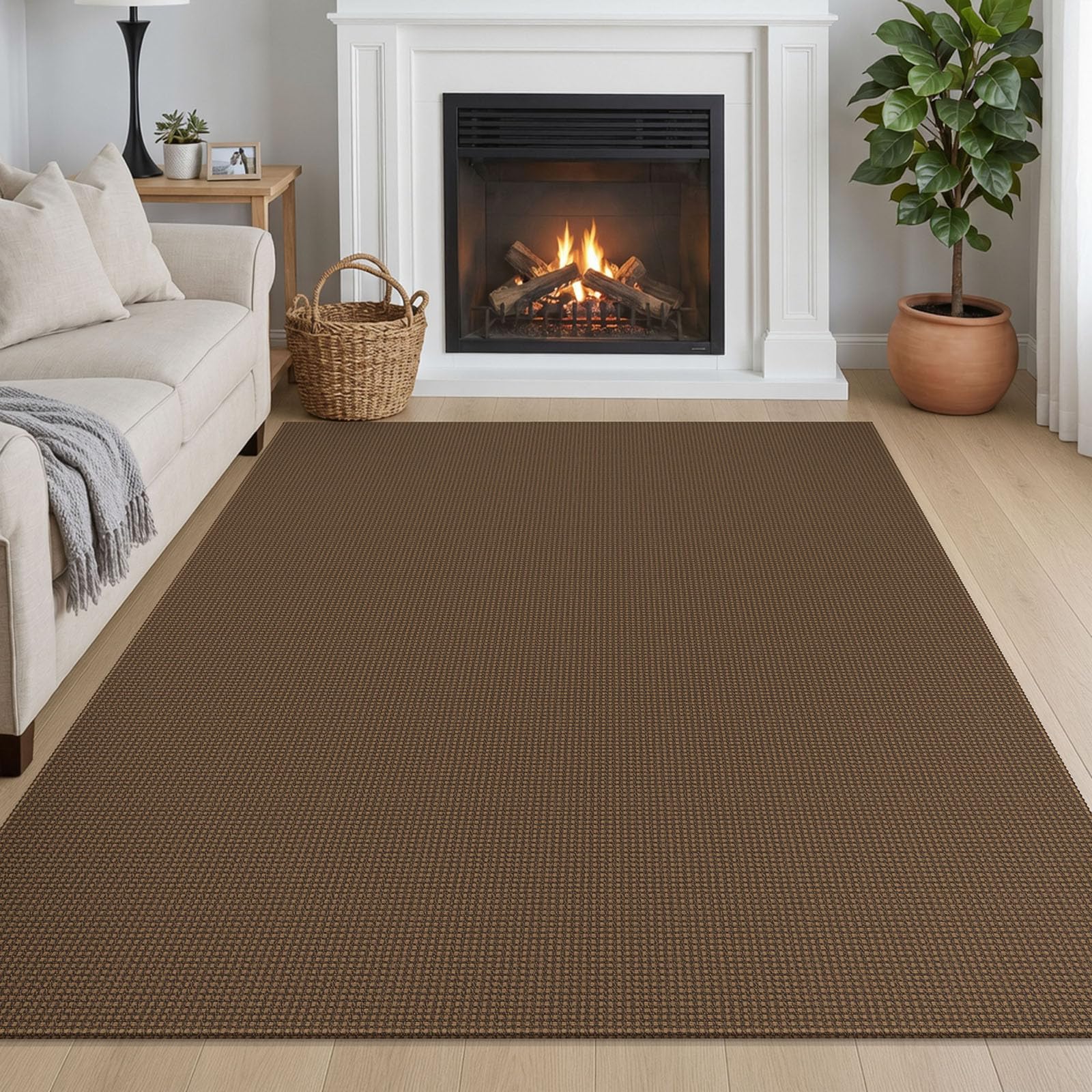
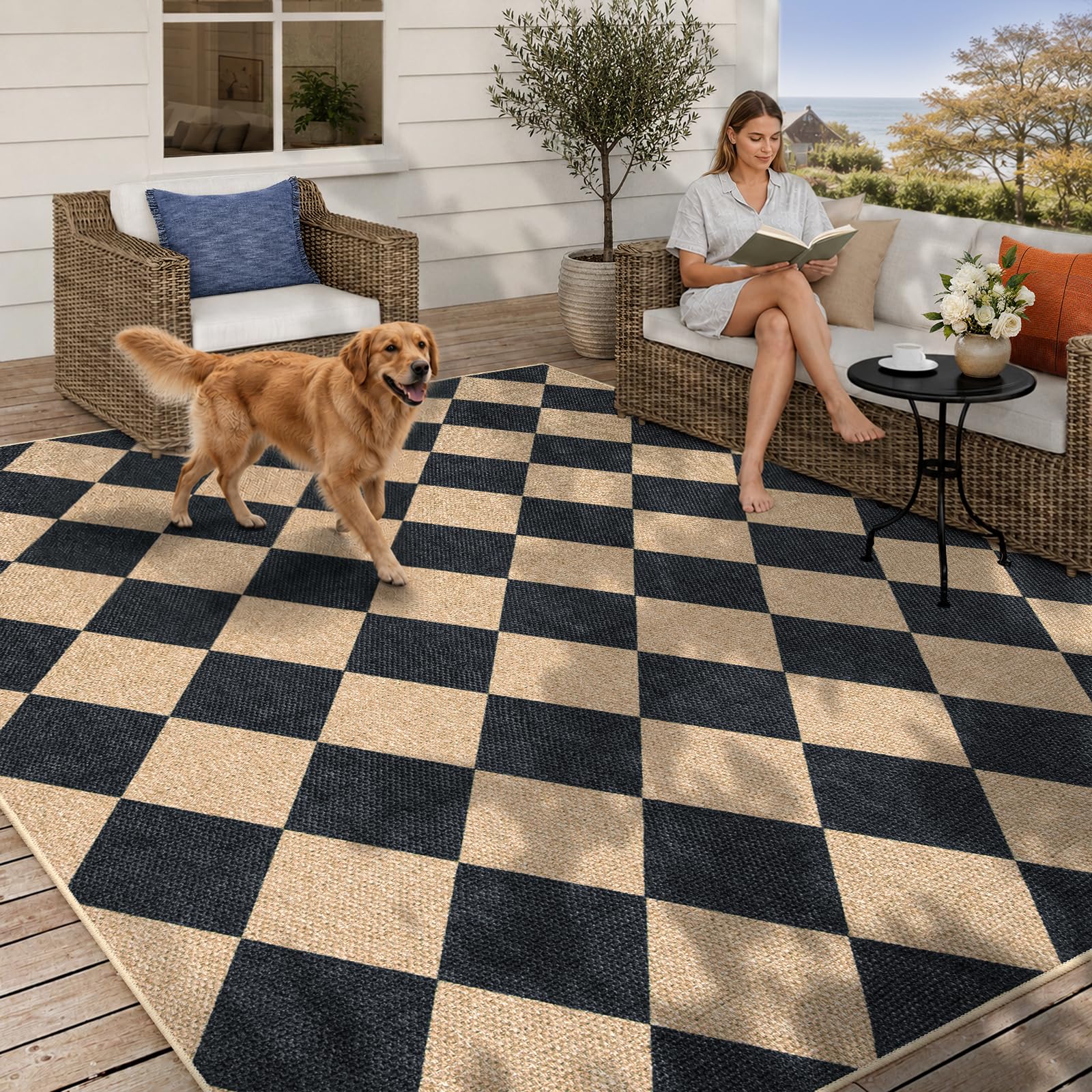


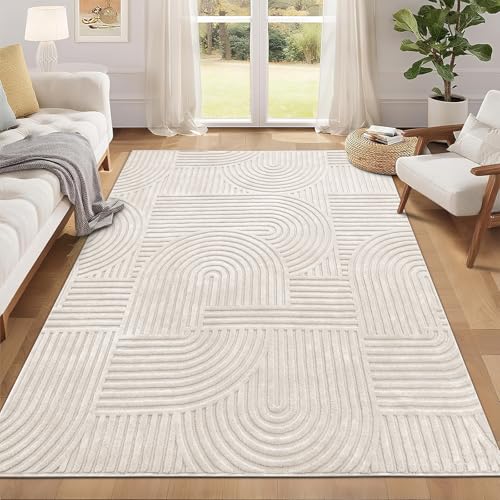
How We Evaluate Rugs
We score rugs on the things online listings often hide. That means fiber type, pile height, backing, true size, and how the rug can be cleaned. A low price only counts as value if the rug lies flat, holds its color, and survives regular vacuuming without shedding heavily or curling at the edges.
What You Can Realistically Get on a Budget
For around $40 to $90 you can expect a decent small to medium rug in synthetic fibers with a low or medium pile. Around $90 to $180 buys larger sizes, denser weave, and better edge finishing. What you usually give up at budget prices is wool, hand woven construction, and thick padding built in. Do not save money by skipping a rug pad. A pad around $20 to $40 protects both the rug and the floor beneath it.
Material and Fiber
Polypropylene is the workhorse of affordable rugs. It resists stains, handles moisture, and suits dining rooms, entries, and homes with pets. Polyester feels softer and shows color vividly, though it can mat in heavy traffic. Wool costs more, lasts well, and resists dirt naturally, but it sheds at first and needs gentler cleaning. Avoid vague listings that say only synthetic blend without naming the fiber, because you cannot predict cleaning or wear from a mystery mix. For a broader view of fiber quality, see our guide to the best quality rugs online before you decide how much fiber matters to you.
Color, Pattern, and Light in Your Room
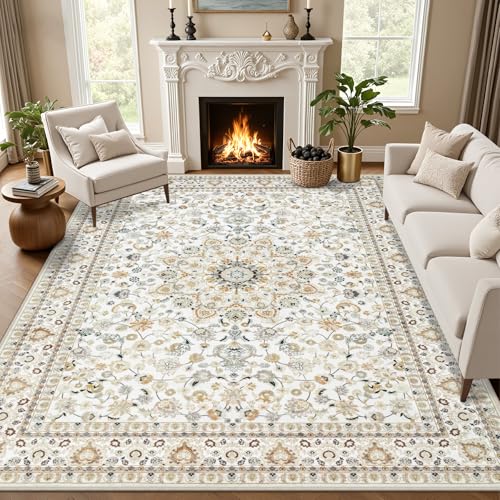
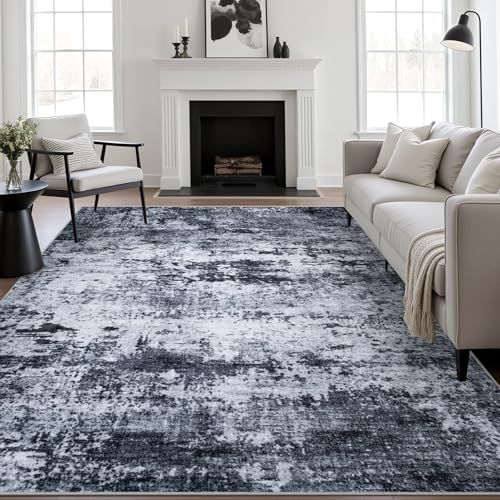
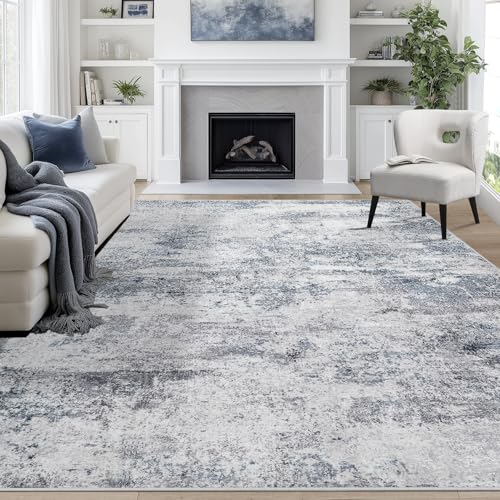
Screen color is a guide, not a guarantee. A rug that looks warm beige on a bright phone screen may read gray in a north facing room. Busy patterns hide crumbs, pet hair, and small stains between cleanings, which makes them forgiving in living rooms. Solid light colors show every mark but make small rooms feel larger. Read buyer photos in listings when available, because room photos reveal true tone and pile texture better than studio shots taken under controlled light.
Size and Fit
Measure before you shop, and tape the outline on the floor if you can. In a living room, the front legs of your sofa and chairs should sit on the rug, which usually means at least an 8 by 10 foot rug for a standard layout. Dining rugs should extend about 24 inches beyond the table on all sides so chairs stay on the rug when pulled out. A rug that is too small is the most common online buying mistake, and return shipping for a large rug can be costly.
Pile Height and How the Room Is Used
Low pile, under about a quarter inch, suits dining rooms, hallways, and doors that need clearance. Medium pile feels softer in living rooms and still vacuums easily. High pile and shag styles feel plush in bedrooms but trap dirt, block doors, and frustrate robot vacuums. Match pile to use rather than looks alone. Homes with wheelchairs, walkers, or strollers should favor low, dense pile that rolls smoothly and does not bunch under wheels or feet.
Backing, Pad, and Staying in Place
A rug that slides is both annoying and unsafe. Jute and latex style backings grip better than smooth plastic style backings, but a separate pad is still the reliable fix. A felt and rubber pad adds cushion, stops slipping, and reduces wear from friction against hard floors. On wood floors, avoid cheap rubber pads with strong dyes that can discolor finishes over time. If you are comparing general options first, our guide to the best affordable rugs explains backing types in more detail.
Durability and Care
Check whether the rug can be spot cleaned only, hosed outdoors, or washed in a machine. Machine washable rugs suit kitchens and homes with young children, though they tend to be thinner and lighter. Dense weave, tidy edge binding, and fibers suited to your traffic level predict a longer life. Read the return policy before ordering, since some sellers charge for return shipping on large items. A clear policy with free or low cost returns lowers the risk of buying online.
Price Tiers That Pass Our Checklist
Use these tiers to judge any rug in the product table above. They describe what each price range should deliver, so you can compare listings from any seller on equal terms.
Best Overall Tier
The overall tier, usually around $100 to $180 for a large living room size, should give you dense polypropylene or a wool blend, clean edge binding, and color that stays true under normal light. It suits main living spaces where the rug anchors the room and takes daily traffic. The main limit is care. These rugs are usually spot clean only, so homes that need frequent washing may prefer a thinner washable style even though it feels less plush underfoot.
Best Value Tier
The value tier, usually around $40 to $90, covers runners, small area rugs, and medium sizes for bedrooms or home offices. Expect synthetic fibers, low to medium pile, and simple patterns. That is enough for many rooms, especially where the rug sits mostly under furniture. When comparing sellers, our guide to the best online store for rugs can help you weigh shipping cost and return terms, which often matter more than a small price gap between listings.
Best Compact Pick Tier
The compact tier focuses on runners, entry rugs, and washable styles for kitchens, usually around $30 to $70. These rugs ship small, store easily, and clean with the least effort. Look for low pile, a grippy backing, and sizes that leave a border of bare floor so doors swing freely. The trade off is presence. A thin compact rug will not give a bedroom the soft, layered feel of a larger plush rug, so buy it for convenience and easy care rather than comfort alone. Shoppers who need a full room size at this budget should see our guide to the best affordable area rugs for sizing advice.
Quick Buyer Checklist
Run through these questions before you place an order. Each no points to a detail worth checking in the listing.
- Have you measured your room and taped the rug outline on the floor?
- Does the listing name the exact fiber, not just a vague blend?
- Is the pile height right for your doors, chairs, and vacuum?
- Do you have a pad that fits, or have you added one to the order?
- Does the cleaning method suit your household and pets?
- Have you checked buyer photos for true color?
- Is the return policy clear, with return shipping costs stated?
- Does the pattern suit how much dirt the room collects between cleanings?
Red Flags to Watch For
Be cautious with listings that hide the fiber content or give size in rounded terms without exact dimensions. Stock photos with no room shots, no close view of the edge or backing, and no care instructions are another warning sign. Very heavy shedding reported after months of use suggests loose, short fibers. Watch for prices that look low because the listed size is a small sample or runner while the photo shows a large room rug. Finally, check the delivery format. A large rug folded for shipping can hold creases for weeks, while a rolled rug usually relaxes within a few days.
How to Make Your Rug Last Longer
Vacuum regularly with the brush roll turned off or raised if the maker advises it, because aggressive beating wears fibers and edges. Rotate the rug every few months so sunlight and foot traffic spread evenly, and blot spills at once rather than rubbing them deeper. Use a pad from day one to cut friction wear. For a washable rug, wash it cold, dry it flat or on low heat as directed, and let it dry fully before replacing it so moisture does not reach the floor. More sizing and care guidance appears in our guide to the best area rugs online.
FAQs
How do I choose the right rug size for a living room?
Choose a size that lets at least the front legs of all seating rest on the rug. For most living rooms that means an 8 by 10 foot rug or larger. Leave a border of bare floor, often about 12 to 18 inches, between the rug edge and the walls. A helpful trick is to lay painter tape at the corners for a day and live with the outline before ordering.
How do I wash rugs safely?
Follow the care label first, because safe washing depends on fiber and backing. Many synthetic low pile rugs can be spot cleaned with mild detergent and cold water, and some thin styles can go in a large machine on a gentle cycle. Wool needs cooler water and no harsh cleaners. Always test a hidden corner for color loss, and dry the rug fully on both sides before putting it back.
How often should I replace my rug?
Replace a rug when the pile stays flat after cleaning, edges curl despite a pad, or backing crumbles and sheds dust. A budget synthetic rug in a busy hallway may last about two to three years, while a denser rug in a bedroom can last much longer. Fading alone is a style choice, but a rug that slips, bunches, or smells after cleaning has reached the end of its useful life.
Are washable rugs worth it?
Washable rugs are worth it where spills are frequent, such as kitchens, dining areas, and homes with toddlers or older pets. The benefit is real convenience, since you can clean the whole rug rather than blotting stains. The cost is feel. Most washable rugs are thin and need a pad for comfort and grip. In a formal living room where spills are rare, a denser standard rug usually looks and feels better for the same money.
What rug material is best with pets?
Low pile polypropylene is usually best with pets. It resists stains, releases hair during vacuuming, and tolerates the occasional accident clean up better than wool or shag. Avoid loop pile if your pet has claws that can snag and pull loops loose. A busy pattern in a mid tone hides hair between cleanings, and a waterproof pad underneath protects the floor if liquid soaks through before you notice it.
The Bottom Line
Measure carefully, name the fiber before you buy, and match pile to the room and its traffic. Add a good pad, and confirm the return terms before ordering a large size. Judged that way, the best affordable rugs online in the product table above can anchor a room well without a showroom price.