Best Affordable Riding Mowers: What Actually Matters Before You Buy in 2026
Disclosure: We may earn a commission when you buy through links on this page, at no extra cost to you. As an Amazon Associate I earn from qualifying purchases. Learn more
Compare the best affordable riding mowers by deck size, power source, and total running cost, with a buyer checklist, price bands, and red flags.
Affordable riding mowers look similar on a store page, yet the ownership experience differs a lot once you add belts, blades, fuel, and repairs. This guide uses a simple checklist approach: it shows which specs change your weekly mowing and where saving money now costs more later. If you are comparing best affordable riding mowers for a yard of about half an acre to two acres, start with the criteria below.
The checklist matters more than any single feature, because budget machines trade strengths against each other: one model offers a wider deck but a basic transmission, while another offers a stronger frame and a narrower cut. Use the comparison table below to shortlist two or three machines, then run each one through the points in this guide. For the wider category view first, see our overview of the best riding mowers.

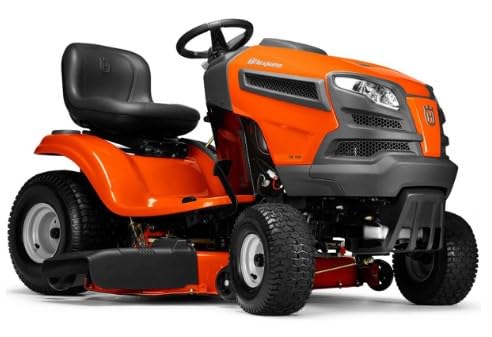

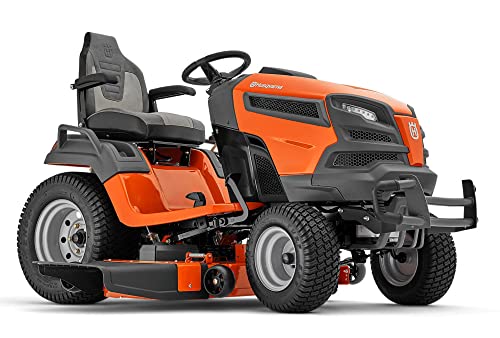
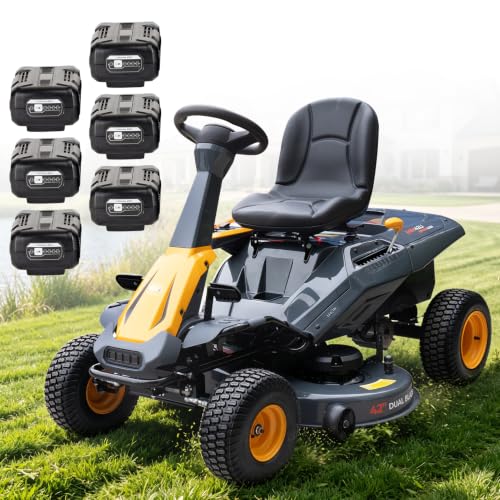
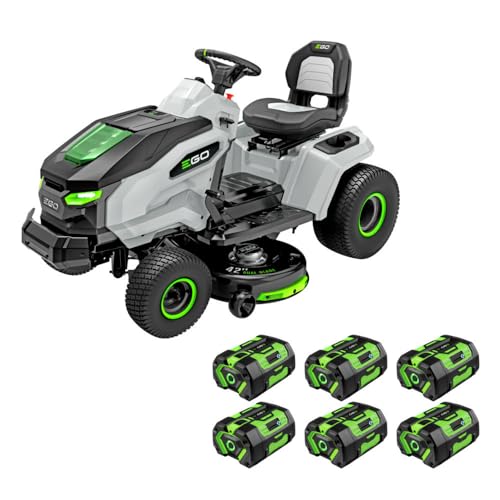
Key Features to Compare on a Budget
The Whole Cost Is More Than the Sticker Price
The purchase price is only the first part of what an affordable riding mower costs you. A realistic whole cost includes a blade set at about $30 to $60, a drive belt at about $25 to $60, an engine battery at about $80 to $150, plus fuel and oil each season. On battery models, a replacement pack can run about $300 to $600, so ask about pack pricing first. A mower that costs slightly more but uses common, cheap parts usually wins over several seasons.
Deck Width Decides How Many Passes You Make
Deck width governs how many passes you need to finish the lawn, and passes govern your time in the seat. A 42 inch deck suits most yards up to about one acre, while a 46 to 50 inch deck cuts one to two acre yards noticeably faster. Going wider than your gates allow is a classic mistake, because the mower then lives outside or cannot reach the back yard. Measure your narrowest gate first, then pick the widest deck that still fits through it.
Power Source: Gas, Battery, or Electric
Gas engines remain the default here because they refuel in minutes and handle long sessions on rougher grass. Battery models trade that freedom for quiet running, no oil changes, and far fewer parts to service, but runtime per charge of about 60 to 90 minutes caps the yard size they suit.
Corded electric does not exist here, so the real choice is gas against battery. If your yard is flat and under one acre, the range of best electric riding mowers deserves a close look before you commit to gas.Slopes and Terrain: Respect the 15 Degree Line
Most affordable riding mowers are rated for slopes up to about 15 degrees, and that limit is a safety line, not a suggestion. Tractors with a high center of gravity feel unstable sooner, so mow slopes up and down rather than across where the manual allows. Zero turn machines lose traction quickly on hills, which is why guides to the best zero turn riding mowers aim them at flat ground. If your yard has a bank steeper than about 15 degrees, plan to trim it with a walk behind mower instead.
Cutting Height Adjustment
Look for at least five or six cutting height positions covering roughly 1.5 to 4 inches, because grass type and season change what you need. A single lever that lifts the whole deck beats separate levers at each wheel, and you will adjust more often when it is easy.
A deck that lifts high also clears roots, stones, and trailer ramps without scraping. Avoid models where changing height means reaching under the deck near the blades.Deck Material and Build Quality
Stamped steel decks dominate the affordable class and are fine for flat, clean lawns, though they flex more and rust sooner outdoors. Fabricated decks use thicker welded steel and resist stumps and rocks better, but they mostly appear at the top of this budget. A cast iron front axle and a steel frame that does not twist when you rock the machine are good signs at any price.
Drive Type and Turning Style
Most budget riders use either a geared transmission or a simple hydrostatic drive, and hydrostatic is worth paying for in obstacle filled yards because speed control is smoother. Lawn tractors steer with a front axle and suit open yards, while tight turning models save time around trees and beds. If your property mixes lawn with light towing or a sloped drive, compare the tractor style machines in our guide to the best riding tractor mowers.
Mulch, Bag, or Side Discharge
Many affordable riders are sold as three way machines that can mulch, bag, or discharge from the side, but the bagging kit is often an extra purchase of about $250 to $400. Mulching returns finely cut clippings to the lawn and struggles in long or wet grass, while bagging gives the cleanest finish for yards with trees and play areas. Side discharge handles overgrown patches best. Decide which mode you will use weekly, then make sure that mode is included in the price you are comparing.
Three Price Bands and What Each One Buys
Shoppers comparing the best affordable riding lawn mowers usually land in one of three bands, and the bands below describe classes of machine rather than specific models.
Entry Band: About $1,400 to $2,000
Expect a 42 inch stamped deck, a geared or basic hydrostatic drive, and a seat with minimal padding. These machines suit flat yards up to about one acre and owners who accept slower speeds. Parts are widely available, which keeps the whole cost low.
Middle Band: About $2,000 to $2,800
This is where most buyers should aim. Decks grow to 46 or 50 inches, hydrostatic drives become standard, and better seats and headlights appear. For one to two acre yards, the weekly time saved repays the step up within a couple of seasons.
Upper Affordable Band: About $2,800 to $3,600
At the top of the affordable range you find stronger transmissions, better seats, and sometimes a fabricated deck.
These machines suit two acre yards, rougher ground, and owners who plan to keep the mower for a decade. Beyond this band, you are paying for commercial features most home yards never use.Quick Buyer Checklist
- Does the deck width fit through your narrowest gate and door?
- Is your steepest slope at or below about 15 degrees?
- Have you priced the blades, belt, and battery as running costs?
- Does the cutting height range cover about 1.5 to 4 inches?
- Is the discharge mode you need included, or sold as a kit?
- Can you store the mower under cover?
- Is a service dealer available near you?
Red Flags to Watch For
- No stated slope limit. A listing that never mentions slopes hides a light duty frame or weak traction.
- Vague transmission wording. If the drive type is not named clearly, expect the cheapest geared unit.
- Very short warranty. A warranty under two years on the frame signals low confidence from the maker.
- Bagging kit priced as a surprise. Ads that show a bagger fitted but price the mower without it distort comparisons.
- No parts support. A cheap mower you cannot get a belt for is not cheap for long.
How to Make Your Riding Mower Last Longer
Sharpen the blades at least once each season, and only ever touch a blade with the engine off, the key out, and the spark plug lead removed. Never cut more than one third of the grass height in a single pass, because scalping stresses both the lawn and the engine. Clean grass buildup from under the deck after wet mowing. Store batteries indoors over winter, keep tires at the pressure printed on the sidewall, and change the oil on the schedule in the manual.
Frequently Asked Questions
What size riding mower do I need for my yard?
A 42 inch deck is the right size for most yards up to about one acre, and a 46 to 50 inch deck suits one to two acres. Measure your storage space too, because a wider mower that lives outdoors will age fast. A yard full of trees also rewards a smaller, nimbler machine, since turning and trimming eat more time than the straight passes.
Are battery riding mowers as good as gas riding mowers?
Battery riding mowers are as good as gas for flat yards up to about one acre, and they win on noise, starting, and routine servicing. The honest limit is runtime: most affordable battery riders cut for about 60 to 90 minutes per charge, while a gas tank simply refills. Battery models also age with their packs, so a machine that feels equal in year one may lose range by year five. Match the choice to yard size first.
How long does a riding mower last?
A well kept affordable riding mower lasts about 1,000 to 1,500 engine hours, which works out to roughly 10 to 15 seasons of home use. The hour meter, where fitted, is a better guide than age when you buy used. Transmissions usually set the real limit, since a worn hydrostatic drive often costs more than the mower is worth. Oil changes and covered storage are what make the difference.
Is a zero turn mower worth it for one acre?
A zero turn mower is worth it for one acre only when the yard is flat and full of obstacles such as trees, beds, and play equipment. The time saving comes from turning, not from cutting speed, so an open rectangular acre gains little. Zero turn machines also handle slopes poorly and cost more to repair. For a simple flat acre, a decent lawn tractor delivers the same finish for less money.
How often should I sharpen riding mower blades?
Sharpen riding mower blades at least once a season, and twice if you mow sandy soil or pick up sticks and stones often. The clearest sign is the grass itself: torn tips that turn brown within a day or two mean the blade is ripping rather than cutting. Check the edge after any strike on a rock or root, since a bent blade vibrates and can damage the deck bearings.
Final Thoughts
Start with the whole cost, pick a deck width that matches your gates and acreage, and respect the 15 degree slope line. Do that, and the best affordable riding mowers in your price band narrow down to a couple of honest options. Compare those finalists in the product table above before you order, and you will have a machine that still starts easily many seasons from now.