
Best Affordable Record Player with Speakers for 2026: A First Time Buyer Guide
Disclosure: We may earn a commission when you buy through links on this page, at no extra cost to you. As an Amazon Associate I earn from qualifying purchases. Learn more
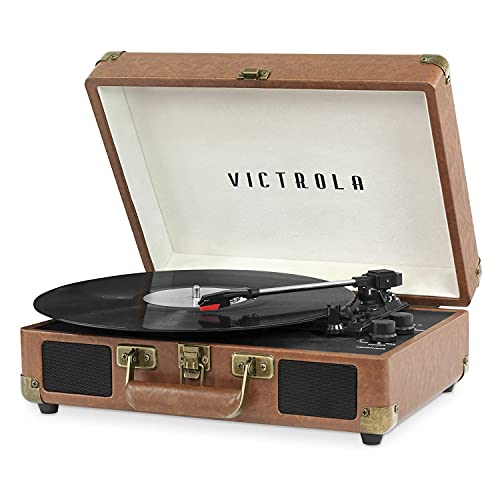
First time buyers: how to choose the best affordable record player with speakers, from the phono stage to stylus care and room placement.
A best affordable record player with speakers is a good starting point if you want to play vinyl without buying a separate amplifier and speaker set. Everything you need sits in one box, so setup is simple and the total cost stays low. Check the product table to see the picks, then read on for the details that affect sound and ease of use.
This guide walks through the basics first, then explains the specs that actually matter at a budget price. You will also learn the mistakes first time buyers make most often, and how to get set up and keep your records in good shape.

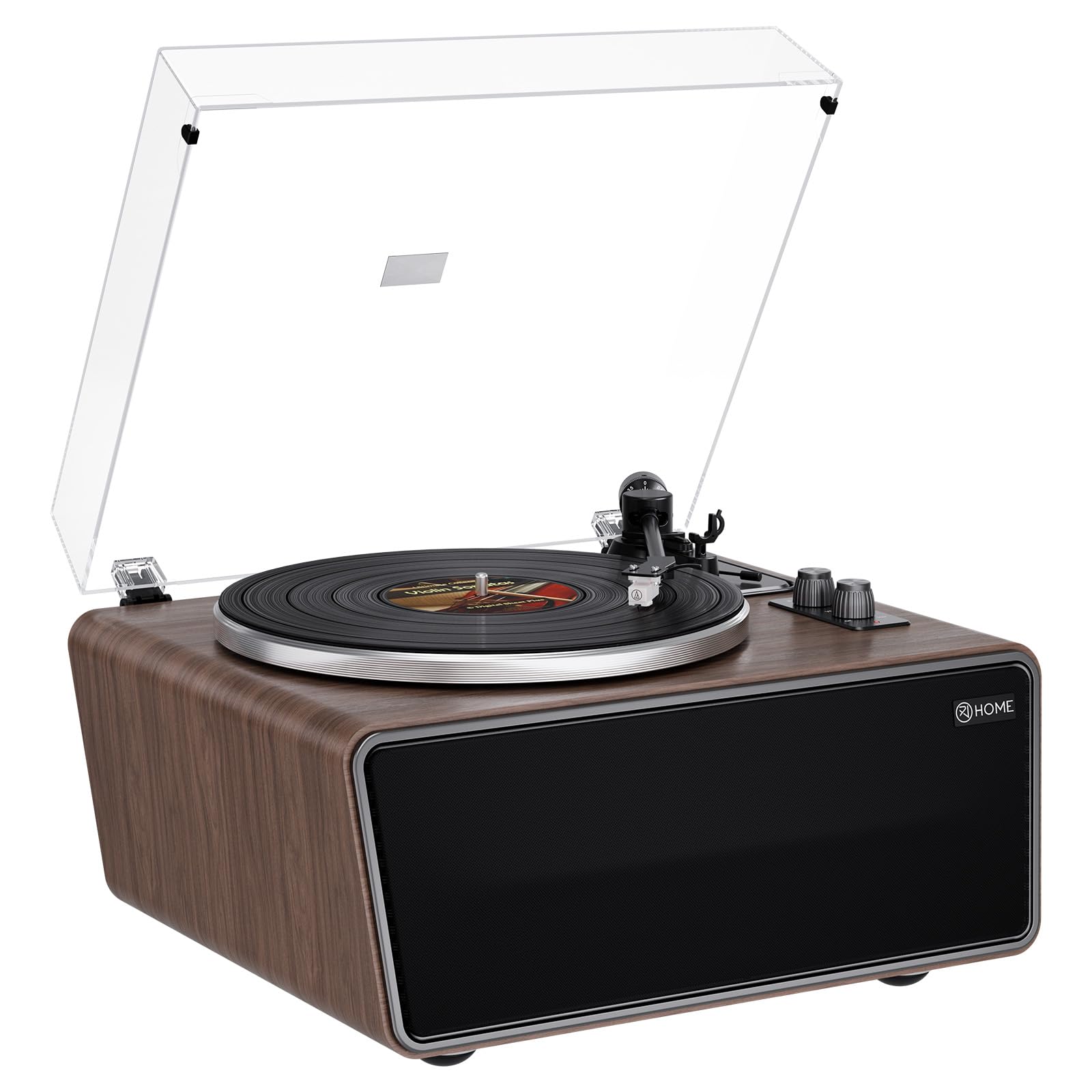
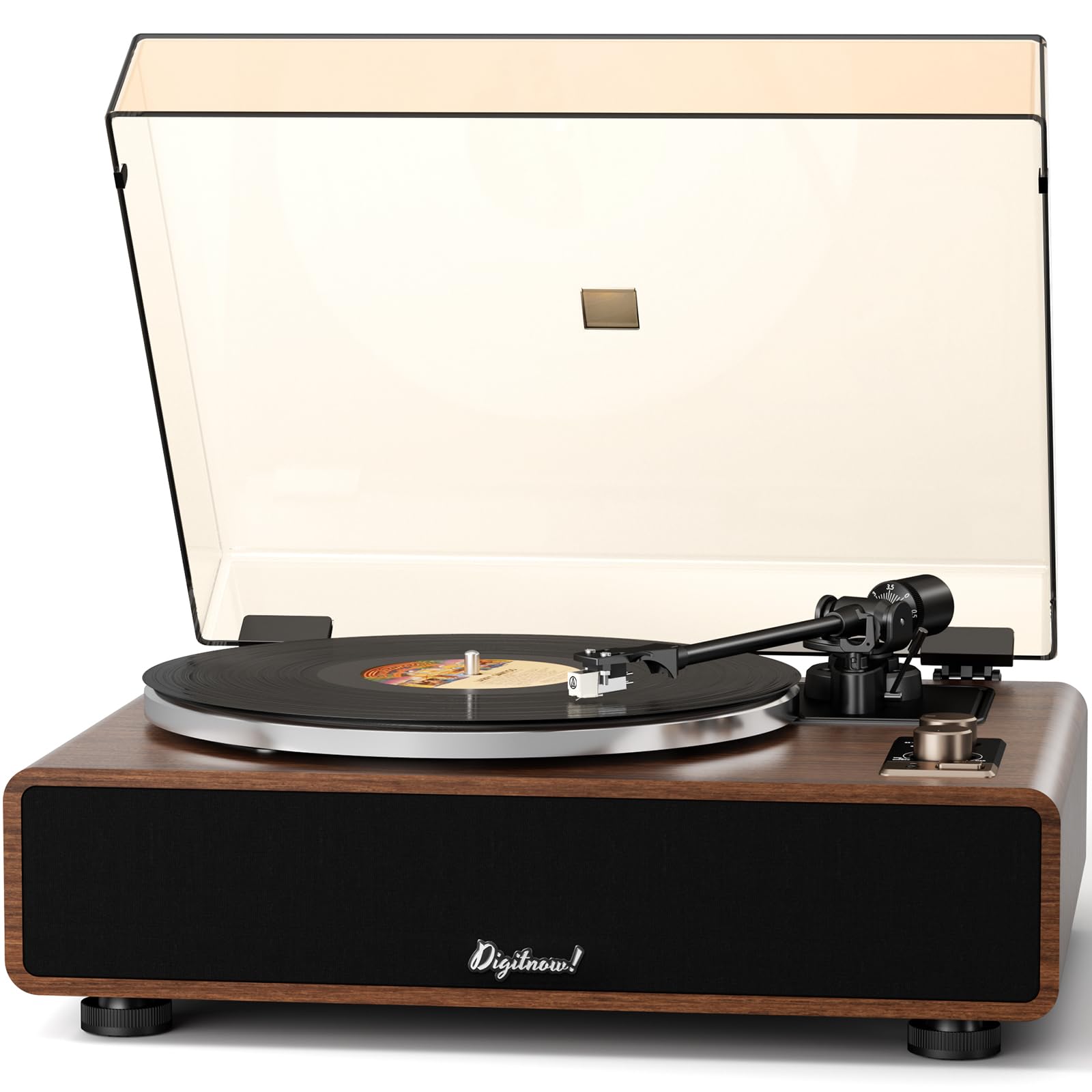
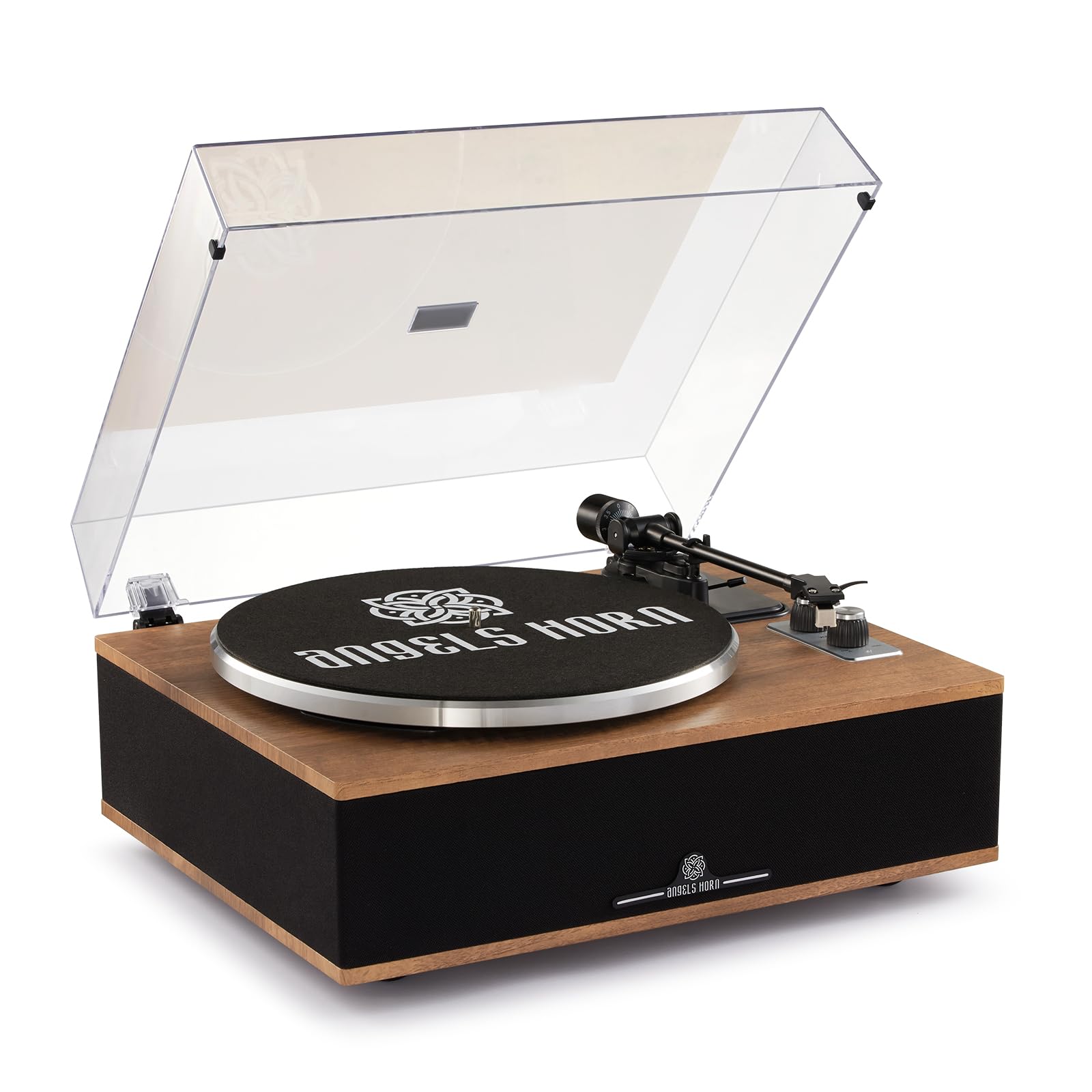
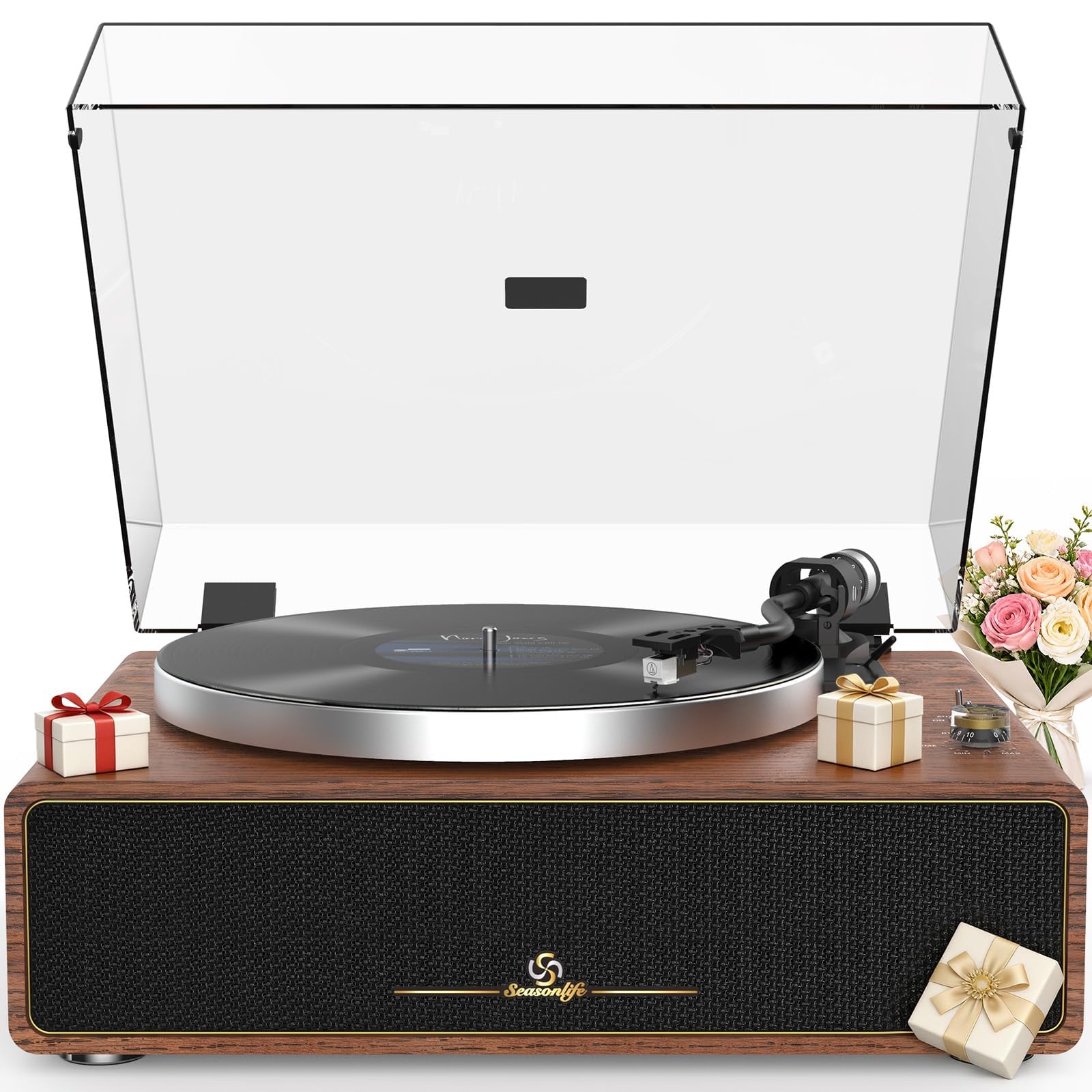
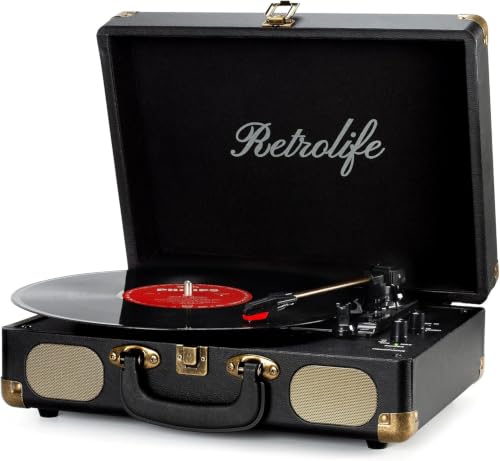
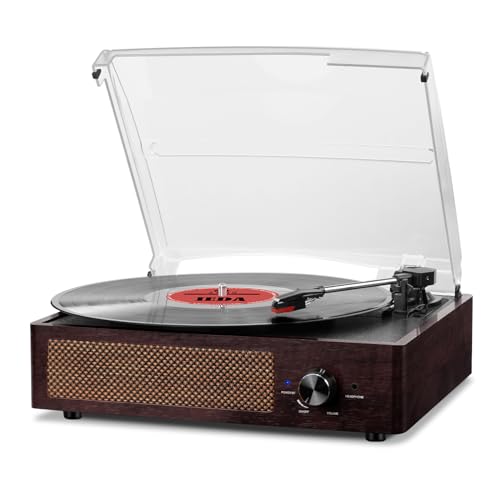

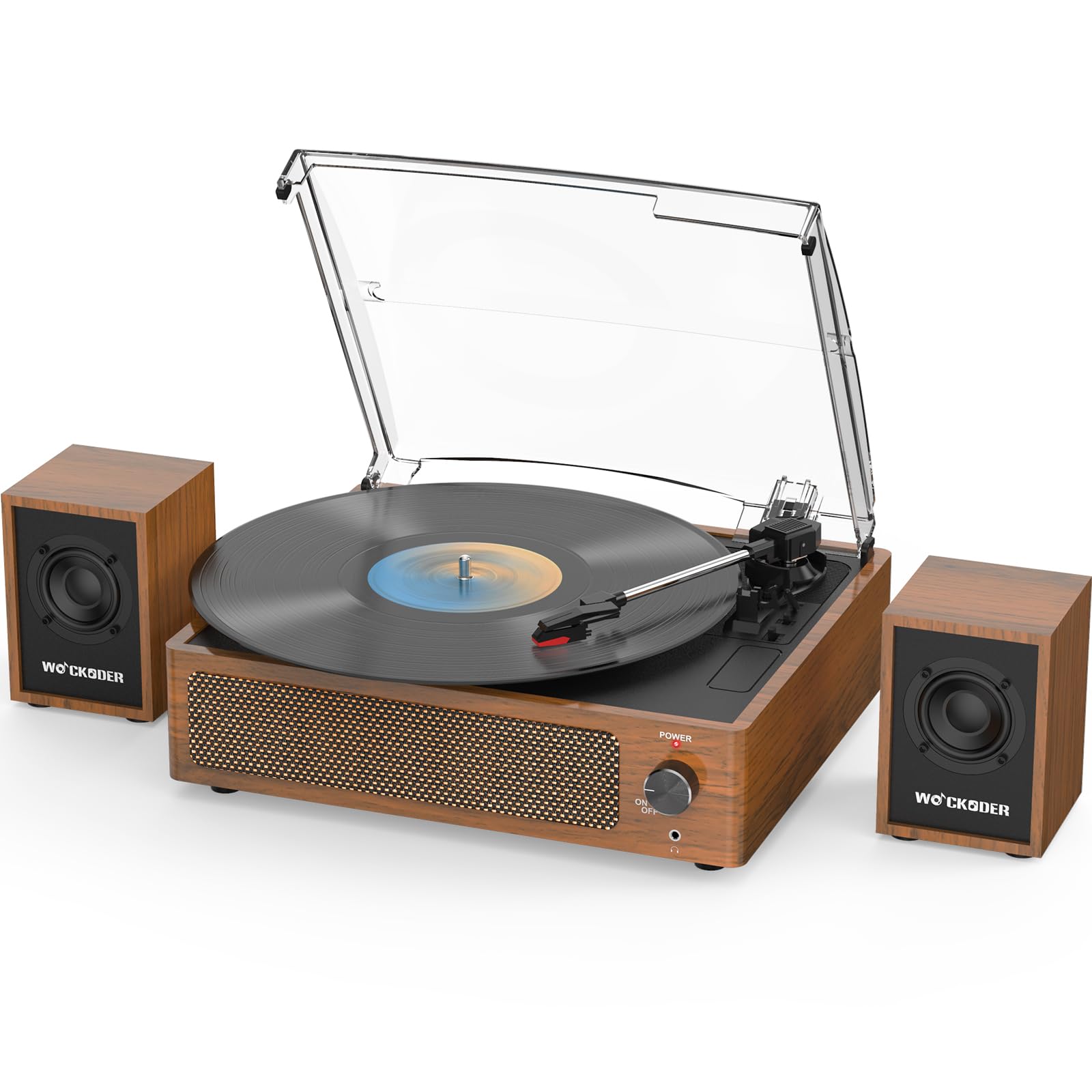

Record Player with Speakers 101: The Basics
A record player spins a vinyl record while a stylus, the tiny needle at the end of the tonearm, traces the groove and turns its shape into an electrical signal. That signal is very quiet, so it passes through a phono stage, sometimes called a preamp, which raises it to a level the built in speakers can play. On an all in one model, the turntable, the phono stage, and the speakers share one cabinet, which keeps wiring simple but also limits how loud and how detailed the sound can be.
Most budget models play records at 33 and 45 revolutions per minute, which covers full length albums and singles. A few also offer 78 revolutions per minute for older shellac records, but that is a bonus most new buyers will not need. Focus instead on a steady motor, a tonearm that tracks cleanly, and a stylus you can replace when it wears out.
Key Specs Explained in Plain English
The specs below are the ones that change what you hear and how easy the player is to live with. Skip the marketing terms and judge each model on these points.
| Feature | What to look for | Why it matters |
|---|---|---|
| Built in speakers | Front facing drivers with a clear midrange | Voices and acoustic instruments stay easy to follow |
| Phono stage | Built in, with an option to bypass it | Lets you add better speakers later without replacing the turntable |
| Drive type | Belt drive for most listeners | Keeps motor vibration away from the record |
| Stylus | Replaceable, with spares easy to find | A worn stylus damages records, so replacements matter |
What You Can Realistically Get on a Budget
When shopping for the best affordable record player with speakers at around $50 to $250, expect a belt drive turntable with built in speakers, a basic cartridge, and simple speed and volume controls. You will not get deep bass or the fine detail of a separate speaker system, and that is a fair trade for the price. Do not cut corners on the stylus and the tonearm, because a rough tracking arm wears records faster than any other single flaw.
Why Choose a Record Player With Speakers
An all in one player suits small rooms, dorm rooms, and anyone who wants to start listening right away without matching separate parts. The main limit is sound quality: small cabinet speakers cannot move much air, so bass stays light and loud rooms can overwhelm them. If you later want a bigger sound, choose a model with a line output so you can connect powered speakers and keep using the same turntable. You can also browse our best all-in-one record players guide for more complete systems.
Sound Quality and Tuning
Sound quality on a budget player comes mostly from the cartridge, the stylus, and the speaker drivers, not from flashy extras. Larger drivers in the cabinet usually give a fuller midrange, while very small drivers can sound thin on vocals. Keep volume moderate, since pushing tiny speakers hard adds distortion and can tire your ears, and take a break if listening starts to feel uncomfortable.
Connections: Bluetooth, Aux, and Line Out
Many affordable players add Bluetooth so you can stream music from a phone through the built in speakers, plus an aux input for other devices. A line output or RCA jacks matter more for vinyl, because they let you connect better external speakers later. Check that the player runs on household power with a cord long enough to reach your chosen spot, and treat any extra input as a bonus rather than a reason to buy.
Placement and Room Size
Place the player on a level, steady surface away from foot traffic, because bumps travel straight into the stylus and cause skips. Give the built in speakers some breathing room by keeping the player a few inches from the wall, and avoid corners, which can make bass sound boomy. In a small room, a compact player on a solid shelf works well, while a larger room may call for a model with a line output for future external speakers.
Durability and Care
Record players are indoor products, so keep them dry and away from damp conditions. Durability here means a solid platter, a tonearm that holds its setting, and a dust cover that protects the record and stylus when the player is idle. Keep drinks away from the player and wipe dust from the cover with a dry cloth, since liquid near the motor and electronics can cause damage.
Rookie Mistakes to Avoid
- Skipping the level check: an unlevel player tracks unevenly and can skip or wear one groove wall faster.
- Playing dirty records: dust in the groove adds crackle and grinds against the stylus, so brush records before each side.
- Forcing the tonearm: dropping or shoving the arm bends the stylus and can scratch a record in one move.
- Ignoring stylus wear: a dull stylus sounds dull and can harm records, so replace it on the maker schedule.
- Buying on looks alone: a pretty cabinet with a poor tonearm will disappoint faster than a plain player that tracks well.
Getting Started: Setup and First Use
Unbox the player on a steady table, remove any transit screws or packing from the tonearm and platter, and set the player level with a small spirit level or a phone level app. Connect the power, set the speed to match your record, and lower the stylus gently with the cueing lever if your model has one. Play a record you know well first, so you can tell whether the sound is right, and store the player with its dust cover closed to protect the stylus.
For more on matching speakers later, see our guide to the best powered speakers for record player models, which explains what changes when you move beyond built in sound. If you want paired setups, our guide to the best record player and speakers combinations covers them. Readers weighing wireless add ons can compare options in our guide to the best bluetooth speakers for record player choices, and vinyl listeners who prefer active designs should read our guide to the best active speakers for record player models.
Frequently Asked Questions
Do I need a separate amplifier with a record player that has speakers?
No, an all in one player has the amplifier and phono stage built in, so you can plug it in and play. A separate amplifier only becomes useful if you later connect larger external speakers through a line output. Check that your model has that output if you want room to upgrade.
Can I use better speakers with an affordable record player?
Often yes, if the player has RCA or line output jacks. Connect powered speakers to those outputs and the built in speakers can usually be left off or ignored. Without a line output, you are limited to the built in sound, so check the connections before buying.
Is a built in phono stage important?
Yes for an all in one setup, because the signal from the stylus is too quiet for speakers on its own. A built in phono stage makes the player work right out of the box. A bypass switch is a plus, since it lets you use an external phono stage later.
Wired or wireless: which sounds better for vinyl?
Wired connections usually sound better for vinyl, because the analog signal goes straight to the speakers without extra conversion steps. Wireless links add convenience and let you place speakers freely, but they can compress the signal and add a slight delay. For a first setup, use the built in speakers or a wired output, and treat wireless as a handy extra for casual listening.
How often should I replace the stylus?
Follow the manufacturer's guidance for your cartridge, as wear depends on how often you play records and how clean they are. A worn stylus sounds dull and can harm records, so keep a spare on hand. Brushing records before each side helps the stylus last longer.
Our Verdict
Start with steady speed, a replaceable stylus, and a phono stage you can bypass later, and treat built in speakers as a convenient starting point rather than the final word on sound. Set realistic expectations for bass and volume at a budget price, place the player on a level surface, and keep your records clean. If that checklist sounds right, a best affordable record player with speakers will get you listening quickly, and the picks in the table are a good place to start comparing.


