
Best Affordable Racing Watches at Every Price for 2026: What Your Money Really Gets You
Disclosure: We may earn a commission when you buy through links on this page, at no extra cost to you. As an Amazon Associate I earn from qualifying purchases. Learn more

Compare the best affordable racing watches at every price point. Learn what you get at budget, midrange, and premium levels and where spending more pays off.
Racing watches span an enormous price range, from gas station money to serious collector money, and the listings rarely explain what the extra cash actually buys. This guide maps the best affordable racing watches by budget tier, so you can see where money improves the watch and where it only improves the logo. A racing watch, at heart, is a chronograph with motorsport styling: bold dial, timing bezel, and a strap built for warm wrists.
Start with the comparison table below to see how the tiers line up, then read what each level of spending typically delivers. You may find the budget tier already covers your needs, or that one midrange upgrade is worth more to you than three decorative extras.
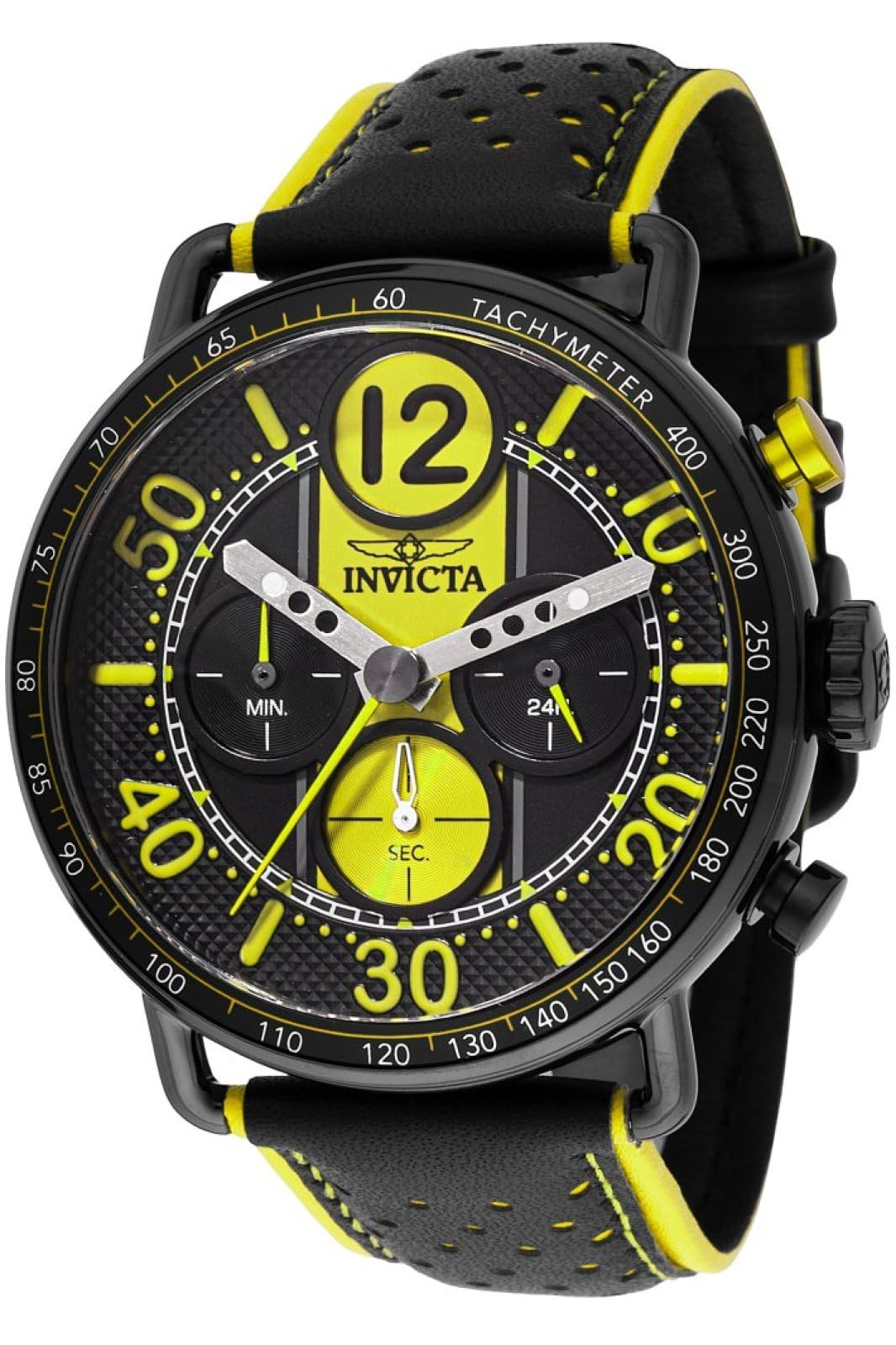


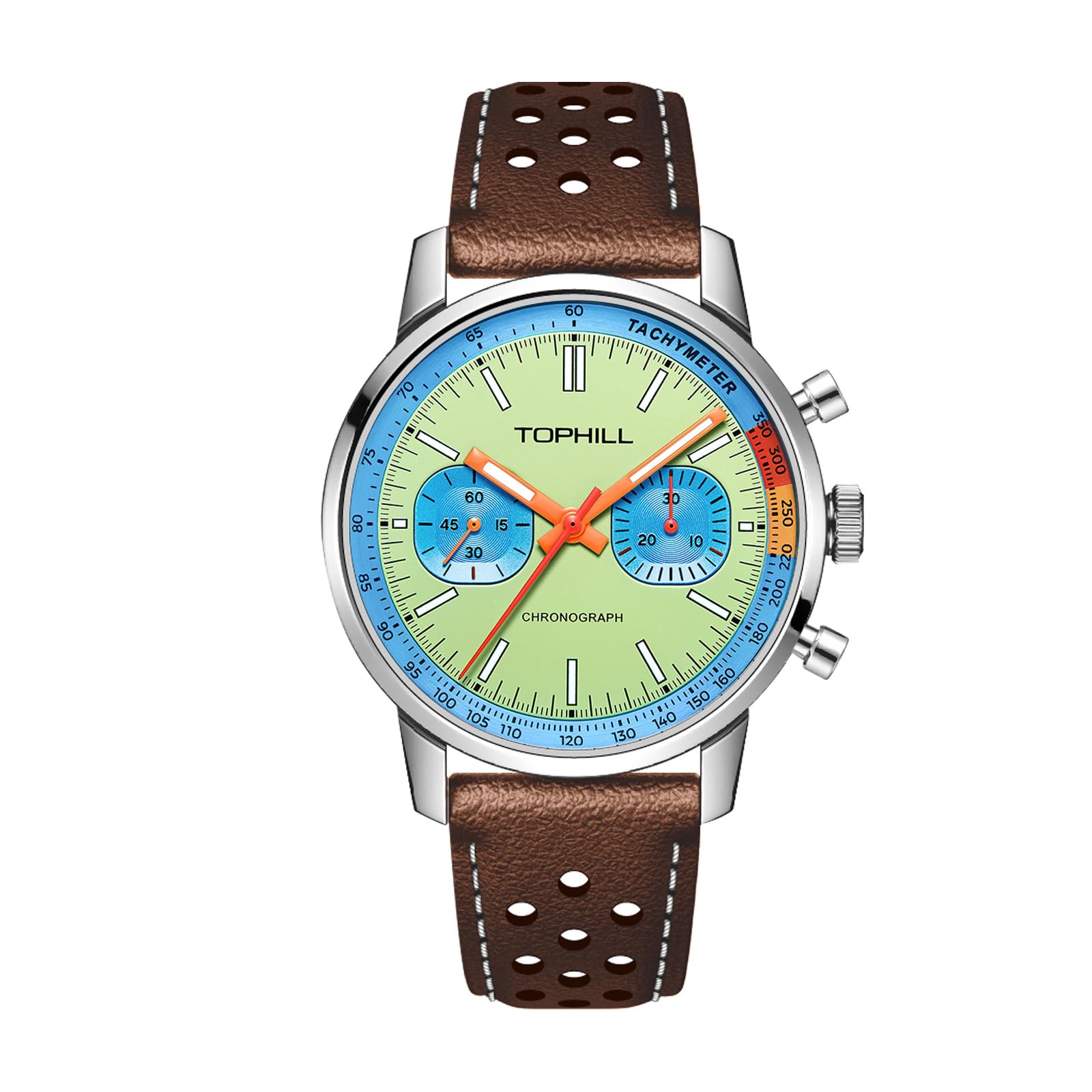
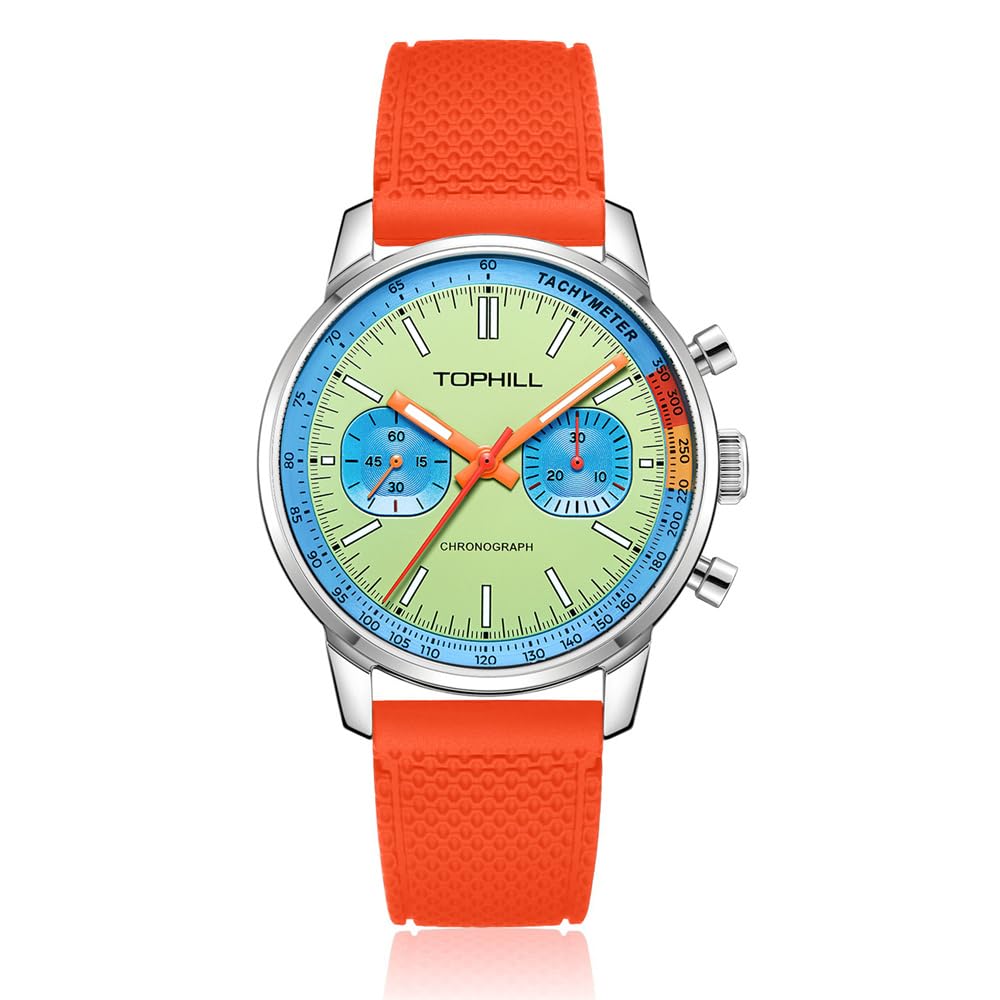

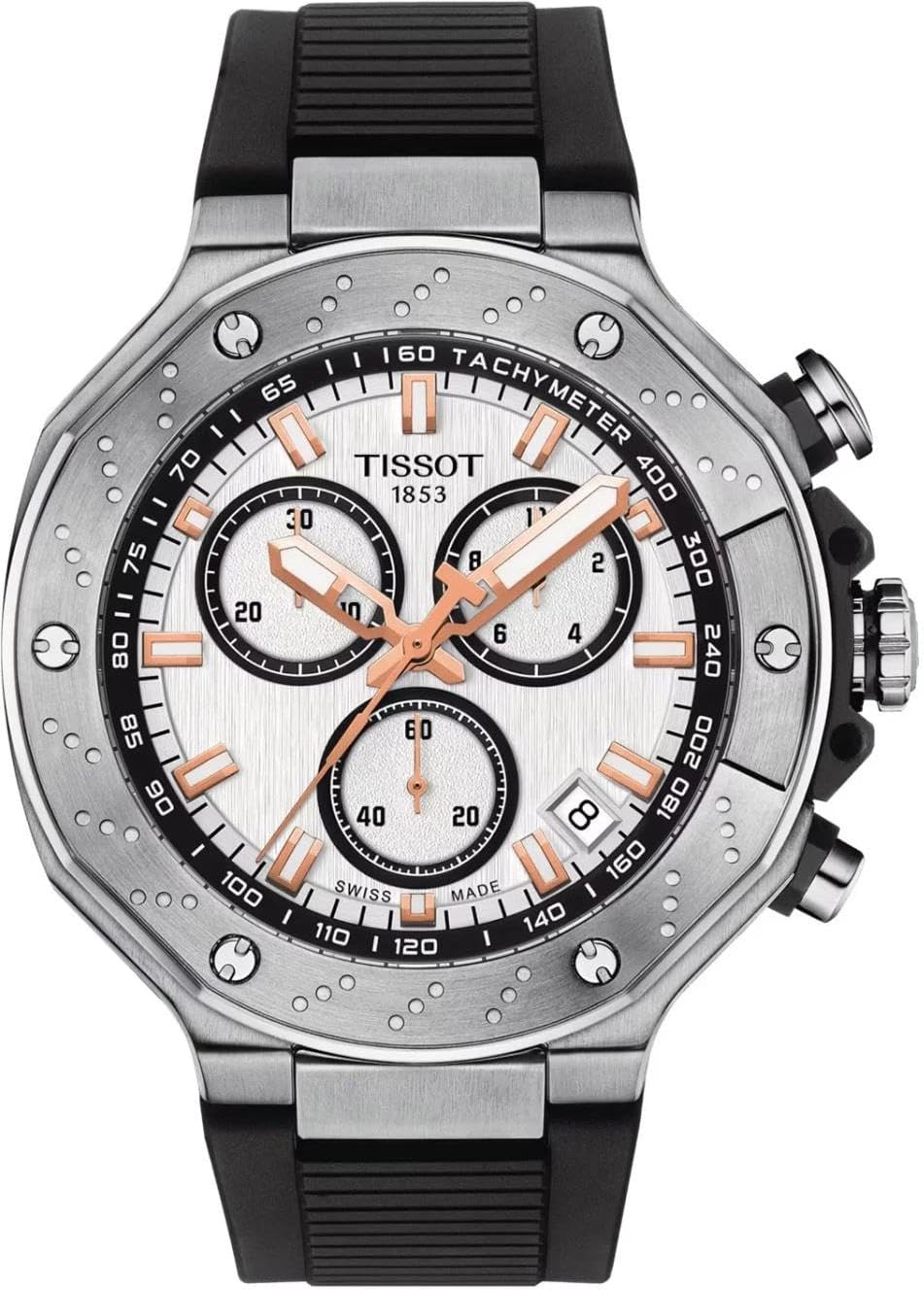

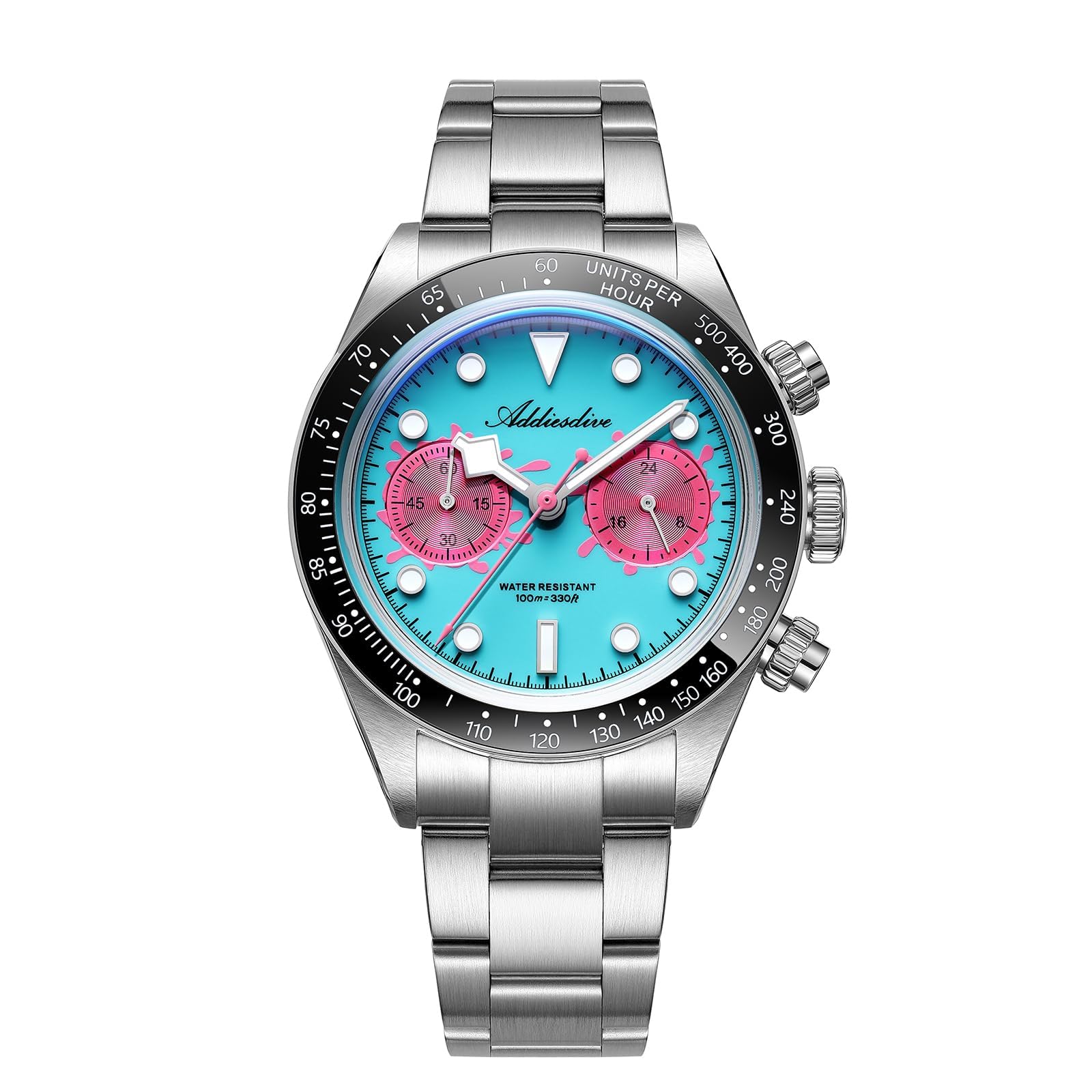
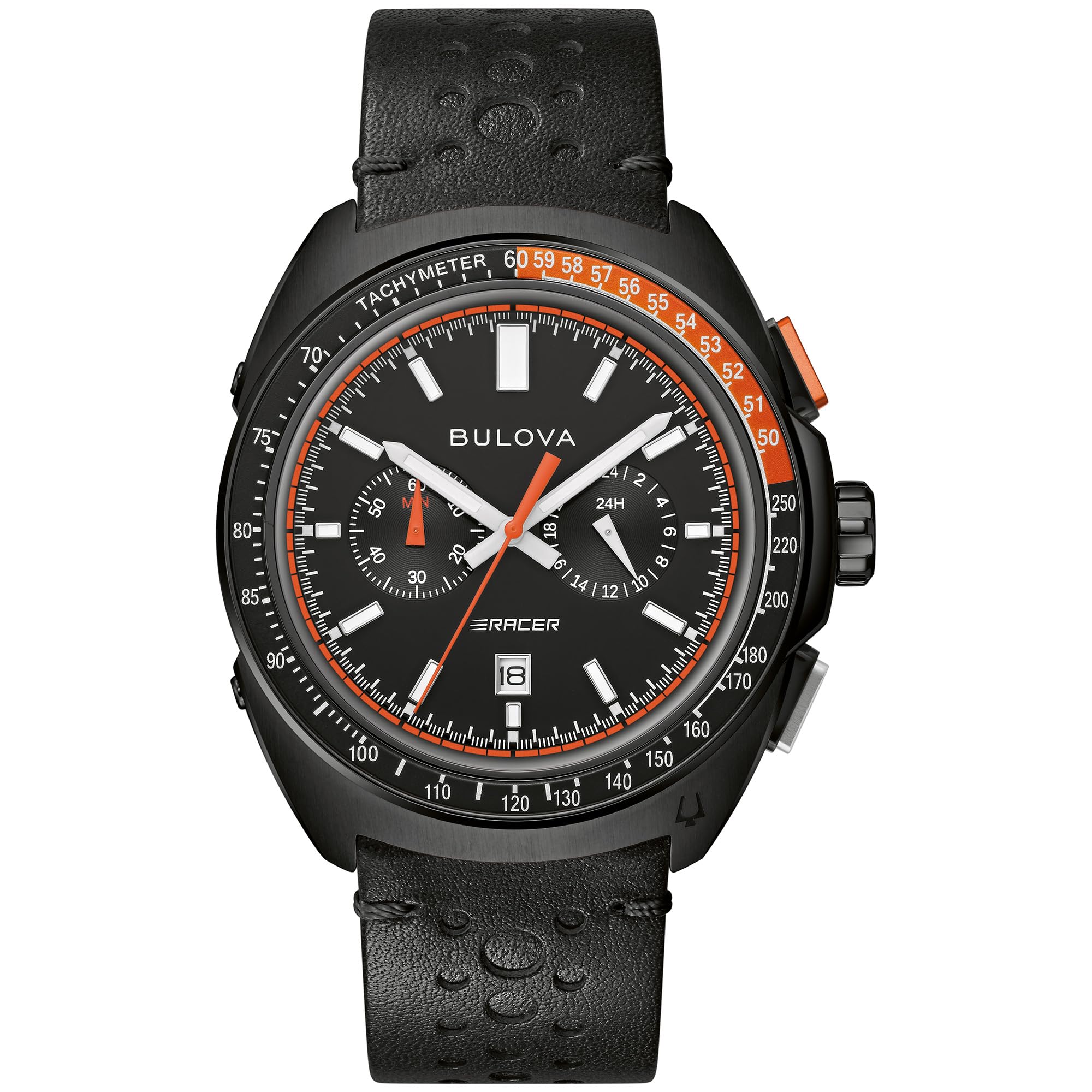
Budget Tiers at a Glance
The Budget Tier in Brief
Around $50 to $120 buys the racing look with honest basics: a quartz chronograph or chronograph styled dial, a mineral crystal, and a silicone or basic leather strap. This tier suits first time buyers, younger fans, and anyone who wants a fun weekend watch without worry. The trade offs are real: subdials are sometimes decorative rather than functional, and water resistance is usually splash level only. Read listings carefully, because a working stopwatch function is the one feature that separates a racing watch from a racing costume.
The Midrange Tier in Brief
Around $150 to $350 is where function catches up with style. Expect a genuinely working chronograph movement from a known maker, better steel finishing, stronger water resistance, and straps with quick release spring bars for easy swaps. This tier suits daily wearers who time laps, track sessions, or gym intervals and want one watch to do it all week. The remaining compromise is usually the crystal, which may still be mineral rather than sapphire at the lower end of the band.
The Premium Tier in Brief
Around $400 to $800, still affordable beside luxury racing watches, buys sapphire crystals, refined automatic or high accuracy quartz movements, and noticeably better bracelets and clasps. This tier suits enthusiasts who will keep the watch for a decade and care about servicing and resale. You also gain details like a ceramic or steel tachymeter bezel with crisp markings and lume that stays readable at night. The trade off is simple: the watch now costs enough that loss or damage would genuinely sting.
What Your Money Gets You at Each Price Tier
Budget Tier: What to Expect
Budget racing watches deliver the silhouette: contrasting subdials, a tachymeter scale printed on the bezel or dial ring, and sporty straps, often perforated in the motorsport tradition. Movements are basic quartz, accurate enough for daily life. Cases may be steel or steel colored alloy, so check the listing wording carefully. Water resistance of 30 to 50 m means rain and hand washing are fine, swimming is not. For pure style on a tight budget this tier is rational, and our guide to the best looking affordable watches shows how far design alone can go.
Midrange Tier: The Sweet Spot for Most Buyers
Midrange money buys substance you can feel: solid links instead of folded ones, a chronograph that measures elapsed time properly, and lume on hands and markers. Solar quartz appears here too, removing battery changes for years. Case finishing improves, with brushed and polished surfaces that catch light the way the photos promise. Most buyers who wear their racing watch daily should shop here, because every weakness of the budget tier is addressed without paying for prestige. Dedicated fans can compare specialist models in our guide to the best racing watches.
Premium Tier: When Spending More Pays Off
Premium spending pays off in longevity and feel. Sapphire resists the scratches that slowly cloud cheaper crystals, automatic movements can be serviced and kept for decades, and clasps close with a precision that budget hardware never matches. You may also get 100 to 200 m water resistance with a screw down crown, turning a style watch into a genuine all conditions tool. Spend this much only if you will wear the watch constantly; a premium piece in a drawer is money parked, not enjoyed.
Features Worth Paying For (and Ones to Skip)
Water Resistance Rating
Water resistance numbers describe static pressure tests, not real world guarantees. A 30 m rating survives splashes, 100 m handles swimming and showers, and 200 m suits diving with proper seals. Racing watches live mostly on dry land and track days, so 50 to 100 m is the sensible target for most buyers. Paying for 200 m you never use is harmless but pointless, while trusting a 30 m watch in a pool is an expensive lesson. Whatever the rating, have seals checked every few years.
Movement Type (Quartz, Automatic, Solar, Smart)
Quartz chronographs dominate affordable racing watches because they time accurately, start instantly, and cost little to own. Automatic chronographs exist but usually sit above the affordable band, since mechanical stopwatch movements are complex. Solar quartz is the quiet overachiever here, charging from light and skipping battery swaps. Smart movements add GPS lap timing and data, but they change the character of the watch entirely; our guide to the best affordable smart watches covers that route if data matters more than dial craft.
Legibility and Style
A racing dial must read at a glance, ideally at speed with vibration all around. Strong contrast between dial and hands, a clean minute track, and real lume matter more than extra subdials. Many cheap racing dials fail here, cramming three tiny registers into a cluttered face. Style wise, perforated leather and rally straps breathe well and suit the theme, while steel bracelets dress the same watch up for work. Quick release straps let you swap between the two in seconds, a small feature with outsized daily value.
What You Can Realistically Get on a Budget
On a budget of around $100, a functional quartz chronograph, a steel case, and a decent strap are realistic; sapphire and automatic movements are not. Set expectations in that order and budget watches stop disappointing. The one place never to economize is the movement source: an unnamed movement with no service path can end a watch over a minor fault. A known quartz calibre from an established maker costs little more and keeps the watch repairable, which is the real definition of value.
Long Term Costs to Factor In
The purchase price is only the opening cost. Quartz batteries need replacing every 2 to 3 years, leather racing straps wear out in about 1 to 2 years of regular use, and automatic movements need servicing every 5 to 7 years at a cost that can rival a budget watch. Add the occasional crystal or seal replacement after a hard knock. None of this is a reason to avoid ownership; it is a reason to favor known movements and standard strap widths, since parts and straps for common sizes stay cheap. Our guide to the best affordable wrist watches breaks down similar ownership costs across styles.
Frequently Asked Questions
Quartz or automatic: which is better?
For racing watches, quartz is usually the smarter buy. It times laps accurately, shrugs off shocks, and costs far less than a mechanical chronograph. Automatic appeals to enthusiasts who value the craft and the smooth sweep, and who accept servicing costs. If your budget is under about $500 and you actually plan to use the stopwatch, quartz wins on function every time.
How water resistant should a watch be?
Aim for 100 m if the watch will ever meet a pool, and 50 m if it will only face rain and hand washing. The 30 m rating on many fashion led racing watches means splash protection only. Remember that heat from showers ages seals, so even a swim rated watch prefers cool water. Fresh seals and a pressure check every few years keep any rating honest.
Is a smartwatch worth it over a classic watch?
A smartwatch is worth it for drivers and athletes who want GPS lap data, split times, and phone alerts on the wrist. It will need charging every day or two and replacing within a few years. A classic racing chronograph keeps its looks and function for decades with minimal care. Many enthusiasts own both and pick by day, which is a fair answer at these prices.
How long does a watch battery last?
A quartz racing watch battery typically lasts about 2 to 3 years, and heavy chronograph use shortens that slightly. A seconds hand that jumps in 4 second steps on many models is an early low battery warning. Replace the battery promptly and ask for a seal check at the same visit, because an open case is the perfect moment to refresh water resistance.
What case size fits my wrist?
Racing watches wear bold, and 40 to 44 mm is the classic range for the style. Check lug to lug length against your wrist width so the case does not overhang, and remember that chunky bezels make a watch look larger than its number. Slim wrists often suit 38 to 40 mm racing models, which exist in most ranges. Sizing advice written for the best affordable watches for men uses the same measurements and applies to any wrist.
Wrapping Up
Decide your tier first, demand a working chronograph second, and check crystal and water resistance third. With that order settled, the best affordable racing watches at any budget become easy to judge. Return to the product table above, match a tier to your real routine, and pick the watch you will wear on ordinary days, because that is where its value is earned.


