
Best Affordable Quilts 2026 Buying Guide for Everyday Use
Disclosure: We may earn a commission when you buy through links on this page, at no extra cost to you. As an Amazon Associate I earn from qualifying purchases. Learn more
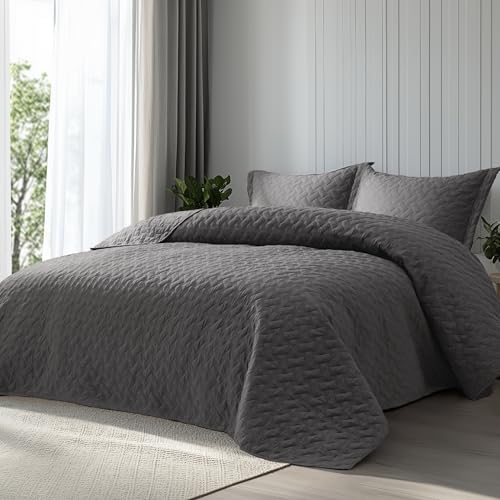
A practical guide to affordable quilts: warmth, weight, fill, size and wash care, so you can find a comfortable quilt that suits your bed and your budget.
Finding best affordable quilts starts with warmth and weight, since a quilt that feels cosy in winter can feel heavy in summer. Think about your bedroom temperature, whether you sleep warm or cool, and how much weight you like on top of you. The comparison table below gives a quick overview of quilt types.
Fill type shapes warmth, weight, and care. Cotton and wool fills breathe well and suit many sleepers, while synthetic fills wash easily and cost less. Down feels light and warm, yet it needs careful washing and may trigger allergies for some people.


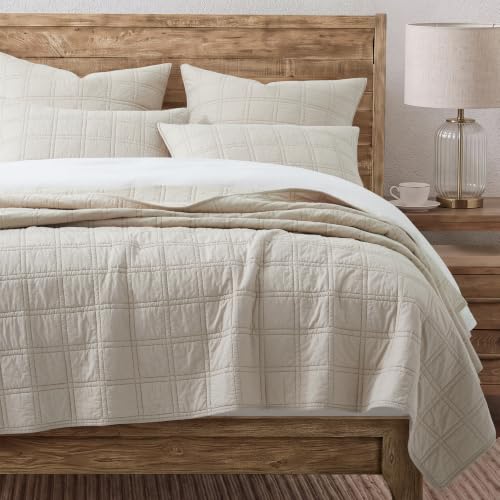


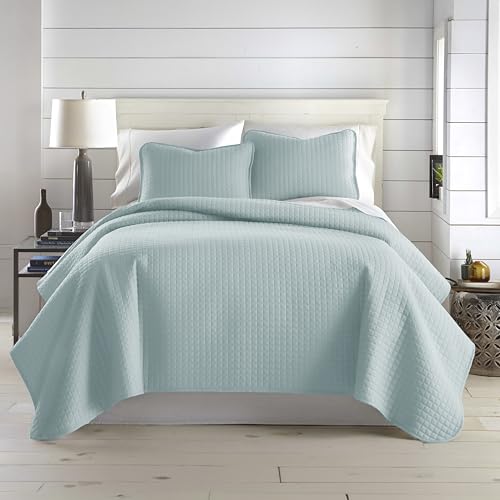
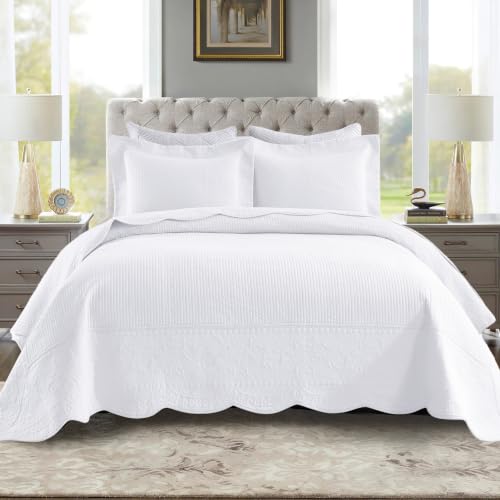


This guide covers fill, weight, size, and care in plain terms. You will learn how to choose warmth for your climate, what size fits your bed and drape, and how to wash a quilt without flattening it.
Who Should Buy This Type
These quilts suit sleepers who want a comfortable bed cover without a high price tag. They work well for main beds, guest rooms, and seasonal changes, where a washable quilt is easier to keep fresh. If you share a bed, size and weight matter as much as warmth.
They are less suited to people who need a very light summer cover or a heavy winter duvet in one product. A single quilt rarely suits all seasons, so many sleepers keep two weights and swap them. Talk with your clinician if night sweats or breathing problems affect your sleep, since bedding alone may not solve them.
Key Features That Matter Most
Warmth rating: Warmth depends on fill amount and loft, not just thickness. A high loft quilt traps more air and feels warmer, while a low loft quilt suits warm rooms. Check the fill weight and the recommended season rather than relying on appearance alone.
Fill material: Cotton breathes and washes well, wool regulates temperature and resists odour, and synthetic fills dry fast and cost less. Down offers warmth with little weight, but it needs gentle washing. Choose fill by allergies, climate, and how often you wash bedding.
Weight and drape: A heavier quilt feels secure to some sleepers and restrictive to others. Drape matters too, since a quilt that hangs well over the edges stays in place overnight. If you move a lot, a lighter quilt with good drape may sleep better than a heavy one.
Wash care: Machine washable quilts suit busy households and allergy prone sleepers. Dry clean only quilts cost more to maintain and may stay unwashed longer. Check whether the quilt fits your machine, since a large quilt needs a large drum to wash properly.
Types and Options Compared
Quilts come as patchwork, solid, lightweight, and all season styles, and each suits a different bedroom. Patchwork quilts add pattern and charm, while solid quilts suit calm rooms. Lightweight quilts suit warm climates, and all season quilts aim for a middle warmth that works most of the year.
- Patchwork quilts for pattern and a handmade look.
- Solid quilts for calm bedrooms and easy matching.
- Lightweight quilts for warm rooms and summer use.
- All season quilts for a middle warmth across the year.
Fit, Size, and Everyday Setup
Size should cover the mattress with enough drape to stay tucked overnight. A quilt that barely reaches the edges will pull off when you turn, while an oversized quilt can feel heavy and bunch up. Measure your mattress depth and add drape on each side before choosing a size.
Check the quilt dimensions, not just the size label, since brands vary. Lay the quilt on the bed if possible, or compare measurements to your current cover. For shared beds, a larger size often sleeps better than a standard size, since it gives each sleeper more cover.
Budget and Long Term Value
Affordable quilts often range from about $40 to $150, depending on size and fill. Synthetic fills cost least and wash easily, while cotton and wool cost more but breathe better. Down costs most and needs more care, so it suits sleepers who value light warmth.
Value depends on washing costs as much as purchase price. A dry clean only quilt costs more over time than a washable one, even at a lower upfront price. Compare the full care cost, and choose a quilt you will actually wash regularly.
You may also find these related guides useful as you compare options: best quality quilts.
Care and Maintenance
Wash quilts on a gentle cycle with mild detergent, and dry thoroughly to prevent damp fill. A large quilt needs room to move in the machine, so use a laundromat large drum if your machine is small. Shake the quilt out after washing to restore loft before drying.
Air quilts outside on dry days to freshen fill without washing too often. Store spare quilts in breathable bags, not sealed plastic, to avoid musty smells. Repair small seam tears early, since a torn seam lets fill shift and bunch.
Common Mistakes to Avoid
A common mistake is buying warmth for the coldest night, then overheating most of the year. Another is choosing size by label alone, without checking real dimensions and drape. Measure your bed and think about your usual room temperature before ordering.
Skipping care details is another trap, especially for quilts that need dry cleaning. Read the label and check machine size before buying, so washing stays simple. A quilt that is hard to wash often stays unwashed, which affects freshness and allergies.
Layering Quilts Through the Year
One quilt rarely suits every season, so many sleepers layer a light quilt with a throw in spring and autumn, then add a warmer layer for deep winter instead of buying a single very heavy quilt that overheats most of the year. Layering also helps couples with different warmth needs, since one partner can add a throw on their side without making the other too warm. When layering, choose breathable fabrics for each layer, because stacked synthetic layers can trap heat and moisture and feel clammy by morning. A cotton quilt under a light wool throw often balances warmth and breathability better than two heavy synthetic layers.
Guest rooms benefit from a washable quilt that can be freshened between visitors, since a quilt that is hard to wash may sit unused or smell stale when guests arrive. Keep a spare quilt in a breathable bag rather than sealed plastic, and air it on a dry day before guests use it. For allergy prone guests, a freshly washed synthetic or cotton quilt is usually a safer choice than a down quilt that has not been cleaned recently. Finally, check quilt weight against the sleeper, since children and smaller adults may find a heavy quilt restrictive, while taller sleepers need extra length to avoid cold feet overnight.
Frequently Asked Questions
What warmth level should I choose?
Match warmth to your bedroom temperature and whether you sleep warm or cool. A medium warmth quilt suits most rooms between about 18 and 22 degrees, while warm sleepers may prefer a lighter fill. If your room varies a lot, keep a lighter quilt plus a throw for cold nights. This layering approach beats one very heavy quilt for most sleepers.
Is cotton or synthetic fill better?
Cotton breathes well and feels natural, which suits warm sleepers and mild climates. Synthetic fill costs less, dries faster, and washes easily, which suits busy households and allergy prone sleepers. Wool regulates temperature well but costs more and needs gentler care. Choose by climate, allergies, and how often you plan to wash the quilt.
What size quilt fits a queen bed?
A queen quilt should cover the mattress with drape on both sides, so check the actual dimensions rather than the label alone. Many sleepers prefer a king size quilt on a queen bed for extra drape and shared cover. Measure mattress depth and add the drape you want on each side. This check prevents a quilt that pulls off overnight.
Can I machine wash a quilt?
Many affordable quilts are machine washable, but a large quilt needs a large drum to wash and rinse properly. Use a gentle cycle, mild detergent, and dry thoroughly to avoid damp fill. If your machine is small, a laundromat large drum works well. Always read the care label first, since some fills need gentler handling.
How do I keep a quilt fluffy?
Shake the quilt out regularly and air it on dry days to restore loft. Avoid compressing it in tight storage for long periods, since fill needs air to spring back. Wash only when needed, dry fully, and repair seam tears early so fill does not shift. These habits keep a quilt feeling full for longer.
Final Thoughts
The right quilt balances warmth, weight, size, and wash care for your bedroom. Use the product table above to compare fills and sizes, then measure your bed before ordering. Comfort depends on real dimensions and real care, not just a low price.
In short, best affordable quilts should feel comfortable through the night, wash easily, and suit your climate. Pick the warmth and size you use most of the year, and you will sleep better without overspending.


