
Best Affordable Queen Mattress Sets: Our 2026 Checklist and Buying Guide
Disclosure: We may earn a commission when you buy through links on this page, at no extra cost to you. As an Amazon Associate I earn from qualifying purchases. Learn more
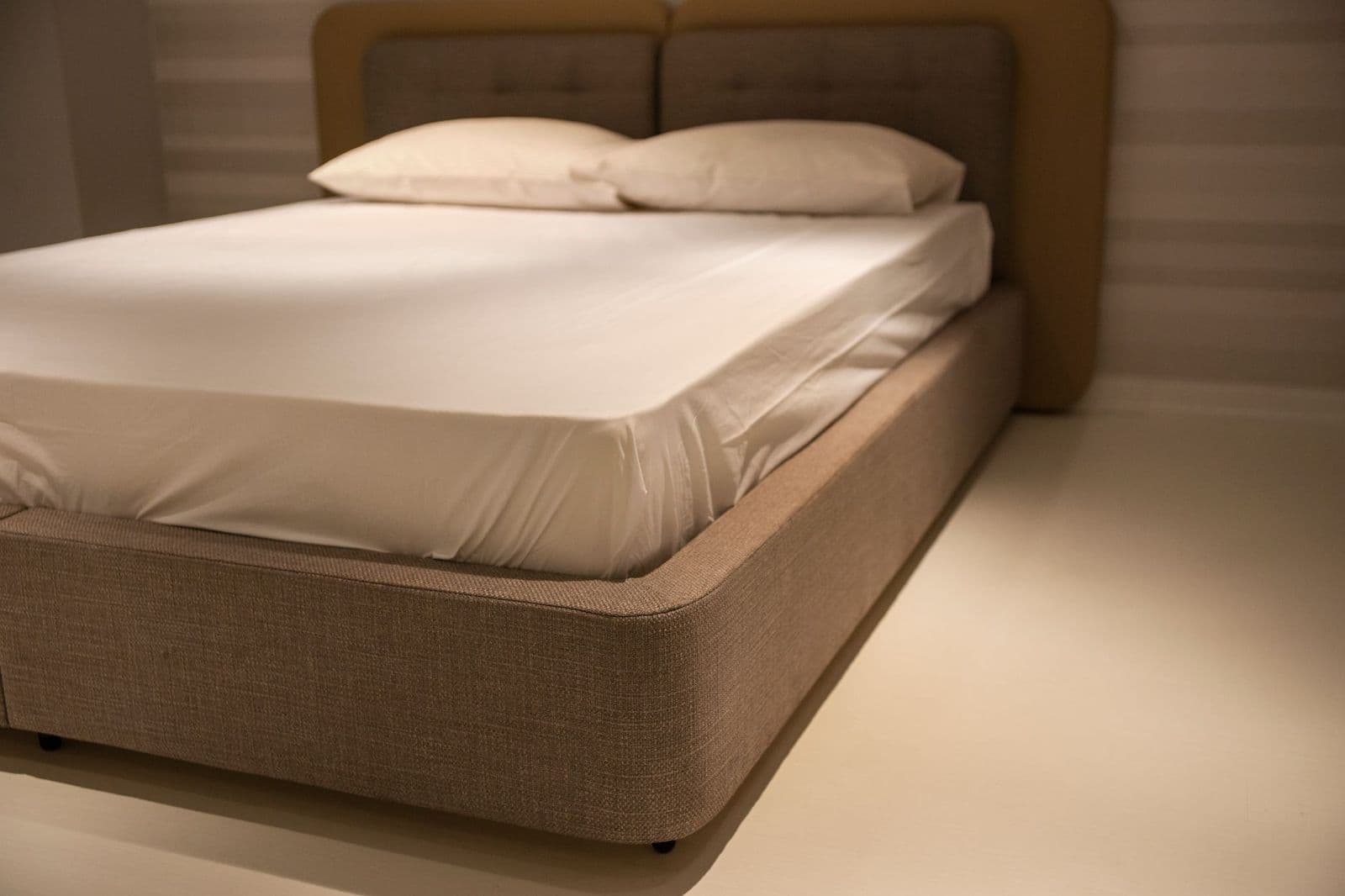
Use our checklist for the best affordable queen mattress sets to compare firmness, materials, cooling, sleep trials, and warranties before you buy.
A mattress set is a long commitment bought in a short decision, which is exactly why a checklist helps. This guide gives you the same criteria we use to judge the best affordable queen mattress sets: support, materials, cooling, durability, and the trial and warranty terms that protect you if the fit is wrong. Work through it once and product pages become much easier to read.
Use the sections below as your checklist, then score each candidate against them. A set that passes on firmness but fails on trial length is still a risky buy. The goal is a bed that suits your body and your budget for years, not just a low price this week.
How We Evaluate Queen Mattress Sets
What You Can Realistically Get on a Budget
Around $400 to $900 is the realistic band for a complete queen set with a decent mattress and a usable foundation. In this range you can expect a proper foam or hybrid mattress, a sleep trial of at least 90 nights on many offers, and a warranty of about 10 years. What gets trimmed is usually edge support, premium cooling covers, and white glove delivery. Do not trim the trial period or the foundation quality to save money, because both decide whether the purchase works out.
Material and Fill
Memory foam molds closely to the body and isolates motion well, which suits couples, but it can sleep warm and feel slow to move on. Latex feels springier, breathes better, and lasts longer, at a higher price. Hybrids combine coils with foam layers and balance support, airflow, and bounce for most sleepers. For the bedding in a set, cotton percale feels crisp and cool, sateen feels smoother and warmer, linen breathes beautifully but wrinkles, and bamboo derived fabrics feel soft and cool. Down fill is warm and lofty, while down alternative suits allergy sensitive sleepers and easier washing.
Support, Pressure Relief, and Edge Support
Support means your spine stays in a neutral line, while pressure relief means your shoulders and hips sink just enough to avoid numbness and morning aches. Side sleepers need more cushion at the shoulder; back and stomach sleepers need firmer support so the hips do not bow downward. Edge support matters if you sit on the side of the bed or sleep near the border; weak edges make a queen feel smaller. If you wake with persistent back pain, numbness, or pain that shoots down a leg, treat that as a health question, not a shopping one, and talk with a doctor or physical therapist.
Firmness/Loft and Sleep Position
Firmness is usually rated on a scale of 1 to 10, and most sleepers land happily between 5 and 7. Side sleepers generally prefer the softer half of that range, back sleepers the middle, and stomach sleepers the firmer end. Body weight shifts the feel: heavier sleepers compress foam more and often need a firmer or thicker mattress, while lighter sleepers may find a medium mattress feels hard. Loft, meaning pillow or comfort layer height, should keep your neck aligned with your spine in your main sleep position.
Durability and Care
Durability shows up in foam density, coil counts that are actually stated, and stitching quality on the cover and foundation. Certifications such as OEKO TEX on fabrics signal tested limits on harmful substances and are worth looking for. Care terms matter just as much: a sleep trial of 90 nights or more lets your body adjust, and a warranty of about 10 years is the budget norm. Check whether the foundation is included or merely pictured, and confirm the set can be returned without steep fees if the trial goes badly.
Cooling and Breathability
Cooling claims range from real engineering to pure marketing. Gel infused foam helps a little at first touch, while open cell foam and coil based hybrids move air all night and usually sleep cooler for hot sleepers. A breathable cotton or phase change style cover adds more than a thin gel layer buried deep in the mattress. Thread count on sheets is not the whole story either: weave and fiber matter more, and very high counts can trap heat. If you sleep hot, prioritize the coil hybrid route and natural fiber bedding.
Size and Fit
A queen mattress measures about 60 by 80 inches, and sets range from twin to Cal King in the same product lines, so confirm you are ordering the queen version and not a full. Check pocket depth on fitted sheets and mattress protectors, since modern mattresses plus toppers can exceed standard pockets. Measure doorways, stairs, and bedroom clearance before delivery day, especially with a rigid foundation. Shoppers comparing mattress only options against full sets can start with our guide to the best affordable queen mattresses to see what the foundation adds to the price.
What Each Price Tier Usually Delivers
Because no single set suits every sleeper, judge offers by tier instead of chasing a single winner. The tiers below describe what your money typically buys, so you can match a tier to your body and habits, then verify the details on each product page.
The Balanced Tier
Around $600 to $900 usually buys the balanced option: a hybrid mattress with real edge support, a sturdy foundation, and a trial of 100 nights or more. This tier suits couples and combination sleepers who change position and need both pressure relief and support. Its main trade off is price, since it sits well above the entry level. If you only buy one set this decade, this is the tier where compromises are fewest.
The Value Tier
Around $400 to $600 is the value zone, typically an all foam mattress on a simple platform or basic foundation. It suits guest rooms, first apartments, and lighter sleepers who do not need strong edge support. Expect shorter trials and covers with fewer cooling features. The smart move here is choosing a set with a stated foam density and a real trial, rather than the absolute cheapest listing. Our guide to the best most affordable mattresses explains where the true floor of acceptable quality sits.
The Heavy Use Tier
For heavier sleepers, restless couples, or a bed that hosts kids and pets daily, look at the top of the budget band, around $800 to $1,100, for thicker hybrids with reinforced edges and higher density foams. These sets resist sagging longer and keep the sleeping surface stable under load. The trade off is weight and price: delivery and setup take more effort. Given how much use the bed will see, cost per year still favors this tier over replacing a flimsy set twice.
Quick Buyer Checklist
- Does the firmness range match your main sleep position and body weight?
- Is the foundation included, and is it the right type for the mattress?
- Is the sleep trial at least 90 nights, with free or low cost returns?
- Is the warranty about 10 years, and does it cover sagging depth in writing?
- Are foam or fabric certifications stated, such as OEKO TEX?
- Will the set fit your room, doorways, and existing bed frame?
- Do the sheets and protector in the set match the mattress depth?
- Have you timed the purchase around a sale period, as our guide to the best time to buy mattress sets explains?
Red Flags to Watch For
- Vague specifications. If foam density, coil type, or layer thickness is hidden, assume the cheapest version of each.
- No certifications. Unnamed foams and fabrics with no OEKO TEX or similar testing deserve skepticism at any price.
- Suspicious review patterns. Hundreds of glowing reviews with no critical detail, posted in a short burst, is a classic warning sign.
- Very short warranty or trial. A 1 or 2 year warranty on a product meant to last a decade tells you what the maker expects.
- Foundation mismatch. A foam mattress sold with an old style spring foundation can void the warranty and ruin the feel.
For a second opinion on sizing and set composition, our guide to the best queen mattress sets walks through frame and foundation pairing in more depth.
Tips to Get the Most From Your Queen Mattress Set
Rotate mattresses every 3 to 6 months, head to foot, to spread wear evenly, unless the maker says the design is one directional. Wash sheets weekly in warm water to keep oils and allergens from migrating into the mattress. Use a mattress protector from day one; it is cheap insurance against spills that no warranty covers. Air the mattress for a few hours when it first arrives so the new foam smell fades before the first night.
Queen Mattress Sets: Your Questions Answered
What firmness is best for back pain?
A medium firm feel, around 6 to 7 on a 10 point scale, suits most people with back discomfort because it supports the hips while cushioning the shoulders. Your sleep position refines that choice, and a proper trial matters more than any label. If pain persists for weeks, worsens, or comes with numbness or weakness, stop shopping for fixes and talk with your clinician about your personal needs.
Are cooling queen mattress sets worth it for hot sleepers?
Yes, if the cooling comes from structure rather than slogans. Coil hybrids with breathable covers move air all night and help genuinely hot sleepers. A thin gel layer alone rarely changes much after the first hour. Pair the mattress with percale cotton or linen sheets and a light protector, because bedding choices can undo a good mattress or rescue an average one.
How often should I replace my queen mattress set?
Most sets last about 7 to 10 years before support fades. Replace yours sooner if you see visible sagging, wake with new aches that fade during the day, or sleep better in hotels than at home. Foundations often outlast mattresses, but check slats and frames for cracks at every mattress change. Rotating on schedule and using a protector can add a year or more of good service.
Is a higher thread count always better?
No, higher thread count is not always better. Beyond a moderate range, extra threads are often thinner yarns packed tightly, which can make sheets hotter and less durable. Fiber type and weave matter more: long staple cotton in a percale weave feels cool and lasts, whatever the count printed on the band. Judge sheets by fiber, weave, and return policy instead of one big number.
How do I wash queen mattress sets safely?
Wash the removable bedding, not the mattress itself. Sheets and protectors go in warm water on a gentle cycle, and most can tumble dry on low. Mattress covers should only be washed if the label allows it, since zips and waterproof layers can be damaged by heat. For the mattress, vacuum the surface monthly and spot clean spills quickly, then let it dry fully before remaking the bed. Size guidance in our guide to the best queen size mattresses also helps when you reorder bedding later.
The Bottom Line
Support matched to your sleep position, an honest trial, and a foundation that truly fits are the three criteria that matter most. Run every candidate through them and the best affordable queen mattress sets narrow to a confident few. Compare your finalists side by side, time the purchase well, and remember that the cheapest night of sleep is the one you do not have to buy twice.


