
Best Affordable Quartz Watches in 2026: Which Type Is Right for You?
Disclosure: We may earn a commission when you buy through links on this page, at no extra cost to you. As an Amazon Associate I earn from qualifying purchases. Learn more

Compare quartz watch types side by side to choose the best affordable quartz watches for your wrist, daily routine, and budget with confidence.
Quartz watches fill page after page of listings, from slim dress pieces under $50 to rugged dive styles with sapphire crystal near $300, and the differences are rarely explained plainly. The best affordable quartz watches are not the ones with the longest spec list. They are the ones whose size, water resistance, and style match your wrist and your routine.
This guide compares quartz watches with the alternatives shoppers usually weigh, then breaks down each buying decision in plain terms. Start with the comparison table below for price ranges, then read on to learn which type fits you and which specs are worth paying for.


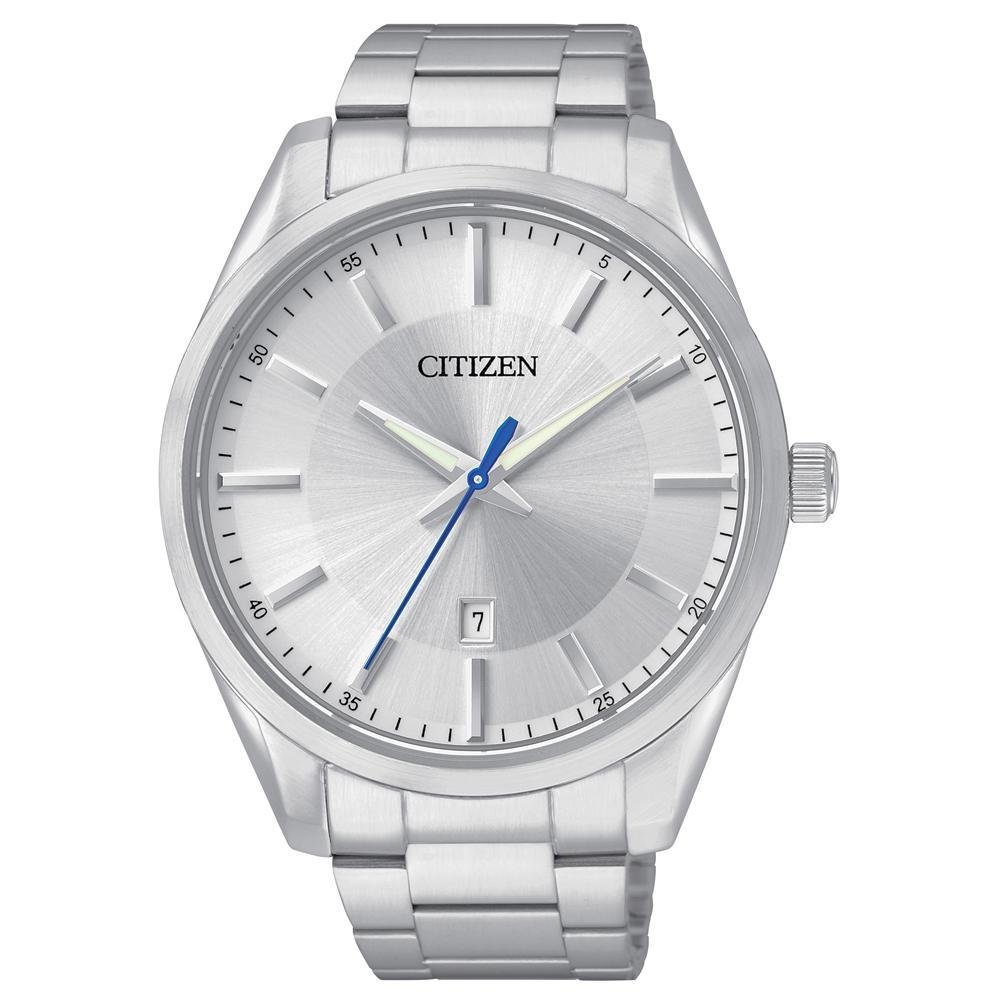


How Quartz Watches Compare to Other Options
Quartz watches use a battery powered movement regulated by a quartz crystal, and they are the accuracy and value benchmark of the watch world, typically gaining or losing only about 15 seconds per month. Most affordable models cost around $30 to $300. Smartwatches add screens and notifications for around $100 to $400 but need charging every day or two. Mechanical and automatic watches cost more to buy and service, and solar watches sit close to quartz in price while removing battery changes. The sections below compare the closest matchups, and if you want a wider view of the category first, see our guide to the best quartz watches for the full landscape.
Quartz Watches vs Smartwatches
The key difference is purpose. A quartz watch tells time instantly, runs for years on one battery, and never asks for updates, charging cables, or a phone connection. A smartwatch tracks workouts, shows messages, and can answer calls, but its battery life is measured in days and its screen becomes outdated within a few years.
Choose quartz if you want a watch that looks like jewelry, works with formal clothing, and stays reliable with almost zero upkeep. Choose a smartwatch if fitness tracking and notifications matter more than longevity. Many people own both and rotate by occasion. If notifications are your main draw, our guide to the best affordable smart watches covers that category on its own terms.
Quartz Watches vs Dive and Field Watches
Dive and field watches are styles built for rough use, and many of them actually use quartz movements inside. A dive watch adds a rotating bezel, strong lume for low light reading, and water resistance of 200 meters or more. A field watch favors a simple high contrast dial, a durable case, and often a fabric strap.
Choose a dive or field style if your days involve water, outdoor work, or frequent bumps, and accept a thicker, heavier case. Choose a classic quartz dress or everyday style if you wear the watch mainly at a desk or with smarter clothes, where a slim case under a shirt cuff matters more than impact protection.
Quartz Watches vs Solar Watches
Solar watches are quartz watches with a light powered twist: a solar cell under the dial charges a rechargeable cell, so routine battery changes disappear. Accuracy matches standard quartz, and prices usually run slightly higher, around $80 to $350 for well made affordable models. In return you must give the watch regular light exposure.
Choose solar if you dislike battery changes and wear your watch daily in decent light. Choose standard quartz if you rotate several watches, store them in a drawer, or want the lowest possible price. A solar watch left in darkness for months can stop, while a standard quartz watch simply waits with its battery ready.
Who Should Choose Quartz Watches?
Quartz suits anyone who wants accurate time with almost no maintenance: office workers, students, travelers who need a dependable second watch, and gift buyers who cannot predict the recipient habits. It also suits first time watch owners, because there is no winding routine, no service schedule beyond battery swaps, and no worry about wearing it too little.
Choose something else if you love mechanical craft and the sweep of an automatic movement, if you need health tracking and notifications on your wrist, or if you dive and require a certified instrument. For pure timekeeping per dollar, though, quartz remains very hard to beat, which is why it anchors most affordable collections.
How to Choose the Right Quartz Watch
Strap and Bracelet Options
The strap changes both comfort and appearance more than any other single part. Leather looks classic and suits dress and office wear, but it dislikes water and wears out in about one to two years of daily use. Metal bracelets are durable and water safe, and they add weight and a more formal feel at larger sizes.
NATO and other fabric straps are light, washable, and cheap to swap for a new look. Silicone suits sport and swimming. A quick release strap system, with spring bars you can move by hand, lets you change styles in seconds without tools. If you plan to rotate straps, confirm the lug width, commonly 18, 20, or 22 millimeters, before buying extras.
What You Can Realistically Get on a Budget
Around $30 to $80 buys a reliable quartz movement, a basic alloy or resin case, and a mineral crystal. Around $80 to $200 adds stainless steel cases, better bracelets, and 100 meter water resistance on sport models. Around $200 to $300 can add sapphire crystal, solar charging, and stronger lume.
Do not cut corners on the case and water resistance seals, because those protect the movement for years. Crystal upgrades can wait, and a scratched mineral crystal is cheaper to live with than a fogged case. Spend first on build and fit, then on premium glass or extras such as GPS, which most affordable quartz watches do not include anyway.
Case Size and Wrist Fit
Case diameter is the headline number, and most affordable quartz watches run from 36 to 44 millimeters. As a guide, wrists under about 6.5 inches around usually suit 36 to 39 millimeters, mid size wrists suit 38 to 42 millimeters, and larger wrists can carry 42 to 44 millimeters without the watch looking lost.
Lug to lug length matters just as much: it should stay shorter than the flat top of your wrist, or the case will overhang and feel top heavy. Thickness counts too. Dress watches sit around 7 to 10 millimeters thick and slide under cuffs, while dive styles run 12 to 15 millimeters and suit casual wear.
Water Resistance Rating
Ratings confuse many buyers, because the meter number is a lab pressure figure, not a swimming depth. A 30 meter rating means splash resistance only: rain and hand washing, never swimming. A 50 meter watch handles showering and brief swims. A 100 meter watch suits regular swimming and snorkeling, and 200 meters is the level expected for serious dive use.
Heat and age degrade seals, so have gaskets checked every few years if you swim in the watch, and never press buttons underwater unless the maker states it is safe. A screw down crown adds real protection and is worth seeking on any watch you plan to wear in the sea.
Movement Type (Quartz, Automatic, Solar, Smart)
Quartz movements are the most accurate and the cheapest to own, needing only a battery about every one to three years. An automatic movement winds from wrist motion, needs no battery, but drifts by seconds per day and needs professional service every few years. Solar removes battery changes in exchange for light exposure, as covered above.
Smart movements trade longevity for features and need frequent charging. For an affordable everyday watch, the running cost comparison is stark: a quartz battery change costs a few dollars at a kiosk, while one automatic service can cost more than an entire affordable quartz watch. Choose with your habits, not with prestige.
Setup and Care Tips
Set the date during the morning rather than late at night, because many movements change the date near midnight and forcing adjustments then can strain the mechanism. Rinse the watch in fresh water after saltwater exposure and dry it with a soft cloth. Store watches away from magnets such as phone speakers and bag clasps, which can disturb accuracy, and keep leather straps out of prolonged sun so they dry evenly rather than cracking. If you own an automatic as well, remember the common guidance to service automatic watches every 5 to 7 years, while quartz needs only battery and gasket checks.
Frequently Asked Questions
What case size fits my wrist?
Measure your wrist with a tape just behind the wrist bone. Under about 6.5 inches, try 36 to 39 millimeters; between 6.5 and 7.5 inches, 38 to 42 millimeters suits most styles; above that, 42 millimeters and up works well. Also check lug to lug length against the flat of your wrist, because overhang, not diameter alone, is what makes a watch feel too big.
Is a smartwatch worth it over a classic watch?
It is worth it if you will actually use notifications, workout tracking, and contactless payment every day. If you mainly want the time, a classic quartz watch wins on battery life, appearance with formal clothes, and lifespan. Many smartwatch batteries and software supports fade within a few years, while a quartz watch at the same price can serve for a decade with a few battery changes.
How water resistant should a watch be?
Match the rating to your wettest routine. Desk workers who only face rain and hand washing are fine at 30 to 50 meters. Regular swimmers should choose 100 meters or more, and anyone diving needs 200 meters with a screw down crown. Remember that ratings assume fresh, intact seals, so an older watch should be pressure checked before a swimming holiday.
How long does a watch battery last?
Most quartz watch batteries last about one to three years, depending on the movement and features such as alarms, lights, or a chronograph, which draw extra power. A watch that starts jumping its second hand in two or four second steps is signaling a low battery on many movements. Replace it promptly, because a depleted battery left inside for years can leak and damage the movement.
Quartz or automatic: which is better?
Quartz is better on accuracy, price, and upkeep; automatic is better if you value mechanical craft and a sweeping second hand. A quartz watch may drift about 15 seconds a month, while a typical affordable automatic drifts that much in a day or two. Neither answer is wrong. If you want more style led options at similar prices, our guide to the best looking affordable watches is a good next read.
Final Thoughts
Decide by fit first, water resistance second, and build quality third, and the style choice becomes easy. A case that suits your wrist, seals matched to your routine, and a stainless steel case at a fair price will serve you for years, while novelty features fade fast. Compare your shortlist in the product table above, including a few options from the best affordable wrist watches range if you want broader styles, and you will find the best affordable quartz watches for your wrist and budget without overpaying.


