
Best Affordable Pellet Smokers of 2026: Complete Buying Guide
Disclosure: We may earn a commission when you buy through links on this page, at no extra cost to you. As an Amazon Associate I earn from qualifying purchases. Learn more
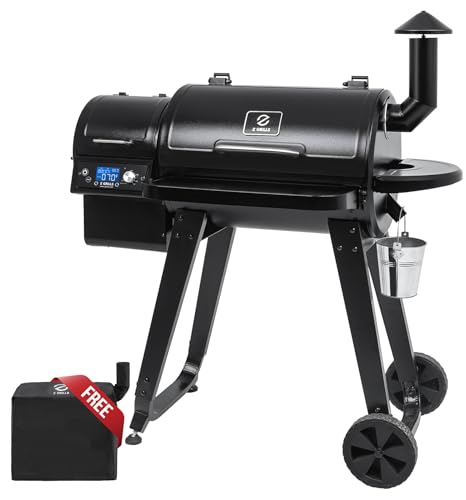
Use this buying guide to compare the best affordable pellet smokers by size, temperature control, hopper capacity, and price before you buy.
Pellet smokers promise real wood smoke with almost no fire tending, but entry level prices still run from around $300 to $700, and spec sheets make small models sound huge. The best affordable pellet smokers share three traits: steady temperatures, honest cooking space, and parts you can replace years later.
This guide explains what each price tier actually delivers, which features matter, and which ones you can skip. Scan the comparison table below for sizes and price ranges, then read on to size your purchase correctly the first time.
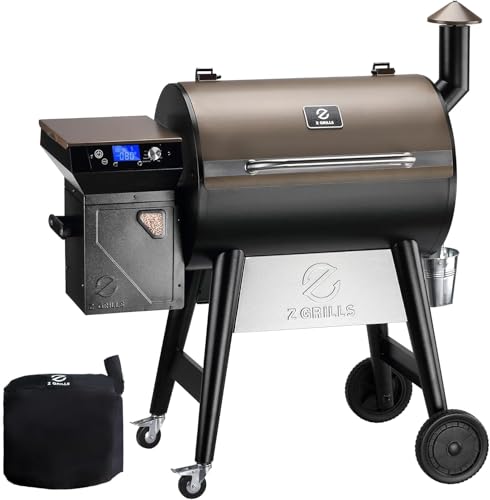
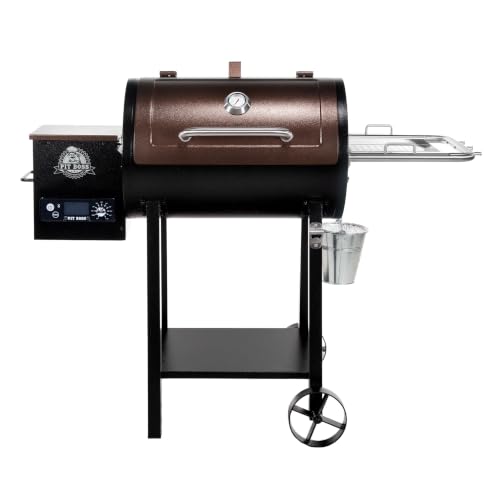
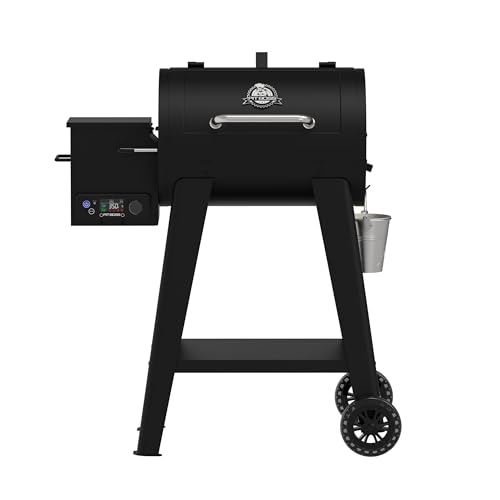

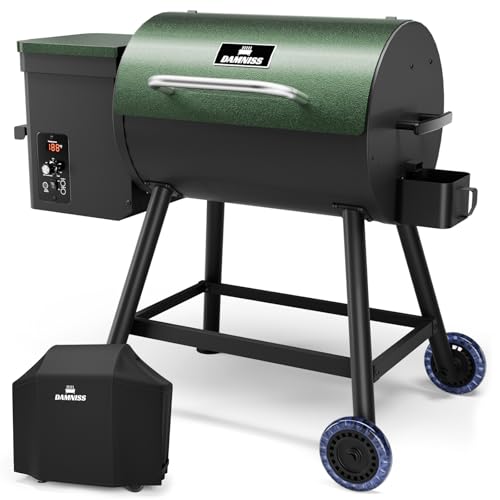
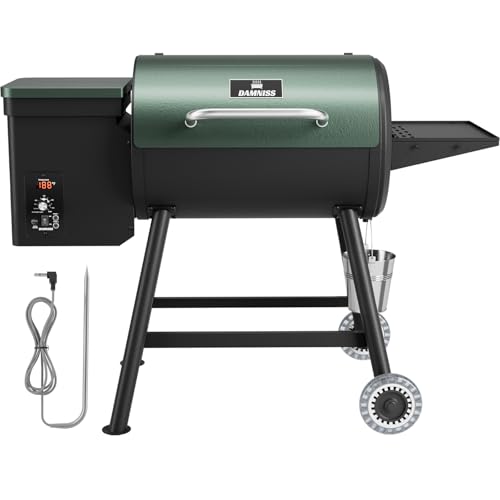


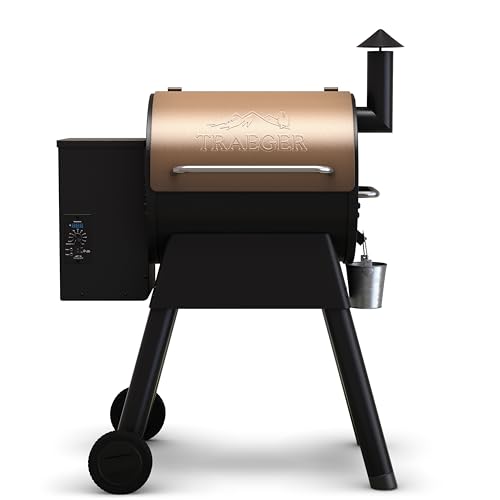
What Each Price Tier Delivers at a Glance
Instead of chasing a single winner, match a tier to your cooking. The tiers below describe what your money generally buys in this category, so you can judge any model in the product table above against realistic expectations.
The Balanced Tier
Balanced models, usually around $450 to $650, suit most families. Expect about 450 to 700 square inches of cooking area, a hopper holding roughly 15 to 20 lb of pellets, and a digital controller that holds set temperatures within a modest swing. Many include one meat probe and porcelain coated steel grates.
This tier handles a whole brisket or two pork shoulders at once and still fits a normal patio. Its limits show in thinner steel, basic wheels, and few smart features. For weekend smoking plus weeknight grilling for four to six people, it is the tier most buyers should start with.
The Value Tier
Value models, usually around $280 to $450, cut size and extras rather than core function. Cooking area drops to about 330 to 450 square inches, hoppers hold around 8 to 15 lb, and controllers are simpler dial or basic digital units. WiFi is rare, and a meat probe may be sold separately.
Choose this tier for your first smoker, a small household, or mostly ribs, chicken, and smaller cuts. You will refill the hopper more often on overnight cooks and fit fewer racks at once. In exchange, you learn whether pellet cooking suits you without a large commitment, and smaller bodies heat up fast and use fewer pellets per cook.
The Premium Tier
Premium models in this affordable range, around $650 to $900, add insulation, larger hoppers of 20 lb or more, and PID controllers that hold temperatures very steadily. Many add WiFi monitoring, two or more meat probes, cast iron grates on part of the surface, and better grease management.
This tier suits frequent cooks, larger gatherings, and anyone smoking through cold winters, where insulation keeps pellet use reasonable. You pay more and move a heavier unit, and searing still rarely matches a dedicated gas grill. Buy it for capacity and control, not for the promise of steakhouse crust.
How to Choose the Best Pellet Smokers: Buying Guide
The best affordable pellet smokers succeed or fail on temperature control, so judge that first and treat app features as a bonus. The points below walk through each buying factor in the order it affects your food.
What You Can Realistically Get on a Budget
Around $300 to $500 buys dependable low and slow cooking, a digital controller, and enough space for most family cooks. What gets cut is insulation, hopper size, premium grates, and app connectivity. Temperature swings of 15 to 25 degrees Fahrenheit are common and still produce good barbecue.
Do not save money on the controller or the auger motor, because they feed the fire and decide consistency. A cheap controller that overshoots can turn an overnight brisket into a stressful night. Spend on control and build, and let WiFi and extra racks wait.
Fuel Type (Gas, Charcoal, Pellet, Electric)
Pellets burn compressed hardwood and give mild, consistent smoke with push button convenience. Gas heats fast and sears well but adds almost no smoke flavor. Charcoal delivers the deepest smoke and highest heat, yet demands constant attention. Electric smokers are simple and steady but usually cannot sear and may need a separate smoke source for strong flavor.
Running costs differ too. Pellets cost roughly $1 to $2 per hour of cooking depending on weather and temperature, while charcoal varies with bag prices and gas depends on tank refills. If flavor plus convenience is your priority, pellets sit in the middle on both cost and effort.
Assembly and Warranty
Most pellet smokers arrive partly assembled and take about 45 to 90 minutes to finish, with legs, wheels, chimney, and shelves to attach. Two people make the job far easier, since barrels are awkward and heavier than they look. Keep the packaging until the first cook confirms the auger and igniter work.
Warranties on affordable models often run three to five years on the body and one to three years on electronics and motors. Paint and rust coverage is usually limited, so a cover matters. Register the product and keep your receipt, because controller and auger claims are the most common and both need proof of purchase.
Heat Output and Temperature Range
Pellet smokers are rated by temperature range rather than the BTU figures used for gas grills. Most affordable models run from about 165 to 500 degrees Fahrenheit. The low end supports gentle smoke for fish and cheese, while 225 degrees Fahrenheit is the classic setting for ribs, pork shoulder, and brisket cooked low and slow.
The high end decides grilling ability. At 450 to 500 degrees you can grill burgers and chicken well, but a true hard sear is limited because heat is indirect. Some models offer a direct flame access plate for part of the grate. If steak crust is a priority, plan to finish on cast iron or keep a small gas grill alongside.
Temperature Control and Smart Features
A PID controller constantly adjusts pellet feed to hold your set temperature, much like a thermostat, and it is the single most valuable upgrade in this category. Basic controllers cycle on timed intervals and swing more, especially in wind or cold. Either style benefits from a lid thermometer check against a separate probe during your first cooks.
Meat probes matter more than apps. One probe for the meat and one for grate level temperature tells you nearly everything. WiFi and Bluetooth help on long cooks by warning you about flameouts or low pellets, and our guide to the best pellets for pellet smokers explains how pellet quality also affects steady burning.
Cooking Area and Capacity
Manufacturers add the main grate and warming rack together, so compare primary grate space separately. About 350 square inches fits roughly 12 burgers or two racks of ribs. Around 500 square inches handles a packer brisket or about 18 burgers. Larger 700 square inch models fit three to four racks of ribs laid flat.
Vertical clearance counts too. A tall lid fits a standing chicken or a large turkey, while a shallow barrel may not. If you cook mostly for two to four people, a mid size barrel wastes fewer pellets per cook than a large one, because heating empty space still burns fuel.
Types of Pellet Smokers
Portable Grills
Portable pellet models fold or use short legs for tailgating, camping, and balconies, with cooking areas around 250 to 350 square inches. They run on standard outlets or campsite power and suit couples and small groups. Small hoppers mean refills on long cooks, and you can compare compact picks in our guide to the best small pellet smokers if space is your main limit.
Gas Grills
Gas grills are not pellet smokers, but many shoppers cross shop them. They win on speed, searing, and weeknight convenience, and lose on smoke flavor unless you add a smoker tube. If smoky flavor is the whole point of your purchase, gas alone will disappoint you, however good the grill is.
Charcoal Grills
Charcoal grills and kamado cookers deliver stronger smoke and higher heat than pellets, at the cost of hands on fire management. They suit cooks who enjoy the process and cook in shorter sessions. For overnight cooks without supervision, a pellet unit with a good controller is far less demanding.
Vertical Smokers
Vertical pellet smokers stack racks in a tall cabinet, giving large capacity on a small footprint, which suits jerky, sausages, and many racks at once. Heat and smoke rise evenly, but there is little or no grilling or searing ability. See our guide to the best vertical pellet smokers if capacity per square foot of patio matters most to you.
How to Make Your Pellet Smoker Last Longer
- Preheat for 10 to 15 minutes before cooking, with the lid closed, so temperatures stabilize and the grates are hot enough to reduce sticking.
- Clean grates while warm with a brass or nylon brush, since steel brushes can damage porcelain coatings and leave fragments behind.
- Empty the fire pot of ash every few cooks and vacuum the barrel monthly, because ash buildup causes flameouts and uneven heat.
- Store pellets in a sealed, dry container indoors, since damp pellets swell, jam the auger, and burn poorly.
- Cover the grill between uses and check for rust each season, touching up paint on the barrel exterior before corrosion spreads.
- Keep grease management parts clean, because pooled grease is a fire risk at high temperatures and turns rancid between cooks.
Safety note: run any pellet smoker outdoors on a stable, nonflammable surface, away from walls and overhangs, and never leave it unattended around children or pets. If you also use a gas grill, check gas connections with soapy water each season and look for bubbles that signal a leak. Let ashes cool fully in a metal container before disposal.
Pellet Smokers: Your Questions Answered
Is a pellet grill worth it?
Yes, if you value steady temperatures and real smoke without tending a fire for hours. Pellet units cost more than basic charcoal grills and use electricity plus pellets, so the value depends on how often you cook. For weekly smoking and easy weeknight grilling, most owners find the convenience worth it within the first season.
Can I use a pellet smoker on a balcony?
Only if your building and local fire rules allow it, and many apartments prohibit any grill on a balcony. Pellet smokers still produce open flame and smoke that drifts into neighboring homes. Check your lease and local codes first. If grills are banned, an electric smoker approved for your building may be the only option, and even then smoke output needs consideration.
How often should I clean my pellet smoker?
Brush the grates after every cook, empty the grease tray or bucket every few cooks, and vacuum ash from the fire pot about every 20 hours of cooking. Deep clean the barrel and chimney about twice a season. Skipping ash removal is the most common cause of flameouts, so make that quick job part of your routine from the start.
What type of pellet smoker gives the best flavor?
Flavor depends more on pellet wood and cooking temperature than on the smoker style. Lower temperatures early in the cook create more smoke, and woods like hickory and mesquite taste stronger than apple or cherry. Our guide to the best wood pellet smokers covers wood focused models, but any steady burning unit with quality pellets delivers satisfying smoke flavor.
How long should a good pellet smoker last?
A good affordable pellet smoker should last about five to eight years with regular cleaning and covered storage. Electronics, igniters, and auger motors usually wear out before the barrel does, and replacement parts are widely available for established product lines. Keeping moisture away from the hopper and pellets extends the life of the whole feed system.
How big of a pellet smoker do I need?
Size for your largest regular cook, not your biggest holiday. Households of two to four do well with about 400 to 550 square inches of total space, which covers a brisket or several racks of ribs. Frequent hosts should look near 700 square inches. Remember that a bigger barrel burns more pellets on small cooks, so oversizing has a real running cost.
Our Verdict
Judge by controller quality first, honest primary cooking space second, and hopper size third. Those three decide your results far more than apps or styling. Match the tier to your household, balanced for most families, value for a careful first step, premium for frequent cooks. Compare your finalists in the product table above, and you will choose the best affordable pellet smokers for your patio and budget with confidence.


