Best Affordable Meat Smokers: Fuel Types, Size, and Features 2026
Disclosure: We may earn a commission when you buy through links on this page, at no extra cost to you. As an Amazon Associate I earn from qualifying purchases. Learn more

Best affordable meat smokers: Charcoal, pellet, electric and gas smokers compared by fuel, cooking area and temperature control.
Good smoked brisket, ribs, and pulled pork do not require a competition rig or a huge budget. The challenge is knowing which corners affordable models cut safely and which cuts ruin a long cook. This guide to best affordable meat smokers walks through fuel, size, and temperature control in plain terms.
You will learn what each fuel type tastes like, how much cooking area real meals need, and which controls protect an overnight cook. Start with the comparison table below for sizes and price bands, then read the buying guide sections that match your yard, your fuel preference, and your patience level.



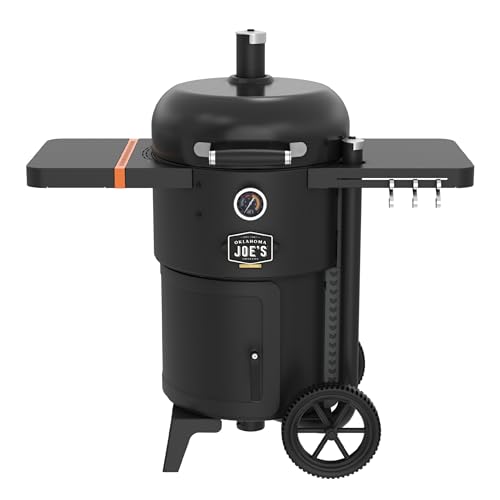
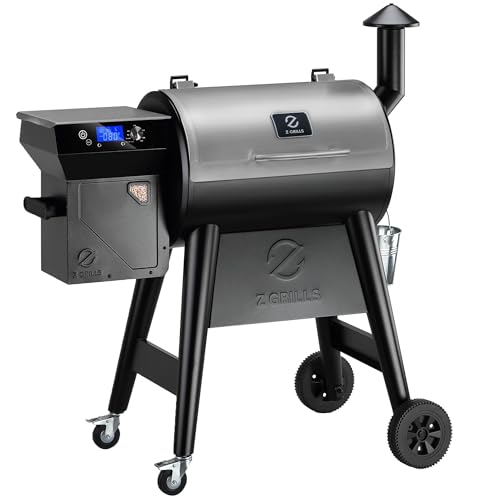
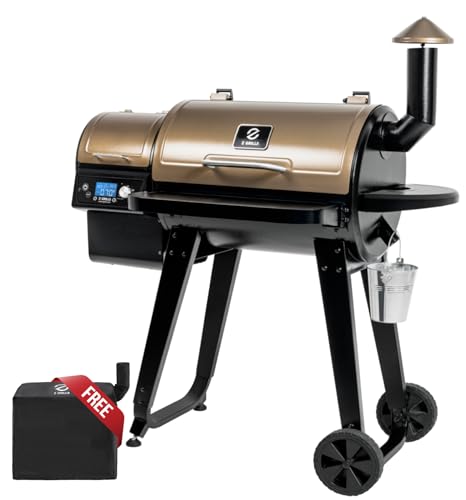
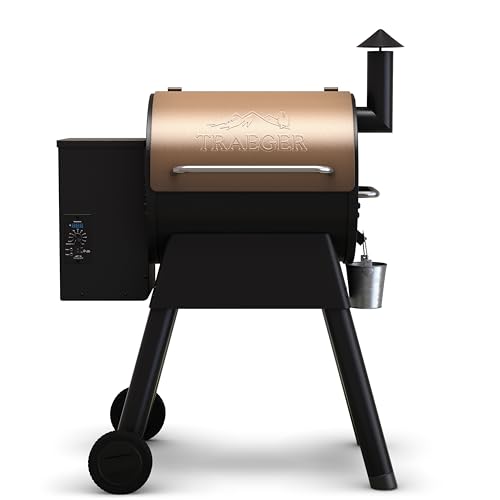
What Strong Budget Smokers Have in Common
Rather than naming winners, use the three profiles below to judge any model in the product table above. Each profile describes who it suits, the traits to demand, and the compromise to accept at this price.
The All Round Profile
This profile suits most households that smoke a few times a month. Demand a cooking area around 400 to 600 square inches, a lid thermometer plus at least one meat probe port, and a body with enough steel thickness to hold heat in a light wind. Pellet and electric models often fit this profile because they hold temperature with little tending. The compromise is usually sear power, since many affordable smokers top out below true grilling heat, so plan to finish reverse seared steaks in a cast iron pan or on a separate hot grill.
The Value Profile
This profile suits first time smokers who want real smoke flavor for around $150 to $300. Charcoal and simple vertical electric models dominate here. Demand an accessible fire door or tray so you can add fuel without dumping heat, plus a water pan that sits securely above the heat source. The compromise is attention, because basic charcoal units need vent adjustments as weather changes. If that learning curve sounds fun rather than annoying, this profile returns the most flavor per dollar, a point our guide to the best meat smokers for beginners explains in more depth.
The Upgrade Profile
This profile suits cooks who already smoke often and want less babysitting for around $400 to $700. Look for a PID controller that holds set temperature within a narrow band, a larger pellet hopper for overnight cooks, and cast iron grates that retain heat for better bark. WiFi monitoring and multiple meat probes belong in this tier as well. The compromise is price and complexity, since more electronics mean more parts that can fail outdoors. Buy this tier when cook time saved matters more than simplicity.
How to Choose the Best Affordable Meat Smokers
What You Can Realistically Get on a Budget
For around $150 to $350 you can realistically get honest low and slow cooking, a usable water pan, and enough space for two pork shoulders or a full brisket on larger models. What you usually give up is thick steel, precise digital control, and premium wheels or shelves. Do not save money by accepting a warped door or thin lids that leak smoke at every seam, because heat loss makes every cook harder. Spend first on a sealed cooking chamber and a reliable thermometer setup.
Fuel Type (Gas, Charcoal, Pellet, Electric)
Charcoal delivers the deepest traditional smoke flavor and the lowest purchase price, but asks for the most skill. Pellets burn real wood with push button control, giving strong flavor and steady heat at a higher fuel cost per cook. Electric models are the easiest and most apartment friendly in spirit, though their smoke flavor is milder and most need an outlet nearby. Gas smokers light fast and hold heat well, with flavor that sits between charcoal and electric. Our guide to the best meat smokers compares these fuel families across a wider price range if you want more background before choosing.
Heat Output and Temperature Range
Smoking lives at low temperatures, so judge a smoker by how steadily it holds about 225°F to 250°F for hours, not by headline heat. Still, some range helps, since poultry skin improves with a finishing stretch near 300°F to 325°F and some cooks like a hot sear at the end. Check the stated temperature range and whether the controller allows small adjustments, because wide swings toughen meat. A practical know how point is to run any new smoker empty for an hour, watch the temperature trace, and learn its swing pattern before your first brisket depends on it.
Temperature Control and Smart Features
A PID controller reads chamber temperature constantly and feeds fuel in small doses, which keeps heat steadier than simple on and off controls. Built in meat probes let you track internal temperature without opening the lid and losing heat. WiFi and app alerts help most on overnight cooks, where a phone alarm beats walking outside at 3 a.m. Accurate temperature tools matter as much as the smoker itself, and our guide to the best smoker meat thermometers covers probe accuracy and placement in detail.
Ash, Grease Management, and Cleanup
Long cooks produce ash and rendered fat, and good design keeps both away from the fire and your patio. Look for a removable ash pan, a grease tray or bucket you can line with foil, and interior surfaces you can reach with a brush. Vertical smokers should let you remove the water pan without spilling. A simple habit that saves real effort is to line the water pan and grease tray with foil before each cook, because cleanup then takes minutes instead of a long scrub after a tiring day.
Build Quality and Materials
Steel thickness decides how well a smoker holds heat in wind and cold. Thicker walls feel heavier, resist warping, and use less fuel per cook. Cast iron grates retain heat and clean up well with a stiff brush, while thin wire racks flex under a full brisket. Check door latches, hinge action, and leg stability on any model you consider, and favor powder coated or stainless surfaces if the smoker will live outdoors. Small gaps at the door can be sealed later with gasket tape, but a twisted lid is a defect to reject on arrival.
Cooking Area and Capacity
Manufacturers quote total square inches including warming racks, so focus on the main grate area where real smoking happens. Around 400 square inches handles a brisket or two racks of ribs with room for air flow, while 600 square inches or more suits parties and meal prep batches. Remember that ribs and briskets need space between pieces for smoke to circulate, so a crowded grate cooks unevenly. Measure your usual cuts before buying, because a smoker that fits a whole packer brisket flat saves you from trimming or draping meat over a rack.
Types of Meat Smokers
Charcoal Grills
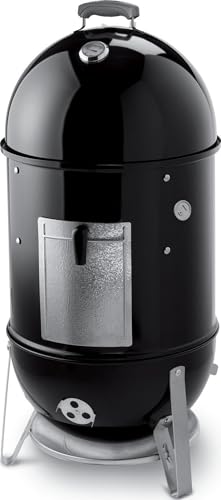
Charcoal smokers and kettle style cookers give the strongest smoke ring and bark for the least money. They reward practice with vents and fuel placement and punish neglect with temperature spikes. Choose this type if you enjoy tending a fire and want maximum flavor control on a tight budget.
Pellet Grills and Smokers
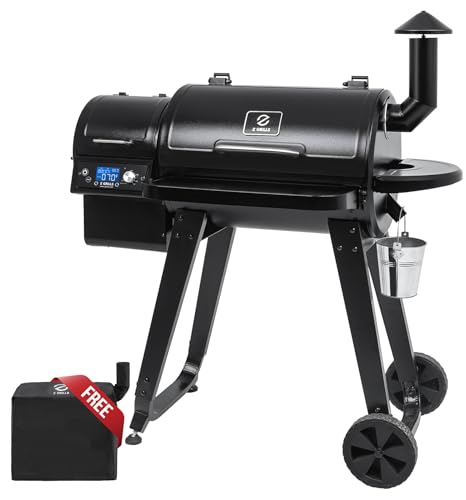
Pellet models feed wood pellets from a hopper into a small fire pot under controller direction, so temperature stays steady with little work from you. They double as ovens for pizza and casseroles on weeknights. Choose this type if convenience matters and you can store pellets dry, since damp pellets swell and jam the auger.
Vertical Smokers
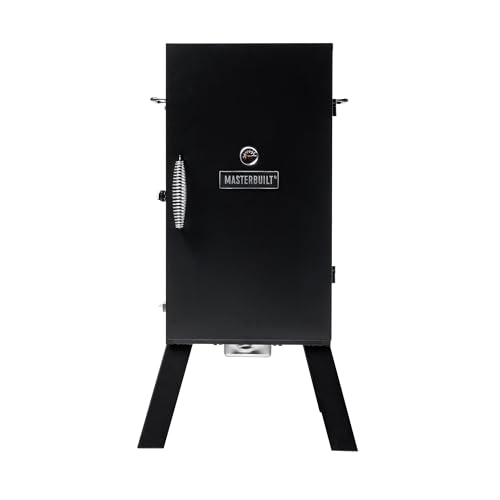
Vertical smokers stack heat at the bottom, a water pan in the middle, and stacked grates above, which gives a small footprint and natural heat flow. They suit balconies and small yards where width is limited, subject to local rules below. Choose this type for efficient use of space and easy access to each level without reaching across hot grates.
Gas Grills
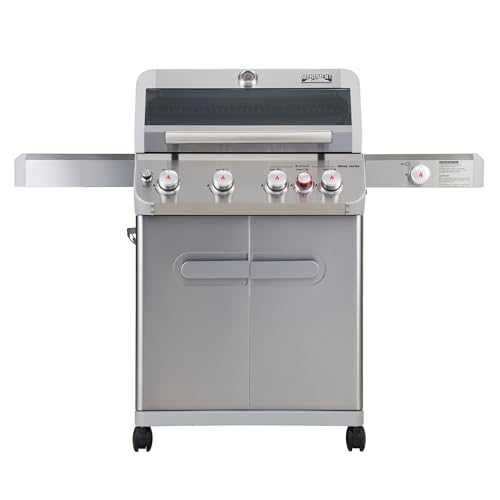
Gas fueled smokers use a burner and a wood chunk or chip box to add smoke, lighting in seconds and holding heat with a simple dial. They ask for a propane tank and regular line checks. Choose this type if you already cook with gas and want smoking as a low effort addition to your routine. Prepping meat well still matters, and tools from our guide to the best affordable meat grinders help if you grind your own sausage or burger blends to smoke.
How to Make Your Meat Smoker Last Longer
- Preheat for 10 to 15 minutes before cooking so grates and walls reach a stable temperature.
- Clean grates while warm with a brass or nylon brush, since cold grease hardens and takes far more effort later.
- Cover the smoker between cooks and check seams, legs, and the ash pan for rust each season.
- Check gas connections with soapy water each season and replace any hose that bubbles or looks cracked.
- Empty ash fully after each cook, because damp ash holds moisture against steel and speeds corrosion.
- Store pellets and charcoal in sealed dry bins so fuel lights cleanly and burns at a steady rate.
Safety deserves a line of its own. Use every smoker outdoors with clear ventilation, keep it away from siding and overhangs, and never use it in a garage or enclosed porch, because burning fuel produces carbon monoxide that can build up without warning. Keep children and pets back from hot surfaces, and keep a spray bottle of water nearby only for small flare control on charcoal, not for grease fires.
Meat Smokers: Your Questions Answered
How big of a meat smoker do I need?
Size the smoker to your largest regular cook rather than your average one. Two racks of ribs or one brisket fit comfortably in about 400 square inches of main grate space, while holiday cooking for a crowd points to 600 square inches or more. A detail many buyers miss is grate depth front to back, since long ribs need a straight run of space. If you often cook for two but host twice a year, a midsize smoker plus an early start beats an oversized unit that wastes fuel weekly.
Can I use a meat smoker on a balcony?
Often you cannot, because many leases, condo rules, and local fire codes ban charcoal and open flame cooking on balconies. Some buildings allow electric models only, and even then smoke drift can bring complaints from neighbors. Check your lease and local rules in writing before buying, and keep any approved unit well away from railings and walls. A tabletop electric unit used on a ground floor patio with permission is the safer path for apartment cooks.
How often should I clean my meat smoker?
Brush grates after every cook and empty ash and grease before the next one. A deeper clean of walls, racks, and the grease path every three to five cooks prevents rancid buildup from flavoring fresh meat. One sign people overlook is a sour smell when the empty smoker warms up, which means old grease is coating the chamber. Scrape walls lightly rather than stripping them bare, since a thin seasoned layer protects steel from rust.
Is a pellet grill worth it?
A pellet grill is worth it if you value steady temperature and sleep during overnight cooks more than the lowest fuel cost. Pellets cost more per cook than charcoal and the electronics need dry storage conditions, but the set and forget control changes smoking from a project into a routine. It also doubles as an outdoor oven, which spreads the cost across many weeknight meals. Cooks who love tending a fire usually prefer to keep that ritual instead.
What type of meat smoker gives the best flavor?
Charcoal with real wood chunks gives most people the deepest and most traditional smoke flavor. Pellet smokers come close with cleaner and more consistent results, while electric and gas models taste milder. Flavor also depends on wood choice, since hickory and oak hit harder than apple or cherry. A useful know how point is that thin blue smoke flavors meat gently, while thick white smoke from a choked fire can taste bitter, so fire management matters as much as fuel type.
How long should a good meat smoker last?
A well kept steel smoker commonly lasts five to ten years, and thicker models can go much longer. Lifespan depends on cover use, ash habits, and where the unit lives, since coastal air and winter exposure speed rust. Electronics on pellet models are usually the first parts to need attention. Keeping a small stock of gaskets and a spare igniter for your fuel type turns most midlife failures into quick weekend fixes instead of a lost season.
Final Thoughts
Pick your fuel first, size the main grate to your largest regular cook, and protect steady temperature control inside your budget. Charcoal rewards hands on cooks, pellets reward busy ones, and vertical and gas designs fit smaller spaces and simpler routines. If you are shopping for a gift as well, our guide to the best gifts for meat smokers collects useful add ons that pair well with any new unit. Above all, the best affordable meat smokers are the ones that hold heat while you relax, so compare your finalists in the product table above and choose the fit for your yard and appetite.