Best Affordable Launch Monitors of 2026: Complete Buying Guide
Disclosure: We may earn a commission when you buy through links on this page, at no extra cost to you. As an Amazon Associate I earn from qualifying purchases. Learn more

The best affordable launch monitors give golfers ball speed, carry distance, and spin data for a fraction of pro prices. Learn what to check before you buy.
Golfers who want real shot numbers without paying for a studio-grade system have more choices than ever. The best affordable launch monitors measure ball speed, club speed, carry distance, and often spin and launch angle, usually for well under $600. This guide explains how these devices work, what to give up at a lower price, and how to pick one that fits your swing, your space, and your phone. The product table lists current options to compare side by side.
A budget launch monitor will not match a $15,000 camera system in every shot, but it can show you whether a new driver, a swing change, or a practice session is really helping. Knowing which numbers matter for your game is the key to spending wisely.
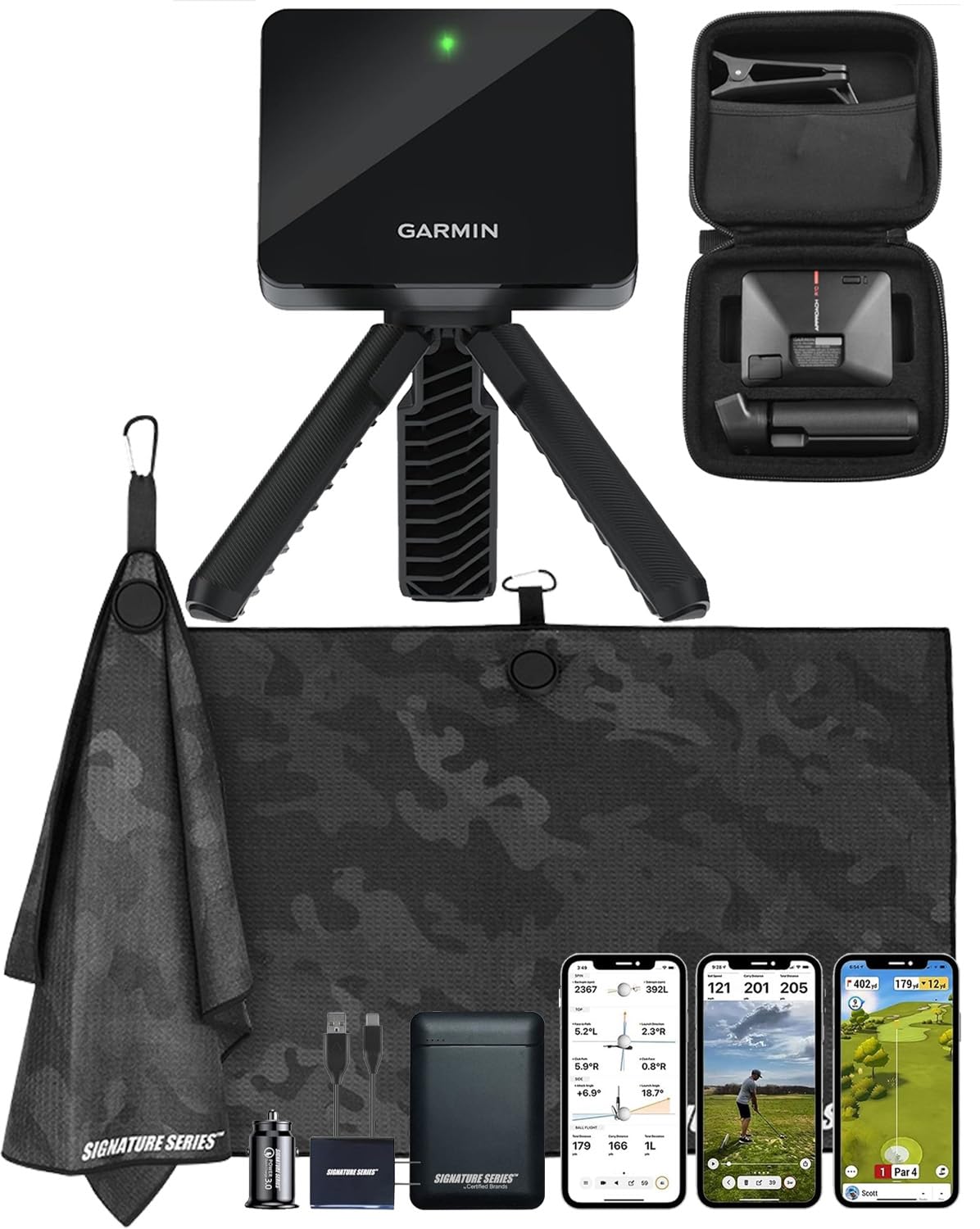
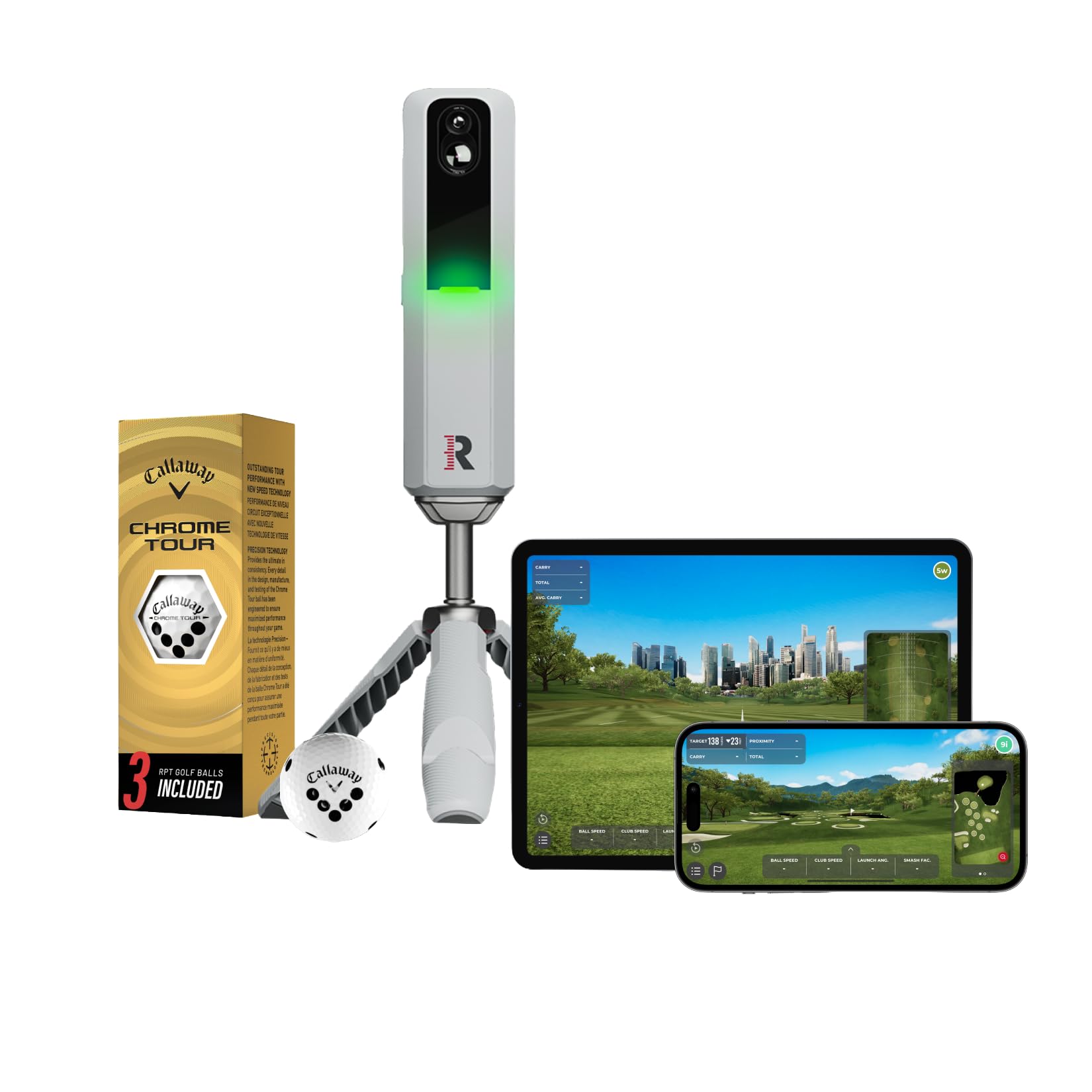


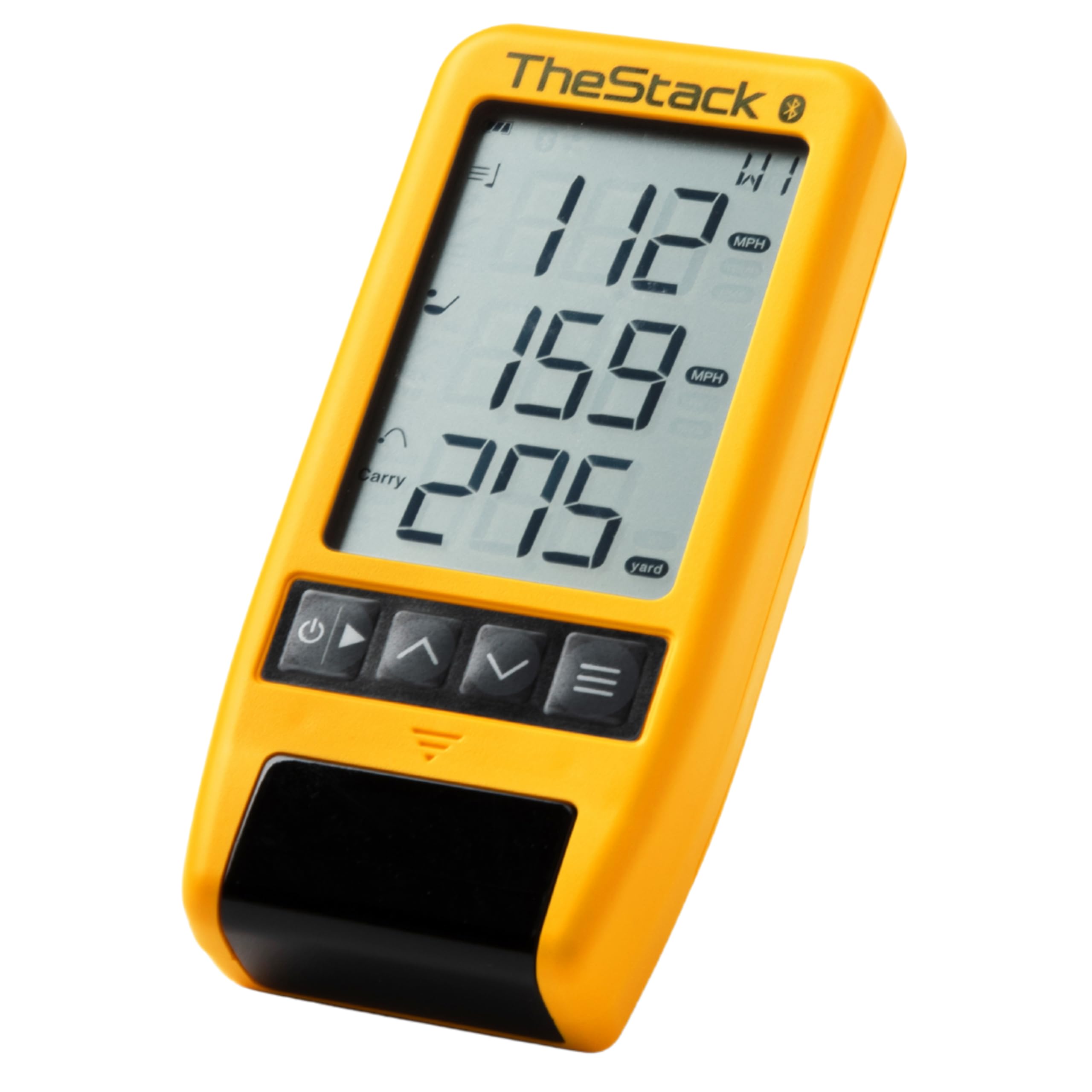

Spending Levels: What Your Money Gets You
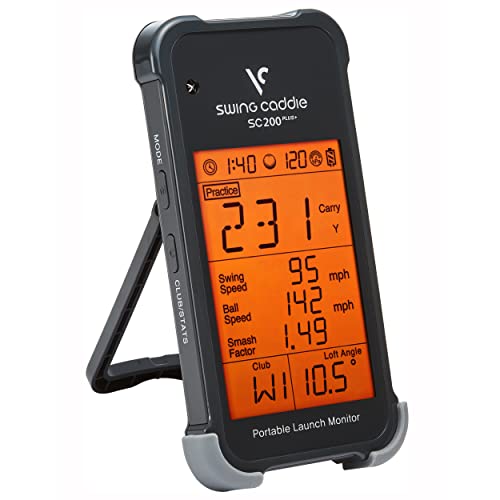
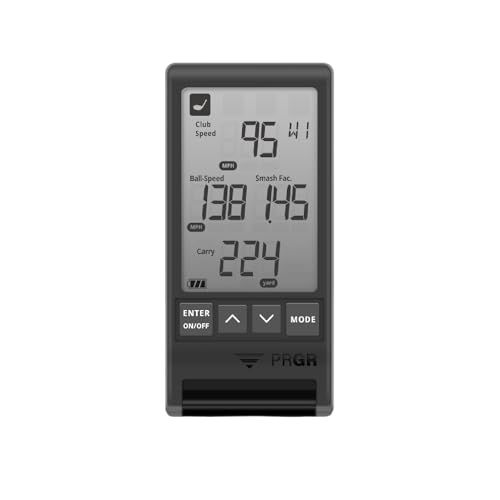
At the entry level, around $100 to $250, you find compact Doppler radar units and older phone-based trackers. They report ball speed, club speed, smash factor, and estimated carry. Some also show swing tempo. They suit casual players and anyone who wants simple feedback at the range or in a net.
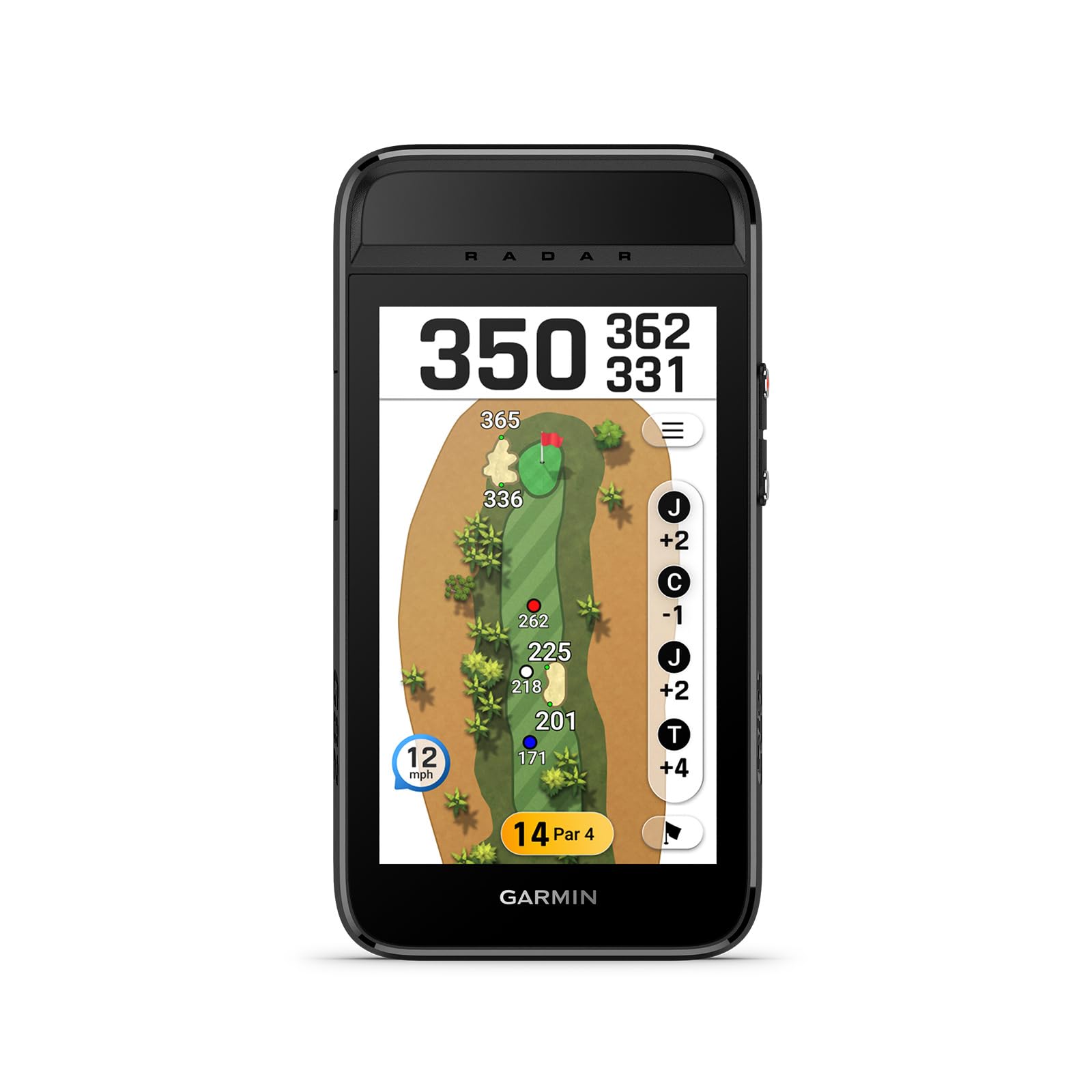
In the middle range, around $250 to $400, you find handheld GPS units with built-in launch monitor features and stronger radar trackers with better battery life and apps. Many add a clear screen or voice readout so you can practice without a phone.
At the upper end of the budget range, around $400 to $600, you reach portable radar units that add spin and launch angle estimates, simulator software, and video. These suit players who want a home setup or serious practice data. Above that, prices climb quickly toward camera-based systems that cost more than most buyers need.
How to Choose the Best Affordable Launch Monitors: Buying Guide
Radar vs Camera Technology
Most affordable units use Doppler radar. Radar tracks the ball and club in flight, which works well outdoors and at the range. Indoors, radar needs enough space behind or beside the ball, and some units estimate spin and launch angle instead of measuring them directly.
Camera and photometric systems read the ball and club at impact and handle short indoor spaces well, but they cost much more. At a budget level, radar is the practical choice, so focus on how each model handles its limits.
Which Numbers Matter
Ball speed, club head speed, smash factor, and carry distance are the core numbers, and nearly every unit offers them. Launch angle, spin rate, and apex height help with club fitting and wedge work, but budget devices often estimate them. Check whether a number is measured or calculated before you rely on it.
If you mainly want distance gapping for your irons, a simple radar unit is enough. If you want to tune a driver, look for models that list spin and launch data.
Indoor vs Outdoor Use
Think about where you will swing most. Outdoor ranges are easy for any radar unit. Indoor use in a garage or net works best when the device has an indoor mode and you have room to place it at the recommended distance. Always follow the manufacturer's setup instructions, hit into a proper net or screen, and keep people and breakable items clear of the hitting area.
Phone App and Simulator Software
Many models send data to a phone or tablet app. Check that your phone is supported, since some apps run only on certain operating systems. Also check whether simulator courses or advanced features need a paid subscription. A cheaper unit with a free app can cost less over time than a pricier one with required fees.
Battery Life and Portability
For range trips, look for a battery that lasts a full practice session, ideally several hours. Small, light units fit a bag pocket. Handheld GPS models double as a rangefinder on the course, which adds value if you do not own one already.
Accuracy and Setup
Accuracy depends on correct placement, level ground, and a clean strike. Use the manufacturer's setup guide, and compare readings against a known club distance to see whether the numbers feel realistic. Models that need metallic stickers or special balls add a small ongoing cost, so check what is included.
Types of Affordable Launch Monitors
Compact Radar Trackers
These small units sit behind or beside the ball and measure swing and ball speed. They are simple, light, and often the cheapest way to get carry distance and smash factor. They suit beginners and players who want fast feedback at the range.
Handheld GPS With Launch Monitor Features
These devices combine course GPS with swing data. You get yardages on the course and swing numbers at practice. The screen is built in, so you do not need a phone. Data depth is lighter than on dedicated radar units, but the all-in-one design is convenient.
Portable Radar With Simulator Support
Higher-priced portable radar models connect to simulator software and phone apps, offering spin, launch angle, and video. They suit home practice setups with a net or screen. Check subscription costs before you buy. For a wider comparison, see our guide to the best launch monitors across all price levels.
Phone-Based Trackers
Some budget models rely on your phone for display and processing. They are light and inexpensive, but they work only with supported devices and apps, and battery drain on the phone can matter in long sessions.
How to Get the Most From Your Launch Monitor
- Place the unit at the distance and angle the maker recommends, and keep it level for steady readings.
- Hit the same club several times and look at averages rather than a single shot.
- Build a distance chart for each club, then update it every few weeks to see real progress.
- Keep the device clean and dry, charge it fully before a session, and store it in a protective case.
- Update the firmware and app when new versions are available, since they can improve readings.
- Use a proper net, screen, or open range, and clear the area around you before each swing.
Use the data as a guide, not a judge. Numbers that jump from shot to shot often point to setup issues rather than your swing. If a pain or injury makes swinging uncomfortable, ask your doctor or a qualified instructor before you keep practicing.
Frequently Asked Questions
Are affordable launch monitors accurate enough?
For ball speed, club speed, and carry distance, many budget radar units are accurate enough for practice and gapping. Spin and launch angle are the numbers most likely to be estimated, so treat them as guides rather than exact figures. Placement and a clean strike also affect results.
Do I need a subscription?
Some models include simulator courses or advanced features for free, while others charge a yearly fee for full access. Check the listing and the maker's site for subscription terms before you buy, so the total cost matches your budget.
Can I use one indoors?
Yes, if the unit has an indoor mode and you have enough space for setup. Hit into a net or impact screen, and follow the manufacturer's placement instructions. Some radar units are less reliable in very short spaces, so measure your room first.
Radar or camera: which is better for a budget?
Radar is better for most budget buyers because it costs less and works well outdoors. Camera systems read impact directly and suit tight indoor spaces, but they cost far more. If your budget is limited, a radar unit gives the best value.
What is a good price for a first launch monitor?
Around $150 to $600 covers most of the useful range. Below that, features are thin. Above that, you start paying for spin measurement and simulator depth that casual players may not use. Start with your main goal, whether that is distance gapping, home practice, or on-course yardages.
Is a handheld GPS with launch monitor features enough?
It is enough if you want yardages on the course and basic swing data at the range. If you want detailed spin, launch numbers, or simulator play, a dedicated portable radar unit gives more depth.
Final Thoughts
The right choice comes down to your goals, your practice space, and your phone. Start with the numbers you need, check indoor and outdoor limits, and watch for subscription costs. Use the product table to compare the options once you know your priorities. With a careful pick, the best affordable launch monitors can give you honest feedback and better practice without a premium price.