Best Affordable Motorcycle Boots in 2026: Which One Fits the Way You Use It?
Disclosure: We may earn a commission when you buy through links on this page, at no extra cost to you. As an Amazon Associate I earn from qualifying purchases. Learn more

Armor, fit, waterproofing and price for the best affordable motorcycle boots, with guidance for commuting, touring and weekend rides.
No single boot suits every rider, because a short city commute, a wet highway tour and a weekend back road ride all punish footwear in different ways. The best affordable motorcycle boots for you are the pair that protects your ankles, fits your feet and matches the miles you actually ride, without forcing you to pay for racing features you will never use. Use the comparison table below to check each style against the needs in this guide.
Affordable here means honest value, not the lowest price on the page. A very cheap boot that flexes like a trainer gives little support in a slide, while a fair priced touring boot can serve for years.


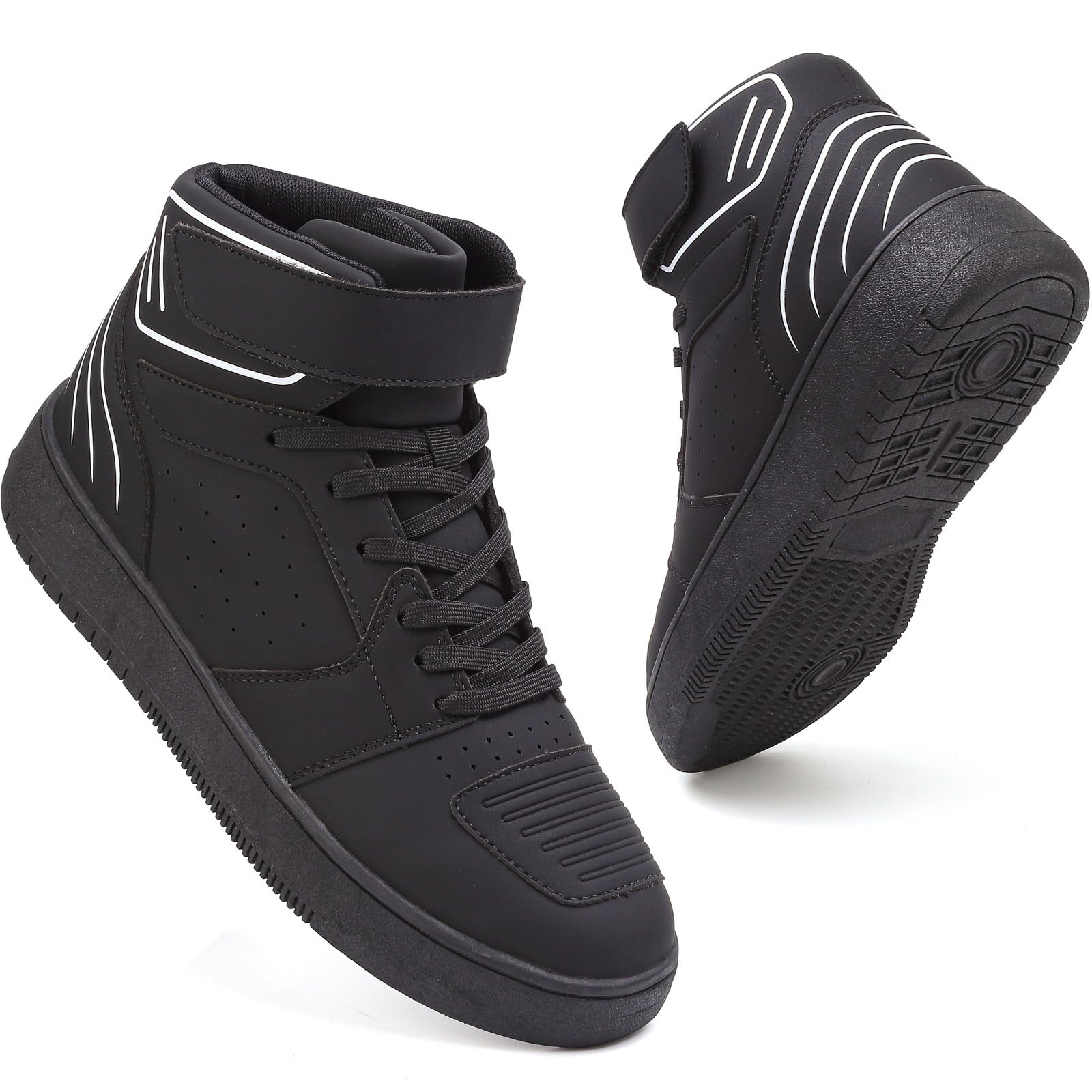
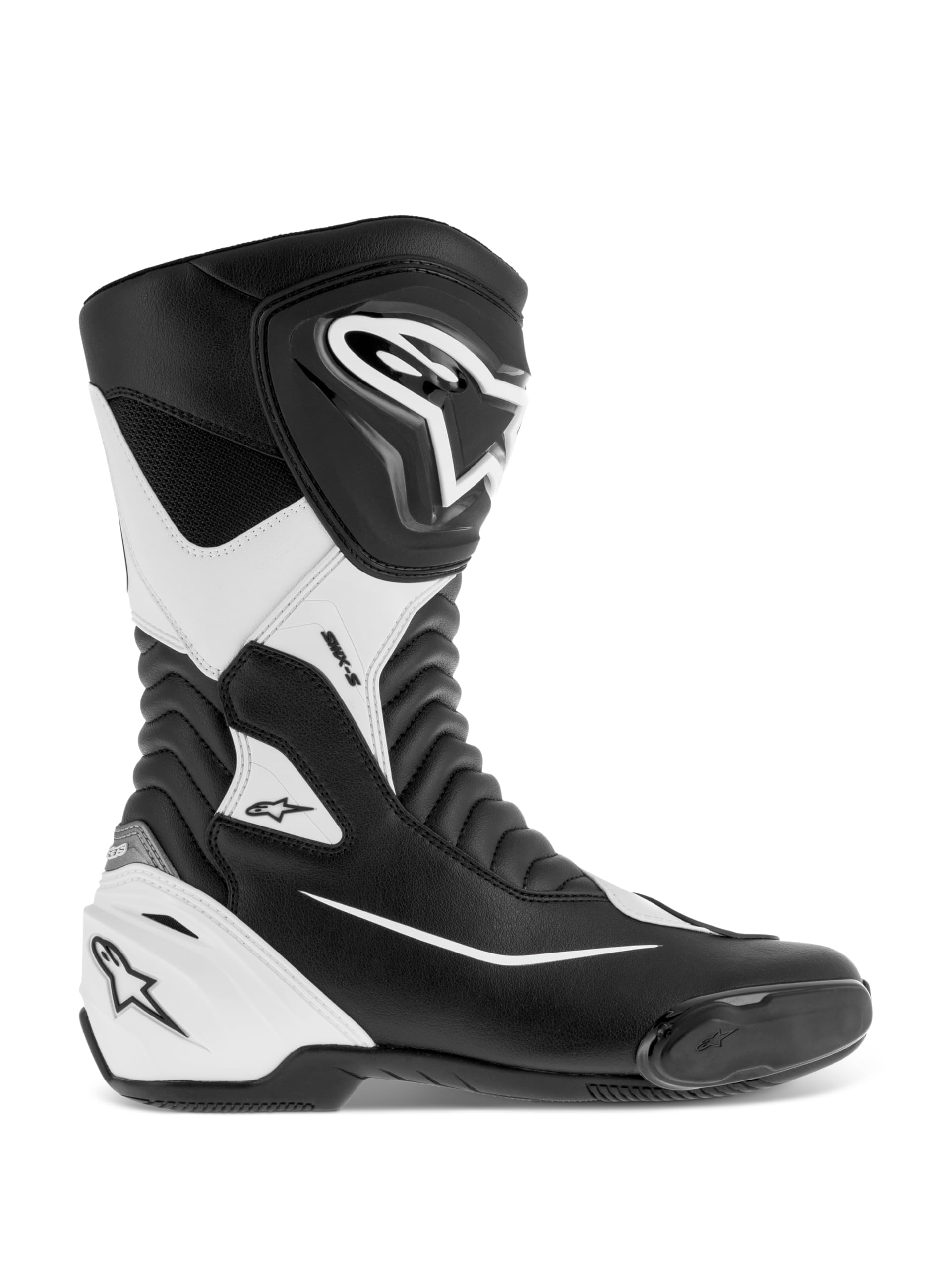
Who Should Buy Which Motorcycle Boots?
Start with your most common ride, not your most ambitious one. The boot you wear five days a week matters more than the boot you imagine for one big trip.
Daily Commuters Who Ride Through Traffic Every Week
You need protection that you will actually wear on short trips, plus comfort for traffic stops and a short walk at each end. Choose a mid height boot with ankle armor, a firm sole and a closure you can open fast with gloves nearby. A waterproof membrane earns its cost if you ride on wet mornings.
New and Weekend Riders Watching Every Dollar
You ride shorter distances and want real protection without emptying your gear budget in one purchase. Choose a simple leather or textile boot with toe, heel and ankle reinforcement, and skip racing sliders and exotic materials. Spend first on fit and armor coverage, because those two points decide both safety and comfort. A plain style you enjoy wearing will see far more miles than a stiff boot that feels like a chore.
Touring Riders Who Cover Long Miles in Changing Weather
You sit for hours, ride through rain and walk at fuel stops and small towns along the route. Choose a taller shaft for shin coverage, a waterproof build and a sole with enough flex at the front for walking. Room in the toe box matters on long days, since feet swell slightly with heat and time.
Key Features to Compare
Compare protection and fit before style or price. The five factors below decide how a budget boot performs on the road.
What a Tight Budget Still Buys in Riding Protection
Most credible budget boots cost about $100 to $200, and that range tells you what the best affordable motorcycle boots can honestly offer. Expect solid leather or sturdy textile uppers, basic ankle armor, reinforced toe and heel areas, and in many cases a waterproof membrane. What gets cut is usually refinement, such as premium leather, replaceable soles and the highest armor ratings. Never save money by accepting soft ankles or a thin sole.
Ankle, Toe and Shin Protection With CE Ratings
Look for boots tested to the EN 13634 standard, which rates motorcycle footwear for impact, abrasion and cut resistance at level 1 or level 2, with level 2 offering more protection. Molded cups at the ankle bones, a rigid toe box and a reinforced heel counter guard the areas that strike the ground first. If a crash leaves you with swelling that grows, numbness in your foot, an open wound or pain that stops you bearing weight on the leg, seek medical care promptly, and talk with your clinician about your personal needs before riding again.
Upper Materials, Closures and Shaft Height
Full grain leather resists abrasion well and molds to your foot with use, while microfiber and textile uppers cost less and feel lighter but may wear faster at rub points. A side zip speeds up daily use, buckles allow precise adjustment over the instep, and laces give a close fit but need tucking away from moving parts. Shaft height runs from over the ankle shoes to tall touring boots, and taller shafts add shin protection and weather coverage at the cost of warmth and weight.
Waterproofing and Breathability for Wet Roads
A waterproof membrane inside the boot keeps rain and road spray out, and sealed seams matter as much as the membrane itself, since water enters first at stitching and the tongue. Boots with this build breathe less well, so feet can feel warm on summer days, while vented textile boots stay cooler but soak through in minutes. Choose based on your climate. A commuter in a rainy region gains more from waterproofing than a desert rider who faces rain twice a year.
Soles, Grip and Feel at the Shifter and Pegs
The sole must grip wet pegs and painted road lines, resist oil at fuel stops and still let you feel the shifter through the toe. Look for a defined shifter pad on the left boot, a heel that hooks the peg lightly and tread that clears mud rather than packing smooth. Very thick soles dull gear changes, and very soft soles flex around the peg and tire your arch. If your budget can stretch past this range one day, see our guide to the best motorcycle boots to compare what extra money buys.
How to Check the Fit of Motorcycle Boots Before You Buy
Try boots late in the day with your riding socks on, since feet are at their largest then and thin dress socks give a false reading. Your toes should brush nothing when you stand, and your heel should lift only slightly as you walk. Press the toe of the boot and flex your ankle as if working the shifter, because stiffness that feels fine standing still can fight every gear change on the road.
Measure both feet in length and width, and size to the larger foot. Riders with wide feet or high calves should look for wide sizes and adjustable calf panels rather than simply buying a longer boot, since extra length lets the foot slide and blister. Wear the boots indoors for an hour before a first ride. On days away from the bike, see our guide to the best affordable boots if you want a separate pair for everyday walking.
Common Mistakes to Avoid When Buying Motorcycle Boots
- Choosing by price alone buys soft ankle support that offers little protection in a slide.
- Buying fashion boots or work boots leaves you without armor at the ankle, toe and heel.
- Sizing up to fix a tight toe box lets your foot slide forward and blister on long rides.
- Ignoring the CE rating means trusting marketing words instead of a tested protection standard.
- Wearing tall boots with trousers tucked loosely invites snagging on pegs and moving parts.
Care and Maintenance Tips for Motorcycle Boots
After a wet ride, loosen the closures, pull out the insoles and let the boots dry at room temperature away from direct heat, since radiators and hair dryers can crack leather and weaken glue. Brush off dried mud before it grinds into seams, and clean leather with a damp cloth and mild soap. Once clean and dry, work in a leather conditioner to keep the upper supple.
Check the sole edges, shifter pad and ankle armor pockets every month or so. Stop using a boot with a sole that peels away from the upper, cracked armor or a broken closure, because each fault removes protection you are counting on. Store boots upright in a dry place with air moving around them, not sealed in a plastic bag where trapped moisture grows mildew.
FAQ
How should affordable motorcycle boots fit when you first try them on?
Affordable motorcycle boots should feel snug at the heel and midfoot, with about a thumb width of space ahead of your longest toe. New leather feels firm across the top of the foot and eases with riding, but sharp pressure on one toe joint rarely improves. Walk, crouch and mimic a gear change in the shop, and choose the pair that needs no break in excuses.
Are affordable motorcycle boots waterproof enough for daily commuting?
Yes, affordable motorcycle boots with a sealed membrane handle typical commutes of about 30 to 60 minutes in steady rain. The weak points are the top opening and the tongue, so trousers worn over the shaft keep far more water out than trousers tucked inside. After very heavy rain, check whether dampness came through the boot or simply ran down your leg before judging the membrane.
How long do affordable motorcycle boots usually last with regular riding?
Affordable motorcycle boots usually last about two to four years of regular riding before soles smooth out or uppers soften past their best. Boots ridden daily in rain age faster than weekend pairs stored dry. Rotating insoles and drying boots fully between rides adds real life, while walking long distances in them daily wears the tread and flex points sooner than riding does.
Can you walk comfortably in affordable motorcycle boots all day at work?
You can walk in affordable motorcycle boots for moderate distances, but most are a poor choice for a full day on your feet. The stiff sole and ankle support that protect you on the bike limit natural foot roll when standing and walking for hours. If your job means long shifts standing, keep normal shoes at work and change on arrival.
When should you replace affordable motorcycle boots after a crash?
Replace affordable motorcycle boots after any crash that gouges the upper, cracks armor or twists the sole, even when the damage looks minor. Abrasion removes material you cannot see from inside, so a boot that slid along asphalt has already spent part of its protection. Retire boots with compressed ankle cups as well, because crushed armor does not recover its shape or its ability to spread impact.
The Bottom Line
Match the boot to your real riding first, then check armor, fit and weather protection in that order. A level rated boot that fits your foot and your climate will serve you far better than a taller spec list on a boot you avoid wearing. Compare your shortlist against the product table above before you order.
Chosen with those points in mind, best affordable motorcycle boots give you genuine protection and comfort without draining the budget you need for the rest of your gear.