
Best Affordable Military Watches in 2026: Which Type Is Right for You?
Disclosure: We may earn a commission when you buy through links on this page, at no extra cost to you. As an Amazon Associate I earn from qualifying purchases. Learn more

Pros and cons, ideal users and price range for the best affordable military watches, explained to help you pick the right style.
Military style watches promise toughness, clear dials, and prices that will not sting, yet the shelf is crowded with very different machines. Some run on a simple battery for years, some charge from sunlight, and some are small computers with GPS and daily charging. This guide to the best affordable military watches compares the main types honestly, so you can match durability, battery life, and features to the way you actually work, train, and travel.
Use the comparison table below for a fast shortlist, then read the type and fit sections to avoid the common traps, like buying a huge case that hurts under gloves or a smart model that dies mid trip.
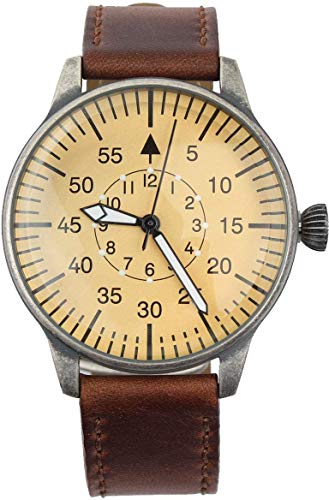


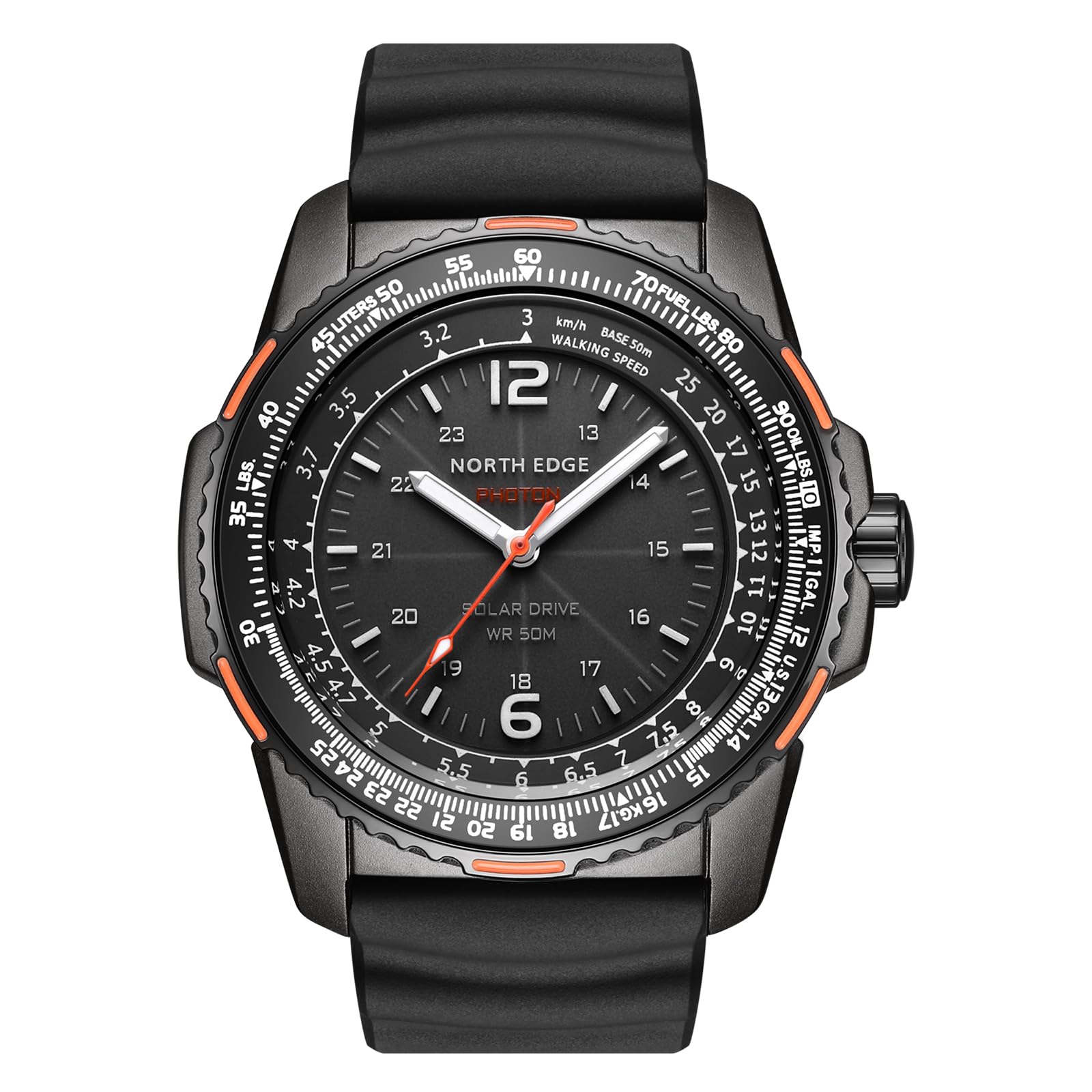


Types of Military Watches Compared
The three types below cover nearly every affordable military style watch worth considering. Quartz models are the traditional field watch formula: simple, light, and dependable. Smartwatches add navigation, training data, and notifications at the cost of charging and complexity. Solar models sit between the two, pairing a classic dial with light powered quartz accuracy. Your best choice depends less on fashion and more on two questions: how long must the watch run untouched, and how much data do you want from your wrist?
Quartz Watches
A quartz watch runs from a small battery that powers a crystal regulated movement, giving excellent accuracy for very little money. Field style quartz models add the military essentials: bold Arabic numerals, 24 hour markings, strong lume, and a case that shrugs off knocks. Battery life of 2 to 5 years is common, and a replacement battery costs little at most jewelers.
Choose quartz if you want a grab and go tool for work shifts, range days, hiking, or travel where charging cables are a nuisance. The main limits are a ticking seconds hand, no connected features, and a battery that will eventually need changing at an inconvenient moment if you ignore the low power warning signs.
Smartwatches
A smartwatch is a wrist computer with a rechargeable battery, sensors, and a screen that can show maps, messages, heart rate, and workout summaries. Rugged models add reinforced cases, water resistance for swimming, and GPS that records routes without your phone. For training and navigation, nothing else at this price offers the same depth of data.
The trade offs are real. Battery life runs from about a day to roughly two weeks depending on screen and GPS use, far short of a quartz model. Software support also ends after some years, and a bright screen can be a distraction in settings where a plain dial is preferred. Pick this type if the data genuinely changes how you train or navigate.
Solar Watches
A solar watch charges a rechargeable cell from daylight or indoor light, then runs a quartz movement that can keep going for months after a full charge. You get field watch simplicity with almost no battery planning, plus accuracy that automatic movements cannot match at this price. Many solar models also add atomic time syncing in some regions, which keeps the time exact without any effort from you.
Solar suits people who split time between office, field, and travel and hate maintenance. Watch two details: the dial needs light, so long storage in a dark drawer drains it, and replacing the rechargeable cell after many years costs more than a standard battery swap.
Quartz Watches vs Smartwatches: Which Should You Choose?
On battery life, quartz wins by years, while a smartwatch needs charging from daily to every week or two. On features, the smartwatch wins clearly, with GPS routes, training metrics, and notifications that a quartz dial cannot show. On durability in the simple sense, quartz has fewer parts to fail and no screen waiting for a hard knock, although rugged smart models close much of that gap.
On cost over time, quartz stays cheaper because there is no charger ecosystem or early software retirement to worry about. Choose quartz for reliability, low weight, and a dial you can read at a glance in any light. Choose a smartwatch if navigation and health data are tools you will use weekly, not novelties. If you want the wider category context first, see our guide to the best military watches before narrowing to budget models.
How to Choose the Right Military Watch
Crystal and Case Materials
Sapphire crystal resists scratches better than any other common watch glass, and at budget prices it appears on selected models rather than most. Mineral crystal is the middle ground, harder than acrylic but able to scratch on rock, metal edges, and grit. Acrylic scratches easily yet can be polished clear again, which some field watch fans actually prefer for hard use.
For cases, stainless steel in the common 316L grade offers proven corrosion resistance and weight that feels solid. Titanium is lighter and kinder to skin but usually costs more. Coated resin cases cut weight and price, and they absorb knocks well, though deep gouges in the coating cannot be polished out.
Case Size and Wrist Fit
Most military style watches run from 38 to 44 mm, and the right size depends on your wrist and your clothing. Wrists under about 6.5 inches usually suit 38 to 40 mm, while larger wrists can carry 42 to 44 mm without strain. Thickness matters for gloves and cuffs, so models under about 13 mm thick slide under sleeves more easily.
Check lug to lug length as well, and keep it roughly under 50 mm so the case does not overhang. A practical know how point: try the watch with the gloves or jacket cuff you wear most, because a crown that digs into the back of your hand during push ups or tool work becomes a daily annoyance.
What You Can Realistically Get on a Budget
Around $50 to $100 buys a dependable quartz field watch with mineral or acrylic crystal, basic lume, and 50 m to 100 m water resistance. Around $100 to $250 adds sapphire crystal on some models, solar charging, better lume, and steel cases with cleaner finishing. Rugged smartwatches with GPS usually start around $150 to $300 in this affordable bracket.
Do not expect sapphire, titanium, and long software support all at once at the lowest prices. Decide which one feature you refuse to give up, then accept simpler materials elsewhere. Readers comparing pure looks at this price can also browse our guide to the best looking affordable watches for style first alternatives.
Movement Type (Quartz, Automatic, Solar, Smart)
Quartz gives the best accuracy per dollar and the longest untouched running time. Automatic movement models exist in this category and offer mechanical charm, but they cost more, need servicing every 5 to 7 years, and lose accuracy compared with quartz. Solar removes routine battery changes while keeping quartz accuracy, as long as the watch sees light regularly.
Smart movements, meaning rechargeable connected platforms, trade running time for data. A useful rule: the more the watch does beyond telling time, the more often it needs charging and the sooner its software ages out. Match the movement to your tolerance for upkeep, not to spec sheet excitement. For a broader set of budget options beyond the military style, our overview of the best affordable wrist watches covers dress and casual picks too.
Care and Maintenance Tips
Rinse the watch in fresh water after saltwater exposure and dry it fully, including under the strap, to protect seals and case metal. Keep automatic models away from strong magnets and book servicing every 5 to 7 years. For quartz and solar models, replace gaskets when the battery or cell is changed so the water resistance rating stays honest. A quick release strap makes deep cleaning easy, since you can wash the strap separately and let it dry overnight before a shift.
FAQs
How long does a watch battery last?
A standard quartz watch battery usually lasts about 2 to 5 years depending on the movement and features like alarms or backlights. Heavy backlight use on field watches can shorten that span noticeably. When the seconds hand starts jumping in steps on models with a low battery indicator, plan a replacement soon rather than waiting for a full stop before an important trip.
How water resistant should a watch be?
For field and training use, 100 m is a sensible target because it covers rain, showers, and swimming with a sound crown and seals. A 50 m watch handles splashes and rain but should not swim. Ratings assume the seals are intact, so an older watch that has never had gasket service deserves caution around water even if its dial shows a high number.
Quartz or automatic: which is better?
Quartz is better for accuracy, price, and minimal upkeep, which is why most true field watches use it. Automatic is better if you value mechanical craft and a sweeping seconds hand and accept servicing costs and daily wear to keep it running. For demanding work where the watch may sit unused for weeks, quartz or solar is the safer tool.
What case size fits my wrist?
Measure your wrist, then start at 38 to 40 mm for wrists under about 6.5 inches and 40 to 42 mm for larger wrists. Keep lug to lug length in proportion so the case edges sit on your wrist, not past it. If you wear gloves often, favor the smaller end of your range, since bulky cases and large crowns catch and press under straps and cuffs.
Is a smartwatch worth it over a classic watch?
A smartwatch is worth it if GPS routes, training load data, and notifications will change what you do each week, and you accept regular charging. It is not worth it if you mainly need time, toughness, and a battery that lasts for years. Shoppers weighing connected models specifically can compare our guide to the best affordable smart watches against the classic options here.
The Bottom Line
Decide by battery life, case fit, and crystal material, in that order, and most buyers will land on the right type quickly. Quartz remains the default tool watch, solar removes battery planning, and smart models earn their place only when their data gets real use. Look back at the product table above to compare your finalists side by side. For even more budget choices across wrist styles, our roundup of the best affordable watches for men is a useful next stop, and chosen with these checks, the best affordable military watches deliver genuine field readiness without premium pricing.


